Yellow flowers can make a garden feel warm, cheerful, and full of life. They bring instant brightness to borders, containers, walkways, and front yards, especially when paired with greens, purples, blues, oranges, and reds. The problem is that many gardeners choose yellow flowers only because they look pretty in photos, then forget about sunlight, soil, bloom time, water needs, height, and climate.
That is where a sunny garden can start to look patchy instead of polished. Some yellow flowers love dry heat, some need cool weather, some prefer moist shade, and others can become disappointing if planted in the wrong spot. Before filling your garden with yellow blooms, avoid these common mistakes that can quietly ruin the look.
Sunflowers
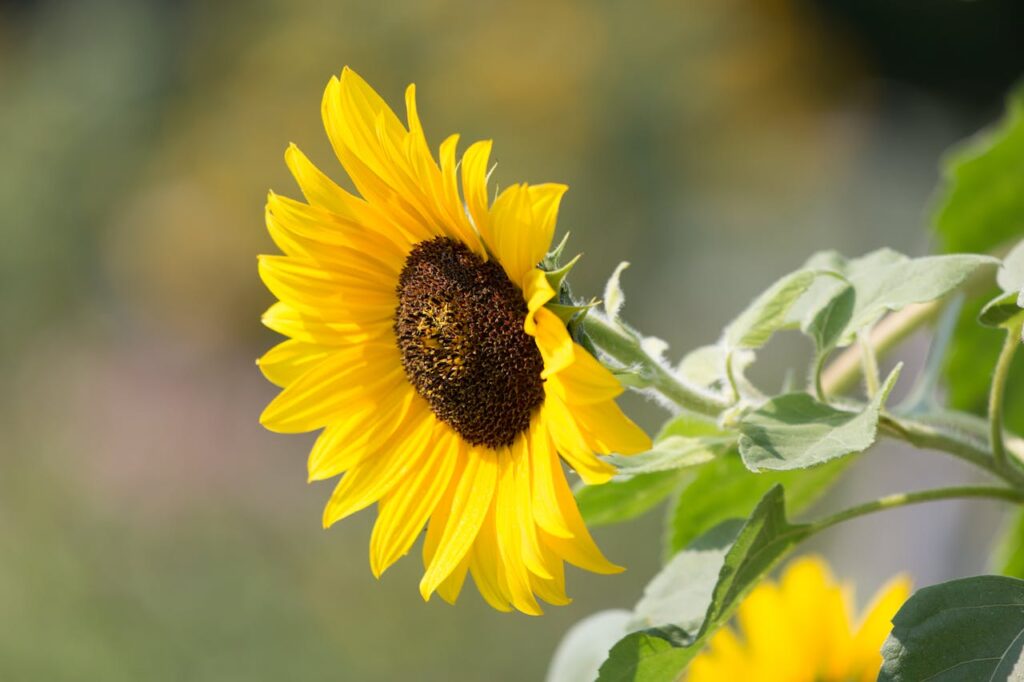
Sunflowers are bold, cheerful, and impossible to ignore, but they need the right space to shine. A common mistake is planting them in cramped beds where their height blocks smaller flowers or makes the garden feel unbalanced. Since many sunflowers can grow several feet tall, they work best at the back of borders, along fences, or in open, sunny spaces where their height becomes a feature rather than a problem.
Another mistake is treating sunflowers like delicate ornamentals. They need full sun, regular watering during growth, and well-draining soil to keep roots healthy. When planted in poor light, they can lean, stretch, or produce weaker blooms, making the garden look neglected rather than sunny.
Daffodils
Daffodils are one of the best yellow flowers for early spring color, but they are not a last-minute spring purchase if you want the best results. Many gardeners make the mistake of thinking they can plant bulbs when they want blooms, yet daffodils usually need to be planted in the fall before the first hard freeze. That cold period helps them prepare for their spring display.
They also need well-draining soil because soggy conditions can cause bulb rot. Daffodils look beautiful in clusters under trees, along paths, and around garden edges, but scattered single bulbs can look thin and random. For a fuller effect, plant them in groups so the yellow color feels intentional.
Tickseed
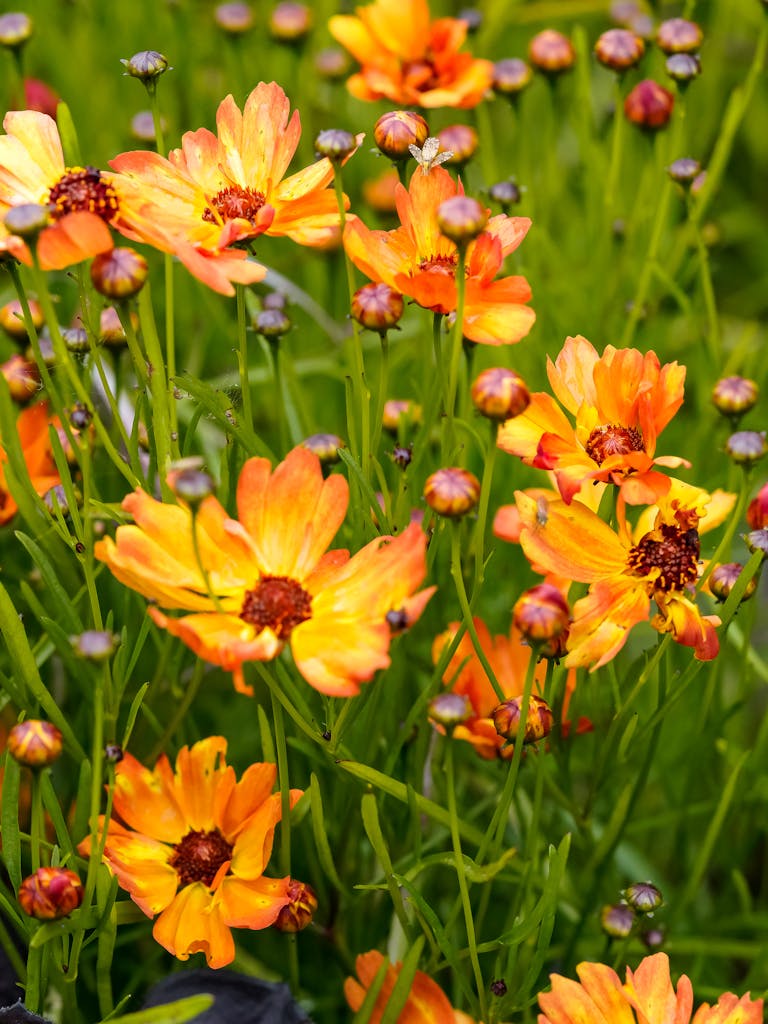
Tickseed, also called coreopsis, is easy to overlook because it does not always look as dramatic as roses or sunflowers in garden center displays. That is a mistake if you want long-lasting yellow flowers without constant pampering. Tickseed produces bright, daisy-like blooms and can keep color going through much of summer with very little fuss.
The bigger mistake is overwatering it or putting it in heavy, wet soil. Tickseed is known for handling dry conditions once established, so it performs best in sunny spots with good drainage. If your garden has a hot, open area that looks tired every summer, tickseed can bring color without requiring much work.
Yellow Lantana
Yellow lantana is a strong choice for hot, sunny gardens, but it can disappoint gardeners who expect it to survive winter in all regions. In warm regions, lantana can behave like a perennial, returning year after year. In colder areas, it is usually grown as an annual, so you should enjoy it for the season rather than expecting it to come back reliably.
Lantana is especially useful for borders, containers, and sunny spots that need color through warm months. It also handles drought better than many softer garden flowers. The key is to give it direct sun and well-draining soil, then avoid planting it in a damp, shady corner where it will struggle.
Tulips
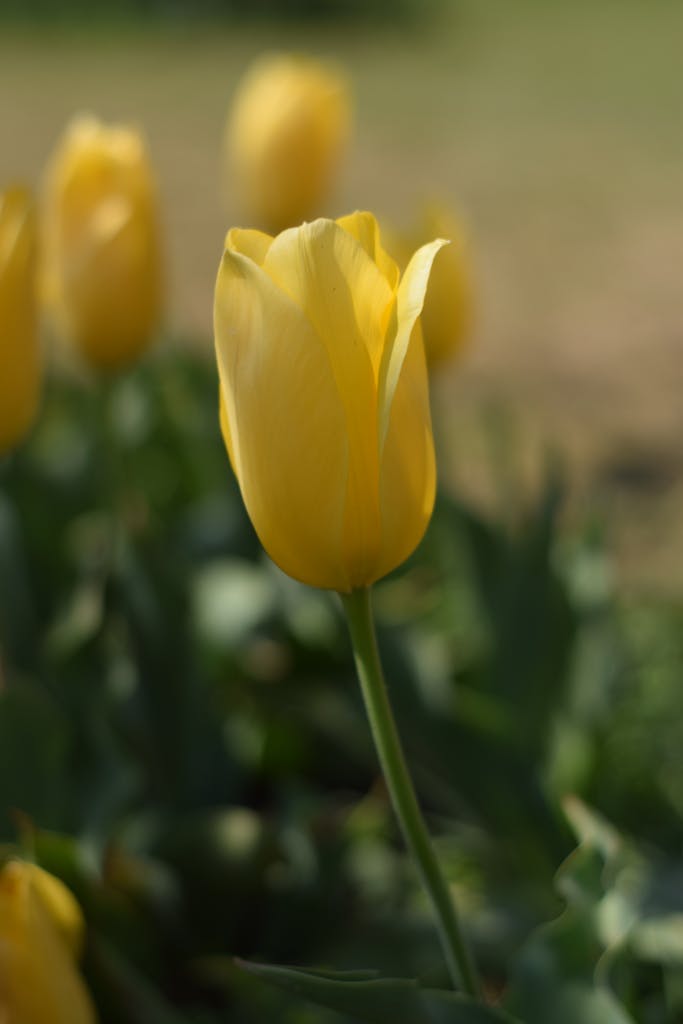
Yellow tulips are classic spring flowers, but they are not equally happy in every climate. Many gardeners buy tulip bulbs because the photos look elegant, then plant them in warm areas where they may not get enough cold weather to bloom well year after year. Tulips usually perform best in cooler zones where winter gives them the chill they need.
They also need rich, well-draining soil and a sunny location. If you want a polished spring display, plant tulips in groups or repeated drifts rather than one bulb here and another there. Yellow tulips can look especially beautiful near white, purple, or deep red flowers because the contrast makes the color feel sharper.
Yellow Coneflower
Yellow coneflower is a smart choice if you want a garden that feels sunny without looking overly formal. The mistake is ignoring it because of its more relaxed, wildflower-like shape. Its yellow petals and brown cone center add texture, movement, and a more natural look to sunny beds.
This plant is also useful because it can tolerate dry periods once established. New plants need regular watering at first, but mature plants are much less demanding. Yellow coneflower works well in pollinator gardens, cottage gardens, and low-maintenance borders where you want color that does not feel stiff.
Yellow Roses
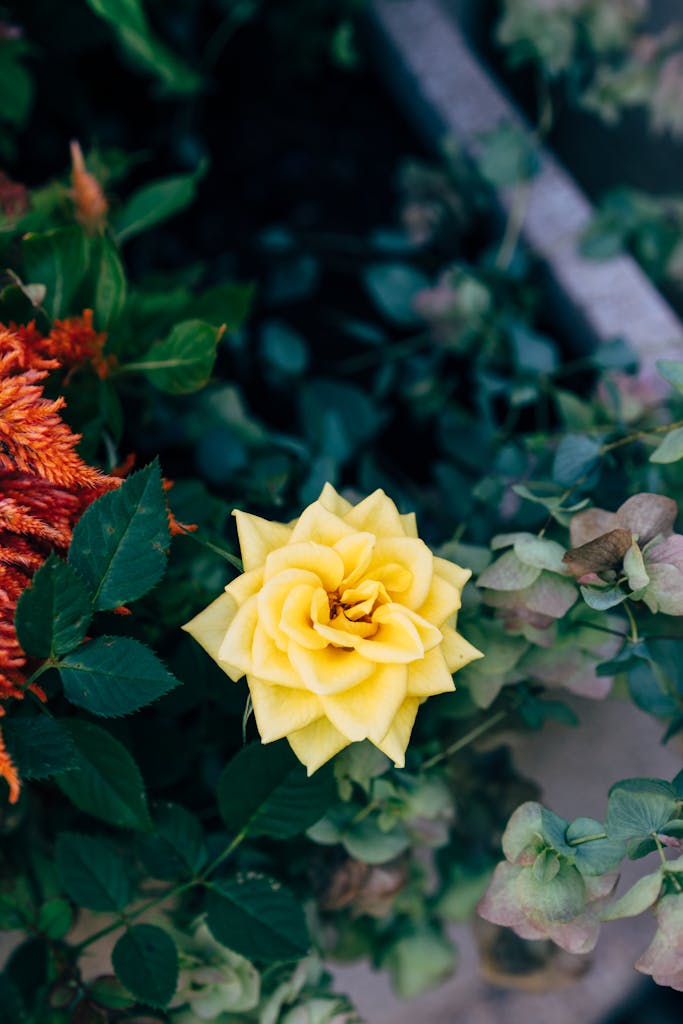
Yellow roses can look elegant, romantic, and expensive in a garden, but they are not the best choice for gardeners who want zero effort. A common mistake is planting climbing roses without providing enough sunlight, rich soil, pruning, or support. Climbing varieties need a trellis, arch, fence, or wall to grow properly.
They also need space and airflow to reduce disease problems. If you plant them too tightly against other plants, they may struggle and look messy. Yellow climbing roses are worth the effort when you want height, fragrance, and a more classic garden style, but they need more attention than many casual yellow flowers.
False Indigo
False indigo is easy to underestimate because it is not as common as tulips or daffodils, but it can be a great solution for difficult garden spots. The mistake is assuming poor soil means you cannot grow anything beautiful. Yellow false indigo can handle tougher conditions and still produce lovely spring blooms.
It is especially useful in sunny areas where more delicate plants fail. Once established, it can become a dependable perennial that requires little fuss. If your garden has dry or poor soil, this plant can give you a yellow color without forcing you to rebuild the entire bed.
Ligularia
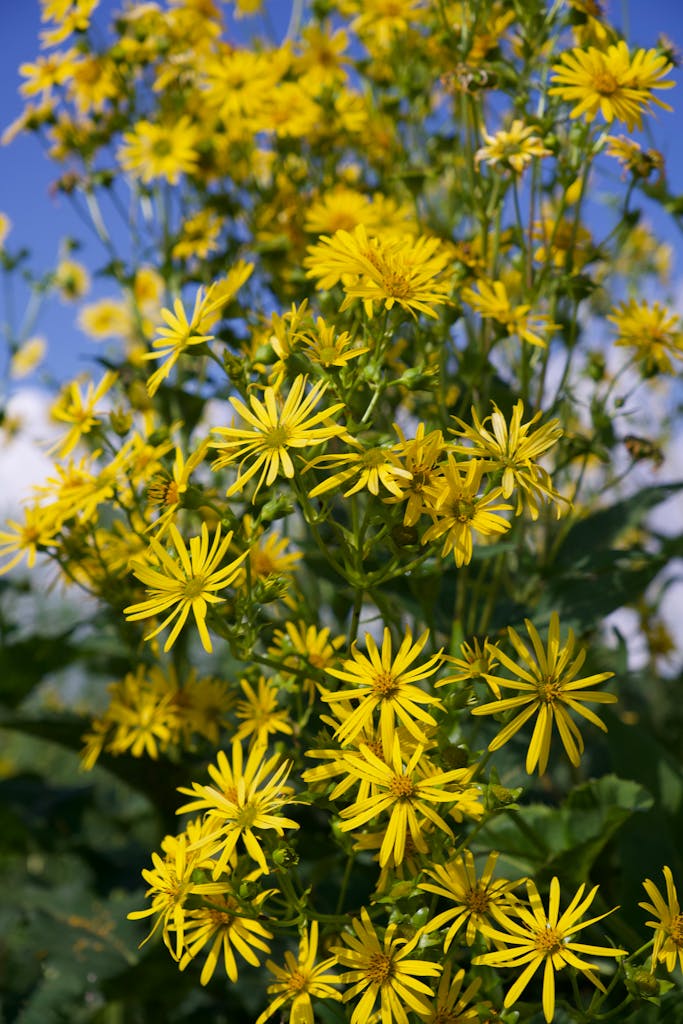
Ligularia differs from many yellow flowers because it tolerates shade, making it valuable for darker garden corners. The mistake is treating it like a drought-loving sun plant. Ligularia prefers moist soil and can struggle badly if planted in a hot, dry location.
This flower works best where the ground stays consistently damp, such as shaded borders, woodland-style gardens, or areas near water features. Its yellow spikes can brighten spaces that usually feel flat or forgotten. If your garden is shaded, Ligularia can be a better choice than forcing sun-loving flowers into the wrong place.
Conclusion
Yellow flowers can make your garden feel brighter, warmer, and more welcoming, but only when the plant matches the place. Sunflowers need space, daffodils and tulips need seasonal planning, lantana loves heat, tickseed and coneflower handle dry sunny spots, roses need care, false indigo tolerates tough soil, and ligularia brings yellow color into shade. The real mistake is choosing flowers by color alone rather than considering light, water, soil, height, and climate. When you match the right yellow flower to the right garden spot, your yard looks cheerful by design rather than accidentally crowded, faded, or high-maintenance.