The U.S. military has long treated food innovation as a strategic advantage. Feeding troops in remote or combat environments required solutions that were portable, nutritious, and shelf-stable.
Many of these military-driven innovations eventually left the battlefield and became staples in American households. From quick coffee to freeze-dried vegetables, the journey from military ration to kitchen essential is a fascinating story of science, logistics, and necessity.
Here, we explore ten foods and food technologies that owe their widespread availability or their very existence to the U.S. armed forces.
Instant Coffee
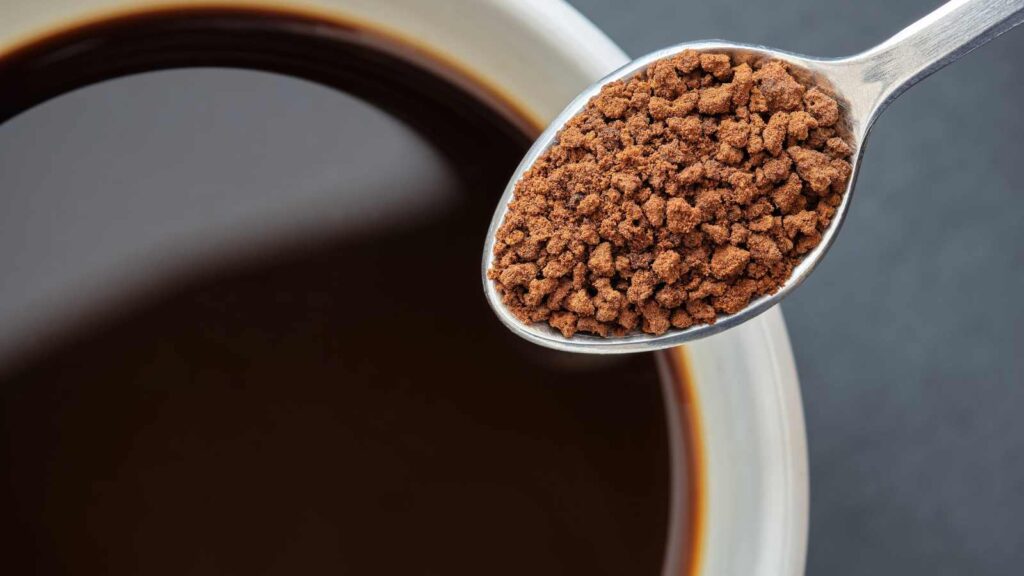
Instant coffee, as we know it, became a household staple thanks to military demand. Early experiments during the Spanish-American War aimed to develop a soluble coffee that soldiers could easily carry and prepare. World War I accelerated production, with companies like G. Washington Coffee supplying soldiers with dehydrated coffee cubes.
By World War II, the U.S. military purchased massive quantities of instant coffee, including Nestlé’s Nescafé. Soldiers returned home accustomed to the convenience, establishing instant coffee as a permanent supermarket favorite.
The process relied on dehydration techniques perfected under military contracts, combining shelf-stability with flavor retention.
Frozen Orange Juice Concentrate
Maintaining adequate Vitamin C intake for troops in remote or tropical zones led to the development of frozen orange juice concentrate. USDA scientists created a method to vacuum-concentrate and freeze orange juice while preserving flavor and nutrients.
Florida Foods Corp., later known as Minute Maid, scaled up production during World War II, supplying large quantities to the military. Although the war ended before full deployment, the technology allowed frozen orange juice to enter civilian markets quickly.
Mass-marketing campaigns, combined with military-tested quality, made frozen orange juice concentrate a staple on breakfast tables nationwide, bringing nutrition and convenience together.
Stale-Resistant Bread
Bread staling was a logistical challenge on battlefields for decades. Traditional loaves hardened quickly, leaving troops dependent on hardtack crackers.
In the 1950s, the U.S. Army funded researchers at Kansas State College to develop soft, shelf-stable bread. By manipulating starch crystallization with specific fatty acids and bacterial enzymes, scientists engineered loaves that retained softness for weeks.
This innovation became the foundation for modern supermarket sandwich bread and fast-food buns. Today’s long-lasting breads owe their texture and shelf life to military research that balanced palatability with storage requirements.
Restructured Meat Products
Efficient transportation and storage of meat led to the development of protein technology. The U.S. Army collaborated with the Natick Soldier Research, Development, and Engineering Center to develop uniform, shelf-stable meat rations. Lower-cost cuts were ground, blended with binders and flavorings, and pressed into standard shapes for freezing.
University of Nebraska scientists refined the process, influencing consumer products like Chicken McNuggets and the McRib. This approach minimized waste and enhanced consistency, transforming both military rations and fast-food offerings. Restructured meat technology remains a cornerstone of industrial meat production today.
Energy Bars
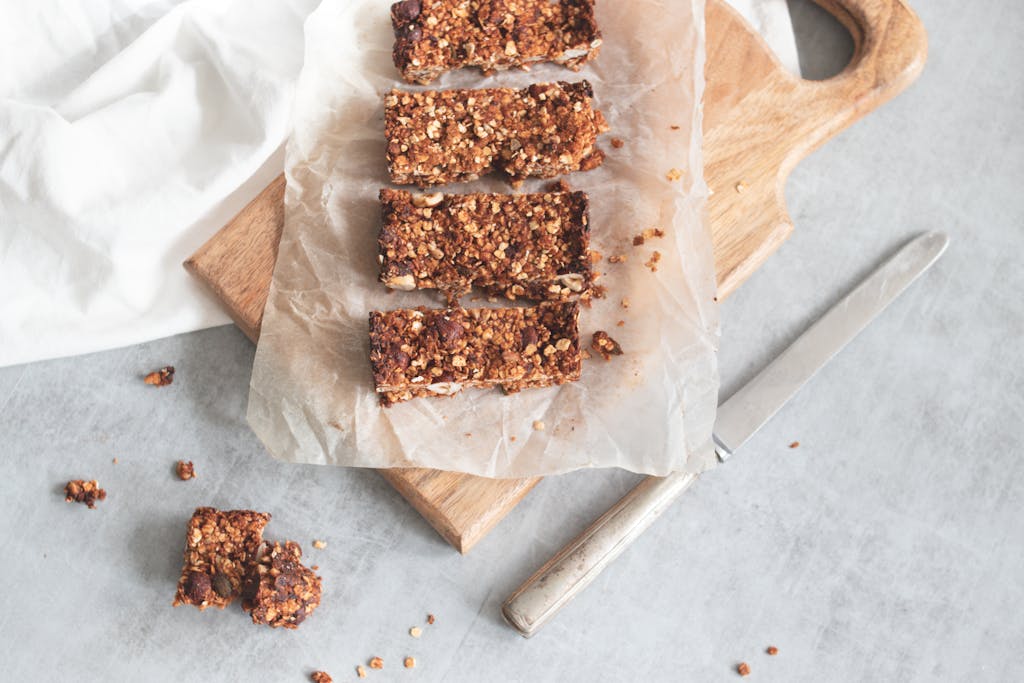
Emergency nutrition led to the development of calorie-dense energy bars. The U.S. Army’s Logan D ration, created in the late 1930s with Hershey, was fortified but intentionally unpalatable. Later, collaborations with NASA scientists led to the development of moisture-controlled, high-calorie bars suitable for space missions.
This research led to the development of the modern energy bar, combining portability, nutrition, and palatability. Pillsbury’s commercialization of Space Food Sticks paved the way for granola bars and protein bars in stores.
Military needs catalyzed the invention of a convenient, high-energy food format that continues to thrive in the consumer market.
Freeze-Drying Technology
Freeze-drying or lyophilization was perfected by the military to supply lightweight, non-perishable items. During World War II, MIT researchers developed methods to preserve medicines, blood plasma, and rations without refrigeration. The process involves freezing and lowering pressure so water sublimates, preserving structure, flavor, and nutrients.
Civilian adoption followed, allowing backpackers, astronauts, and consumers to access freeze-dried foods. From astronaut ice cream to instant soups, this technology transformed the way we store and consume long-lasting, lightweight foods, maintaining quality over extended periods.
Modified Atmosphere Packaging
The U.S. Navy’s initiative to reduce spoilage of fruits and vegetables led to the development of Modified Atmosphere Packaging (MAP). Controlling oxygen, nitrogen, and carbon dioxide levels within packaging slowed ripening and preserved freshness.
The Army scaled MAP for leafy greens during the Vietnam War, collaborating with companies to develop multilayered containers. Civilian adoption in the 1980s brought ready-to-eat salad kits to supermarkets, maintaining crispness and nutrient retention.
This military-driven innovation reshaped the consumption of fresh produce, extending shelf life without refrigeration.
Dehydrated Cheese Powder
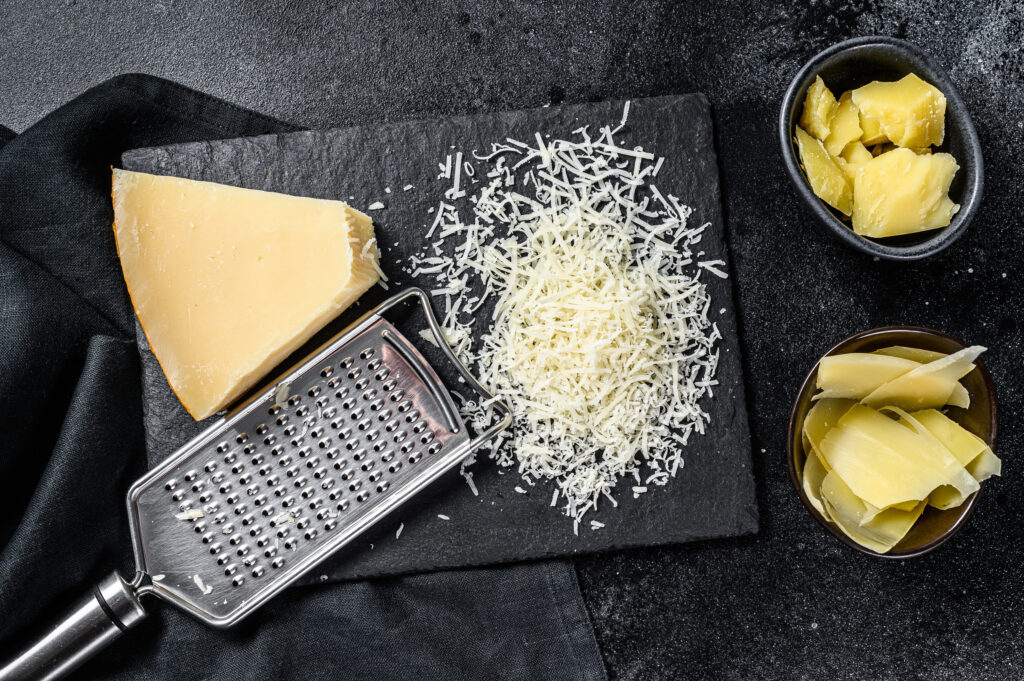
World War II’s demand for portable, lightweight protein prompted the creation of dehydrated cheese powder. USDA scientist George Sanders developed a method for drying, grinding, and blending cheese into a stable, shelf-stable form.
Kraft’s boxed macaroni and cheese benefited from this process, and Frito Company leveraged the technology for snacks like Cheetos. Dehydrated cheese powder remains central to countless products, from snack foods to boxed dinners.
The military’s need to transport and ration dairy effectively spurred a technological leap that transformed everyday cheese consumption.
Non-Melting Chocolate Bars
Before M&M’s, the U.S. Army faced the challenge of chocolate melting in hot climates. Hershey created the “D ration,” a highly fortified, non-melting bar that was initially bitter.
Improvements led to the Tropical Chocolate Bar, which was heat-resistant up to 120°F and was distributed extensively during World War II. Stabilization techniques for fats and sugar allowed chocolate to survive transportation without refrigeration.
The technology informed later candy coatings and snack bars, making non-melting chocolate a reliable treat in both military rations and civilian markets worldwide.
Potato Flakes
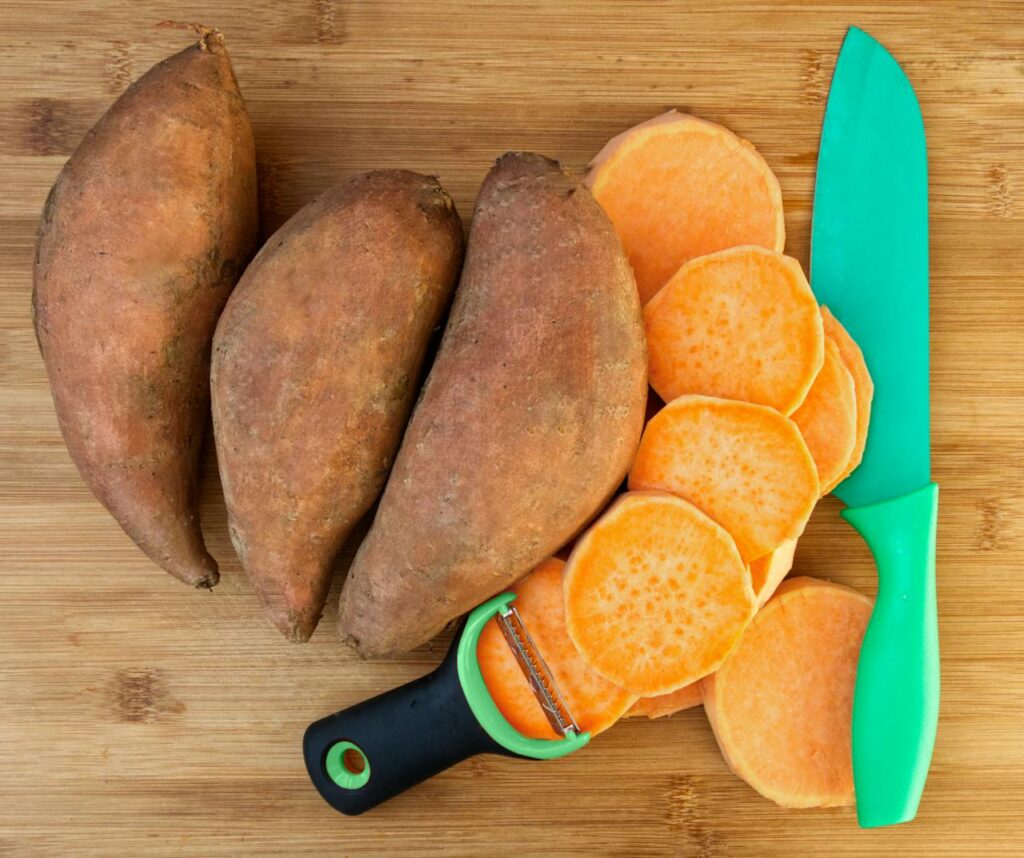
Instant mashed potatoes emerged from the need for lightweight, non-perishable starches for field rations. USDA researchers perfected flaking: cooking, mashing, cooling, and dehydrating potatoes into thin sheets.
When rehydrated, these flakes recreated the texture and taste of fresh potatoes. Pillsbury and Idahoan commercialized the process, bringing convenience to home kitchens.
Military requirements for compact, transportable starch directly shaped a product that remains a staple of quick meals and emergency food supplies, illustrating the lasting impact of battlefield-driven innovation.
Conclusion
The next time you pour a cup of instant coffee, pop an energy bar, or enjoy fluffy mashed potatoes, remember that these everyday foods started as military solutions to feed soldiers efficiently and safely. The U.S. military’s innovation pipeline has left a permanent imprint on American kitchens.