Your entryway is the first glimpse of your home for you and your guests. It is a transition zone meant to help you move smoothly from the outside world into your living space, and back out again. Because of this, the items you place there can make the area feel calm and functional or chaotic and cluttered. While it might be tempting to use this space as an easy dumping ground for everything that comes through the door, many common items can quickly overwhelm the area. To keep your entryway both welcoming and practical, be thoughtful about what you let stay there permanently.
At its best, an entryway houses only the things you need every single day: perhaps one pair of shoes you wear often, a set of keys, and a bag you use most frequently. Everything else should be moved to other parts of your home to preserve space, reduce visual clutter, and help keep daily routines running smoothly. What follows are ten things that, even though they often end up in entryways, don’t belong there if you want to keep your space organized and stress-free.
Shoes You Don’t Wear Often
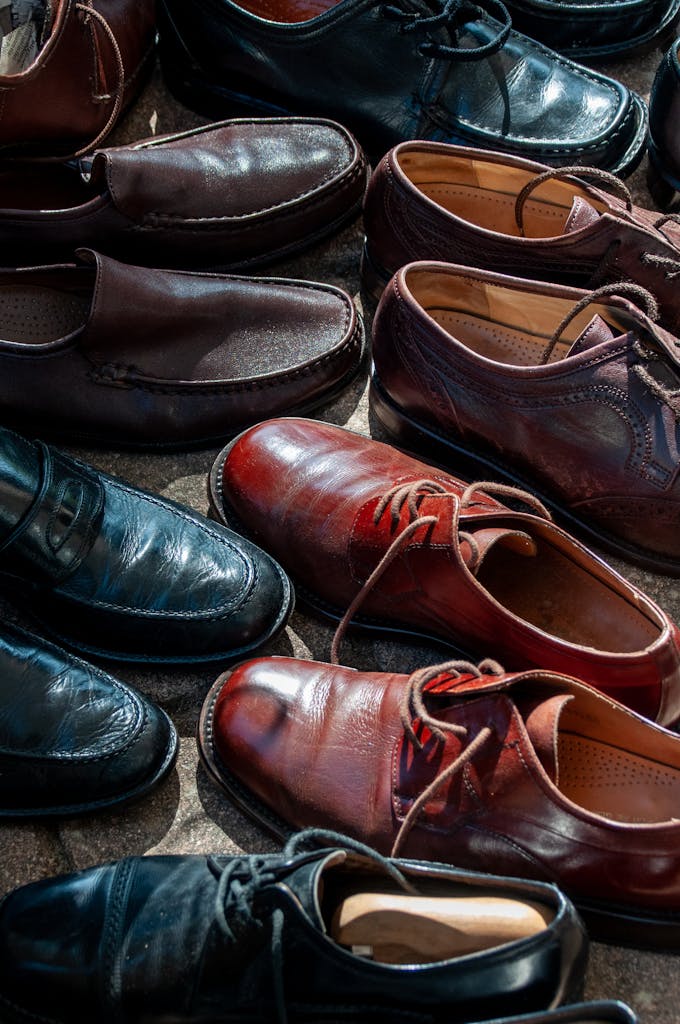
Many people assume every pair of shoes should find a spot near the door for convenience. However, doing this only creates unnecessary clutter. In reality, only the shoes you use day in and day out deserve that valuable real estate. Anything you put on infrequently just adds to a messy, overcrowded entryway. Special-occasion shoes or seasonal footwear are better stored in your bedroom closet or another designated shoe storage area, where they are out of the way but still easily accessible when needed.
Seasonal Outerwear You Won’t Wear Soon
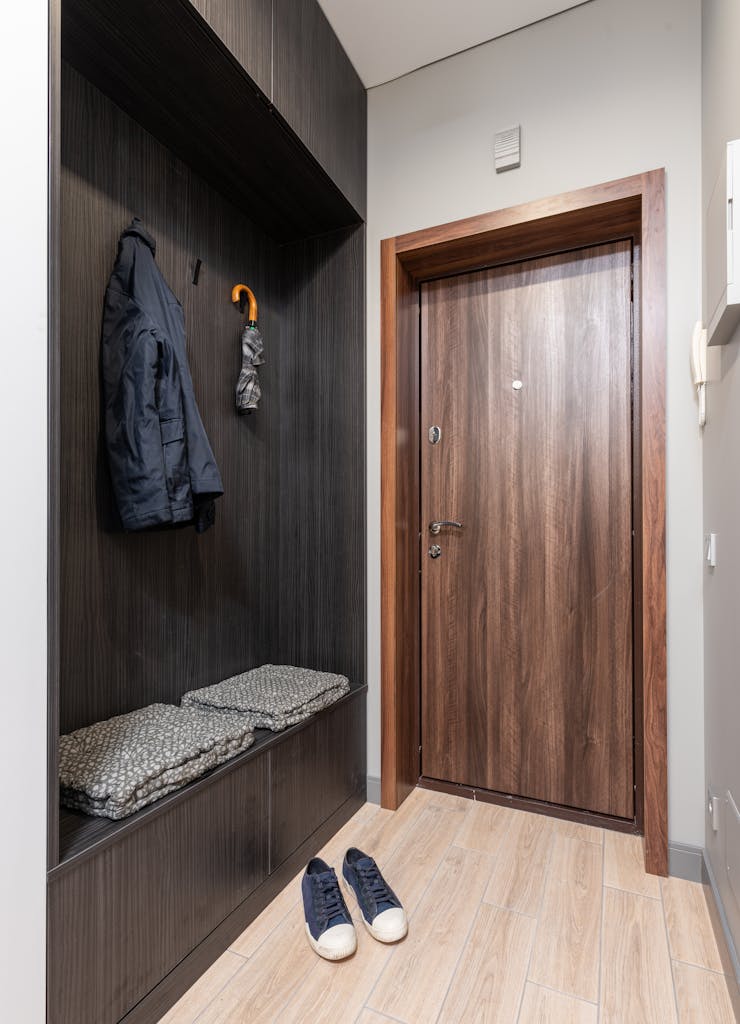
It’s all too easy to leave seasonal outerwear like heavy coats in the entryway during warmer months or light jackets in winter. But these items only serve to take up space that could be used by things you actually need for the current season. Instead of crowding your entryway with coats that are not relevant to the weather, store them away in long-term storage or a more appropriate wardrobe area, and rotate them as the seasons change.
Mail and Packages That Haven’t Been Sorted
Mail and packages are often dropped right by the door as soon as they come in, but they can quickly pile up and create an unsightly mess. Leaving these things around is an invitation for chaos and missed tasks. It’s far better to deal with them immediately or put them somewhere out of sight, like a desk or file system, where they won’t become a source of clutter and stress. This way, the entryway remains clear and organized, and you’re less likely to forget important pieces of mail.
Excess Decorative Items
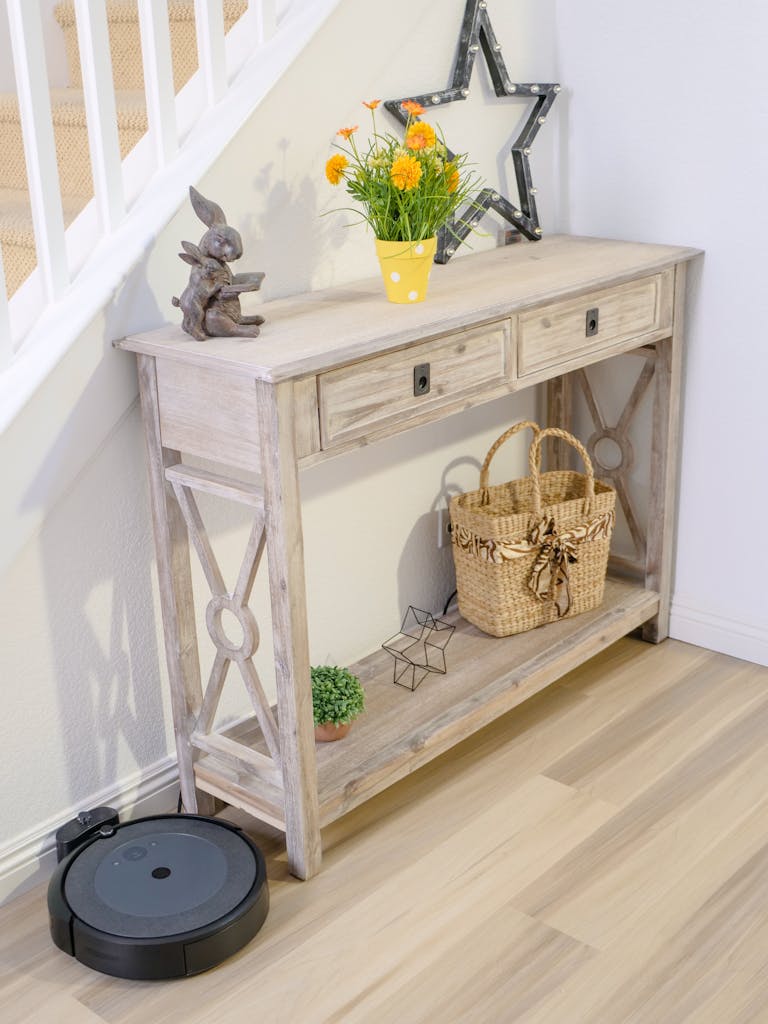
While it’s nice to personalize your entryway with decor like artwork or a mirror, too much decoration can clutter the space and defeat its purpose of offering a clean, functional greeting to your home. Extra decorative items, no matter how pretty, can make the space feel cramped and busy. Stick to a few meaningful pieces, such as a striking vase or a unique picture frame, and let the rest be kept in other areas of your home. Less truly is more in this case.
Too Many Bags
Backpacks, totes, purses, and reusable shopping bags often accumulate around the entryway hooks and chairs. While it’s understandable to place your bag somewhere convenient when you walk in, the entryway isn’t the place to leave every bag you own. Instead, limit the number of bags you keep here to only the ones you use most often, and store the rest in a closet or cupboard where they’re out of sight but easy to access when needed.
Spare Keys and Other Easy-to-Lose Valuables
Keeping spare keys, spare change, and other valuables in plain view by the front door might seem convenient, but it’s both insecure and clutter-inducing. It also doesn’t help when you’re looking for these items later on, they’re too easy to lose or forget. Store spare keys and other valuables in a locked drawer, key box, or another secure place, making it much easier to find them when you actually need them.
Items That Need To Be Returned Elsewhere
We’ve all dropped off books, borrowed items, or clothes that need to be returned to the store, thinking we’ll deal with it later. But leaving them by the door only makes it harder to remember to return them on time. Create a designated return station elsewhere in your home, perhaps near your car keys or your bag, where you’re more likely to remember to take them with you the next time you leave. This way, your entryway isn’t burdened by forgotten errands.
Packages and Shopping Bags Still Sealed
New packages, shopping bags, and boxes filled with items you haven’t yet unpacked often sit in the entryway, sometimes for weeks. But this clutter doesn’t help you organize your space, and it definitely doesn’t make it easier to enjoy your new purchases. Open and put away new items as soon as you bring them inside. Recycle or discard unnecessary packaging to keep your entryway clear and have the items ready for use without delay.
Excess Reusable Bags that Multiply
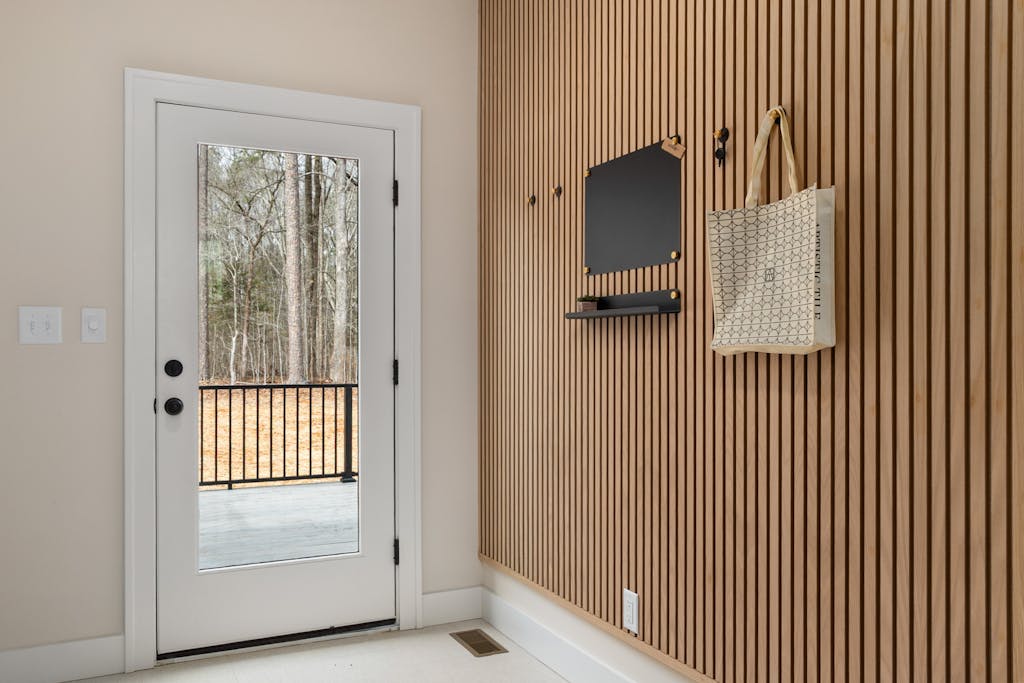
Reusable grocery bags are great for the environment, but they tend to multiply quickly and can spill out into your entryway if you’re not careful. Keeping too many of these bags around can make your space feel messy and disorganized. Store your reusable bags in your car, a kitchen drawer, or a dedicated closet, and rotate through the ones you need when you shop, leaving just a few at the door for quick access.
Random One‑Off Items Like Loose Tools or Chargers
Small gadgets, chargers, tools, and other one-off items can be dropped in the entryway during the rush of daily life, but these things create unnecessary clutter and can be hard to find when you actually need them. Instead of leaving them scattered near the door, designate a drawer or utility area in your home for these smaller, easy-to-miss items. That way, you can always find them when needed, and your entryway stays clear and welcoming.
Conclusion
A successful entryway strikes a balance between function and style. It should be easy to walk through, functional for everyday needs, and welcoming for both you and your guests. By avoiding the common mistake of storing unnecessary items in the entryway, you can keep the space clean, organized, and pleasant to use. Keep only the essentials within easy reach, and let everything else be stored elsewhere in your home where it belongs. This not only ensures your entryway remains clear but also helps you maintain a sense of calm as you move in and out of your home each day.