When it comes to owning a home, there are inevitable repairs that can quickly escalate into costly projects. Understanding which home repairs are the most expensive and how to prevent them can save homeowners thousands of dollars. In this article, we break down the priciest repairs, explain why they cost so much, and offer valuable insights on how to maintain your home to avoid these financial burdens.
Foundation Problems
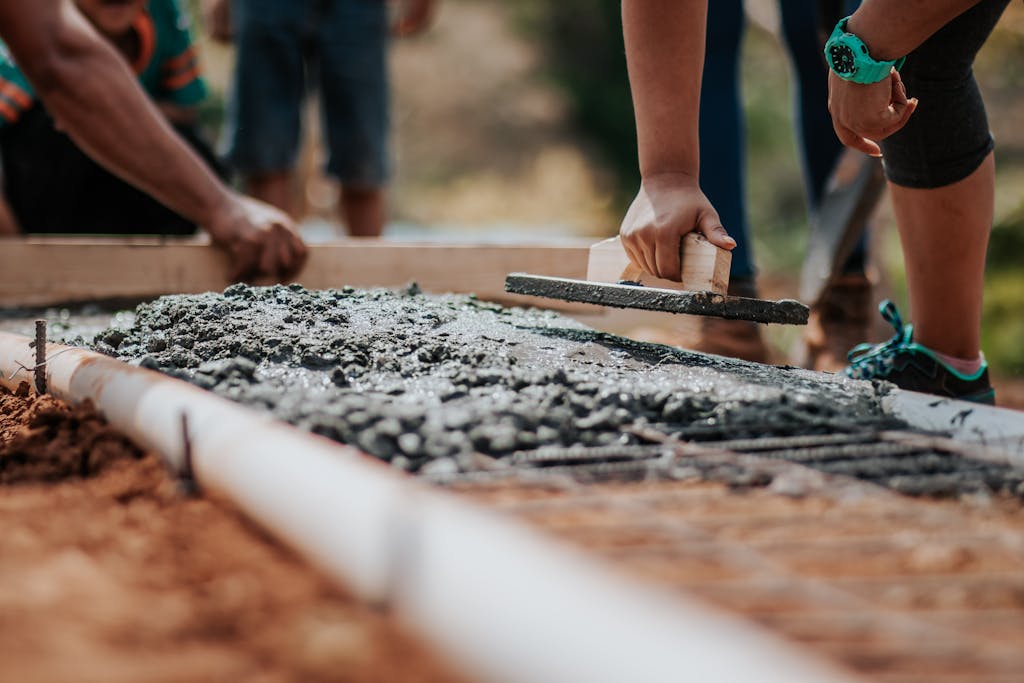
The foundation is the backbone of any house, and when it starts to crack or shift, the consequences are severe. Foundation repairs can cost anywhere from $5,000 to $40,000, depending on the extent of the damage and the type of repair required. Issues such as soil movement, water damage, or poor initial construction can contribute to foundation problems. If left unaddressed, small cracks can lead to significant structural issues, affecting the stability of your entire home.
Roof Replacement
A damaged or aging roof is one of the most common and expensive home repairs. Replacing a roof can cost anywhere from $5,000 to $15,000, depending on the size and material of your roof. The cost may rise significantly if there are underlying issues such as rotting wood or damaged shingles. Additionally, roofing repairs require professional installation to ensure long-term durability and protection against the elements.
Plumbing Repairs

Plumbing issues, particularly problems with pipes and water lines, can be costly and disruptive. A major plumbing overhaul, including pipe replacement, can cost $3,000 to $10,000 or more. Older homes with outdated pipes are more prone to leaks, clogs, and bursts, leading to significant water damage and costly repairs. Early detection of leaks and water pressure issues is crucial to minimizing costs.
HVAC System Repair and Replacement
An HVAC system is essential for comfort, but its repair and replacement can quickly become one of the most expensive home repairs. Replacing an HVAC system can cost anywhere between $6,000 and $12,000, depending on the type of system and the size of your home. Poor maintenance, such as failing to replace air filters or ignoring system malfunctions, can lead to more frequent breakdowns and expensive repairs.
Electrical System Overhaul
Electrical system repairs are critical to your home’s safety and functionality, but they are also among the most expensive. Rewiring a home or upgrading electrical panels can cost $2,000 to $10,000, depending on the complexity of the system. Homes with outdated wiring are not only dangerous but also inefficient, leading to higher energy costs and a higher risk of electrical fires.
Water Damage

Water damage can occur from a variety of sources, including broken pipes, flooding, or roof leaks. The cost to repair water damage depends on the extent of the issue, ranging from $1,000 to $10,000 or more. Water damage can destroy flooring, drywall, and insulation, and, if not addressed promptly, can lead to mold growth, which requires additional, expensive remediation.
Pest Control and Damage Repair
Termites and other pests can cause extensive damage to a home’s structure, leading to costly repairs. A termite infestation, for instance, can cost homeowners an average of $3,000 to $10,000 to repair, depending on the extent of the damage. Pests can also damage electrical wires, insulation, and plumbing, further driving up repair costs. Prompt pest control treatments and regular inspections can prevent extensive damage.
Major Appliance Failure
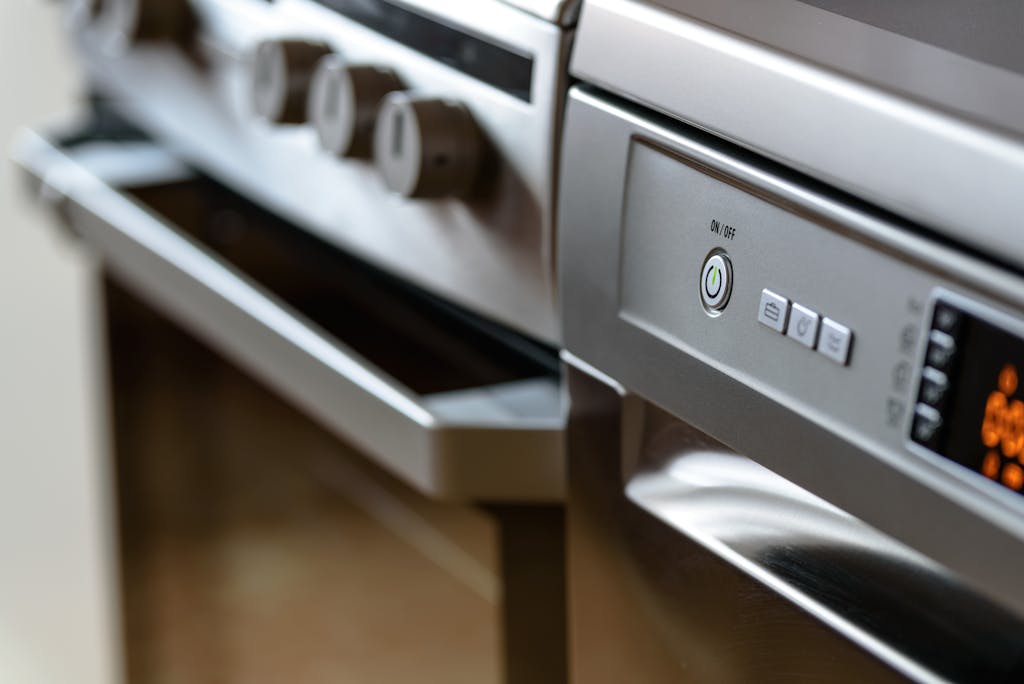
Replacing major home appliances, such as refrigerators, ovens, or washing machines, can be an expensive undertaking. Depending on the appliance, a replacement can cost between $500 and $5,000. While appliance failure is inevitable over time, the cost can be mitigated by regularly servicing your appliances and extending their lifespan.
Mold Remediation
Mold growth is more than just an aesthetic problem; it can significantly damage your home’s structure and pose health risks. The cost of mold removal ranges from $1,000 to $5,000, depending on the extent of the growth and the materials affected. Mold can grow in hidden areas, such as behind walls or under floors, making early detection and timely action essential.
Conclusion
By understanding the most expensive home repairs and taking proactive steps to prevent them, homeowners can save substantial amounts of money. Regular maintenance, inspections, and timely repairs can prevent small issues from escalating into costly disasters. Whether you’re dealing with plumbing issues, foundation problems, or pests, staying ahead of potential problems is crucial for maintaining your home’s value and avoiding financial strain.