Cold water has become the hero of modern laundry advice, and for good reason. It saves energy, helps protect color, reduces shrinking, and keeps many everyday clothes from wearing out too quickly. For jeans, dark shirts, lightly worn office clothes, and delicate fabrics, cold water often does a fine job. It is gentle, affordable, and easy to trust.
But that trust becomes a problem when every load gets treated the same way. Some laundry carries body oils, grease, bacteria, sweat, mildew, food residue, pet dander, and odors that cold water may struggle to remove. A shirt worn for two hours is not the same as a kitchen towel cleaned of raw chicken juice from a counter. A blanket used by a sick child is not the same as a pair of black leggings worn once to run errands.
That is where many households go wrong. Cold water may make laundry look clean, but some items need warm or hot water to actually feel fresh and sanitary. The trick is not to use hot water on everything, because that can shrink clothes, fade colors, and damage fabric. The smarter habit is knowing when cold water is too weak for the job, then choosing the warmest safe setting on the care label.
Kitchen Towels

Kitchen towels have one of the dirtiest jobs in the home. They dry dishes, wipe wet counters, clean spills, handle sticky fingers, and sometimes get dragged across surfaces that have been touched by raw meat, eggs, oil, sauces, or crumbs. By the end of the day, a towel that still looks decent may harbor food residue, grease, moisture, and bacteria deep in its fibers. Cold water can rinse away some surface dirt, but it often lacks the power to break down oily buildup or fully remove stubborn smells.
That is why kitchen towels should usually be washed in warm or hot water, depending on the fabric label. Heat helps detergent work more effectively, especially when grease and food particles are present. Wash them separately from clothes, underwear, baby items, or bath linens, because kitchen towels can carry messes you do not want to spread through the whole load. If a towel smells sour after washing, that is a clear sign it needs a hotter wash, less machine crowding, or a deeper cleaning routine.
Bath Towels
Bath towels seem clean because they mostly come into contact with clean bodies, but that is a comforting half-truth. After a shower, towels absorb water, body oils, dead skin, soap residue, lotion, deodorant traces, and bathroom humidity. When they hang in a damp space, they can develop a musty smell that refuses to go away. Cold water may freshen the towel slightly, but it can leave behind the buildup that makes towels feel stiff and smell stale.
Warm or hot water is usually better for cotton bath towels, especially white or light-colored ones. It helps lift oils, giving the detergent a better chance to remove trapped odor. Do not overload the washer, because towels need plenty of room to move, rinse, and release grime. Also, avoid using too much detergent, because extra soap does not mean extra clean; it can cling to towel fibers and create the rough, waxy feeling people often blame on the towel itself.
Bathmats
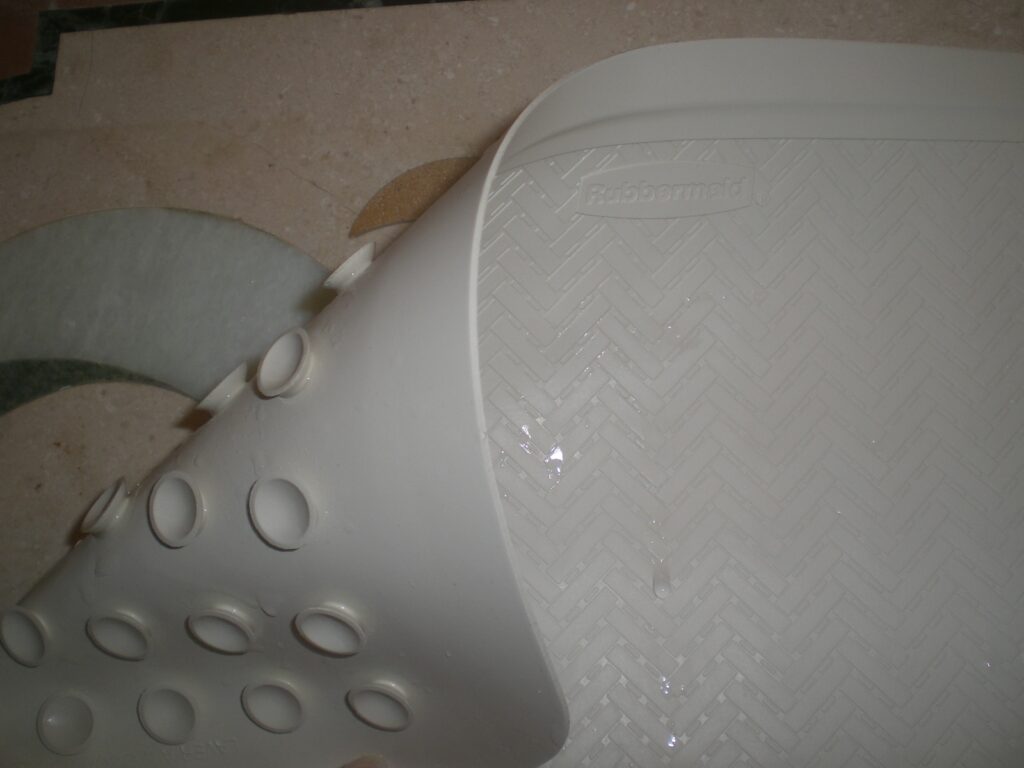
Bath mats deserve a stronger wash than most people give them. They sit on damp bathroom floors, collect wet footprints, trap hair, absorb shower moisture, and often remain in a room with poor air circulation. Some also sit close to toilets, which makes the situation even less pleasant. Cold water is often too gentle for something that spends its life soaking up floor moisture and bathroom grime.
Wash washable bathmats in warm or hot water when the care label allows it. Rubber-backed mats need special caution because very hot water and high dryer heat can weaken or crack the backing. For those, warm water may be safer than hot water, and air-drying may be smarter than a harsh dryer cycle. If a bathmat smells musty even after washing, it may need to be washed alone, rinsed well, dried completely, or replaced if the backing has started trapping odor.
Cleaning Rags

Cleaning rags are not ordinary laundry. They wipe dust, soap scum, cooking splatter, bathroom counters, sinks, appliance handles, window tracks, and sometimes things nobody wants to name out loud. They can also carry traces of cleaning chemicals, oils, dirt, germs, and residue from every surface they touch. Throwing them into cold water with regular clothes is one of those habits that feels harmless until you think about what those rags actually cleaned.
These clothes should be washed separately in warm or hot water. If they are heavily soiled, rinse them before placing them in the washer so the machine is not forced to swim through mud, grease, or bathroom residue. Avoid fabric softener, as it can coat cleaning cloths, making them less absorbent. A cleaning rag should come out ready to clean again, not smelling like the mess it removed.
Reusable Grocery Bags

Reusable grocery bags are practical, eco-friendly, and surprisingly dirty. They carry fresh produce, dusty cans, leaking cartons, meat packages, frozen foods, takeout containers, and random items from car trunks and shopping carts. Many people use them for months without washing them once. That turns a smart shopping habit into a quiet hygiene problem.
Cold water may not be enough for fabric bags that have carried raw meat packaging, spilled juice, damp produce, or leaking containers. Wash cloth grocery bags in warm or hot water if the label allows, then dry them fully before storing. Use separate bags for meat, produce, and household cleaners so the mess does not travel across categories. A reusable bag should reduce waste, not become a portable home for food residue and odors.
Workout Clothes
Workout clothes are complicated because many are made from stretchy, moisture-wicking fabrics that dislike too much heat. Still, cold water alone can struggle against sweat, bacteria, deodorant buildup, and body oils trapped in synthetic fibers. That is why gym clothes can smell clean when they come out of the washer, then suddenly smell terrible once body heat revives the old odor. The fabric may be washed, but the stink is still hiding.
For heavily sweaty workout clothes, use warm water when the care label allows it. Turn garments inside out before washing because the dirtiest side is the one that touches your skin. Use a detergent designed for sportswear or one with enzymes that can break down odor-causing buildup. Skip fabric softener completely, because it can coat performance fabric, block moisture-wicking ability, and trap the very smells you are trying to remove.
Pet Bedding
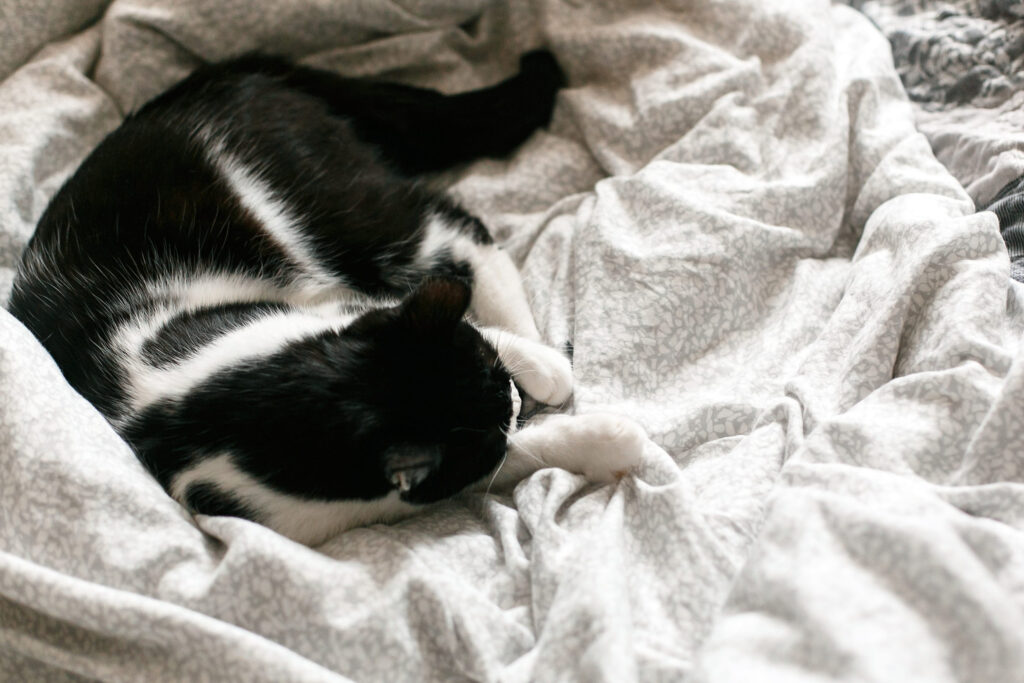
Pet bedding carries the full biography of your pet’s day. It collects fur, dander, saliva, muddy paws, outdoor dust, food crumbs, flea dirt, and that unmistakable animal smell that seems to settle into fabric like it pays rent. A quick cold wash may make the blanket look better, but it often does not fully remove odor or grime. If the pet bed still smells like your dog or cat after washing, cold water likely didn’t go deep enough.
Wash pet blankets, washable bed covers, and fabric toys in warm or hot water when the care instructions allow. Shake off loose fur before washing so it does not clog the machine or coat the rest of the load. Use a separate wash for human bedding and clothes, especially if anyone in the home has allergies. Dry everything fully before giving it back to your pet, because damp bedding can develop mildew smells fast.
White Socks

White socks live a rough life. They absorb foot sweat, shoe odor, floor dust, outdoor grime, and mystery stains that seem to appear even when nobody remembers stepping in anything. Cold water can leave them looking gray, tired, and permanently worn out. Once dirt and body oils settle into the fibers, white socks become harder to brighten.
Warm or hot water works better for cotton white socks because it helps loosen oils and dirt. Wash them with other whites rather than tossing them in with dark clothes, which can dull their color. Pretreat stained heels and soles before washing, especially if the socks are muddy or heavily soiled. If your white socks always come out looking defeated, the problem may not be the socks; it may be the cold-water cycle.
Greasy Clothes
Grease is one of cold water’s biggest enemies. Cooking oil, butter, salad dressing, lotion, makeup, mechanic grease, and food splatter can cling stubbornly to fabric. Cold water often keeps the grease in place, so the stain survives the wash and may become harder to remove later. Once a greasy item goes through the dryer, the stain can set and become almost impossible to erase.
Use the warmest water the fabric can safely handle, and pretreat the stain before washing. A small amount of liquid detergent worked into the stain can help break down oil before the machine does the rest. Always check the stain before drying, because dryer heat can lock it in for good. Grease is annoying, but quick action and warmer water give you a much better chance.
Clothes and Linens Used During Illness
Laundry from a sick household needs extra care. Sheets, pillowcases, pajamas, towels, washcloths, blankets, and clothes used during illness can carry sweat, body fluids, mucus, germs, and strong odors. Cold water may remove visible dirt, but it may not provide the deeper clean people expect after flu, stomach bugs, or infections pass through the home. This is one category where “good enough” can feel a little too risky.
Use hot water or a sanitize cycle when the fabric label allows it. Wash sick-day items separately from everyday laundry, and dry them thoroughly. If hot water is not safe for the fabric, use a laundry sanitizer designed for cold or warm washes. After handling the laundry, wash your hands and avoid shaking items too much, because that can spread particles into the air.
Baby Burp Cloths and Bibs
Baby laundry may look tiny and sweet, but it can carry a lot. Burp cloths and bibs catch milk, formula, spit-up, drool, pureed food, and sometimes diaper-area accidents during chaotic moments. Cold water may not fully remove milk proteins, sour smells, or food stains. That is why baby clothes can look clean but still smell faintly unpleasant.
Warm water usually gives detergent a better chance to break down the mess. Use a gentle detergent if the baby has sensitive skin, and avoid strong fragrances that can irritate. Pretreat stains quickly because formula, carrots, berries, and baby food can set fast. These items touch a baby’s face and skin, so they deserve more than a lazy rinse.
Underwear After Heavy Sweating
Underwear is not always a cold-water candidate, especially after workouts, in hot weather, during illness, or on long travel days. It absorbs sweat, body oils, bacteria, and odor in areas where fabric sits close to the skin for hours. Cold water can clean lightly worn underwear, but heavily soiled pieces need a stronger wash. This is less about being dramatic and more about basic hygiene.
Use warm or hot water when the fabric allows, especially for cotton underwear. Delicate fabrics may need a gentler approach, so always check the care label. Wash underwear separately from kitchen towels or cleaning rags, because those items carry very different kinds of mess. The goal is simple: clean fabric that actually feels fresh against the skin.
Cloth Napkins
Cloth napkins look elegant on the table, but they take direct hits from food, oil, lipstick, sauces, butter, and sticky fingers. Cold water may remove crumbs and light marks, but it can struggle with greasy food stains. Over time, napkins washed only in cold water can develop dull spots, faint odors, or yellowish marks around old stains.
Warm water is usually better, especially for cotton or linen napkins that have been used for a real meal. Pretreat visible stains before washing, particularly tomato sauce, gravy, chocolate, and oil. Wash them with similar fabrics and avoid mixing them with heavy towels, as this can cause extra wear. Cloth napkins should look crisp and fresh, not like they still remember last Sunday’s dinner.
Pillowcases
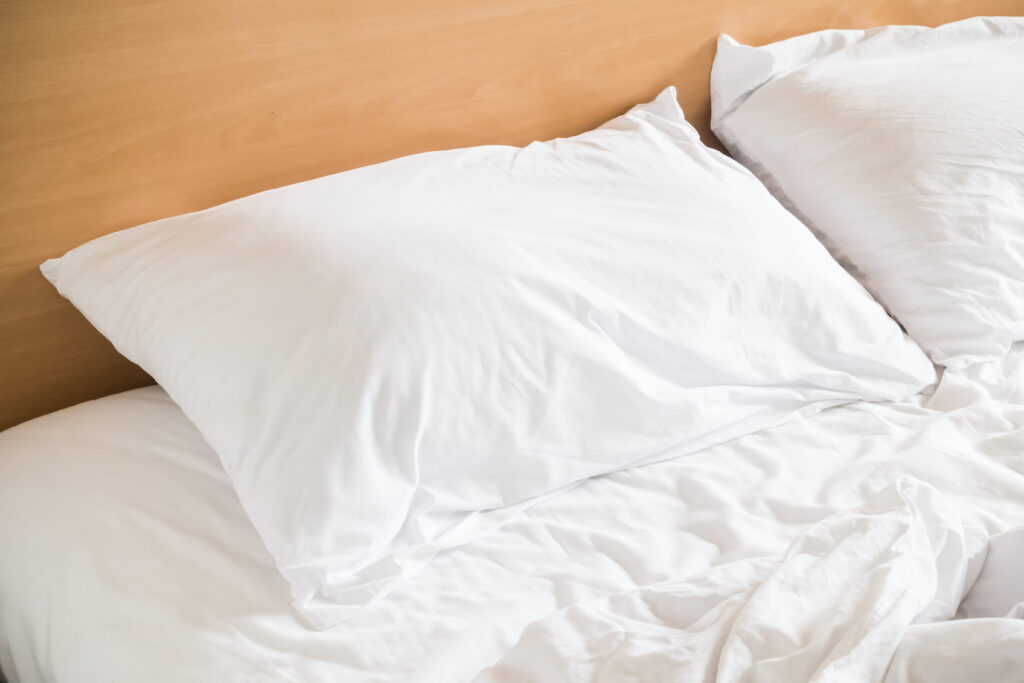
Pillowcases collect more than sleep. They absorb facial oils, hair products, sweat, skincare creams, makeup residue, drool, and dead skin. Cold water may work for lightly used pillowcases, but it can struggle when oils and product buildup settle into the fabric. That buildup can also leave pillowcases smelling stale or feeling less fresh against the face.
Warm water is often the better choice for cotton pillowcases, especially white or light-colored ones. If you use heavy hair oils, night creams, or makeup, pretreat stained areas before washing. Wash pillowcases regularly, not just when the whole sheet set feels ready. Your face spends hours pressed into that fabric, so it deserves a deeper clean.
Conclusion
Cold water is useful, but it should not be treated like a one-size-fits-all solution. It protects color, saves energy, and works well for many lightly worn clothes. But some items carry heavier messes than cold water can handle. Towels, kitchen cloths, bath mats, pet bedding, greasy clothes, workout gear, sick-day linens, and baby cloths often need warm or hot water to come out truly clean.
The best laundry routine is not complicated. Sort by fabric, color, and soil level. Read the care label before choosing water temperature. Use cold water for delicate and lightly worn items, then bring in warm or hot water when laundry has grease, odors, bacteria, body oils, or heavy dirt. That simple shift can make clothes smell better, towels feel fresher, and your whole home feel cleaner.