Sumac looks like a quiet little spice until it lands on food, and then it wakes everything up. That deep red powder brings a sour, lemony kick that can make grilled meat, roasted vegetables, dips, salads, and grains taste brighter in seconds. The problem is that many home cooks either ignore it entirely or use it incorrectly.
That is where the trouble starts. Sumac is not just a pretty garnish, and it is not the same as pouring lemon juice over everything. Used well, it adds sharpness, color, and depth. Used poorly, it gets lost, tastes dusty, or turns a good dish into something confusing.
Treating Sumac Like Decoration Instead of Flavor
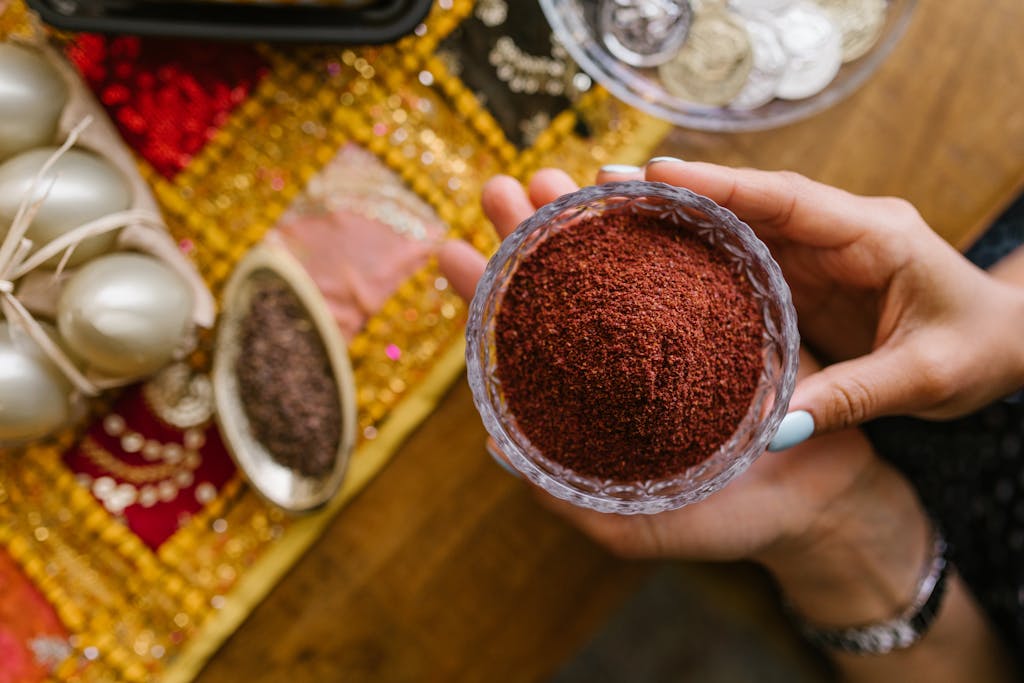
The biggest mistake is thinking sumac is only there to make food look fancy. Many people see its deep red color and sprinkle it lightly over hummus, eggs, or salads as if it were edible confetti. That looks nice, but it misses the whole point.
Sumac brings a tart, citrus-like flavor that can balance rich, fatty, creamy, or smoky foods. It cuts through heavy dishes the way lemon does, but with a softer, earthier edge. When you use only a tiny pinch, the flavor may disappear before anyone notices it.
This is especially frustrating because sumac works beautifully on everyday foods. It can lift roasted potatoes, grilled chicken, chickpeas, rice bowls, cucumber salads, avocado toast, or plain yogurt dips. A generous finishing sprinkle can make a simple dish taste more intentional.
The smarter move is to taste as you go. Add a little, stir or toss, then add more until the food feels brighter. Sumac should not shout, but it should be noticeable.
Using It Like Salt and Expecting the Same Result

Sumac can make food taste more alive, but it does not replace salt. That mistake leads to bland cooking because people expect sumac to do too much. It adds tang, not full seasoning power.
Salt pulls flavors forward and helps ingredients taste more like themselves. Sumac adds sourness, color, and a lightly fruity edge. The two work best together, especially on vegetables, meats, grains, and dips.
Think of sumac as a brightness tool. If your food tastes flat, salt may fix one part of the problem, and sumac may fix another. A tomato salad, for example, may need salt for juiciness and sumac for punch.
This matters most with mild foods. Plain rice, roasted cauliflower, lentils, eggs, and chicken breast can all taste dull without enough basic seasoning. Sumac can help, but it needs a solid foundation.
Adding Sumac Too Early in High Heat Cooking
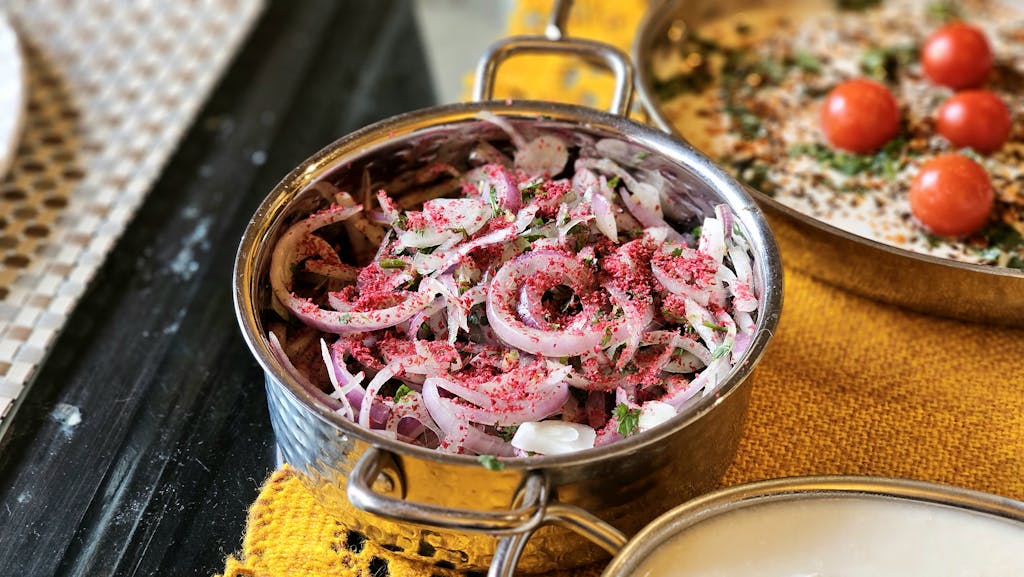
Sumac is often best used as a finishing spice. One mistake people make is throwing it into a hot pan too early, then wondering why the flavor fades. Long cooking can dull its fresh, tangy character.
That does not mean sumac can never come into contact with heat. It can work in marinades, rubs, and roasted dishes, especially when paired with olive oil, garlic, herbs, or yogurt. Still, if you want its bright lemony bite to stand out, save some for the end.
This is a simple trick with big results. Roast vegetables with oil, salt, and pepper, then toss them with sumac right before serving. Grill chicken or fish, then dust sumac over the top after it comes off the heat.
The same rule works for dips and salads. Hummus, labneh, baba ganoush, fattoush, and cucumber salads all benefit from a final hit of sumac. It keeps the flavor sharp instead of buried.
Forgetting That Sumac Loves Fat
Sumac can taste harsh or powdery when it sits dry on food with nothing to cling to. That is why it pairs so well with olive oil, yogurt, tahini, roasted meat juices, avocado, nuts, and creamy dips. Fat gives sumac a place to bloom.
This is one reason it works so well in Middle Eastern-inspired food. A drizzle of olive oil over hummus, followed by a dusting of sumac, creates flavor, color, and texture in one move. The spice does not just sit on top; it becomes part of the bite.
Try mixing sumac into a simple dressing with olive oil, lemon juice, garlic, salt, and a little honey. It gives salads a bold, tangy edge without making them taste sour in a sharp vinegar-heavy way. It also works well in yogurt sauces for grilled meat, roasted vegetables, or pita.
This mistake is easy to fix. When sumac tastes dusty, do not immediately blame the spice. Add moisture, fat, or both, then taste again.
Ignoring Sumac When Food Needs a Wake-Up Call
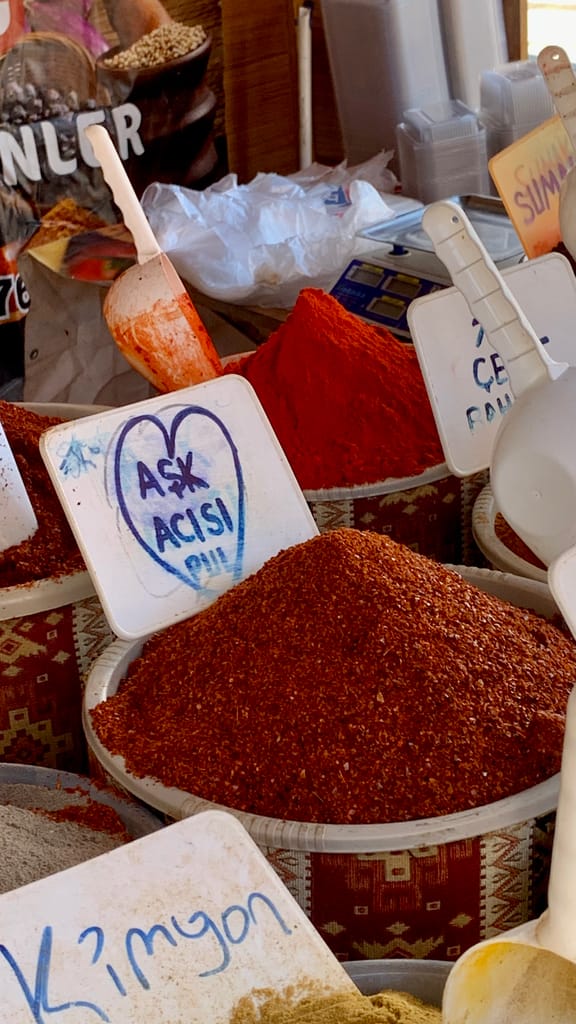
Many people reach for lemon, vinegar, hot sauce, or extra cheese whenever food tastes boring. Those options can work, but they can also overpower a dish. Sumac gives you another way to brighten food without making it wet, spicy, or heavy.
That matters when you want freshness without adding liquid. Lemon juice can make crispy foods soggy, and vinegar can dominate delicate flavors. Sumac adds tang in dry form, making it perfect for fries, roasted chickpeas, popcorn, flatbread, grilled corn, or crunchy salads.
It also helps leftovers feel less tired. Yesterday’s roasted vegetables, rice, chicken, or lentils can taste completely different with olive oil, fresh herbs, and a dusting of sumac. The flavor feels lively without needing a complicated sauce.
The key is to stop treating sumac like a specialty ingredient that only belongs in certain cuisines. It can fit into weeknight cooking with ease. Use it anywhere you want a lemony lift, a rich red finish, and a little surprise.
Conclusion
Sumac is one of those spices that quietly exposes lazy cooking. When food tastes dull, heavy, or one-note, it can add the bright edge that makes people take another bite. The danger is using it too timidly, too early, or without the right balance of salt, fat, and moisture.
Once you understand how it behaves, sumac becomes easy to use. Sprinkle it over dips, stir it into dressings, toss it with roasted vegetables, dust it over grilled meat, or use it to revive leftovers that need a boost. A small jar can do a lot of work, but only when it leaves the back of the spice cabinet.