A home can look spotless and still smell like something is quietly plotting against your peace. That is the frustrating part. You wipe the counters, fluff the pillows, spray something floral, and somehow the air still feels stale, damp, or oddly sour.
The problem is that bad smells rarely come from a single obvious place. They hide in soft fabrics, drains, bins, wet towels, forgotten leftovers, and corners that do not scream for attention until guests are five minutes away. A truly fresh home does not need to smell like perfume. It needs to smell clean, dry, and airy, with no funk.
You Ignore Moisture Until the Room Smells Damp

Moisture is one of the biggest reasons a home starts smelling unpleasant. Bathrooms, laundry rooms, kitchens, closets, and poorly ventilated bedrooms can trap damp air, especially after showers, cooking, or drying clothes indoors. Once moisture settles into towels, rugs, curtains, or corners, the room can develop that musty smell people often mistake for “old house” odor.
The fix is simple, but it needs to be consistent. Hang towels properly, dry bath mats after use, open bathroom windows when possible, and run fans after showers. Avoid leaving wet sponges, dishcloths, or laundry sitting around, as they can sour quickly. If one room always feels heavy or damp, use a moisture absorber or dehumidifier. A house smells fresher when the air feels dry, not swampy.
Your Trash Can Is Cleaner on the Outside Than the Inside

Taking out the trash is good, but it does not solve everything. The inside of the bin can hold leaks from food packaging, meat trays, fruit peels, coffee grounds, and spoiled scraps. Even when the bag is gone, the smell stays behind like an unpaid bill. Kitchen bins, diaper pails, bathroom bins, and pet waste containers are often the real villains.
Wash the bin itself every week or two, especially the lid and bottom. Use hot water, dish soap, and a disinfecting cleaner, then let it dry fully before adding a new bag. Sprinkle baking soda at the bottom if smells return quickly. Smaller trash cans can also help because they force you to empty them before odors have time to build. A fresh-smelling house starts with removing the source, not spraying vanilla over last night’s garbage.
Your Fridge Is Secretly Perfuming the Kitchen
The refrigerator can quietly ruin the smell of an entire kitchen. Old leftovers, half-used condiments, cut onions, spilled sauces, soft vegetables, and forgotten containers at the back can create a sour smell that escapes every time the door opens. Because the fridge is closed most of the day, those odors become concentrated and stubborn.
Do a quick fridge check once a week and a deeper clean once a month. Toss expired items, wipe down sticky shelves, wash drawers, and keep strong-smelling foods tightly sealed. Use warm, soapy water for removable shelves and a mild cleaning solution for the interior. A small open box of baking soda can help absorb everyday odors, but it cannot rescue a fridge filled with forgotten food. Clean first, deodorize second.
Your Sofa, Rugs, and Curtains Are Holding Old Smells Hostage

Soft surfaces are sneaky. They absorb sweat, pet odor, cooking smells, smoke, dust, and spills long after the room looks clean. A sofa may look perfect, but still carry the smell of movie nights, takeout dinners, wet dog naps, and everyday living. Rugs and curtains do the same thing, especially in rooms with poor airflow.
Vacuum carpets and upholstery often, and do not skip under cushions. Wash throw blankets, pillow covers, curtains, and removable fabric covers whenever the care label allows it. For rugs, sprinkle baking soda, let it sit for a while, then vacuum thoroughly. Treat pet accidents and food spills immediately because dried stains often continue to release odor. A home smells noticeably better when fabrics are fresh, not just visually tidy.
You Keep the Windows Shut and Let Stale Air Win
A closed-up house can smell stale even when nothing is technically dirty. Cooking, cleaning products, body odors, laundry, pets, candles, and everyday activities all change the air indoors. Without ventilation, the scent becomes flat and trapped. That is why a room can feel instantly better after one window opens.
Open windows for a short period each day when the weather allows, especially after cooking or cleaning. Create a cross breeze by opening windows on opposite sides of the home. Use exhaust fans in the kitchen and bathroom, and let ceiling fans circulate air. Fresh air is one of the cheapest ways to make a house smell better. It does not cover odors. It pushes them out.
Your Drains and Toilets Are Dirtier Than They Look
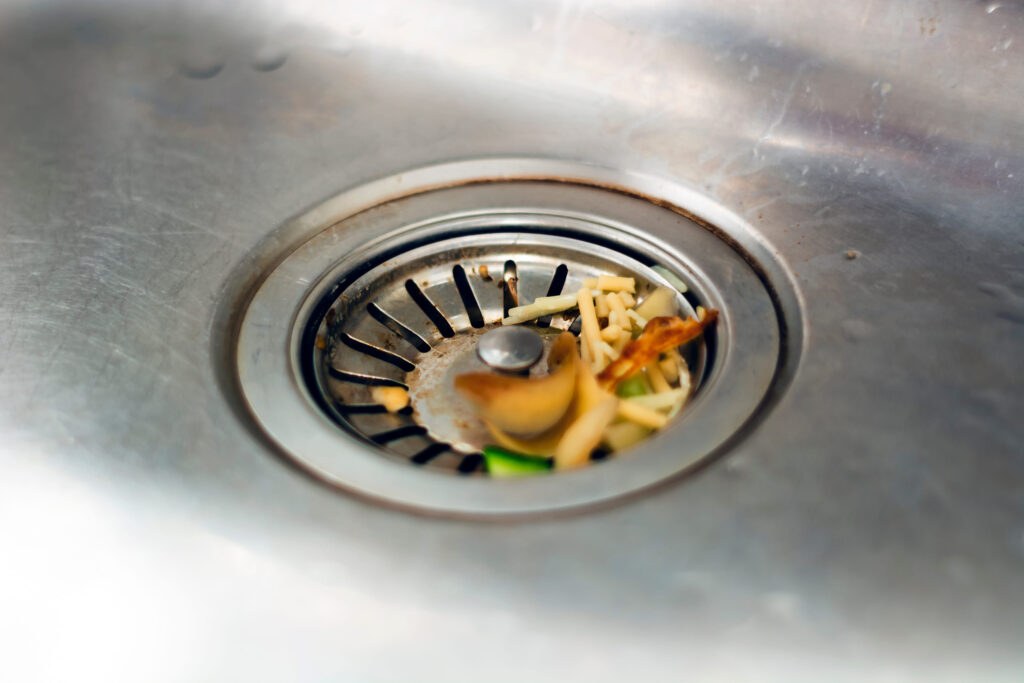
Drains can smell awful long before they look clogged. Kitchen sinks collect grease, food bits, and soap residue. Bathroom drains trap hair, toothpaste, shaving cream, and body oils. Over time, that buildup creates a sour or rotten smell that rises into the room. Toilets can also hold odors around the base, behind the seat, under the rim, and even inside the tank.
Clean drains regularly before they become a full problem. Flush them with hot water, remove visible debris, and use safe cleaning methods that suit your plumbing. Clean the whole toilet, not just the bowl. Wipe the handle, tank, seat hinges, base, and floor around it. In the kitchen, freshen the garbage disposal with citrus peels or a proper disposal cleaner. Bathrooms and kitchens smell cleaner when hidden plumbing areas are not quietly working against you.
Conclusion
A good-smelling house does not come from one expensive candle or a dramatic cloud of air freshener. It comes from dealing with the boring things first: moisture, trash, fridge spills, fabric odors, stale air, and dirty drains. Once those are handled, gentle scents like fresh herbs, simmer pots, clean laundry, flowers, or a light diffuser can make the space feel warm instead of overwhelming.
The goal is not to make your house smell like a perfume counter. The goal is to make it smell cared for. When the air feels fresh, dry, and clean, every room instantly feels more welcoming.