Some places on Earth look like paradise until they threaten your very survival. From deserts that can sap your water faster than you realize to jungles with invisible dangers, beauty and peril often walk hand in hand on this planet. This list reveals breathtaking travel destinations that are capable of ending lives, setting the stage for stories as incredible as they are chilling.
Ciudad Juárez, México
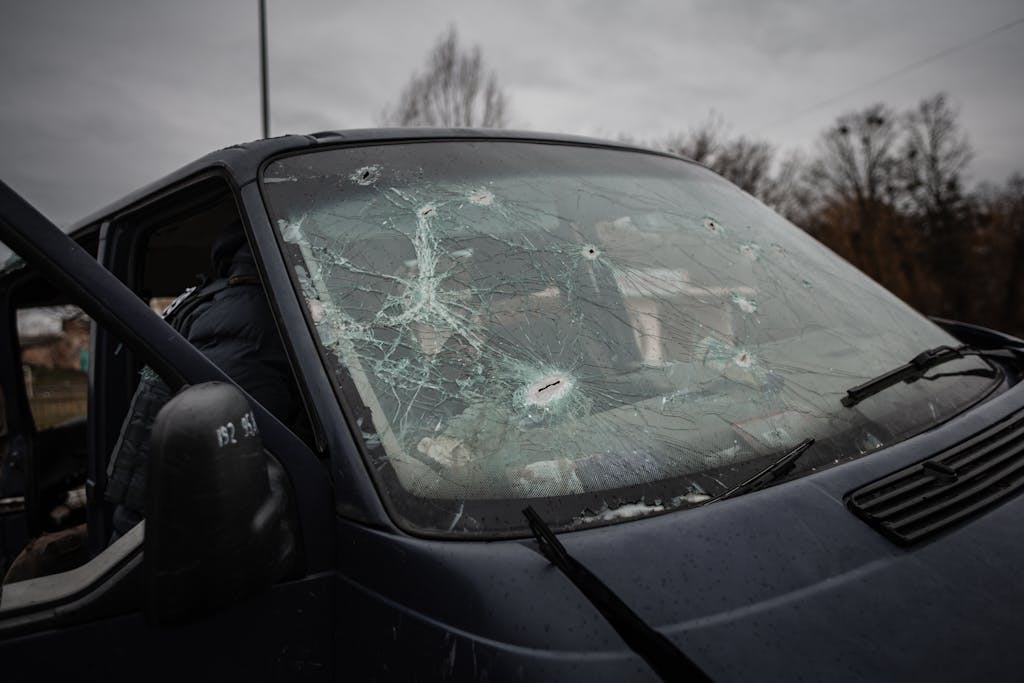
Ciudad Juárez’s name evokes vibrant culture and borderland energy, but it also carries a deadly reputation few travelers expect. Long‑term cartel violence and weak law enforcement have made this city one of the most dangerous urban areas along the US–Mexico border. Tourists who ignore travel advisories risk being caught in conflicts between rival organized crime groups, introducing danger where scenic road trips once beckoned.
The city’s peak violence years saw thousands of homicides, shaping a fearsome image that persists today. Although murder rates fluctuate, crime, including kidnapping and armed robbery, remains a major concern for outsiders. Travelers are strongly urged to avoid non‑essential visits because unpredictable violence can emerge with little warning.
What appears, at first glance, to be a cultural gateway to Mexico can quickly become a trap for the unwary. Tourists drawn by authentic experiences must understand the serious risks beneath the surface. Awareness of this reality transitions us to another deceptively beautiful but hazardous destination next.
Bikini Atoll, Marshall Islands
Bikini Atoll looks like a tropical postcard, with white-sand beaches and shimmering blue waters. Its stunning appearance conceals a dangerous legacy of nuclear weapons testing conducted in the mid‑20th century. The scars left by 67 detonations make this Pacific paradise riskier than it appears.
The powerful Castle Bravo blast and others forced locals from their homes and caused ongoing health damage from radiation exposure. Though much of the surrounding area has seen radiation diminish over decades, some contamination persists above safe levels. Experts warn that prolonged stays are potentially hazardous, even if short visits seem alluring.
What looks like an idyllic diving and snorkeling destination is in fact a cautionary tale. Beneath the surface beauty lies an invisible risk that can outlast generations. This pattern of fatal allure continues as we move from atoll to island, where past science experiments left a different deadly footprint.
Anthrax Island, Scotland
Gruinard Island, nicknamed Anthrax Island, sits quietly off Scotland’s northwest coast with eerie isolation. Its natural beauty gave way to horror during World War II when British forces tested anthrax spores there. The soils became so contaminated that access was banned for decades to prevent lethal exposure.
For nearly fifty years, the island stood off‑limits due to deadly biological residues buried deep in its ground. A major cleanup in the late 20th century removed much of the contamination, and authorities eventually declared the island safe. Even so, its dark history continues to leave a chilling impression on visitors who learn its past.
Anthrax Island’s story demonstrates how places with stunning isolation may harbor hidden threats. What appears serene and untouched often holds secrets beneath the surface. This shift from wartime danger leads us to another extreme, where nature itself tests visitors’ endurance through deadly conditions.
Death Valley, California
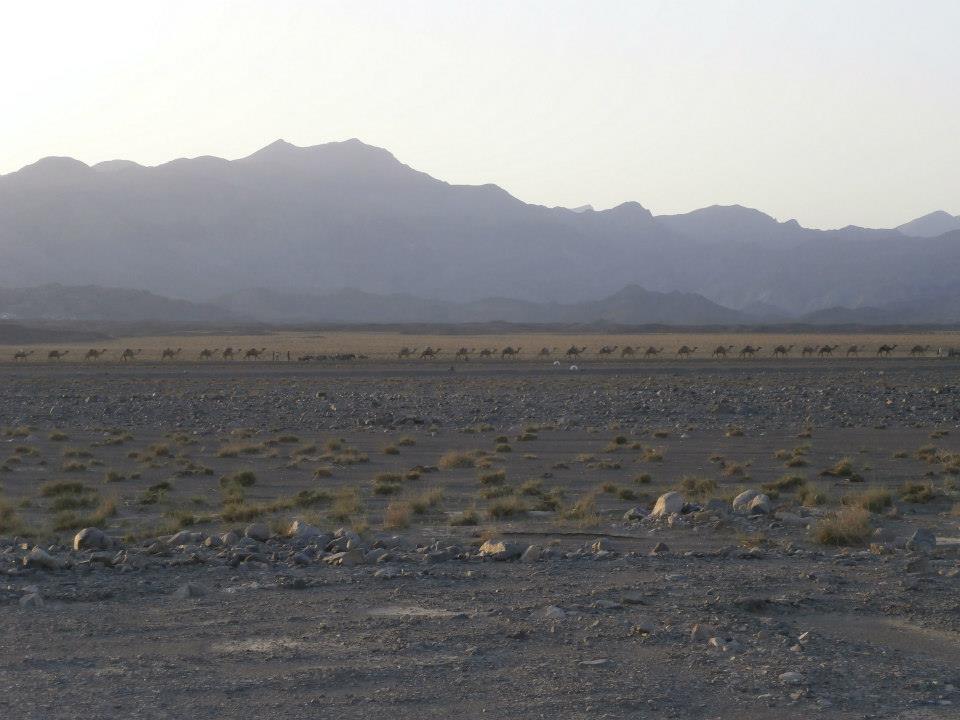
Death Valley is famous for its awe‑inspiring landscapes and record‑breaking temperatures. The desert basin has produced the highest reliably measured air temperature on Earth, making heatstroke and dehydration ever‑present hazards. Its dramatic scenery draws photographers and explorers despite the perilous environment.
Sudden flash floods can sweep through narrow canyons without warning, and abandoned mines harbor toxic gases and unstable shafts. Dangerous wildlife adapted to the extreme heat adds another level of risk for those unfamiliar with desert survival. Travelers who underestimate these conditions find that Death Valley’s beauty masks how quickly circumstances can turn life-threatening.
The valley’s stark vistas captivate at a glance, but visitors must respect the power of the elements there. A breathtaking backdrop does not guarantee safety. From this harsh desert, we move next to a man‑made road with a notorious reputation for danger.
Death Road, Bolivia
Bolivia’s Death Road once linked La Paz to Coroico high above deep ravines carved by Andean slopes. This narrow cliffside track was built without guardrails, making it infamous for fatal plunges into the jungle below. Foggy conditions, landslides, and oncoming traffic created nightmares for drivers who traversed it daily.
Though a modern highway now handles most transport, the original track has become a destination for thrill‑seeking mountain bikers. Cyclists brave the route for adrenaline‑pumping descents, fully aware of the risks, including deadly falls and collisions. What was once a vital connection has transformed into a dangerous adventure attraction.
Death Road’s blend of natural beauty and engineered peril demonstrates how scenic routes can conceal severe threats. The wind‑carved cliffs and verdant valleys dazzle, yet prove unforgiving for the unprepared. Next on our journey lies a force of nature that reshapes islands and threatens whole coastlines.
Anak Krakatoa, Indonesia
Anak Krakatoa, or “Child of Krakatoa,” rises from waters once shaken by one of history’s largest volcanic explosions. Its dramatic silhouette invites curiosity, but the volcano remains active and unpredictable. Authorities enforce exclusion zones because eruptions can occur without warning.
The island has triggered deadly tsunamis in recent years, and its ongoing collapses pose continual hazards to nearby communities. Ash, lava flows, and similar volcanic events make this one of the most dangerous natural features on Earth. Even volcanologists approach it with great caution, given its record of catastrophic upheavals.
Anak Krakatoa’s beauty comes at a price few would accept without respect for its potential devastation. Natural power can be stunning to see yet perilous to encounter. Continuing onward from volcanic dangers, the next region combines alien landscapes with environmental hostility.
Danakil Desert, Northeast Africa

The Danakil Desert spans parts of Ethiopia, Eritrea, and Djibouti with dazzling colors and otherworldly terrain. Temperatures routinely soar to extreme levels, and volcanic gases make the air toxic to breathe for prolonged periods. Its salt flats and acidic pools appear surreal while being dangerously unforgiving on contact.
Referred to locally as “the gateway to hell,” the desert demands expert guidance and armed escorts for safety because of both nature and political volatility. Kidnappings and regional instability near borders add human dangers to an already hostile environment. Visitors must prepare thoroughly and respect the unforgiving conditions that define this unforgettable locale.
Danakil’s dazzling landscapes cloak significant threats that lie just beneath the surface. What appears to be a fantasy world can quickly become life-threatening without care. This extreme setting gives way to another haunting place shaped by invisible forces of nature.
Valley of Death, Russia
The Valley of Death on Russia’s Kamchatka Peninsula exudes eerie calm amid spectacular wilderness. Beneath this beauty, lethal volcanic gases such as hydrogen sulfide and carbon dioxide accumulate in low-lying areas. These invisible killers can overwhelm the unwary within minutes.
Animal remains scattered across the valley’s floor suggest how hazardous the air can be for both wildlife and humans. Scientists and hikers who underestimated this danger have paid the ultimate price. With its haunting emptiness, the valley stands as a stark reminder that natural wonders can hide insidious threats.
This solemn place transitions us from deadly gases to dense wilderness where survival challenges escalate. Beauty and danger combine again in a region shaped by climate and crime. The thread linking these destinations is a compelling mix of allure and lethal risk.
Darién Gap, Colombia-Panama Border
The Darién Gap is a lush, roadless jungle that interrupts the Pan‑American Highway, marked by thick vegetation and wild rivers. Stunning biodiversity and deep forests belie the region’s extreme hazards from venomous animals, disease, and rugged terrain. Long before travelers reach its heart, they encounter a gauntlet that few are prepared to face.
In recent years, large numbers of migrants have braved the Gap, resulting in increased criminal activity, including robbery and human trafficking. Guided expeditions marketed to adventure seekers carry substantial risk of injury, disappearance, or worse. Official warnings from governments reflect the serious dangers inherent in this unforgiving wilderness.
The Gap’s verdant beauty masks relentless challenges that test body and will. What seems like an explorer’s dream can quickly become a nightmare of exhaustion and peril. This treacherous route prepares us for our final haunting destination, where land and sea combine into a deadly allure.
Skeleton Coast, Namibia

Namibia’s Skeleton Coast stretches along the Atlantic with windswept dunes and eerie fog rolling from the ocean. Shipwrecks and skeletal remains dot the shoreline, telling silent stories of maritime disaster. The striking contrast between wild beauty and deadly conditions makes this region unforgettable.
Dense fog, violent currents, and hidden sandbars have claimed scores of vessels over centuries, transforming this stretch of coastline into a graveyard of wrecks. On land, predators like lions and hyenas roam sparsely populated sands where water and shelter are scarce. The harsh environment and relentless isolation ensure that survival here is never guaranteed, even for the most seasoned travelers.
The Skeleton Coast’s mesmerizing scenery hides the constant threat of nature’s raw forces. No place better illustrates how breathtaking landscapes can come with life‑threatening challenges. Its stark beauty concludes our list of destinations where wonder and danger meet.
Conclusion
These ten destinations prove that beauty and danger often intertwine in the natural world. Travelers must know that breathtaking landscapes can mask lethal hazards from weather and terrain to crime and contamination. Choosing where to explore requires deep respect for local realities and careful preparation before setting foot in places that could kill.