Every morning, reaching for your phone pulls you into a digital whirlwind of notifications, messages, and endless feeds that distract and disengage you before your day even begins.
This constant bombardment makes it harder to focus and start your day intentionally.
You might not realize that your daily habits, like endless scrolling and multitasking, are subtly reshaping your brain, affecting your moods, and straining your relationships.
Recognizing this can make you feel more aware of your mental health and social well-being.
The body becomes sedentary.

Technology encourages inactivity. Work, entertainment, and social interaction now often happen while sitting. Even simple chores and errands can be done digitally, leaving the body stagnant.
Sedentary habits affect long-term health, contributing to weight gain, lower fitness levels, and chronic conditions. Convenience may feel good in the moment, but the body pays the price. Could you go a full day without sitting for long periods?
Sleep gets stolen
Phones buzz and glow when the brain should be shutting down. A quick check becomes a chain of messages, videos, and social media scrolling that pushes sleep further away. Lack of rest makes it harder to focus, manage emotions, and perform daily tasks.
Over time, this pattern damages energy levels, productivity, and overall well-being. The cycle of late-night scrolling and early-morning wake-ups slowly erodes mental and physical health. Do you wake up feeling refreshed or still drained?
Real life feels less satisfying.
Social media is filled with polished highlights and curated perfection. Ordinary life feels dull in comparison, achievements seem small, and moments of joy feel insignificant.
Constant comparison can lower contentment and increase anxiety. Even small pleasures feel diminished when measured against others’ curated realities. How much happiness is genuine, and how much is a reaction to someone else’s life online?
Attention span weakens

Apps are designed to fragment focus. Alerts, notifications, and endless short-form content train the brain to constantly jump from one thing to another. Sustained attention on work, reading, or long conversations becomes uncomfortable and challenging.
Multitasking becomes a habit, but it reduces efficiency and comprehension. The brain adapts to instant rewards and constant novelty, making deep focus feel unnatural. Have you noticed your mind wandering during simple tasks?
Memory grows lazy
Why remember facts, directions, or phone numbers when search engines are always available? Outsourcing memory to devices reduces natural recall and mental exercise. Over time, the brain relies on the internet for even the smallest tasks.
Over time, relying on devices for problem-solving, decision-making, and navigation can make these mental skills feel harder to use without technology. While saving time, overuse erodes your mental sharpness and independence. How much of what you once knew now only exists in your phone?
Misinformation spreads faster than caution.
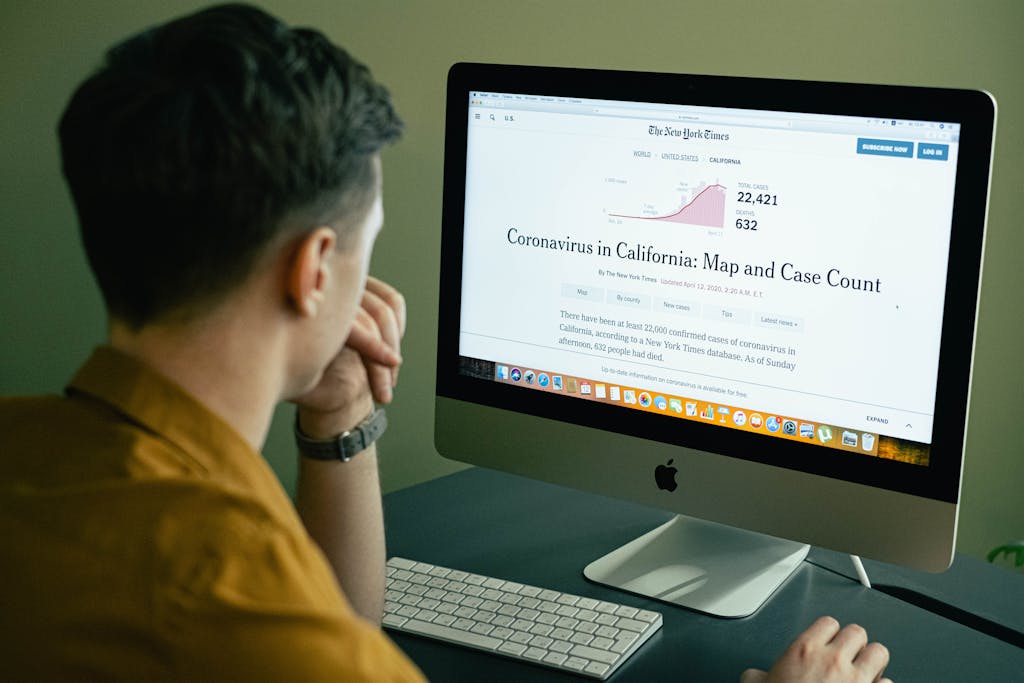
The internet amplifies speed over accuracy. False news spreads quickly, often before corrections can catch up. People share content impulsively, reinforcing misleading or false ideas.
Exposure to sensationalized or manipulated information shapes perceptions and behavior. Can you trust what you read online anymore?
Trapped in your own echo chamber
Social media connects billions but narrows perspective. Platforms learn your preferences and feed you content that aligns with your beliefs, hiding anything that challenges them.
Over time, your digital world mirrors your own opinions, making it easy to feel justified in every belief.
This isolation can erode empathy and patience. Arguments online escalate quickly, and opposing views often feel hostile or unreasonable.
Your sense of certainty grows while your exposure to nuance shrinks. Do you dismiss different ideas before giving them a chance?
Face-to-face communication dulls
Texting and messaging strip away tone, pauses, and subtle emotional cues. Without these, conversations can be misinterpreted or avoided entirely. Real-time, in-person interactions start to feel awkward.
Overreliance on digital communication reduces empathy and social skills. People can excel online but struggle in real interactions, making relationships feel superficial. Could you navigate a difficult conversation without a phone to soften it?
Navigation skills decline

GPS is convenient, but it weakens natural navigation. Dependence on digital directions reduces awareness of surroundings, landmarks, and routes. People forget how to navigate without a device.
Relying on GPS weakens your natural navigation skills, making you feel less confident in exploring without a device. Recognizing this can inspire you to practice independent navigation and rebuild your spatial awareness.
Boredom feels unbearable

Even small delays now feel intolerable. Waiting in line, sitting in traffic, or standing in a slow elevator becomes unbearable without a phone in hand. Instant entertainment and answers have trained the brain to crave constant stimulation.
This impatience seeps into daily life. Slow service feels infuriating, small inconveniences feel unbearable, and quiet moments feel wasted. The mind loses tolerance for stillness and reflection. Do you remember what it’s like to wait?
Conclusion
Technology isn’t inherently harmful; by setting boundaries, like spending time walking without devices or reading long-form content, you can regain control over your attention, sleep, and happiness.
Taking these steps can empower you to improve your life.