Food insecurity is quietly shaping the lives of millions of Americans, and in certain states, reliance on SNAP benefits has reached staggering levels. These numbers reveal not just hunger but also persistent economic challenges, rising living costs, and communities teetering on the edge of financial instability.
State policies, such as eligibility requirements and funding levels, significantly impact these figures. Every grocery trip, every bill, every choice between rent and a full plate tells a story of resilience under pressure.
Can you imagine how daily life feels when government assistance isn’t optional, but essential?
Oklahoma – Heartland Families on the Edge

Oklahoma’s 16.9% SNAP participation rate reveals hidden hardship in the American heartland. Stagnant wages, rising living costs, and limited job opportunities in rural areas leave working families dependent on food assistance.
SNAP fills the gaps between what residents earn and what families need to survive. Could you imagine working full-time yet needing government help to feed your household?
For many Oklahomans, the struggle extends beyond groceries: transportation costs, medical bills, and childcare stretch tight budgets. SNAP becomes a crucial stabilizer for families walking a financial tightrope. How would it feel to balance necessities against your paycheck constantly?
West Virginia – Persistent Hardship Across Generations
West Virginia rounds out the list with 15.5% of residents relying on SNAP. Coal country and rural Appalachia face decades-long economic decline, limited job opportunities, and low wages, all of which make food assistance a critical support.
SNAP ensures that children, seniors, and working families can meet basic nutritional needs. Can you imagine living in a community where nearly one in six people cannot reliably eat without government support?
The state’s long-term dependence on SNAP highlights systemic barriers that go beyond temporary hardship. For many families, SNAP isn’t just a supplement—it’s the difference between hunger and having the energy to face another day. Could you survive under that constant strain?
These five states paint a sobering portrait of food insecurity in America. Millions rely on SNAP to survive, revealing the persistent economic pressures shaping families’ daily lives.
Behind every percentage is a household working tirelessly to stretch every dollar, showing resilience in the face of uncertainty. What policy changes could better address these root causes and reduce reliance on emergency assistance like SNAP?
Louisiana – Culture and Cuisine Cannot Mask Hunger

Louisiana’s vibrant culture and rich cuisine mask a sobering truth: about 17.5% of residents rely on SNAP to feed themselves and their families.
From New Orleans to rural parishes, low wages, natural disasters, and volatile employment markets amplify food insecurity. SNAP helps households maintain dignity and ensure their children have consistent access to meals.
Can you imagine celebrating Mardi Gras knowing your next meal depends on assistance?
Here, SNAP doesn’t just supplement income; it stabilizes entire communities. Many families rely on it to buy groceries and meet unexpected emergencies, making it an essential lifeline.
Could you navigate daily life knowing that without SNAP, basic survival is uncertain?
New Mexico – One in Five Residents Cannot Eat Without SNAP
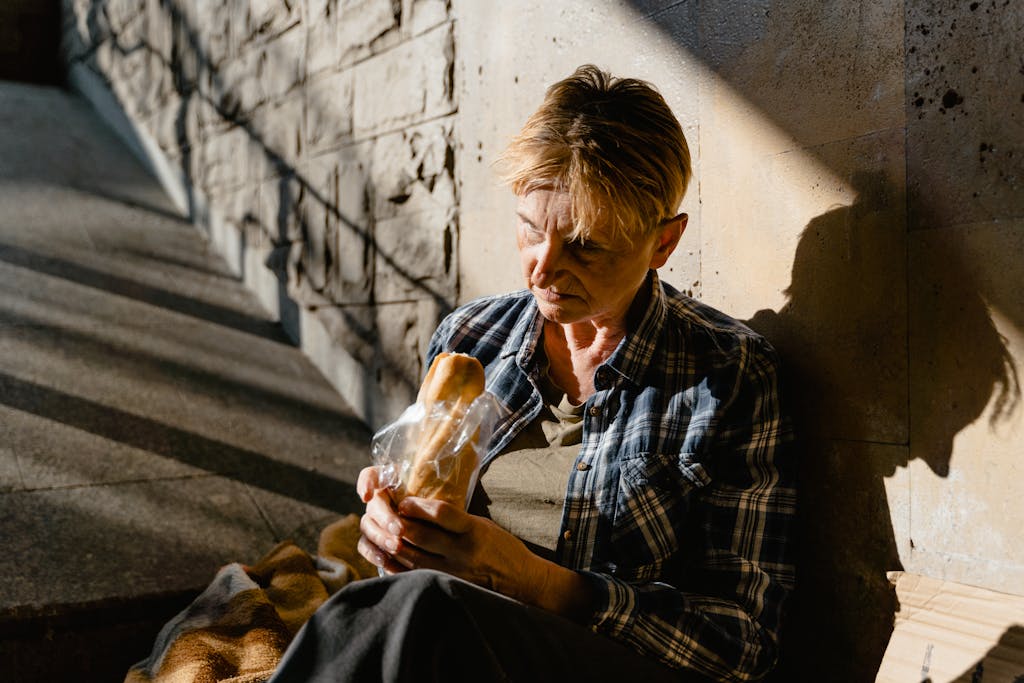
New Mexico leads the nation, with roughly 21.5% of its residents receiving SNAP benefits. From the deserts of the south to the outskirts of Albuquerque, families face limited job opportunities and persistently low wages.
SNAP is far more than a temporary boost—it’s a lifeline that prevents hunger from becoming a crisis. Could you handle living in a state where one in five neighbors depends on government aid to eat?
Beyond the numbers, New Mexico’s reliance on SNAP highlights systemic challenges such as rural isolation and underfunded schools. Recognizing these issues can inspire efforts toward meaningful change and support for affected families.
Oregon – Beauty Hides a Harsh Economic Reality

Oregon’s scenic mountains and coastal cities paint a picture of prosperity, yet 18.1% of residents rely on food stamps. Rising housing costs, inflated grocery prices, and low-wage jobs have pushed families into financial tightropes where SNAP becomes essential.
The program is more than assistance—it’s survival for those balancing work, rent, and childcare. Would you have the energy to work hard every day, knowing a government card determines whether your family eats tonight?
The state’s high SNAP participation underscores a critical point: even in seemingly affluent areas, high living costs and inequality affect us all. Recognizing this can motivate collective action to address these issues.
Key takeaway
SNAP remains an essential lifeline in the U.S., bridging the gap between survival and scarcity for millions of Americans. As discussions about economic recovery continue, understanding how SNAP supports long-term stability and workforce participation can help shape informed policies and public opinion.
Question for readers: How do these numbers compare to your state, and what does it say about the economic opportunities available where you live?