Aluminum foil is everywhere in kitchens across the world. It lines baking sheets, wraps leftovers, covers dishes, and even helps with grilling. Its convenience makes it feel indispensable, but foil has limitations and hidden dangers that many home cooks overlook. Misusing foil can compromise flavor, texture, nutritional quality, and even safety. The key is knowing where foil belongs and where it doesn’t, so you can protect both your food and your appliances while still taking advantage of its versatility.
When used correctly, foil is a powerful kitchen ally. When used incorrectly, it can chemically react with your ingredients, trap excess moisture, or even spark a fire. Understanding these pitfalls elevates your cooking from “convenient” to confident and ensures meals turn out perfectly every time. Here’s an expanded guide to foil’s limitations and smarter alternatives.
Never Wrap Acidic Foods
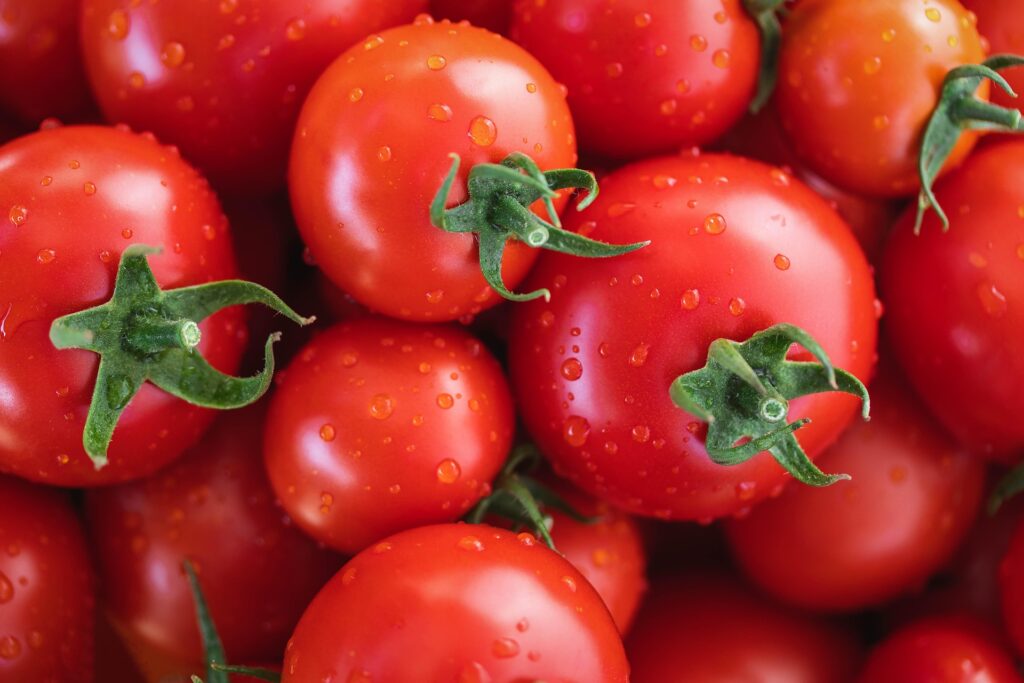
Tomatoes, citrus, vinegar-based sauces, rhubarb, and wine reductions are all acidic foods. When they come into contact with aluminum foil, the acid can break down the metal’s surface, allowing tiny particles of aluminum to leach into your food. This reaction can impart a metallic taste, alter texture, and compromise the dish’s overall quality.
Even small amounts of aluminum can change the flavor profile of delicate sauces or salads. For acidic foods, switch to glass, ceramic, or food-safe plastic containers. These materials preserve the integrity, taste, and texture of the dish without any chemical interference. The takeaway: foil is convenient, but not when acidity is involved.
Never Line the Bottom of Your Oven
Placing foil on the bottom of your oven may seem like a smart hack to catch drips, but it can actually damage the appliance. Foil disrupts airflow, creating hot spots that can overheat certain areas, damage heating elements, and even block temperature sensors.
For electric ovens, this is especially risky: trapped heat can warp oven components and void warranties. Instead, use a removable oven liner on the lower rack, not on the oven floor. These liners catch spills safely while allowing heat to circulate properly, ensuring even cooking and protecting your investment. Never Cover the Grates on a Gas Grill
Foil-covered grill grates might seem like a shortcut for cleanup, but they prevent proper heat circulation. Foil traps grease and debris, which can flare up unpredictably, and can lead to uneven heat distribution, resulting in unevenly cooked foods.
Instead of foil, invest in a grill mat or maintain a well-seasoned cast-iron grate. These methods protect your grill, preserve flavor, and ensure even heat reaches your food. Clean grates regularly to reduce sticking and flare-ups while keeping grilling safe and flavorful.
Never Store Foods Long-Term in Foil

Foil is fine for short-term use, but it’s not ideal for long-term storage. It doesn’t seal tightly, allowing air and odors to infiltrate and increasing the risk of freezer burn and flavor migration. Foods like meats, cheeses, and prepared meals degrade faster when stored in foil compared to airtight containers.
Glass or BPA-free plastic containers with tight lids are far superior for extended storage. They maintain moisture, prevent flavor transfer, and protect against freezer burn. For maximum freshness, wrap items in foil only for short-term use, such as covering a baking dish for immediate use.
Never Microwave Food Wrapped in Foil
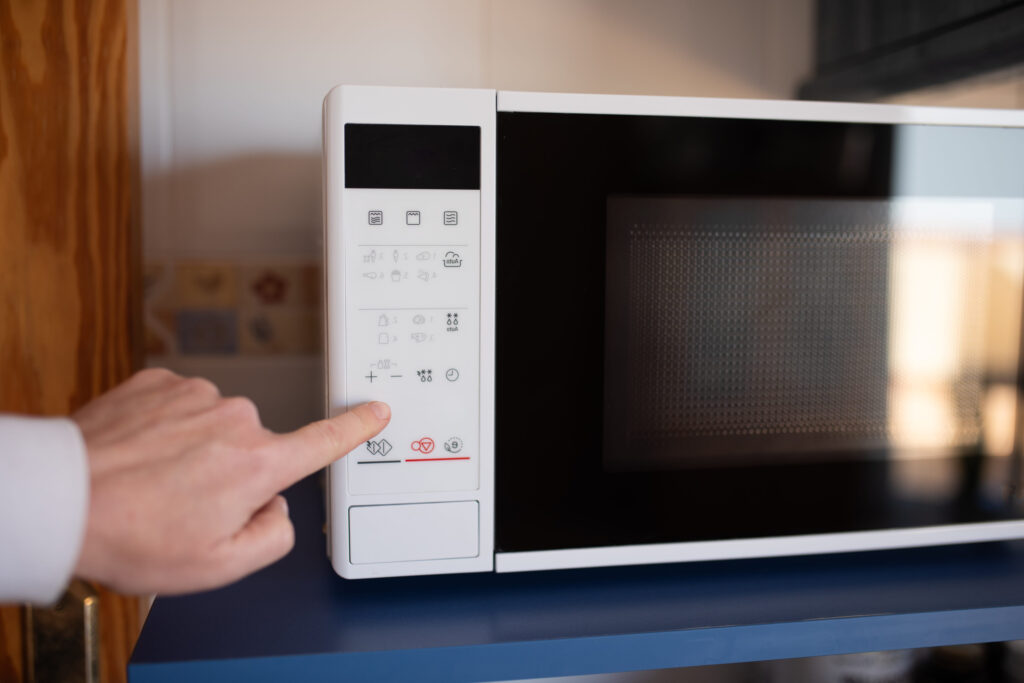
Metal and microwaves don’t mix. Aluminum foil reflects microwave energy instead of allowing it to pass into food, which can generate sparks, arcs, and even fires inside the oven.
Use vented microwave-safe lids or glass covers instead. These alternatives keep food warm, prevent splattering, and avoid the potentially dangerous effects of metal in a microwave. The rule is simple: foil belongs in the oven or on the grill, not in the microwave.
Never Wrap Lemon, Citrus, or Other Acidic Produce
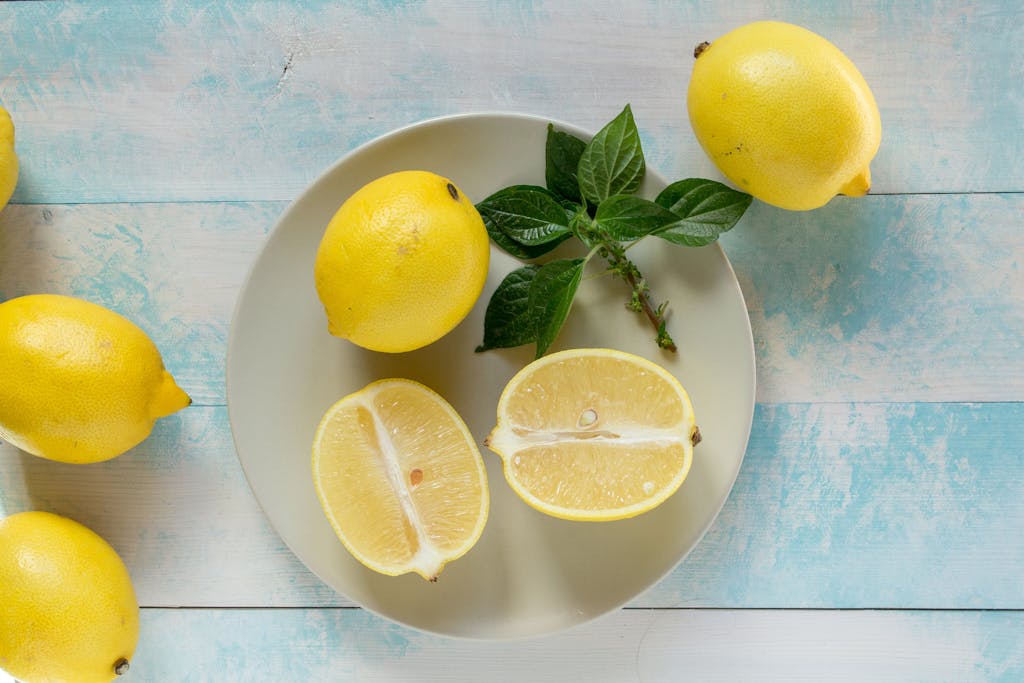
Citrus fruits are naturally acidic, and wrapping them in foil accelerates the same chemical reaction that occurs with sauces. This leads to metallic flavors, faster degradation, and a loss of juiciness.
For citrus storage, use perforated plastic containers or reusable silicone bags. Minimal airflow prevents mold while preserving texture and flavor. Proper storage extends shelf life and keeps your lemons, limes, and oranges fresh and tasty for weeks.
Never Roast Delicate Vegetables in Foil

Foil packets trap too much moisture when roasting delicate vegetables like asparagus, green beans, zucchini, or baby carrots. Instead of caramelizing and crisping, the vegetables steam and turn limp.
Roast these vegetables uncovered on a baking sheet, lightly coated with oil. High oven temperatures and direct exposure to heat promote browning, creating rich flavor and the perfect texture. Use foil only if you want steaming rather than roasting.
Never Use Foil When Searing Proteins
Searing requires direct, dry heat to form a flavorful crust on meat or fish. Wrapping in foil traps steam and prevents the Maillard reaction, the chemical process responsible for browning and flavor development.
For a proper sear, use cast iron, stainless steel, or a hot grill. Once the sear is complete, foil can be used to tent the protein and allow it to rest, retaining juices without affecting the initial caramelization. Foil belongs in resting, not searing.
Never Use Foil to Cover Dough That Needs Crisping
Covering dough with foil to prevent over-browning can actually backfire. Foil traps steam, softening the crust and preventing it from forming on bread, pizza, or pastries.
Instead, use parchment paper or bake uncovered to allow the surface to dry and crisp naturally. This approach maintains texture, flavor, and the golden-brown appearance essential to baked goods.
Never Use Foil on Non-Stick Surfaces
Direct contact between foil and non-stick pans can scratch and damage the coating. Even thin sheets used as liners can scrape surfaces when food is stirred or baked.
Opt for parchment paper, silicone liners, or light oiling instead. Preserving your non-stick cookware extends its lifespan and prevents food from sticking, eliminating unnecessary kitchen frustration.
Why Proper Foil Usage Matters
Aluminum foil is versatile but not omnipotent. Misuse affects flavor, safety, and even equipment integrity. Common mistakes include:
- Chemical reactions with acidic foods
- Trapped moisture causes limp vegetables or soggy crusts.
- Sparks in microwaves or gas grills
- Damage to ovens or non-stick cookware
Using the right material for the right task elevates food quality, safety, and kitchen confidence.
Conclusion
Foil is indispensable in moderation, but misuse can ruin flavor, compromise texture, or create hazards. By understanding where foil belongs and where it doesn’t, you protect both your meals and your kitchen.