Some environmental damage does not arrive with smoke, chainsaws, or oil slicks. Sometimes it shows up as a shiny piece of glitter, a flushed wet wipe, a balloon released at a memorial, or a “cute” snack handed to a wild animal at the park. That is what makes these habits so dangerous: they look small, harmless, or even kind.
A Listverse article on ecosystem damage highlighted ten common practices that can disrupt waterways, wildlife, soil, reefs, and coastal habitats. The uncomfortable truth is that many of these habits are not done by villains. They are done by ordinary people who simply do not see the chain reaction. Once a product leaves your hand, your garden, your bathroom, or your beach bag, nature often has to deal with the mess.
Overusing Antibacterial Soaps

Antibacterial soaps can feel like the cleanest choice in the aisle, but some chemicals used in antibacterial products have raised environmental concerns. Listverse points to triclosan and triclocarban, noting that these substances can move through wastewater systems and enter rivers, lakes, and oceans. Once there, they may affect aquatic organisms and microbial communities that help maintain ecosystem balance.
The problem is the illusion of extra safety. Many people reach for antibacterial soap automatically, thinking stronger must mean better. Regular soap and proper handwashing are enough for everyday cleaning in most cases. When “clean” products leave behind chemicals that stress aquatic life, the habit starts looking much less harmless.
Using Glitter
Glitter looks festive, but it can behave like pollution once it leaves the party. Many types of glitter are made from tiny plastic pieces, which makes them part of the broader microplastic problem. NOAA defines microplastics as plastic pieces smaller than five millimeters and says they can harm ocean and aquatic life.
The issue is not only size. Tiny plastic fragments are hard to collect, hard to filter, and easy for wildlife to mistake for food. NOAA also notes that microplastics can be consumed by fish, mussels, and even whales, and may carry pollutants or release chemicals into the surrounding water. That sparkly craft project may last a few minutes in your hands, but the particles can linger far longer in the environment.
Buying Non-Native Pets
An exotic pet can look fascinating in a tank, cage, or backyard enclosure. The trouble begins when that pet escapes, gets released, or outgrows the owner’s patience. Listverse uses the Burmese python in Florida as a warning example, showing how released or escaped non-native pets can become invasive predators.
The U.S. Geological Survey says severe declines in mammal populations across Everglades National Park have been linked to Burmese pythons. One 2012 study found that raccoon populations had declined by 99.3%, opossums by 98.9%, and bobcats by 87.5% since 1997 in affected areas. That is the nightmare version of irresponsible pet ownership: one animal becomes a breeding population, then an ecosystem loses its balance.
Installing Artificial Turf

Artificial turf sells a beautiful promise: no mowing, no watering, no muddy patches, no weekend lawn battles. But that convenience can come with environmental costs. Listverse notes that synthetic turf can break down over time, releasing microplastics into nearby soil and waterways. It also lacks the living benefits of natural grass, including habitat for small organisms and support for soil health.
There is also the heat problem. Artificial turf can absorb and hold heat, making already hot urban spaces even harsher. A perfect-looking lawn that provides no food, no shelter, no cooling, and no soil life may look tidy from the curb, but it is basically a green plastic carpet where an ecosystem could have been.
Flushing Wet Wipes
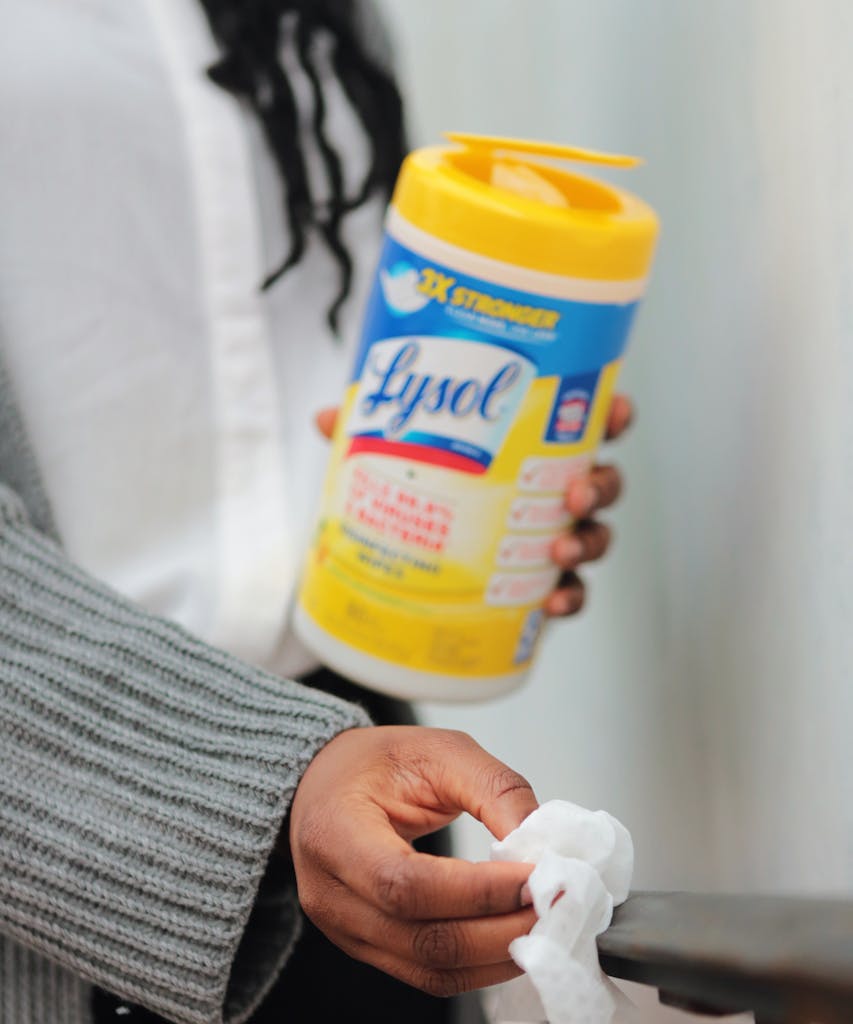
Wet wipes are marketed as convenient, fresh, and sometimes even “flushable.” That word has done a lot of damage. Listverse explains that many wipes contain synthetic fibers that do not break down like toilet paper, which can clog sewers, contribute to fatbergs, and send plastic fibers into the environment.
This is one of those habits where the toilet makes the problem disappear only for the person flushing. It does not disappear for wastewater systems, city workers, rivers, or marine life. A wipe that feels soft in your hand can become tough infrastructure trouble underground and long-lasting pollution downstream.
Using Harmful Sunscreen Near Reefs
Sunscreen protects skin, and that matters. But some ingredients can create problems when they wash off swimmers in oceans, lakes, and reef areas. The Smithsonian Ocean Portal says evidence continues to show that oxybenzone and octinoxate can harm corals and other marine life.
The smarter choice is not skipping sun protection. It is choosing more reef-conscious options, wearing hats and UV-protective clothing, and avoiding products with ingredients known to stress coral ecosystems when swimming near sensitive marine areas. A beach day should not quietly become a chemical spill for the reef below the surface.
Feeding Wildlife
Feeding wildlife feels kind, especially when an animal looks hungry, cute, or bold enough to approach. The problem is that human food can harm wild animals and change their behavior. USDA APHIS warns that feeding human food to wild animals is not healthy and can pose public health risks, as crowding animals around handouts increases disease risks.
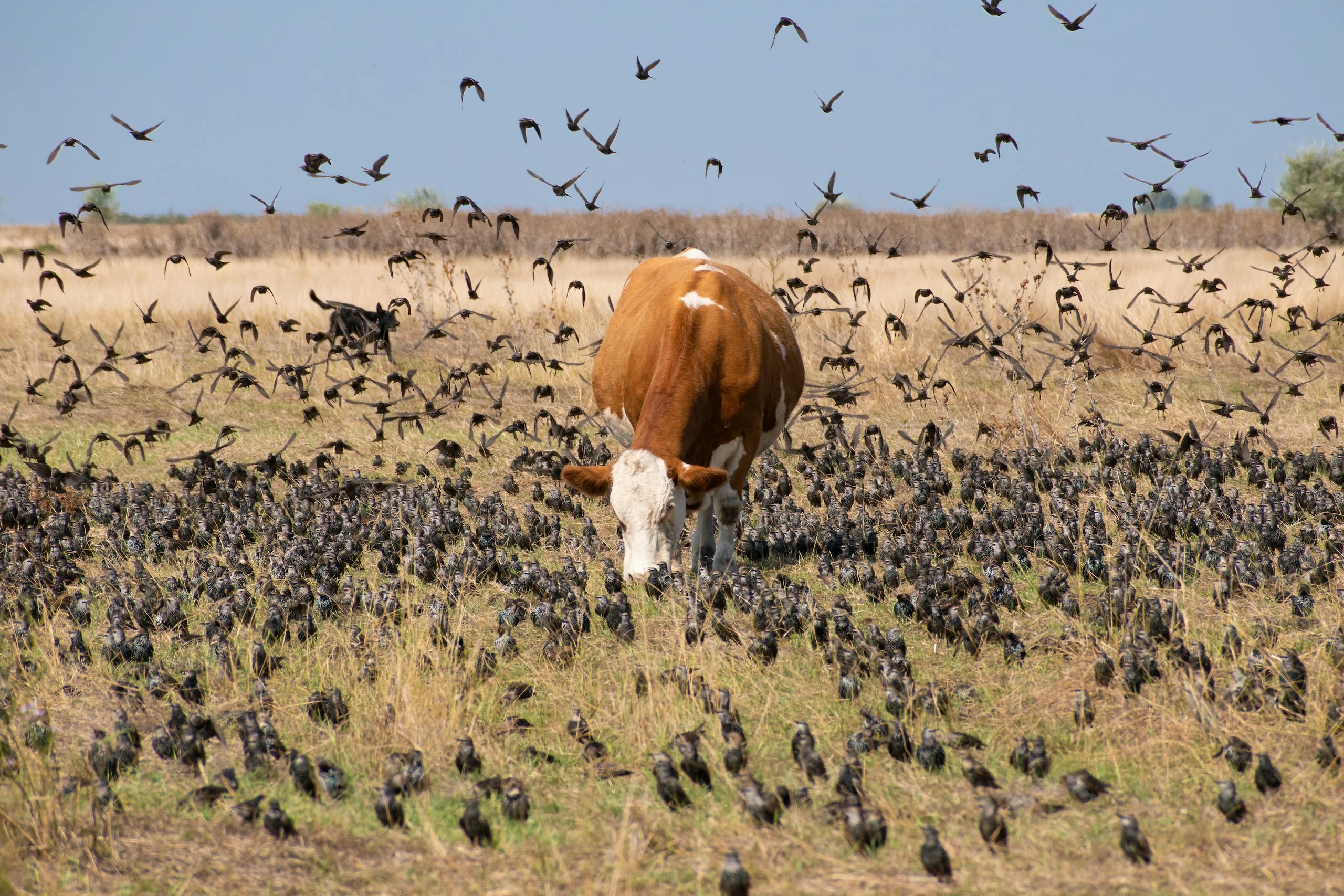
The damage goes beyond one snack. Fed animals may lose fear of people, become aggressive, depend on handouts, or gather in unnatural numbers. Bread tossed to ducks, chips handed to monkeys, or leftovers left for raccoons can all lead to dangerous behavior in the wild. Loving wildlife sometimes means leaving it alone.
Releasing Balloons
Balloon releases are often meant to symbolize love, grief, celebration, or remembrance. Unfortunately, what floats away does not vanish. Listverse notes that released balloons eventually fall back to Earth, where wildlife may eat the deflated pieces or become tangled in ribbons. Marine animals, including sea turtles, can mistake balloon debris for food.
That makes balloon releases one of the clearest examples of beauty turning into harm. The moment may feel emotional, but the aftermath can become litter, choking risk, entanglement, and pollution. Planting flowers, lighting candles, blowing bubbles, or organizing a cleanup can honor a moment without sending plastic into the sky.
Using Peat Moss in Gardening
Peat moss has long been popular with gardeners because it holds moisture and improves soil texture. The environmental cost is much darker. Peat comes from bogs and fens that took thousands of years to form, and these ecosystems store enormous amounts of carbon. Oregon State University Extension warns that harvesting peat releases stored carbon and destroys habitat for birds, reptiles, insects, and small mammals.
This is where a harmless-looking bag of soil amendment becomes a climate issue. Gardeners can choose compost, coconut coir, leaf mold, bark-based mixes, or other peat-free alternatives instead. A garden should help life grow, not depend on digging up ancient carbon stores.
Taking Shells and Rocks From Beaches

Taking one shell from the beach can feel harmless. The problem is that millions of visitors can turn “just one” into a real ecological loss. Listverse explains that shells provide habitat and protection for organisms such as hermit crabs, contribute calcium to coastal systems, and help stabilize beach sediment.
A beach is not a souvenir shelf. It is a living system where shells, rocks, sand, seaweed, insects, birds, crabs, and microbes all play roles that visitors may not notice. The better memory is a photo, not a pocket full of pieces removed from a habitat that still needs them.
Conclusion
The most damaging habits are often the ones that feel too small to matter. A wipe, a shell, a balloon, a glitter-covered card, or a snack tossed to an animal may look insignificant in the moment. Multiply that by millions of people, and the damage becomes visible in clogged sewers, hotter cities, polluted waterways, weakened reefs, invasive species, and wildlife that no longer behaves like wildlife.
The solution is not perfection. It is awareness. Use regular soap when it works. Skip plastic glitter. Never release pets into the wild. Choose peat-free garden products. Keep balloons grounded. Leave shells where they belong. The planet does not need every person to become a saint overnight. It needs ordinary habits to stop quietly acting like environmental sabotage.