Swarming animals are among nature’s most unnerving spectacles. Mass gatherings of insects, fish, birds, or mammals can transform ordinary environments into chaotic and sometimes deadly zones.
These events often stem from natural instincts like migration, mating, or foraging, yet their unexpected intersections with human life frequently lead to terror.
Modern media, drones, and smartphones have amplified our awareness of these encounters, providing harrowing footage and firsthand accounts that illustrate the sheer intensity of these swarms.
From schools of sharks circling surfers to clouds of bees pursuing vehicles for days, these incidents are a chilling reminder that even the smallest creatures, when acting collectively, can wield overwhelming power.
Bats Overrun Queensland School
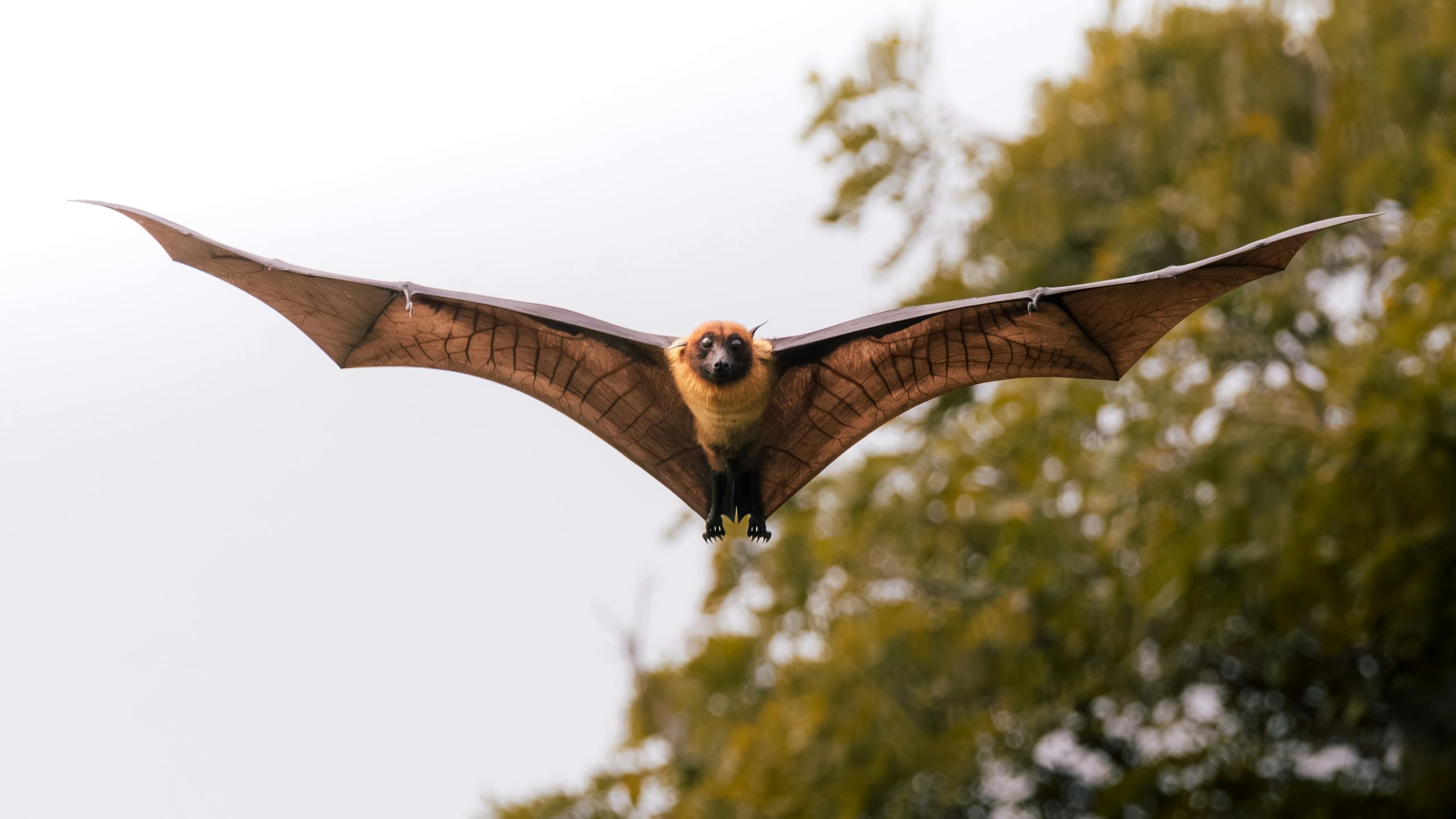
In Ingham, North Queensland, Australia, roughly 300,000 bats suddenly descended on a local town, dive-bombing children on their way to school. The chaos forced parents to keep kids home, and the streets were awash with fluttering wings.
While bats generally avoid direct human contact, their sheer numbers made injuries from scratches and exposure to diseases such as rabies a real risk. Beyond health concerns, the psychological impact on students and staff was profoundas the town witnessed nature’s frightening unpredictability.
These swarms underscore the dual role of bats as vital ecosystem players and potential hazards when human activities intersect with their habitats.
Bats’ nocturnal behavior and rapid, erratic flight patterns make their swarms particularly disorienting for humans. Town officials scrambled to implement safety measures, including temporary school closures and public advisories.
Experts note that urban expansion and habitat disruption can trigger such mass movements, illustrating the delicate balance between wildlife and human communities.
The Ingham incident serves as a stark example of how a normally ecological process can become a localized crisis, highlighting the need for proactive wildlife management strategies.
Piranha Swarms in Paraguayan Rivers
Paraguay faced tragedy when four men fell victim to a piranha swarm in local rivers. Panic ensued as the fish attacked, their sharp interlocking teeth inflicting wounds that prevented victims from staying afloat.
Piranhas, though often exaggerated in their ferocity, possess significant bite force relative to their size and can strip flesh under extreme circumstances. The event triggered urgent safety measures, prompting locals to avoid certain river areas during breeding or feeding times.
It showcased the sudden threat posed when humans unknowingly enter the predatory zones of swarming aquatic life.
Piranha behavior intensifies during the dry season when food becomes scarce, driving mass attacks on perceived prey. River ecology and local environmental conditions played a key role in escalating this encounter from rare to fatal.
Such incidents underscore the unpredictability of aquatic swarms and the importance of community awareness in regions where human water activity intersects with dense predator populations.
Deadly Bee Swarm in Arizona
In Tucson, Arizona, a swarm of approximately 800,000 bees claimed a human life and hospitalized three others. Victims encountered the swarm unexpectedly, suffering hundreds of stings before emergency responders intervened.
The bees originated from a nearby open hive, illustrating the dangers of unmanaged urban beekeeping. Allergic reactions compounded the threat, emphasizing that swarming bees can transform from essential pollinators to lethal hazards under specific circumstances.
This event underscores the need for caution around active hives and the unpredictable power of collective insect behavior.
Bee swarming is a natural process, often triggered when colonies outgrow their hives and seek new homes. In dense urban areas, this instinctual behavior clashes with human activity, creating perilous scenarios.
Experts recommend secure hive management and public education on avoiding swarms, highlighting the critical interface between human settlement patterns and insect ecology.
Grasshopper Plague Engulfs Las Vegas

Las Vegas witnessed a surreal invasion of 46 million grasshoppers in 2019, an event so massive it appeared on weather radar. The unusually wet summer fueled ideal breeding conditions, leading to swarms that hovered around neon lights and public spaces.
While mostly harmless to humans, these grasshoppers disrupted tourism and startled residents. The sheer visibility of the swarm reminded urban dwellers that even desert cities are vulnerable to large-scale insect events.
Such outbreaks reflect the influence of climate variability and urban ecology on the behavior of plant-eating swarming insects.
The temporary ecological disturbance was largely confined to ornamental and green areas, sparing major infrastructure. Still, the psychological effect was undeniable, demonstrating that swarming animals, even in the absence of direct physical harm, can instill widespread alarm.
Monitoring and environmental forecasting can mitigate impacts, yet large-scale insect swarms remain a potent, visually overwhelming spectacle.
Spider Crab Massing on Cornish Beaches
In Cornwall, thousands of spider crabs assembled along the coastline, shedding old exoskeletons and creating dense walls as their new shells hardened. Although harmless to humans, the army-like formation drove beachgoers away.
Rising sea temperatures have made such aggregations more frequent, transforming routine visits into eerie encounters. Scientists suggest these events are responses to both reproductive cycles and environmental stressors, highlighting the complex interaction between climate factors and animal behavior.
The spectacle highlights the unexpected ways that marine swarms intersect with human leisure activities.
Spider crab swarms emphasize that ecological processes can appear threatening, even when no direct risk exists. Understanding the biology and timing of these events allows for better public communication and beach management, reducing panic and ensuring coexistence with natural marine phenomena.
These crabs serve as a reminder that even passive species can command attention through sheer numbers and coordinated behavior.
Feral Hog Invasion in New Mexico
Feral hogs migrated from Texas into New Mexico, devastating farms with aggressive foraging and attacks on livestock. Crops were obliterated, and the presence of swarming pigs encouraged secondary theft and property abandonment.
These invasive mammals also compete with native species and spread over 20 diseases, threatening both ecological balance and agricultural stability.
Controlling feral hog populations presents significant logistical and economic challenges, highlighting their status as one of the most destructive swarming land mammals in the United States. Farmers remain on high alert whenever sightings occur near cultivated areas.
The hogs’ opportunistic behavior, combined with their rapid population growth, makes them difficult to contain. Community-based management strategies, including hunting, trapping, and habitat modification, are essential to mitigate future damage.
The New Mexico case underscores the interplay between invasive swarming species and human economic vulnerability.
Mouse Plague Devastates Australian Communities

Australia faced a severe mouse plague in 2021, with swarms infiltrating homes, hospitals, and farms. Perfect breeding conditions after rainfall following a drought led to extraordinary population spikes.
The rodents gnawed through machinery, contaminated food supplies, and rendered traditional pest control measures ineffective. Industrial-scale interventions, including widespread rodenticide deployment, were necessary to curb the infestation.
This event demonstrates the potential for small creatures to overwhelm human infrastructure when swarming behavior aligns with favorable environmental conditions.
The outbreak illustrates the compounding effects of climate cycles, agricultural practices, and urban proximity on rodent swarming. Communities adapted with emergency measures, yet the psychological and economic toll was profound.
Mouse swarms remain a striking example of nature’s capacity to dominate human spaces, demanding vigilant monitoring and rapid response.
Persistent Bee Swarm Chases Vehicle
A grandmother in the UK unwittingly transported a queen bee in her car, triggering a relentless swarm pursuit for two days. The bees followed, driven by pheromone cues, creating a continuous hazard for both the driver and public safety.
Only professional intervention allowed for safe relocation, highlighting the extraordinary protective instincts of social insects.
This case exemplifies the lengths to which swarming animals will go to safeguard their colonies, demonstrating behavior that can directly conflict with human activity. Understanding bee communication and colony dynamics is key to mitigating similar hazards.
The swarm’s persistence underscores how animal behavior, guided by chemical signals, can intersect with modern human mobility.
Urban areas and roadways are increasingly exposed to such unexpected encounters, emphasizing the need for public awareness and prompt expert action. These episodes reveal that even minor oversights can escalate into sustained, high-risk events involving mass animal swarms.
Fire Ant Swarm Fatality
In Georgia, a military veteran succumbed to a lethal fire ant attack within a hospital setting. The ants covered him twice, highlighting how quickly small, swarming insects can overwhelm vulnerable individuals.
Fire ants inject venom that triggers severe allergic reactions, emphasizing that even minor arthropods can become deadly when numbers accumulate. Hospital safety protocols were scrutinized following the incident, reflecting the need for rigorous environmental management to protect high-risk populations.
This tragic encounter illustrates that swarming threats are not confined to wilderness areas but can infiltrate human-controlled spaces.
Fire ant behavior intensifies in response to disturbance, and swarming can occur without warning. Preventative measures in institutional settings, coupled with public education, are critical for mitigating risks posed by such aggressive insects.
The event underscores the potential for swarming species to exploit environmental vulnerabilities, transforming small organisms into deadly collective forces.
Shark Swarm Threats to Surfers

Long Island beaches witnessed a swarm of approximately 50 sharks that attacked multiple surfers in July 2023. Victims suffered injuries to limbs but survived, thanks to rapid monitoring and response.
Drone surveillance and patrols were employed to track the predators, demonstrating modern methods for mitigating swarming-animal threats in marine environments. Though rare, such shark swarms trigger widespread fear and necessitate heightened vigilance.
These apex predators demonstrate that swarming phenomena are not limited to insects or small mammals; even top-tier predators can exhibit coordinated hunting behavior that threatens human safety.
The incidents serve as a reminder that human recreational activities intersect with natural predator behaviors in unpredictable ways. Coastal monitoring, public alerts, and restricted access during peak swarm activity are essential strategies for reducing risk.
Shark swarms exemplify the extraordinary, sometimes terrifying scale of coordinated animal movements and their capacity to instill both fear and respect in human observers.
Swarming animal encounters reveal the dual nature of ecological events—simultaneously fascinating and terrifying. From insects and rodents to sharks and bats, these occurrences underscore the immense power of collective behavior.
Understanding triggers, predicting swarms, and implementing preventive measures are essential for safeguarding human communities.
As our interaction with natural habitats grows, awareness and preparation become critical, reminding us that even the smallest organisms, when united, can exert a force beyond imagination.
Conclusion
The harrowing accounts of human encounters with swarming animals highlight both the unpredictability and the formidable power of nature’s collective forces.
Whether driven by instinct, environmental change, or human encroachment, these swarms can disrupt lives, test emergency responses, and challenge our assumptions about safety in everyday environments.
As technology improves our ability to document and respond to these phenomena, it also underscores the importance of understanding animal behavior and respecting the delicate balance between human activity and the natural world.
Ongoing education, preparedness, and responsible management remain crucial as we continue to share our spaces with creatures capable of extraordinary, and sometimes terrifying, collective action.