Generation Z, those born from the late 1990s onward, are undoubtedly the first generation to grow up fully immersed in the digital age. From the time they could understand a screen, they were surrounded by smartphones, social media, and on-demand services that provide instant access to information, entertainment, and communication.
But for the generations before them, life was not always so immediate. Many of the rituals and everyday experiences that once defined American culture have been replaced by technology and the increasing pace of modern life.
These changes haven’t just shifted the tools we use; they’ve reshaped the way we connect, entertain ourselves, and live our daily lives. While there are many advantages to the convenience and efficiency of today’s world, there’s also a sense of nostalgia for the experiences lost along the way.
Below, we explore 13 once-common experiences that Gen Z will never know firsthand, helping to understand what has been lost in the rapid march of technological progress and how it has impacted American life.
Recording Your Favorite Song on the Radio to a Cassette Tape
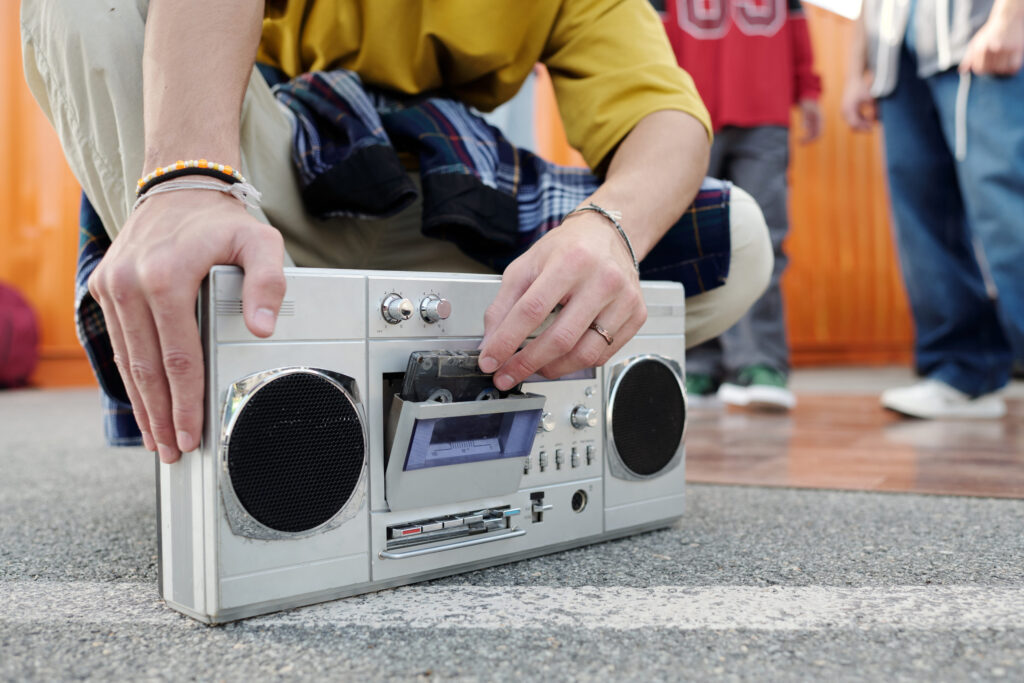
Before the days of unlimited access to every song imaginable on Spotify, Apple Music, or YouTube, there was the thrill of waiting for your favorite song to come on the radio.
Many of us remember the days of listening to the radio for hours, hoping that the DJ would finally play the song we loved so we could record it onto a blank cassette tape. The experience was not just about the music; it was about the ritual itself.
You had to be patient, you had to time it right, and you had to hope that the DJ wouldn’t ruin the moment by talking over the intro. This type of waiting built excitement and created a connection to the music that Gen Z, who can immediately access any song they want, will never experience. The cassette tape, while often low-fidelity, was symbolic of a time when music was earned, not instantly acquired.
Waiting for Snow Day Announcements on TV
For many older generations, the excitement of a snow day was directly tied to the anticipation of seeing your school’s name scroll across the TV screen in the early hours of the morning.
School closings were announced on local TV news, often in the form of a long ticker at the bottom of the screen that listed school districts that had closed due to inclement weather. It was a shared communal event where families sat together, eyes glued to the TV, waiting for confirmation that the day would be theirs to relax, play in the snow, or sleep in.
Today, Gen Zers receive a simple text or email notification from their school districts or parents, and while it’s faster and more convenient, it lacks the collective excitement and anticipation of watching the announcement unfold on TV.
Navigating with a Physical Map or MapQuest Printout
Before the digital revolution, navigating unfamiliar areas meant relying on printed maps or the MapQuest printouts. It was an experience fraught with confusion, debate, and occasional wrong turns, but it also made trips more adventurous.
You would map out your journey before leaving, relying on paper maps and written instructions, hoping that you’d printed the correct directions. The joy of finding the right path after a wrong turn or the sense of accomplishment after successfully navigating a new route was an essential part of the travel experience.
For Gen Z, however, this ritual has been replaced by smartphone apps that provide turn-by-turn directions, removing any uncertainty and adventure from the process.
Using Dial-Up Internet and AOL Chat Rooms
In the 1990s and early 2000s, connecting to the internet wasn’t as simple as clicking on a Wi-Fi network.
Instead, we endured the loud, screeching sounds of dial-up modems as they connected to the internet. The internet was slow, unpredictable, and limited, and yet it marked the beginning of a connected world. AOL chat rooms were a popular venue where people could meet strangers, chat with friends, and explore the early possibilities of online social interaction.
For many, these early days of the internet felt like the wild west, full of opportunity but equally full of risk. The unpredictability of dial-up and the sense of not knowing who you might meet in an AOL chat room were part of the allure.
Today’s world of instantaneous connectivity and social media interactions is fast, polished, and predictable, but it lacks the same sense of mystery and excitement.
Watching TV for Snow Day Announcements
Unlike the instant notifications Gen Z now receives about school closings, older generations experienced the excitement and tension of waiting to see whether the snowstorm would affect their school’s schedule.
The process of waiting for a school closure to scroll across the TV screen created a shared community experience, as people from different neighborhoods anticipated the same event together.
Now, snow day announcements are no longer a communal experience but are instead delivered through personal devices via texts, emails, or apps, making the event far less communal and more individual.
Looking Up Numbers in the Phone Book
Before the days of Google and smartphones, people relied on the phone book for almost all contact information. Whether it was a local restaurant, plumber, or friend’s phone number, the phone book was the key to finding what you needed. It was cumbersome, clunky, and time-consuming, but it made people familiar with the neighborhoods around them in a way that today’s digital tools don’t.
Gen Z has never experienced the ritual of flipping through a physical phone book to find contact information; now, everything is a click away on a phone or computer. The satisfaction of finding a number in the phone book and crossing it off the list is completely obsolete in the smartphone era.
Rewinding VHS Tapes Before Returning Them
In the pre-streaming world, renting movies was a cherished weekend ritual. Families would head to the video store, browse the rows of VHS tapes, and pick out a film for the night.
However, the process didn’t end there. You were also expected to rewind the VHS tape before returning it, or you’d face a fine. For many, this became part of the ritual of movie-watching, adding an extra layer of responsibility to the experience.
Gen Z, who can watch any movie they want on-demand via streaming services, will never understand the significance of rewinding tapes or the trip to Blockbuster that once accompanied every movie night.
Making Plans and Sticking to Them Without a Rescue Text
Before the ubiquity of smartphones and texting, making plans meant making an actual commitment. If you told someone you’d meet them at a particular time and place, you had to be there.
There was no last-minute text to cancel, no GPS to help you navigate the streets, and no constant digital access to change plans. The act of following through on plans without a “rescue text” made meeting up with friends or family an important commitment.
For Gen Z, however, canceling plans with a simple text is the norm, and the ease with which plans are altered has diminished the sense of responsibility and commitment that earlier generations held.
The Y2K Panic
The Y2K bug was one of the most significant events at the turn of the millennium, sparking widespread fear that computer systems worldwide would fail as the year changed from 1999 to 2000.
For months leading up to the change, there was widespread media coverage, government intervention, and even corporate preparations to address the potential disaster.
The anxiety surrounding Y2K became a national obsession, with people worrying about everything from airline systems to bank transactions crashing. In the end, the changeover occurred with little more than a few glitches.
Gen Z, who wasn’t directly impacted by the Y2K panic, may have heard of it but will never understand the collective sense of dread and excitement that accompanied the event.
Being Unreachable for Hours at a Time

Before cell phones and the constant connectivity we experience today, it was possible to disappear for hours without anyone being able to reach you. You could go for a walk, hang out with friends, or run errands without the pressure of being available to anyone at all times. If you missed a call, you simply returned it later when you got the chance.
Today, being “unreachable” for any significant period feels strange, as most people are used to being instantly accessible via texts, social media, or phone calls. This constant availability has created an environment where silence feels intentional or suspicious rather than a natural part of life.
Discovering New Music via Radio or CD

In the past, discovering new music was an adventure. You had to rely on the radio, CDs, or cassette tapes to hear the latest hits. Radio stations would introduce new songs, giving you the chance to hear something you’d never heard before. This was an event, and discovering new music felt like a collective experience shared by millions of listeners simultaneously.
With today’s streaming platforms, Gen Z can discover music through personalized recommendations, curated playlists, and social media influencers. The randomness and surprise of discovering a new favorite song on the radio are qualities lost in the modern, algorithm-driven music ecosystem.
Renting Movies for a Weekend with Friends
Renting a movie was once the highlight of many families’ and friends’ weekends. Video stores like Blockbuster or Hollywood Video were popular weekend destinations, where people would browse the shelves, pick a movie, and head home for a cozy night in. It was a shared ritual, a time when families or groups of friends would gather together for a movie night.
In today’s world of on-demand streaming, that ritual is a thing of the past. Gen Z will never understand the thrill of renting a movie, having it be unavailable, and scrambling to pick something else, or the experience of rushing to return it before the store closed for the night.
Celebrating Small Achievements in Real-Time

In the past, small achievements were celebrated in real-time, whether it was a good grade, a sports victory, or a personal milestone. People shared these moments with family and friends in person, without the expectation of documenting every achievement on social media.
Today, Gen Z celebrates everything online, with every personal achievement quickly posted to Instagram, Snapchat, or TikTok for validation and likes.
While this offers instant recognition, it also reduces the personal connection and immediate joy that came from sharing victories with those closest to you without the added layer of digital documentation.