In our everyday lives, several items unknowingly become breeding grounds for harmful bacteria, viruses, and fungi. From the gym to the office and even the grocery store, germs are lurking in places you might not expect. Here’s a deeper look at 10 everyday items that harbor more germs than you might think, along with the best ways to clean them to reduce health risks.
Water Bottles

Your water bottle is something you carry around all day, but it’s also a hotspot for germs. Bacteria grow in moist, warm environments, and your bottle’s mouth and interior are prime places for them to flourish. In fact, a 2020 study found that water bottles can harbor more germs than toilet seats.
How to Clean Them:
- Wash your bottle after every use with warm, soapy water and a bottle brush to scrub the interior.
- For a more thorough clean, fill the bottle with warm water, add a teaspoon of baking soda or white vinegar, and let it sit for a few hours. Rinse thoroughly afterward.
- Use a clean cloth or paper towel to dry it.
Yoga Mats
Yoga mats are often placed directly on gym or public space floors, where they come into contact with sweat, bacteria, and fungi. Over time, mats accumulate oils and dead skin cells, creating a perfect environment for germs to grow.
How to Clean Them:
- After each use, wipe your mat with a disinfectant wipe or a DIY solution of water and vinegar.
- For deep cleaning, spray the mat with a mixture of water and mild soap or detergent, scrub with a soft brush, and rinse with water.
- Let the mat dry completely in a well-ventilated area before storing.
Reusable Shopping Bags
While reusable shopping bags are an eco-friendly alternative, they can also harbor bacteria like E. coli and Salmonella. These bacteria can transfer from raw meats, fruits, or vegetables to the bag, and when the bags are reused without cleaning, germs accumulate.
How to Clean Them:
- Wash bags regularly by hand or in the washing machine (most can be washed in the machine).
- For deep cleaning, wipe the inside with a disinfecting wipe or spray a vinegar solution to kill bacteria.
- For fabric bags, add detergent and hot water when washing to ensure a thorough clean.
Credit & Debit Cards
Why They’re Germy:
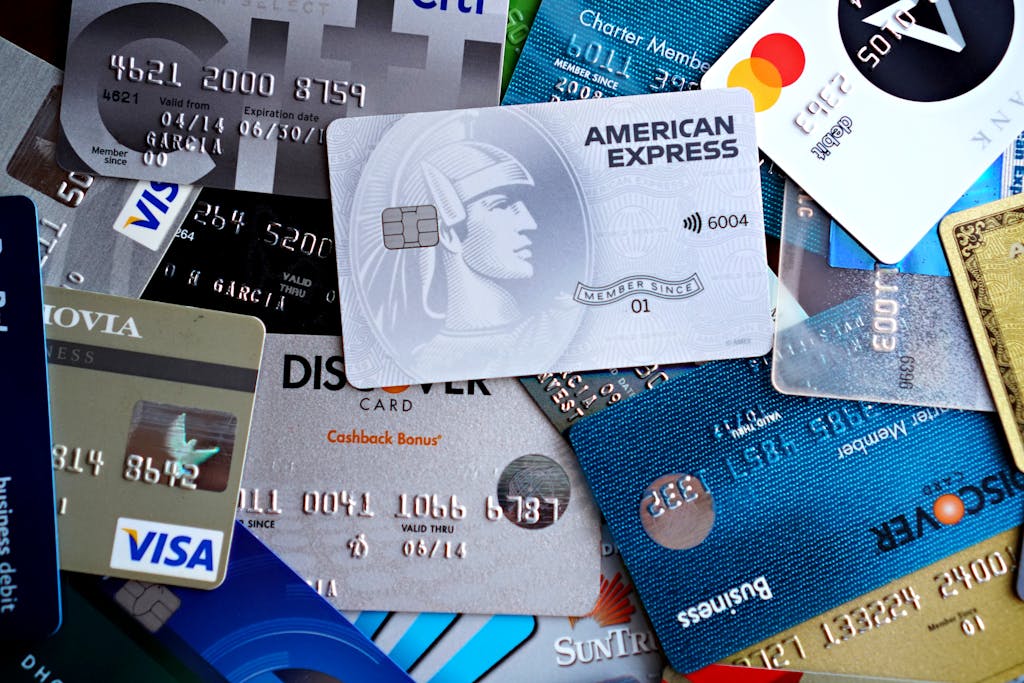
Multiple people touch credit and debit cards throughout the day—store clerks, cashiers, and you. Studies show that cards can carry staph bacteria, fecal matter, and other microbes that can pose health risks, especially when passed around in public.
How to Clean Them:
- Use a disinfectant wipe to clean both sides of your card regularly.
- If a disinfectant wipe is unavailable, use a cotton ball soaked in rubbing alcohol to wipe down the card’s surface.
- Always wash your hands after handling cards in public places like restaurants, stores, and gas stations.
Cell Phones
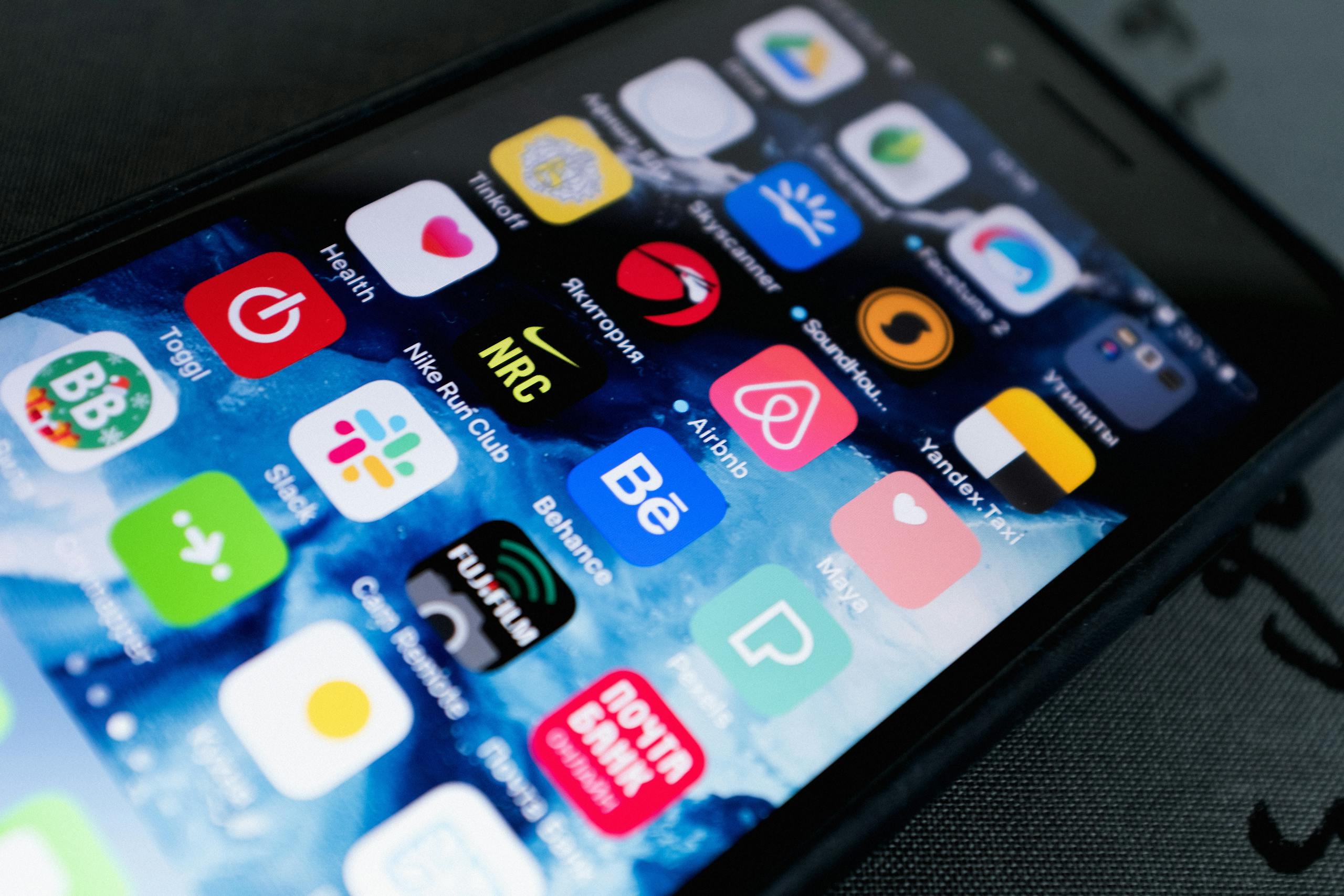
Your phone is one of the germiest items you own. From being touched constantly to being placed on dirty surfaces, phones are loaded with bacteria, viruses, and even traces of fecal matter. Studies have shown that your phone is likely dirtier than your toilet seat!
How to Clean Them:
- Use alcohol wipes or microfiber cloths along with a disinfectant spray for regular cleaning of your phone.
- For a deep clean, you can also try a phone-specific UV sanitizer.
- Do not use harsh chemicals, as they can damage your phone screen. Always turn your phone off before you clean it.
Public Touchscreens
Public touchscreens, like those at ATMs, self-checkout kiosks, and check-in stations, are touched by hundreds, if not thousands, of people every day. These surfaces can carry viruses like norovirus and bacteria like Salmonella, all of which can transfer to your hands and, eventually, your body.
How to Protect Yourself:
- Avoid touching screens directly with your bare hands. Use tissues or a sleeve to press buttons.
- After touching a touchscreen, use hand sanitizer or wash your hands with soap and water.
- Carry a small disinfecting wipe in your bag to quickly sanitize your hands after using public touchscreens.
Makeup Brushes & Sponges

Makeup brushes and sponges collect bacteria, oil, and dead skin cells over time. If not washed properly, they may lead to skin irritations, acne, or even infections. Sponges are also prone to absorbing bacteria due to their porous texture.
How to Clean Them:
The brushes have to be cleaned once a week using mild soap and water. The soapy water has to be used to scrub each brush to remove makeup residue.
- For sponges, use a gentle cleanser and squeeze out excess liquid until the water runs clear.
- After washing, let the brushes and sponges dry completely before using them again.
Tattoo/Permanent Makeup Ink
Tattoo ink, if not stored properly or used with unsterile tools, can carry harmful pathogens that cause infections. Permanent makeup (such as eyebrow tattoos) can also introduce bacteria into your skin if the equipment is not sanitized properly.
How to Clean Them:
- Make sure you only use sterile, high-quality inks and equipment when getting tattoos or permanent makeup.
- Follow the aftercare instructions provided by your tattoo artist, including cleaning the area with a gentle antibacterial soap.
- Ensure the tattoo studio maintains strict hygiene protocols, including the use of disposable needles and sanitized workstations.
Kitchen Cutting Boards
Cutting boards are also germy because they can harbor bad bacteria, including Salmonella and Listeria, particularly if you have cut raw meats, poultry, or fish on them. These germs can be left behind even after washing them with just water.
How to Clean Them:
- Wash your cutting board clean after each use with hot water and dish soap.
- Disinfect your cutting board with a bleach or vinegar solution to kill any germs left behind.
Contact Lenses & Cases

Your contact lens case can harbor harmful bacteria, which can lead to eye infections such as microbial keratitis. If the case isn’t cleaned or replaced regularly, it becomes a breeding ground for germs. It’s essential to care for both your lenses and the case properly to avoid eye issues.
How to Clean Them:
- Use only fresh contact lens solution to clean your lenses and case. Avoid using water or reusing old solutions.
- Clean your case with a clean tissue or wipe it down with disinfectant regularly.
- Replace the lens case every 3 months to reduce the risk of infection.
Quick Disinfection Tips
Cleaning and disinfecting your everyday items is key to maintaining good hygiene. Here are some helpful tips for ensuring that your items are as clean as possible:
- Always clean before disinfecting: Dirt and grime can reduce the effectiveness of disinfectants, so make sure to wash first.
- Use alcohol or disinfecting wipes: These are effective for cleaning non-porous surfaces like your phone, credit cards, and cutting boards.
- Wash your hands frequently: Always wash your hands after handling germy items, especially before eating or touching your face.
By dedicating a few minutes a day to disinfecting these common objects, you can greatly reduce your risk of infection by harmful bacteria and viruses. Proper cleaning habits and proper disinfecting techniques can go a long way to promote your health and stop the spread of infection. Therefore, do not overlook these surprisingly germy objects. Your future self will thank you for it.
Key Takeaway
Although some of these items may appear to be clean, they are actually germ havens. By learning what items have the most germs and how to properly clean them, you can keep yourself and your loved ones safe from unnecessary health threats. By making these cleaning practices a part of your routine, you can live in a cleaner environment.