For years, homebuyers have waited for the housing market to cool. High prices, tight inventory, and expensive mortgage rates made the search feel exhausting. Now, some cities are showing signs of relief. Homes are staying on the market longer, sellers are cutting prices, and buyers have more room to compare options. Still, a lower price needs context. It can signal opportunity, but it can also point to rising costs, weaker demand, excess inventory, or homes that were overpriced from the start.
Cape Coral and Fort Myers, Florida

Cape Coral and Fort Myers became pandemic-era hotspots because buyers wanted sunshine, space, and water access. Now, with more listings and higher ownership costs, the market has cooled. Buyers may gain negotiating power, but they should check insurance, flood risk, hurricane exposure, and repair costs before making an offer.
Tampa, Florida
Tampa attracted families, retirees, remote workers, and investors during the boom years. As prices soften in some areas, sellers may offer price cuts, closing-cost help, or more flexibility after inspections. Buyers should still review insurance and property taxes, as they can affect the actual monthly cost.
Naples, Florida
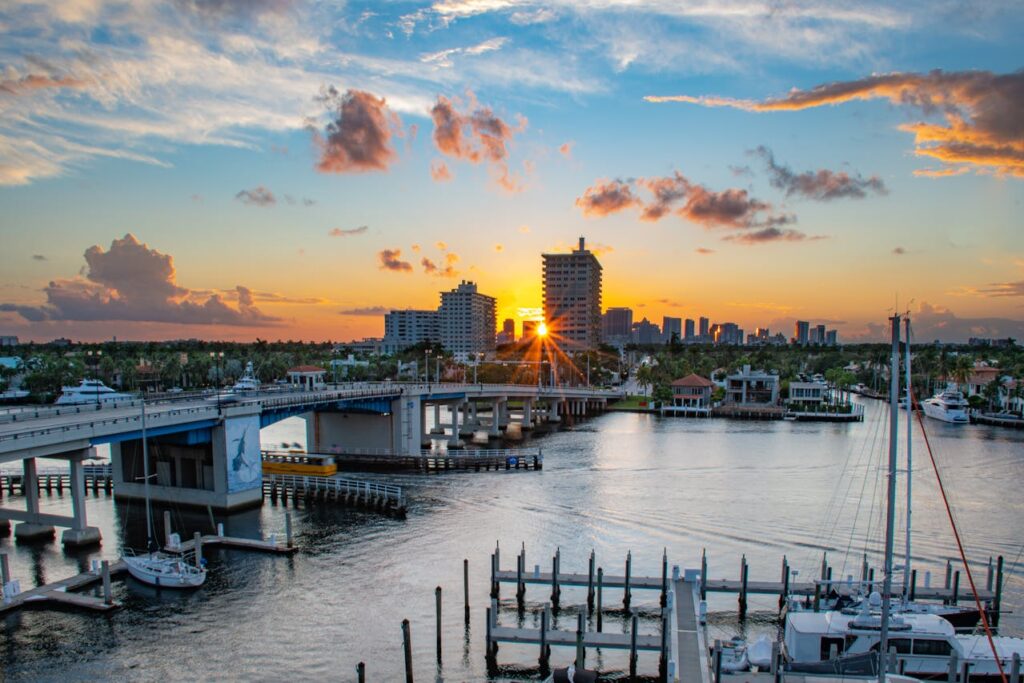
Naples remains expensive, even when prices ease. Its beaches, golf communities, and luxury appeal keep demand strong. A price cut here does not always mean a home is affordable. Buyers should study HOA fees, taxes, insurance, and maintenance before calling it a deal.
Ocala, Florida
Ocala appeals to buyers who want Florida living without coastal prices. It offers more space and a quieter pace. As demand cools, buyers may find more choices and less pressure. Still, they should review the local economy, commute options, and resale demand before buying.
Phoenix, Arizona

Phoenix became a major boomtown because of its warm weather, job opportunities, and available space. Now, more homes for sale are giving buyers time to negotiate. Buyers should also think about heat, utility bills, water concerns, and neighborhood quality.
San Antonio, Texas

San Antonio has long been viewed as a more affordable market in Texas. Families, military households, and workers are drawn to its culture and relative value. As the market cools, some sellers may become more flexible. Buyers should carefully compare neighborhoods, as some areas may remain competitive.
Austin, Texas
Austin became a symbol of the pandemic housing boom. Tech jobs, migration, and investor demand pushed prices up quickly. Now, buyers have more options, and sellers may need to price more realistically. Still, a price cut does not erase high taxes, expensive payments, or years of rapid price growth.
Denver, Colorado
Denver remains popular with buyers who want jobs, mountains, and outdoor living. As more listings appear, some sellers may offer reductions. Even so, buyers still need to review mortgage payments, taxes, insurance, and commuting costs.
Portland, Oregon

Portland still attracts buyers with its food scene, neighborhoods, access to nature, and creative culture. Slower demand can give buyers more time for inspections and comparisons. Local details matter because one neighborhood may cool faster than another.
Salt Lake City, Utah
Salt Lake City saw strong demand from buyers looking for jobs, scenery, and outdoor access. Now, high monthly payments are making some buyers more cautious. A lower price can help, but buyers should study growth patterns, commute routes, and future resale demand.
Why Some Prices Are Falling
Prices often soften when buyers become cautious. High mortgage rates, rising insurance costs, taxes, and stretched budgets can all slow demand. Inventory matters too. When buyers have more homes to choose from, sellers lose some pricing power. Some cities also became too expensive too quickly. When prices rise faster than local incomes, the market often needs time to cool.
Why a Price Cut Is Not Always a Bargain
A discounted home can still be overpriced if the original asking price was unrealistic. A lower price can also hide repairs, a weaker location, or high insurance costs. Buyers should compare the home with recent nearby sales before making an offer.
What Buyers Should Do First
Start with the full monthly payment. Include the mortgage, taxes, insurance, HOA fees, utilities, repairs, and commuting costs. Then study the local market. Look at days on market, price reductions, and seller concessions. Finally, use the inspection carefully. In a softer market, buyers may have more room to ask for repairs, credits, or a better price.
What Sellers Should Learn
Sellers in cooling markets need realistic pricing. Overpricing can make a home sit too long and lose momentum. A clean, well-presented home still stands out. Good photos, small repairs, simple staging, and flexible terms can attract serious buyers.
Final Thoughts
Falling home prices can give buyers more hope, more choices, and more time. Still, a softer market does not remove the need for caution. The best home is not always the one with the biggest discount. It is the one that fits the buyer’s budget, lifestyle, and long-term plans.