Condiments look innocent until you start asking questions. That little bottle of ketchup, that creamy swipe of mayo, that bowl of salsa, and that splash of soy sauce are not just side characters on the plate. They carry centuries of trade, fermentation, food science, cultural arguments, and a few details that may make you stare at your fridge door differently.
A Ranker food-history list on condiment facts drew more than 3.4K voters and 12.8K votes, proving one thing clearly: people love learning strange things about the sauces they already love. Some facts are funny. Some are surprisingly historical. Others are just weird enough to make the next bite feel a little more dramatic.
Tabasco Once Inspired an Opera
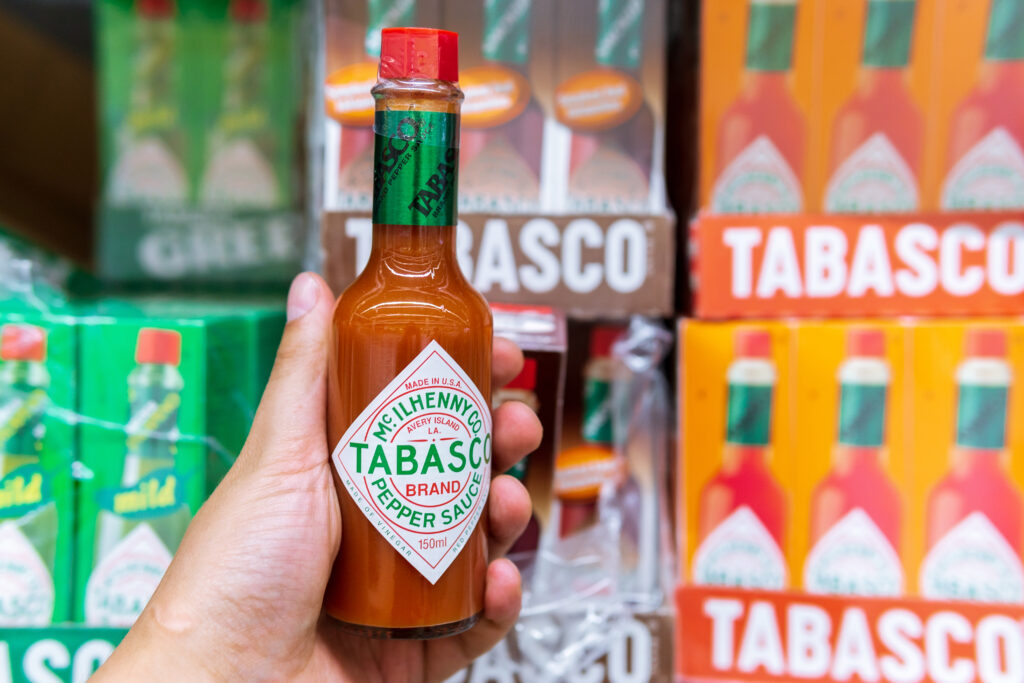
Tabasco is not just a hot sauce. It somehow earned enough cultural power to inspire a stage production. The Burlesque Opera of Tabasco was first performed in 1894, with music by George W. Chadwick and production by Thomas Q. Seabrooke.
That is a ridiculous and wonderful achievement for a sauce made from peppers, salt, and vinegar. The fact that audiences could understand a Tabasco-themed show in the 1890s says the brand was already famous enough to carry a joke. Most condiments sit quietly on the table. Tabasco apparently demanded a musical number.
Worcestershire Sauce Gets Its Punch From Anchovies
Worcestershire sauce has one of the most difficult names in the condiment aisle, but its flavor is even more complicated than its pronunciation. Lea & Perrins sold it commercially in 1837, and its recipe includes vinegar, molasses, sugar, tamarind, onions, garlic, spices, and anchovies. That tiny fish ingredient is doing serious work behind the scenes.
The anchovies add deep, salty, savory flavor without making the sauce taste obviously fishy. That is the magic of umami. It hides in the background, making meat, marinades, Bloody Marys, stews, and sauces taste richer. The bottle may look old-fashioned, but it is essentially a flavor grenade made with fermentation, salt, and fish.
Mayonnaise Is Not the Food Poisoning Villain People Think It Is

Mayonnaise has been blamed for picnic disasters for years, but commercial mayo is not as reckless as its reputation suggests. Its mix of oil, acid, and egg creates a product that is more controlled than many people assume, and research reviews have found that commercially made mayonnaise, dressings, and sauces in the United States are generally safe when properly produced.
The real problem usually comes from what mayo is mixed with and how long that food sits out. Chicken salad, tuna salad, potato salad, and egg salad can become unsafe when left in warm conditions. So, mayo is not always the villain. Sometimes it is just standing beside the real suspect at the family cookout.
Soy Sauce Depends on Mold
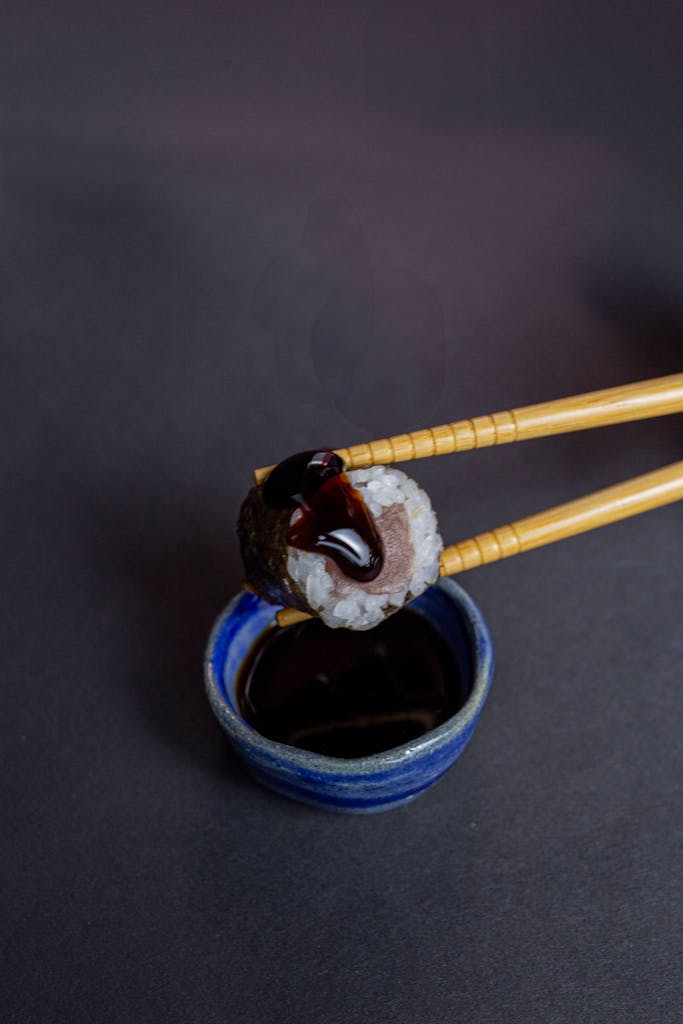
Soy sauce gets its deep, salty flavor from a process that sounds scary until you understand it. Traditional soy sauce is made from soybeans, wheat, salt, water, and koji mold. Kikkoman describes the process as mixing soy sauce koji with salt water, then fermenting and aging the mixture into moromi, and finally pressing and refining it.
That mold belongs to the Aspergillus family, and researchers describe koji mold used in soy sauces, stir-fries, sushi, marinades, and dipping sauces as having a flavor.
Ranch Dressing May Share an Ingredient With Sunscreen
Ranch dressing has gone far beyond salad. People dip pizza, fries, wings, vegetables, chips, and sometimes dignity into it. One strange detail is that some white foods have been treated with titanium dioxide, the same white pigment used in products like sunscreen, cosmetics, and coatings.
The FDA says titanium dioxide is regulated as a color additive in foods and may be used under specific conditions, including a limit of 1% by weight of the food. That does not mean your ranch is secretly sunscreen, but it does mean food whiteness can have more chemistry behind it than most people expect.
Dijon Mustard Is Not as French as People Imagine Today
Dijon mustard still carries French elegance in its name, but the full story is messier. Ranker notes that mustard sauces date back far beyond modern France, with the Romans using mustard as well. Dijon, developed in the French town of the same name, became more recognizable after Jean Naigeon replaced verjuice with vinegar in the 18th century.
The twist is that mustard seed production is not limited to France. Canada has become one of the world’s major mustard seed producers, which makes the “French” identity feel more complicated. Dijon may sound like a tiny spoon, a linen tablecloth, and a fancy sandwich, but the story stretches across countries, centuries, and trade routes.
Hummus Has Sparked Real Food Rivalries
Hummus looks peaceful. It is creamy, smooth, and usually surrounded by pita, vegetables, or crackers. Yet its history has produced arguments over origin, ownership, and national identity. Ranker points to the so-called “Hummus Wars,” where Lebanon and Israel competed over records for the world’s largest hummus dish in the late 2000s and early 2010s.
The fight sounds funny until you remember that food is often tied to pride, history, and belonging. Hummus is not just mashed chickpeas with tahini, lemon, and garlic. It is memory in a bowl. That is why people argue over it with the passion usually reserved for sports teams and family inheritance.
Ketchup Started Out Closer to Fish Sauce Than Tomato Sauce
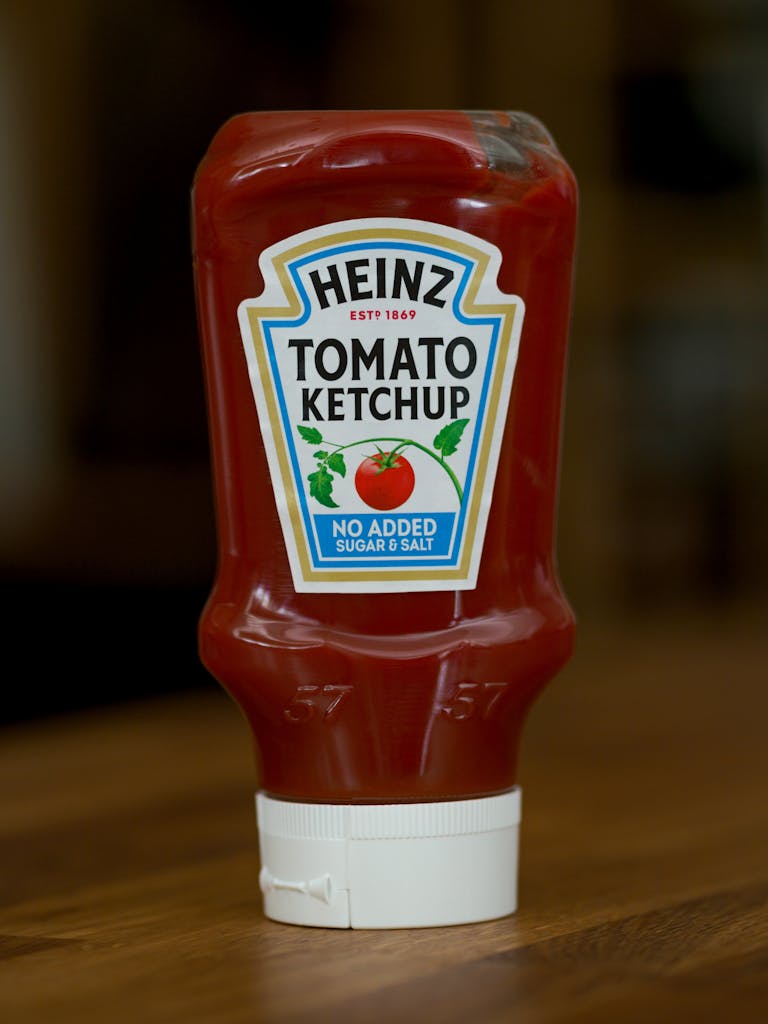
Modern ketchup is sweet, red, tomato-heavy, and basically mandatory beside fries. But the word “ketchup” traces back to “ke-tsiap,” a Chinese fish sauce. According to the Ranker list, the early sauce involved pickled fish before sailors brought the idea to England, where later versions included mushrooms and walnuts.
Tomato ketchup came later. The Ranker article notes that James Mease introduced a tomato-based version in 1812, and Heinz entered ketchup production decades after first selling other sauces. That means the condiment most Americans associate with burgers and fries began life in a very different flavor universe.
Most “Wasabi” Is Probably Not Real Wasabi
That green paste beside the sushi may look intense, but it’s often not true wasabi. Ranker notes that much of what restaurants and grocery stores serve as wasabi is commonly a mix of horseradish, mustard powder, green coloring, and perhaps a small amount of real wasabi.
Real wasabi is expensive, delicate, and harder to source. That explains why the fake version dominates. The burn also behaves differently. Horseradish-style heat rushes into your nose like a tiny fire alarm, then fades. Real wasabi is often described as more floral, fresh, and complex. Most diners are getting the stunt double, not the star.
Hot Sauce Can Be More Powerful Than People Respect
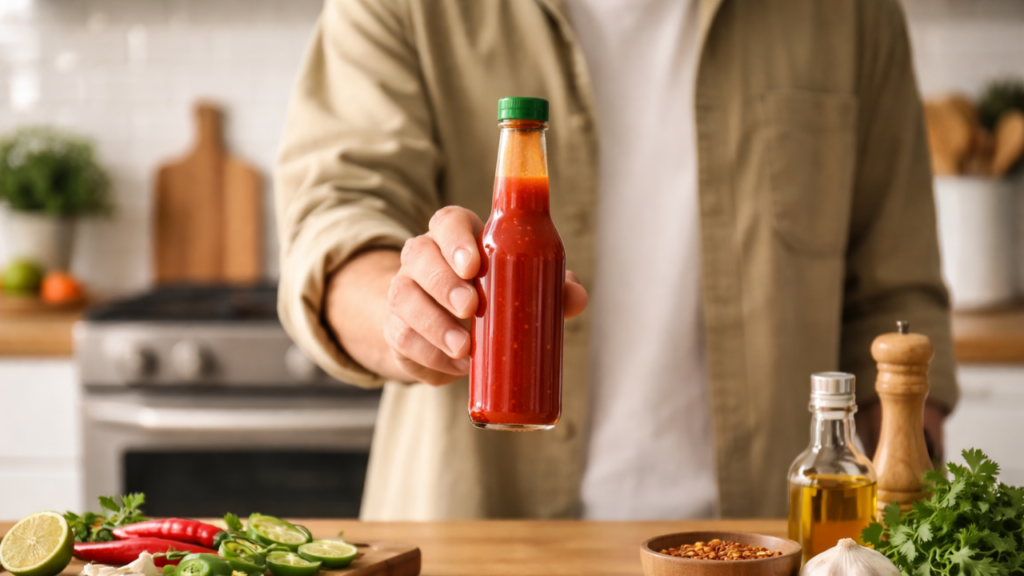
Hot sauce has turned into a personality trait for some people. There is always someone at the table who wants to prove they can survive the hottest bottle. But spice is not just entertainment. Ranker includes a case involving Andrew Lee, who reportedly ate a very hot homemade chili sauce before dying later, with anaphylaxis raised as a possible but uncommon explanation.
That does not mean ordinary hot sauce is dangerous for most people. It means extreme spice challenges can be foolish, especially when homemade sauces, unknown peppers, allergies, or health conditions are involved. A little heat can wake up a meal. Turning dinner into a dare can take the fun out of it fast.
Barbecue Sauce Has a Gross Tomato Problem
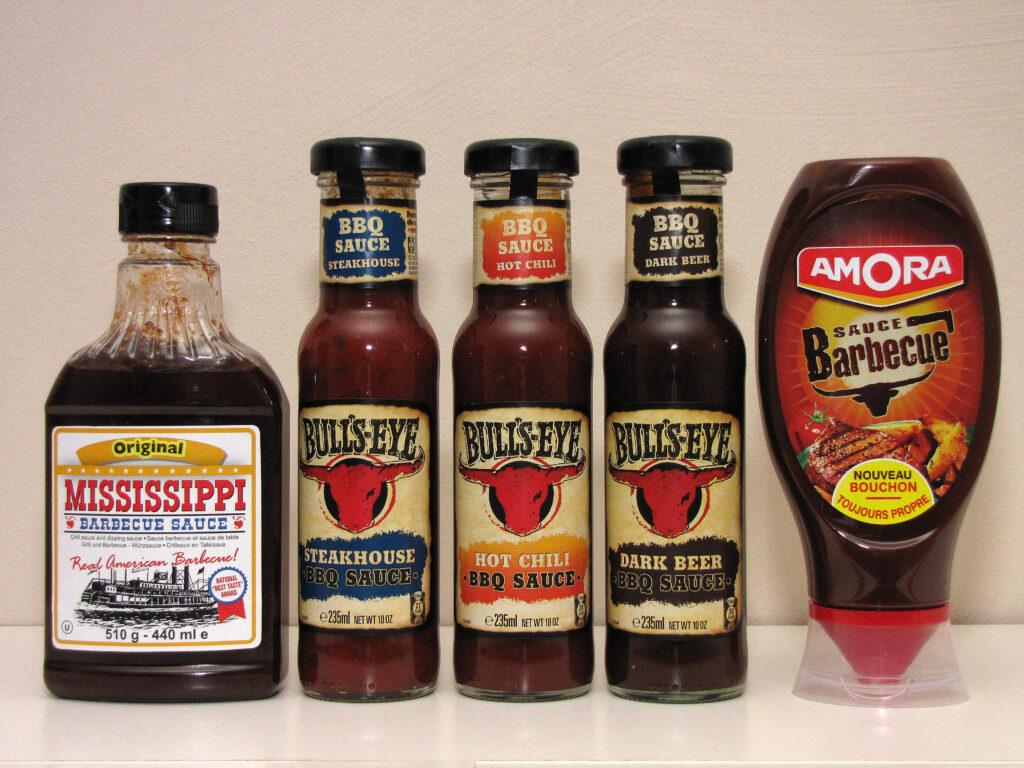
Barbecue sauce sounds smoky, sweet, tangy, and comforting. Then food regulations remind everyone that mass-produced ingredients are not always as pristine as the label art suggests. Ranker points out that tomato-based barbecue sauces may contain tomato products, and FDA defect levels allow for certain tiny amounts of natural defects in processed foods.
This sounds disgusting, but it is also part of how food systems work at scale. Crops come from fields. Fields have insects, mold, dirt, weather, and biology. The lesson is not to panic over every bottle of barbecue sauce. The lesson is that food production is more real, messy, and regulated than the glossy supermarket shelf makes it appear.
Salsa Is Ancient, but Chips Changed the Story
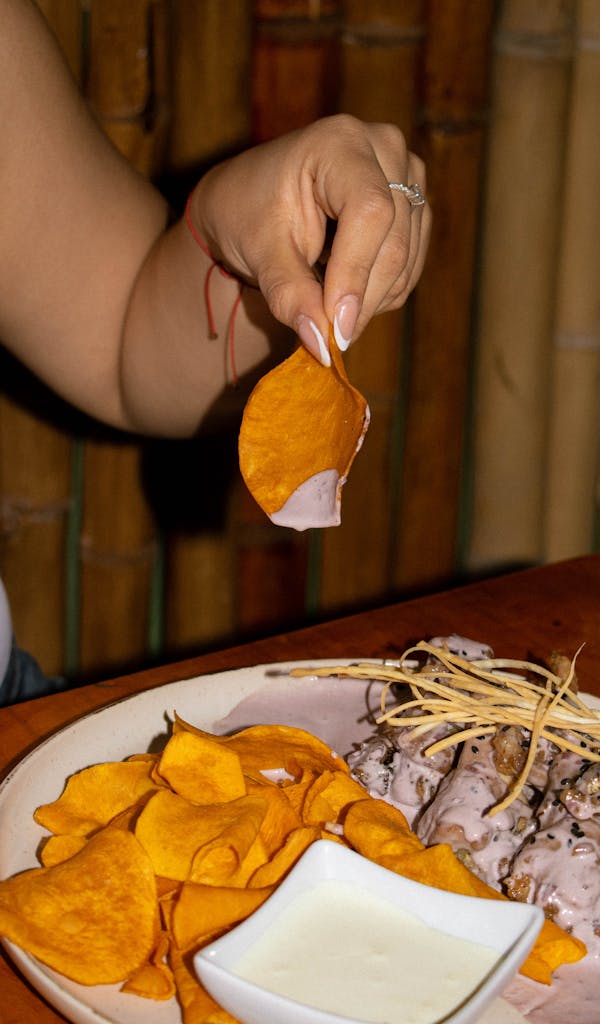
Salsa simply means “sauce” in Spanish, but the versions we know today come from much older food traditions. Ranker links salsa-like sauces to ancient Mesoamerican civilizations and notes that Bernardino de Sahagún documented many chile-based sauces in the Florentine Codex after Spanish arrival in Mexico.
The bowl of salsa next to the tortilla chips is much more modern. Tortilla chips became widely available in the 20th century, and salsa later grew into a major American supermarket brand. What began as a rich family of sauces tied to Mesoamerican cooking became a snack-table essential at game days, parties, and restaurants.
Final Thoughts
Condiments are easy to overlook because they are small. They sit beside the main dish, waiting for someone to squeeze, dip, drizzle, or smear them onto something more important. But these little sauces carry huge stories.
Worcestershire sauce hides fish. Soy sauce depends on mold. Ketchup was once closer to fish sauce. Ranch has food chemistry drama. Salsa has ancient roots. Wasabi is often an imitation. The next time someone says condiments are just extras, hand them the bottle and tell them to read between the ingredients.