When we think of plants, many of us picture them as static, silent beings, rooted in place.
But did you know that plants have some seriously wild secrets? From surprising abilities to incredible adaptations, here are 10 garden facts that might just change the way you look at your own leafy companions.
Plants Can “Talk” to Each Other

Plants communicate in their own way—through chemicals. When a plant gets attacked by pests, it often releases specific chemicals into the air that nearby plants can detect.
These warning signals trigger defensive responses in the plants around them, like producing chemicals that make them less tasty to insects. It’s like nature’s own gossip network!
Plants Can “Hear.”
Yes, plants can hear sound! Studies have shown that plants respond to vibrations, especially those caused by things like buzzing bees or the sound of approaching predators.
The famous vine plant, for example, shows increased growth when exposed to certain vibrations. So, if you’ve ever wondered if your plants react to the sound of your voice, the answer might be yes!
Some Plants Can “Move” in Response to Light

The phenomenon of plants moving toward light, known as phototropism, is no longer a mystery. Plants can sense the direction of light and bend toward it to maximize photosynthesis.
This process is so precise that they seem to “know” where the best light source is and adjust accordingly.
Some Plants Are Carnivores
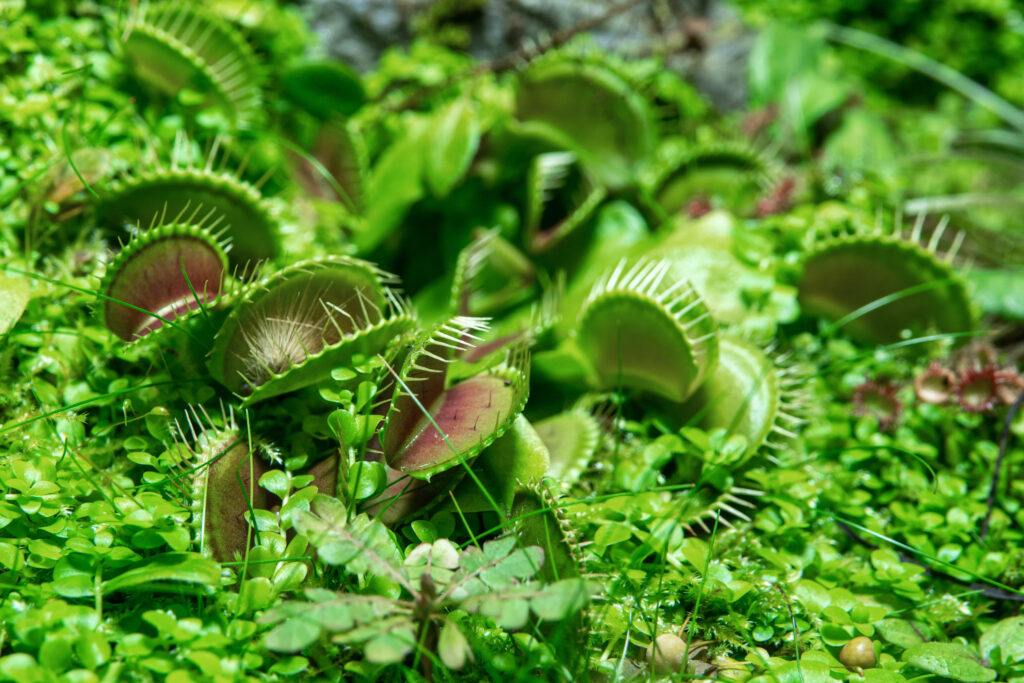
Not all plants live solely on sunlight and water. Some, like the Venus flytrap, have evolved to catch and digest insects.
These fascinating plants have developed specialized mechanisms, such as snap traps or sticky surfaces, to capture their prey. They are expert hunters—just a little less flashy than your typical predator!
Plants Have a “Memory.”
While plants don’t have brains, research suggests they can “remember” past events. For example, if a plant is stressed by something like drought, it may increase its production of stress-related hormones.
The memory of that stress helps the plant respond more effectively if the same situation arises again.
There’s a Hidden “Root Network” Underground
Think your plants are solitary? Think again. Below the surface, plants are part of a vast underground network known as the mycorrhizal network, or “Wood Wide Web.”
Through this fungal connection, plants can share nutrients, water, and even send distress signals to one another during times of drought or disease.
Plants Can “Sense” Gravity
Plants have an incredible ability to “sense” gravity and adjust their growth accordingly. This process, called gravitropism, ensures that plant roots always grow downward (into the soil), while stems grow upward toward the sun. It’s a perfectly coordinated dance of nature—no matter how much you tilt that plant!
Some Plants Can “Outsmart” Their Competition
Plants can be surprisingly competitive. Some species release chemicals into the soil that inhibit the growth of nearby plants, a strategy known as allelopathy.
This is a clever defense mechanism to ensure they get all the sunlight, nutrients, and space they need to thrive—kind of like a plant’s version of claiming territory.
Plants Are the World’s Longest Living Organisms
Many plants are older than we think. Some species, like the bristlecone pine, can live for thousands of years.
The oldest living plant, a clonal colony of quaking aspen, is believed to be around 80,000 years old! It’s mind-boggling to think that the same plant could have been growing for tens of thousands of years.
Plants Can Improve Your Mental Health

Spending time in nature or simply caring for plants has a proven positive impact on our mental health. Studies show that being around plants can reduce stress, lower blood pressure, and boost feelings of happiness.
So, those moments spent tending to your garden might not just be about growing beautiful flowers—they’re also about cultivating your own well-being.