Laundry day often feels like a race. Detergent poured, clothes loaded, temperature dialed up, and start pressed. Hot air seems like the universal solution, but here’s the truth: your dryer is a high-heat, friction-producing machine, and many everyday items simply cannot survive that environment.
Hot dryers can shrink, warp, fade, stretch, melt, or otherwise ruin fabrics and materials you rely on daily. Even seemingly durable garments can be permanently damaged in a single tumble cycle. Understanding which items hate heat, and why, is essential to protecting your wardrobe, shoes, linens, and delicates.
Here’s an in-depth guide to the everyday items you should never put in the dryer, along with expert tips for washing and drying them safely.
Wool Sweaters
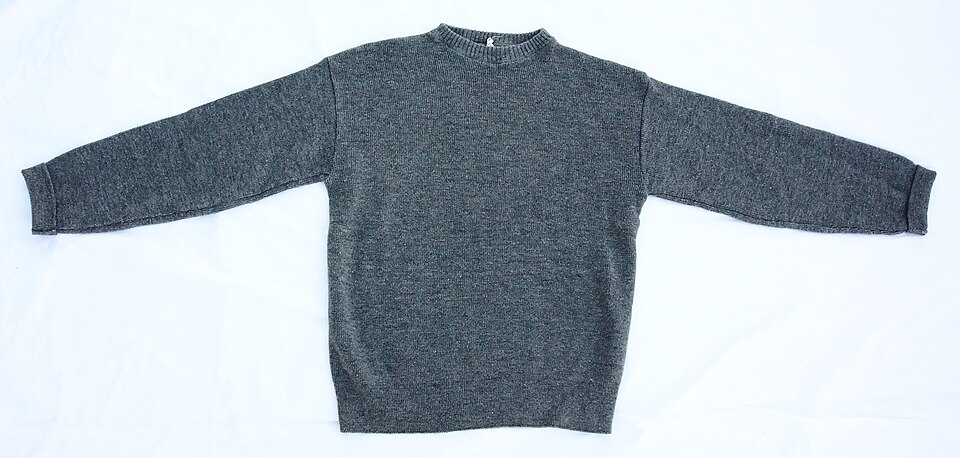
Wool is beloved for warmth, softness, and natural insulation, but it reacts violently to heat. A hot dryer can shrink a sweater from cozy adult size to toddler proportions in a single cycle. Wool fibers have microscopic hooks that lock together under heat, permanently tightening the garment.
Even careful washing won’t undo this shrinkage. The tumbling motion, combined with high temperature, makes it impossible for the fibers to relax. Add any agitation from spin cycles, and the fabric matting can turn a once-fluffy sweater into a dense, stiff lump.
Better alternative: Wash wool in cold water with a mild detergent, gently press out excess water, reshape, and lay flat to dry. Avoid hanging, which stretches fibers unevenly and ruins the garment’s shape.
Bras & Lingerie
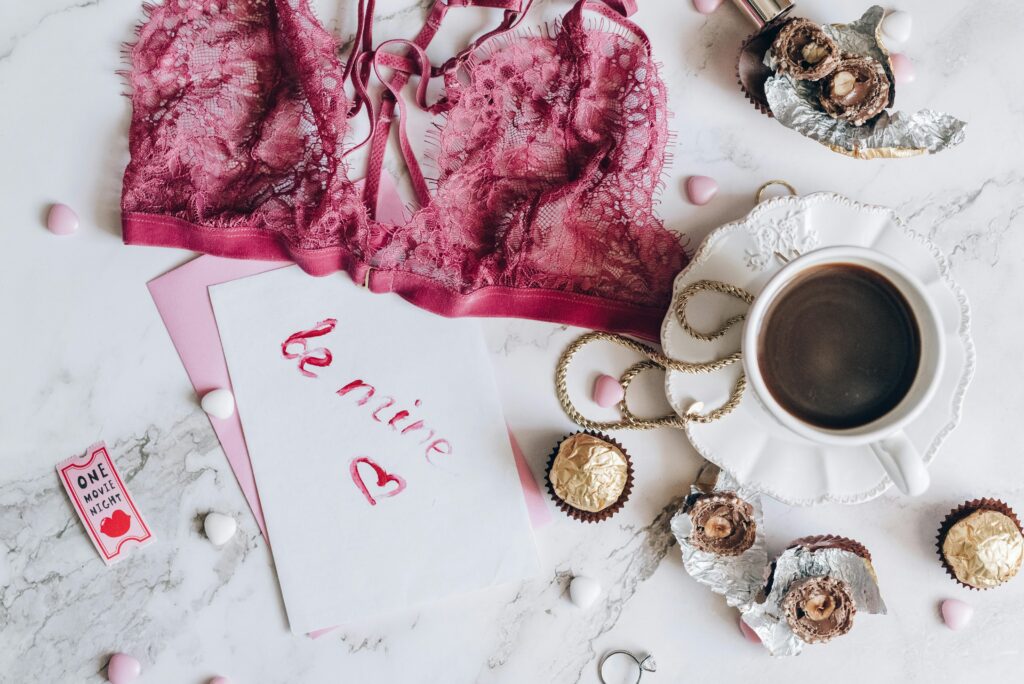
Delicate undergarments rely on elastic bands, padding, structured cups, and lace for both function and form. Hot dryers degrade elastic, warp padding, and can bend or distort wires. Even one tumble cycle risks permanent shape loss.
Luxury bras, vintage pieces, or high-end lingerie are particularly vulnerable. A bra that once provided support and comfort can quickly become saggy, misshapen, or uncomfortable. Frayed lace, twisted hooks, or damaged straps are all common dryer casualties.
Better alternative: Handwash in cold water, or use a lingerie bag for delicate machine cycles. Reshape and air dry flat to maintain support and elasticity.
Swimwear
Swimsuits are designed to hug your body snugly, often incorporating Lycra, spandex, or elastane fibers. Dryer heat weakens these polymers, leaving suits stretched out, saggy, or less comfortable.
Chlorine, salt, and sun exposure already stress the fibers, and high heat accelerates degradation. Even swimsuits that survive a wash cycle intact may lose elasticity after a tumble in hot air.
Better alternative: Rinse immediately after use to remove salt or chlorine, gently squeeze out the water, and lay flat to air-dry. Avoid wringing or twisting, which can also damage fibers.
Shoes With Glue or Foam
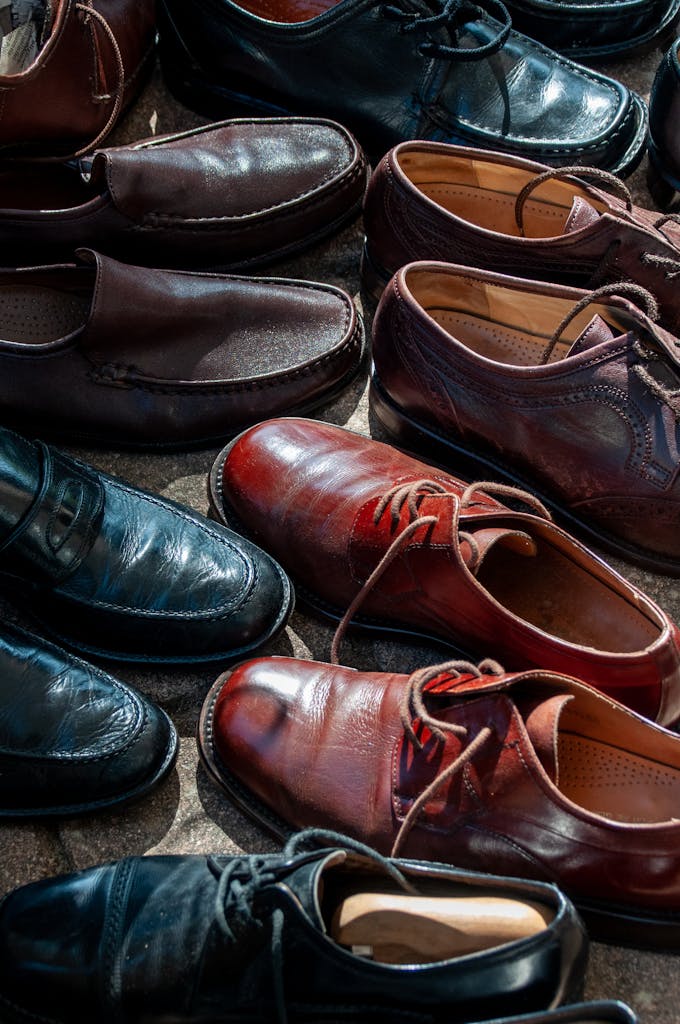
Many sneakers and casual shoes rely on glue or foam to maintain structure. High heat melts adhesives, warps soles, and deforms foam cushioning. Tumbling can also distort the shoe’s shape, creating uneven bends, flattened soles, or wrinkled uppers.
Even minimal heat exposure can permanently damage materials. Glue separating from fabric or leather cracking under high temperatures is a common nightmare for shoes in dryers.
Better alternative: Spot-clean shoes, remove insoles and laces, and air-dry at room temperature. Use a newspaper inside to absorb moisture and help retain shape.
Silk and Satin
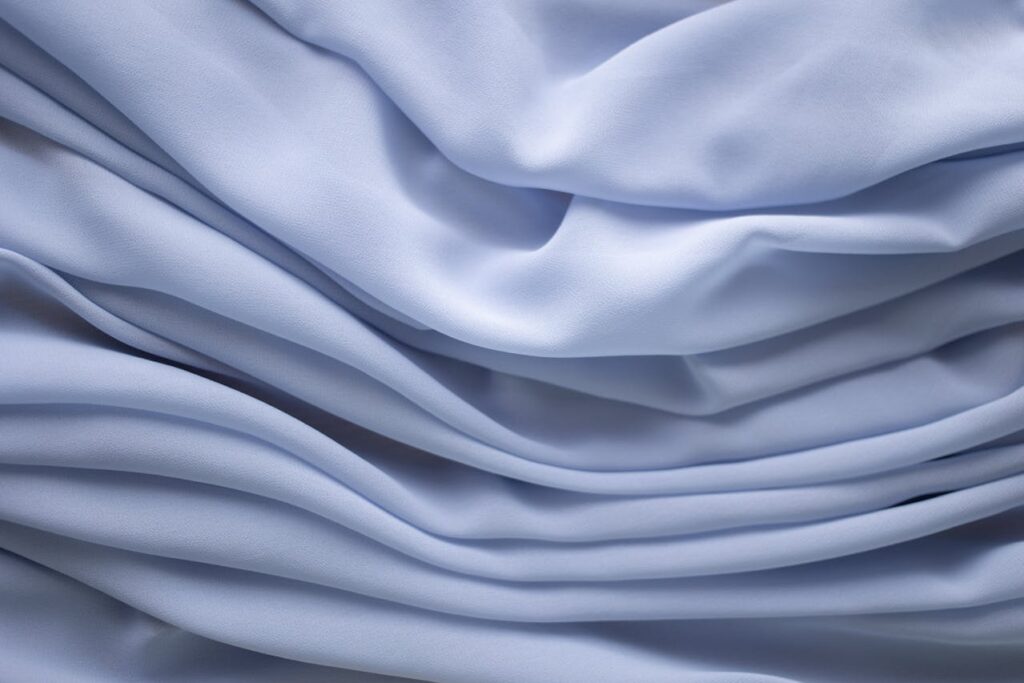
Silk is delicate and protein-based, while satin can be either synthetic or blended. Dryer heat dulls the sheen, weakens fibers, and can shrink or warp fabric.
Even a brief exposure can cause stiffness or change texture, leaving scarves, blouses, or lingerie less luxurious than intended. The fibers become more fragile, making them more prone to tears in subsequent washes or everyday wear.
Better alternative: Hand wash in cold water, gently roll in a towel to remove excess moisture, and lay flat or hang in the shade to dry to prevent fading and preserve texture.
Lingerie With Lace, Hooks, or Embellishments
Lace, sequins, beads, and other decorative accents are highly sensitive to heat and tumbling. Hot dryers fray threads, loosen trims, and can detach delicate components. Hooks can snag other fabrics, creating holes or stretching seams.
Even minor agitation in a dryer can cause lace to unravel, sequins to fall off, or delicate decorations to peel away. These items are often irreplaceable or expensive to repair.
Better alternative: Hand wash or use a mesh bag on a gentle cold cycle, then air dry flat to maintain delicate structures.
Rayon & Viscose
Rayon and viscose resemble cotton and linen but are far more fragile. Heat from a dryer causes shrinkage, twisting, and permanent deformation.
Because these plant-based fibers absorb water quickly, high heat accelerates their weakening. Once damaged, the fabric may become stiff, crumpled, or misshapen, rendering it beyond repair.
Better alternative: cold-water wash, gentle cycle, and air-dry flat. Immediate reshaping while damp prevents distortion.
Curtains & Drapes

Curtains, drapes, and long linens shrink unevenly in the dryer. Heavy fabrics also become harder to iron once heat has altered their length or pleats.
The weight of wet curtains combined with tumbling heat can stretch tops while shrinking bottoms, distorting seams or patterns. Even synthetic blends, often assumed safe, can warp or curl edges.
Better alternative: Air dry or use professional cleaning. Always check care labels for temperature guidance.
Items With Rubber Backing
Bathroom rugs, placemats, and certain mattress protectors often include rubber or vinyl layers. Heat can melt or crack rubber, weakening the structure and leaving sticky residue.
Even brief exposure can peel backing, warp edges, or cause adhesives to fail. This can ruin both the item and your dryer.
Better alternative: Wash in cold water and air-dry flat, or hang to maintain shape and material integrity.
Vintage or Antique Textiles
Old linens, quilts, or embroidered fabrics are fragile. Heat accelerates fiber breakdown, causes shrinkage, and can destroy stitching.
Even one hot dryer cycle can damage heirloom pieces, reducing both sentimental and monetary value. Antique fabrics require gentle handling to survive generations.
Better alternative: Hand wash in cold water, reshape, and lay flat to air dry. Avoid tumble drying completely.
Graphic Tees and Printed Logos
Printed or heat-transfer graphics on shirts are highly sensitive to heat. Dryer heat softens adhesives, causing cracking, peeling, or fading.
Repeated hot drying accelerates this damage, making once-vivid prints look dull and worn. The fabric may survive, but the design quickly loses life.
Better alternative: Turn shirts inside out and air dry to preserve prints and maintain visual appeal.
Items With Metallic Accents
Clothing adorned with buttons, studs, metallic threads, or decorative accents reacts poorly to dryer heat. Metals can expand, loosen adhesives, scratch surrounding fabric, or tarnish.
High temperatures may also oxidize metals, permanently altering the look of garments. These items are safer when air-dried.
Better alternative: Lay flat or hang to air-dry, avoiding prolonged exposure to direct sunlight.
Why Air Drying Is Smarter
Air drying is not old-fashioned; it’s smart. Hot dryers combine heat and friction, which damages fibers, trims, adhesives, and decorations. Air drying preserves:
- Fabric integrity
- Elasticity
- Colors and prints
- Decorative embellishments
- Shape and size
Yes, it’s slower, but the trade-off is clothes, shoes, and linens that last much longer.
Conclusion
Follow care labels. They’re instructions, not suggestions. Hot dryers aren’t a one-size-fits-all solution. Ignoring them risks shrinking, warping, fading, or permanently ruining items. Smart drying protects investment, extends garment life, and ensures your wardrobe looks and feels better for longer. The right drying method is a small step that saves money, stress, and frustration.