A garden can look alive in the morning and start collapsing by evening. One wrong move with water, fertilizer, sun, soil, or pruning can turn strong leaves soft, brown, curled, or lifeless faster than many gardeners expect. The painful part is that most plant deaths do not begin with dramatic warning signs. They start with small habits that feel harmless, generous, or even responsible.
We often think plants die because we neglected them, but many gardens fail because we overdo the care. Too much water, too much feeding, too much mulch, too much pruning, and too much afternoon heat can stress a plant beyond recovery. A thriving garden needs balance, timing, and restraint. These are the gardening mistakes that can kill plants fast and the smarter habits that help keep roots, leaves, flowers, and fruit alive.
Overwatering Plants Until the Roots Suffocate

Water keeps plants alive, but too much water can kill them faster than thirst. Roots need oxygen as much as they need moisture. When soil stays soaked for too long, air pockets disappear, roots weaken, and rot can begin below the surface before the leaves show obvious trouble. A plant may look thirsty because its leaves droop, but the real problem may be that its roots are drowning.
We should never water only because the top of the garden looks dry. The better habit is to check the soil below the surface with a finger, a moisture meter, or a small trowel. Many plants prefer deep, less frequent watering instead of daily soaking. University extension guidance warns that overwatering can lead to root rot and even kill trees, especially when nearby lawn irrigation adds hidden extra water.
Planting in Soil That Holds Water Too Long
Bad drainage can quietly ruin a garden even when watering habits are careful. Heavy clay, compacted soil, low spots, and containers without drainage holes can trap water around roots. The plant may start with yellow leaves, weak stems, slow growth, or sudden wilting. By the time we notice the decline, the root system may already be damaged.
We should treat drainage as a life support system, not a small detail. Raised beds, amended soil, wider planting holes, and containers with clear drainage holes can prevent many fast plant failures. Some plants, especially berries and many vegetables, struggle in waterlogged soil and need well-drained growing areas. Extension guidance for raspberries, for example, recommends avoiding heavy, waterlogged soils and using raised rows or raised beds when drainage is poor.
Using Too Much Fertilizer and Burning the Plant

Fertilizer feels like food, so many gardeners assume more is better for growth. That mistake can burn roots, scorch leaves, and force weak, unnatural growth that plants cannot support. High nitrogen fertilizers may create lush leaves at first, but that soft growth can become more vulnerable to pests, disease, heat, and breakage. Liquid fertilizers can be especially risky because they act quickly and are easy to overapply.
We should feed plants based on need, not panic. Slow growth does not always mean hunger. It may mean poor light, bad drainage, compacted soil, temperature stress, or root damage. Oregon State University Extension notes that conventional fertilizers are highly soluble, which makes them easier to overapply and more likely to burn plants, especially in liquid form.
Piling Mulch Against Stems and Tree Trunks
Mulch can protect soil, reduce weeds, conserve moisture, and improve the look of a garden bed. The danger begins when mulch becomes a thick mound pressed against stems, crowns, or tree trunks. This common mistake traps moisture against the bark and soft tissue, inviting decay, insects, disease, and root problems. A beautiful mulch ring can become a slow-moving trap.
We should spread mulch like a blanket over the soil, not like a volcano around the plant. Keep it pulled away from trunks and stems so the plant can breathe at the base. The University of Maryland Extension warns that excessive mulch can reduce soil oxygen, suffocate roots, and cause roots to die. It also advises pulling mulch back so it does not touch bark.
Watering Leaves Instead of the Soil

A quick spray over the whole garden may look refreshing, but wet leaves can create trouble fast. Many fungal problems thrive when leaves stay damp, especially during humid weather, cool evenings, or crowded planting conditions. Sprinklers and careless hose spraying can keep foliage wet longer than necessary. This can lead to spots, mildew, blight, and a fast decline in vulnerable plants.
We should aim water at the soil, not the leaves. Drip irrigation, soaker hoses, watering cans with narrow spouts, and gentle soil-level watering all help protect foliage. This habit also sends water closer to the root zone, where plants actually use it. Minnesota Extension recommends watering cucumbers with a drip hose, soaker hose, or careful soil watering to keep leaves dry, rather than spraying plants with a hose or sprinkler.
Putting Sun-Loving Plants in Shade or Shade Plants in Harsh Sun
Light mistakes can quickly kill plants because sunlight regulates plant energy, water loss, leaf temperature, and growth strength. A sun-loving plant placed in deep shade may stretch, weaken, stop flowering, and become more vulnerable to pests. A shade-loving plant placed in the hot afternoon sun may scorch, wilt, and collapse even when the soil is moist. The plant is not being difficult; it is simply living in the wrong place.
We should study the garden before planting. Morning sun, afternoon sun, filtered shade, full shade, reflected heat from walls, and heat from concrete all matter. Plant labels are helpful, but the real garden conditions matter more. Penn State Extension emphasizes that plants placed in the wrong location will not thrive and can become more susceptible to future problems.
Pruning Too Much at the Wrong Time
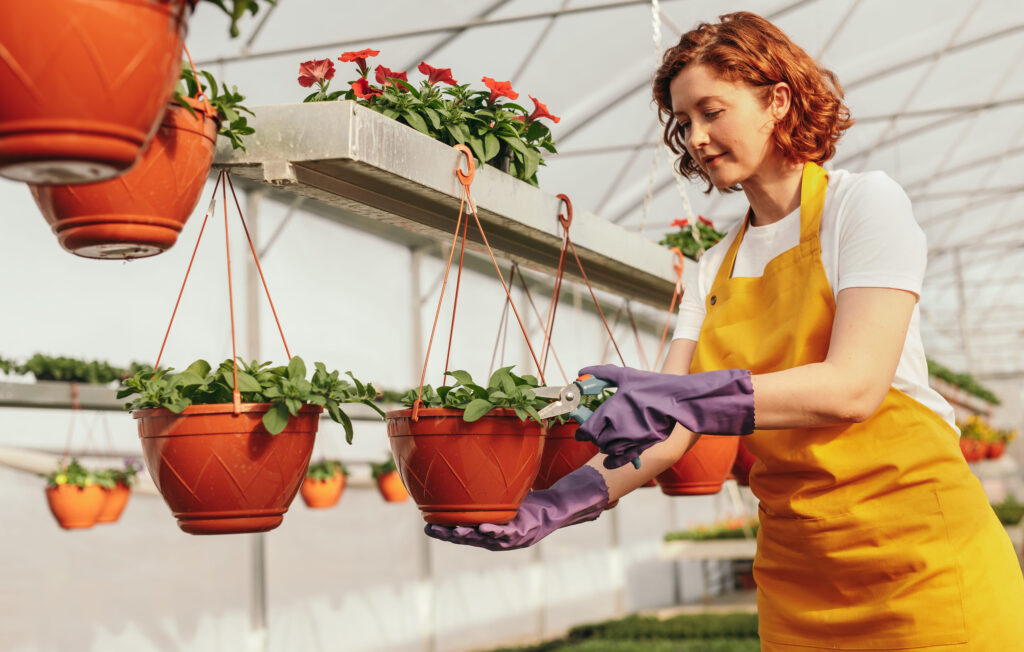
Pruning can save a plant, shape it, and encourage healthier growth. It can also shock a plant when done carelessly. Cutting too much at once removes leaves that produce energy, exposes tender growth to sunburn, opens wounds during disease-prone weather, and may remove next season’s flower buds. A heavy pruning session can turn a stressed plant into a dying one.
We should prune with purpose, not frustration. Dead, diseased, rubbing, or broken branches should come first. Clean tools matter because dirty blades can spread disease from one plant to another. Timing also matters because some shrubs bloom on old wood, some bloom on new growth, and some resent heavy cutting during heat or drought. Good pruning is careful surgery, not a haircut given in anger.
Ignoring Early Pest and Disease Warning Signs
Plant problems rarely stay small for long when the garden is warm, crowded, wet, or stressed. A few sticky leaves can become a pest outbreak. A small powdery patch can spread across a flower bed. One diseased seedling can collapse and infect nearby seedlings when airflow is poor, and the soil stays too wet. Waiting too long gives pests and diseases a head start.
We should inspect plants often, especially the undersides of leaves, stem joints, new growth, and the soil line. Yellowing, spots, holes, webbing, white powder, sticky residue, mushy stems, and sudden wilting deserve attention. Minnesota Extension notes that damping-off pathogens thrive in cool, wet conditions, and problems such as overwatering, low light, and high salt levels from overfertilizing can increase seedling losses.
Conclusion
The fastest way to kill plants is not always neglect. Many plants die because we love them too much. We water too often, feed too heavily, mulch too deeply, prune too aggressively, or plant them where they cannot survive. A healthy garden rewards patience, observation, and early small corrections.
If we want stronger plants, we need to stop treating every wilted leaf like a crisis and start reading the whole plant. Soil, roots, light, airflow, water, and timing all work together. Once we respect that balance, gardening becomes less about luck and more about steady, intelligent care.