Kitchens are meant to be the heart of the home, but too often they become frustrating spaces where cooking feels like a chore. Whether you’re an experienced chef or someone who just wants a quick meal, your kitchen layout and design can make or break your cooking experience. If you’ve ever found yourself scrambling for ingredients or tripping over clutter, chances are your kitchen might be working against you. Here are six major design mistakes that could be making your cooking process harder than it needs to be.
You Design for Trends Instead of Reality
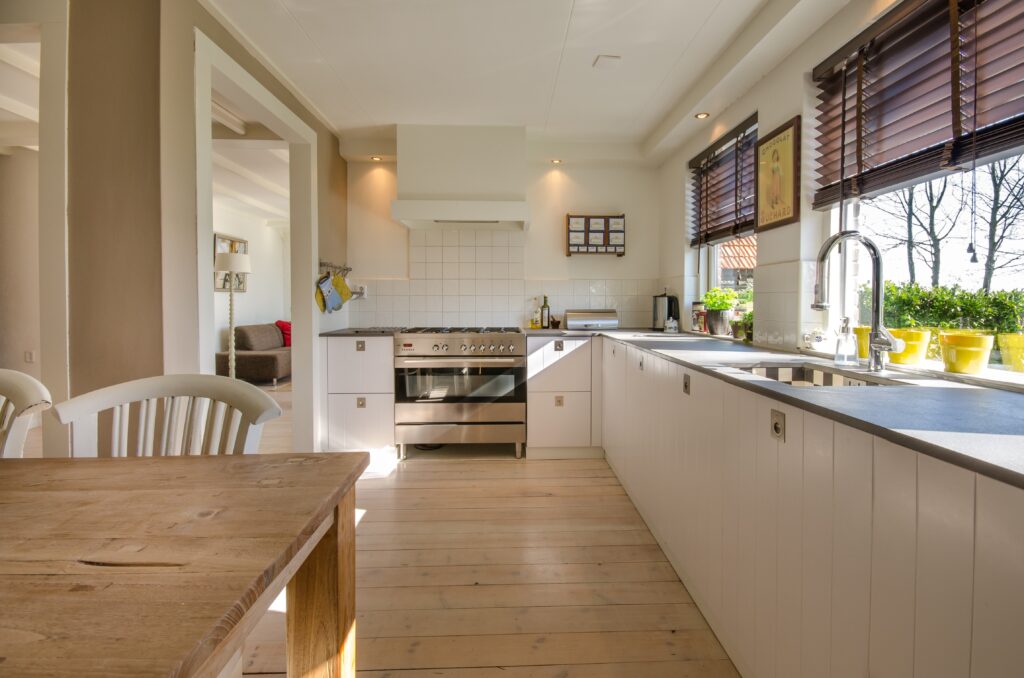
Many kitchens fall victim to trendy designs that look good in magazines but don’t necessarily support how you cook. From oversized islands to minimalist counters, these trends often overlook the practical needs of daily cooking. If your kitchen layout is based on what looks good rather than how you use the space, you’ll find yourself constantly rearranging or searching for things. For instance, open shelving might look chic, but it can easily turn into a cluttered mess if not thoughtfully organized.
You Ignore the Basic Workflow
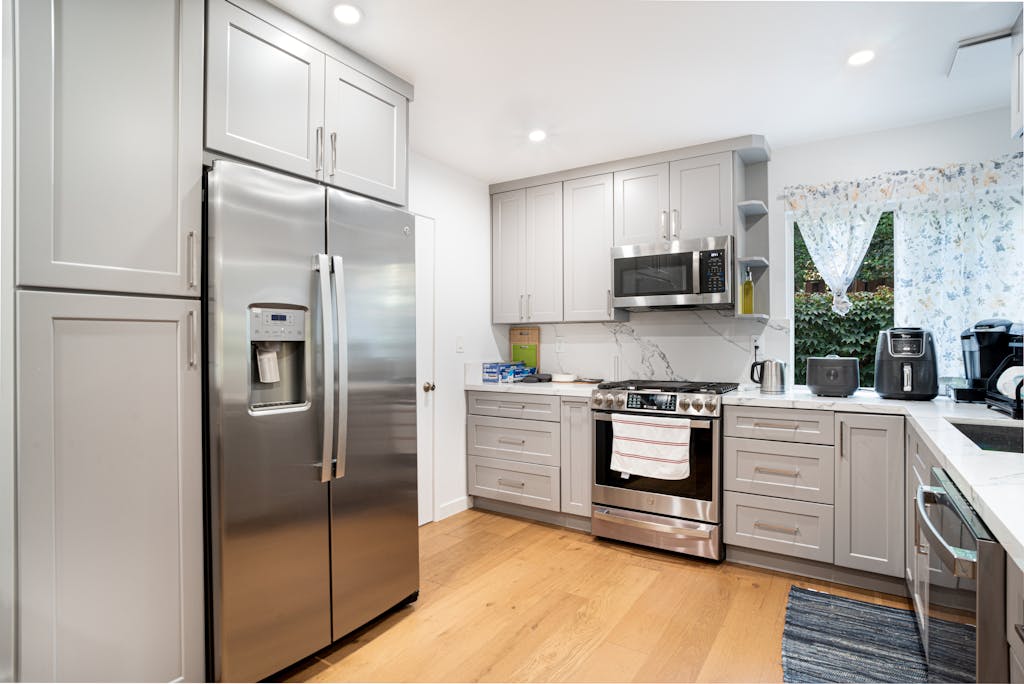
The kitchen triangle, a classic design principle that arranges your stove, sink, and fridge in a triangle, is often ignored in modern kitchens. This basic workflow allows for efficient movement while cooking, but when these zones are too far apart, you’re forced to move more than necessary. A poorly designed kitchen means constant back-and-forth trips that take up time and energy, making cooking feel like a never-ending task.
You Let Zones Blur Together
A major pitfall in kitchen design is failing to separate cooking, prepping, and cleaning areas. If all your tasks happen in the same space without clear separation, it leads to inefficiency and frustration. Preparing food in a cluttered space or washing dishes in an area where you also chop vegetables means more mess and confusion. With distinct zones for each activity, you’ll be able to move through your tasks more smoothly and keep your workspace organized.
You Choose Hard-to-Use Appliances
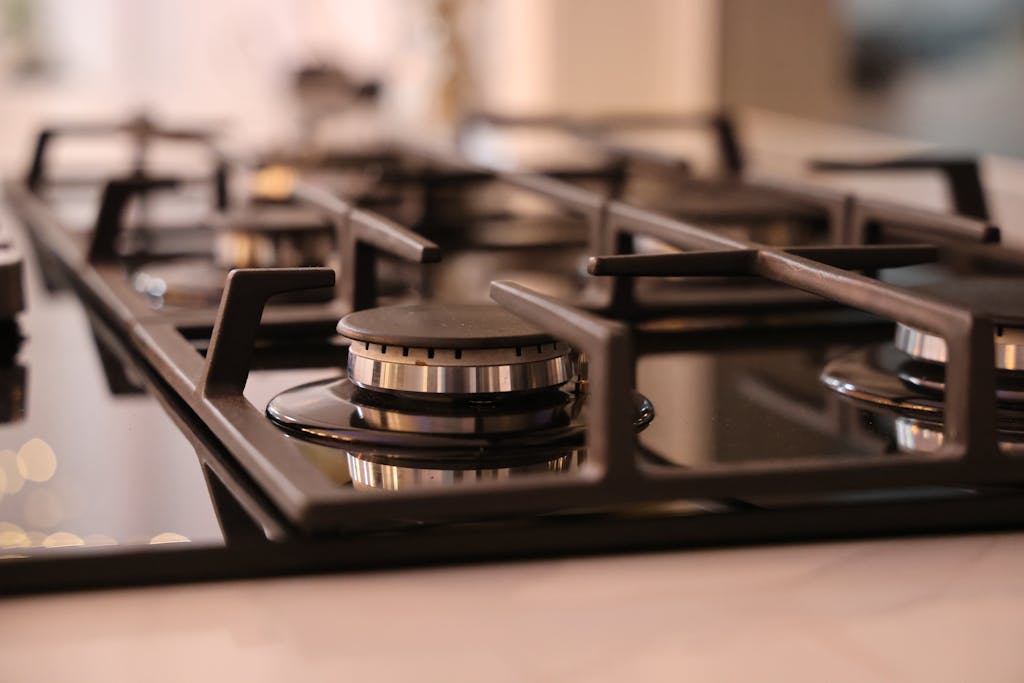
In an effort to save time or money, some kitchen owners opt for appliances that aren’t easy to operate or maintain. Certain models of stovetops, refrigerators, or dishwashers are difficult to clean or have confusing features, which only adds to the long-term frustration. If an appliance takes longer to clean than to use, it defeats its purpose. Choose appliances that are intuitive, easy to clean, and suited to your cooking style to avoid adding more stress to your routine.
You Pick High-Maintenance Materials
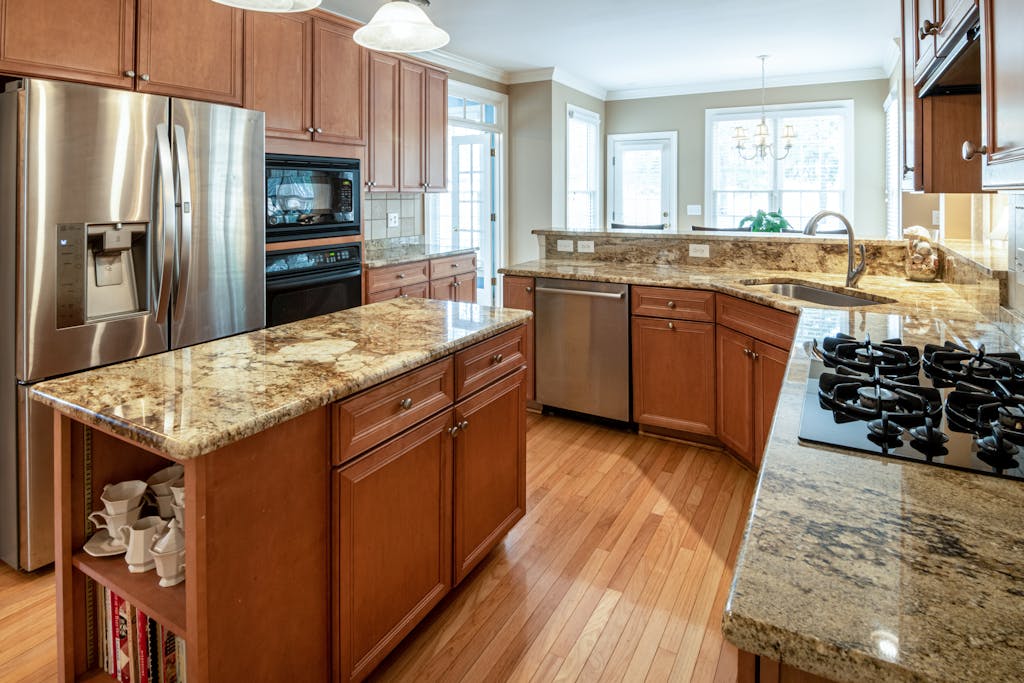
While marble countertops and sleek wooden finishes may look stunning, they often come with hidden maintenance costs. Materials that stain easily, scratch with minimal effort, or require constant resealing can become more of a hassle than they’re worth. High-maintenance materials make it difficult to keep your kitchen looking pristine, and any mishap can become an expensive fix. Opt for durable, low-maintenance materials that stand up to daily use while keeping your space beautiful.
You Store Items Far from Where You Need Them
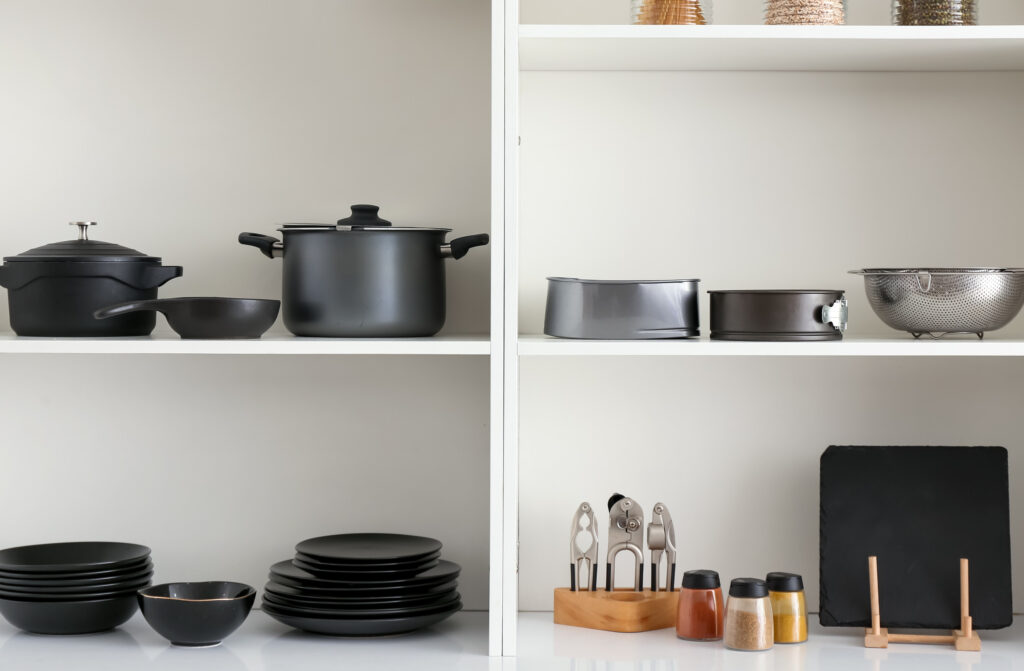
A kitchen is only as efficient as its organization system. When pots and pans are stashed far from the stove, or utensils are across the room from the prep area, you’re left with unnecessary back-and-forth. Storing items according to your workflow can save precious seconds throughout your meal preparation, allowing you to focus on what really matters. Consider keeping your most-used items within arm’s reach to reduce clutter and improve efficiency.
Conclusion
It’s easy to get caught up in kitchen trends or fall for appliances that promise to make life easier. However, if your kitchen design isn’t tailored to your habits, it can quickly become a space that’s more frustrating than functional. By avoiding these six common design mistakes, you’ll create a kitchen that works with you, not against you, making cooking a far more enjoyable experience. Remember, a kitchen should be designed with purpose, not just aesthetics. So, take a step back and evaluate whether your kitchen truly supports the way you cook and live.