Tax season is over, but your tax records? They stay with you. Once you file your return, it’s tempting to think the hard work is done. However, how you manage your tax records after the fact can have a huge impact—both positive and negative—on your financial future. Here are eight key mistakes you might be making when it comes to storing your tax records, and how you can easily fix them to avoid headaches down the road.
Hoarding Everything Instead of Keeping What You Actually Need
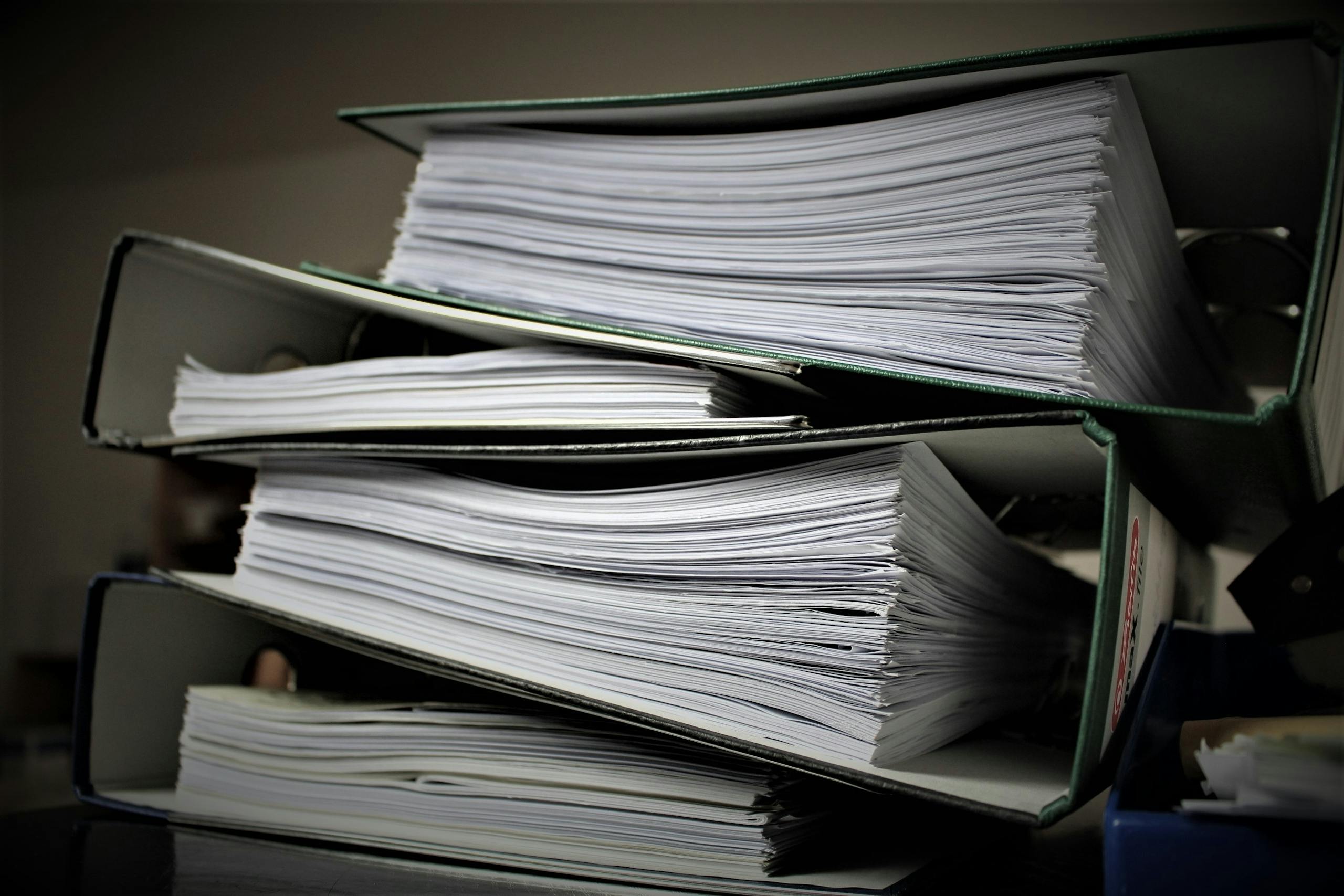
There’s a natural tendency to think that if one document is important, then every document is important. As a result, people hoard tax receipts and paperwork, fearing they might need them later. The problem? Keeping everything leads to a mountain of clutter and confusion, especially when it’s time to go through the records.
The fix? Keep only what’s relevant for your tax filings. If you take the standard deduction, for example, you don’t need to keep every medical receipt or charitable donation record. Instead, focus on essential items like business receipts, property sale documents, and proof of major purchases. This will make it easier to stay organized and keep only the documents that really matter.
Throwing Away Documents Too Soon
After filing your taxes, it’s tempting to get rid of everything. “I’m done,” you think, tossing receipts and forms in the trash. But this can come back to bite you. What happens if the IRS decides to audit you years later and you no longer have the necessary documentation to back up your claims?
The fix? Hold on to your tax records for at least three years. That’s the standard IRS audit period, so make sure to keep W-2s, 1099s, and all receipts that support your deductions. Tossing documents prematurely can lead to unnecessary stress, so stay ahead of any potential issues by organizing and storing these records safely for a few years.
Sticking to Paper Instead of Going Digital

Paper documents are reliable, but let’s be honest: they can fade, tear, or even get lost in a disaster. And what happens when you go to pull out an important receipt, only to find it illegible or missing altogether?
The fix? Go digital with your records. Scanning receipts, forms, and important documents is the easiest way to protect your records long-term. Store them securely in the cloud or on an external hard drive, so you can access them anytime without worrying about losing physical copies. This simple move will not only save you space but also safeguard your records for years to come.
Throwing Away Property Records Too Soon
Selling property? You might think that once the sale is done, there’s no need to hold onto the associated paperwork. That’s a misstep that can cost you when it’s time to calculate your capital gains or claim deductions for depreciation.
The fix? Keep property-related records for as long as you own the property and a bit longer. These documents are essential for calculating gains and losses when you sell, as well as for tracking depreciation if you’ve claimed it in previous years. This includes things like mortgage documents, property purchase and sale records, and home improvement receipts.
Storing Documents in Unsafe Locations

Some people store their important tax documents in places like random drawers or cardboard boxes. These are hardly secure spots for something as important as your financial records. In fact, this increases the chances of theft, damage, or simply misplacement.
The fix? Invest in a fireproof safe or a locked filing cabinet to protect your tax records. If you must keep hard copies, these storage options will help protect your sensitive information from theft or destruction. Plus, organizing your records chronologically by year will make it easier to find what you need when tax time comes around.
Shredding Documents Too Soon
Once you’ve held onto your tax records for the required number of years, it might feel like the right time to start shredding everything. But be careful—not everything should be shredded once the IRS statute of limitations has expired. Other organizations (like your insurance company or creditors) may still need certain records, even if the IRS doesn’t.
The fix? Shred documents only once you’re sure they’re no longer needed. After three to six years, go ahead and get rid of anything that doesn’t serve a purpose. But always double-check whether you might need the documents for other obligations. This careful approach will keep your home organized while protecting your personal information.
Failing to Hold Records for Six Years After Underreporting Income

Here’s a common mistake: underreporting income, whether intentionally or by accident. If you fail to report more than 25% of your income, the IRS can extend its audit window to six years. This means your records need to be kept longer than the typical three-year timeframe.
So what’s the fix? Keep all your related income documentation for six years if you made this error. That includes bank statements, 1099s, and any other forms of income you may have missed reporting. Failing to keep these records could lead to penalties, so don’t skip this critical step!
Neglecting Regular Reviews of Your Tax Records
It’s easy to forget about your tax records once you’ve filed. But leaving them unchecked for too long can lead to missed opportunities or issues that could have been easily caught earlier. Maybe you missed a deduction, or perhaps something’s not adding up correctly.
The fix? Set a regular schedule to review your tax records. At least once a year, take the time to review everything and ensure all your documentation is accurate and up to date. This way, you’ll spot mistakes early, avoid unnecessary stress, and be prepared when tax season arrives.
Conclusion
Your tax records might not seem important until you need them, but mishandling them can result in a mess of problems. By avoiding these common mistakes, you’ll stay ahead of the game and ensure that your tax records are in good shape for years to come.
So, how well are you keeping your tax records organized? Now that you know what mistakes to avoid, it’s time to take action. Get rid of the clutter, digitize your records, and review them regularly. By following these simple steps, you’ll be better prepared to tackle taxes now—and in the future.