Walking into a musty-smelling home is more than just unpleasant; it’s a sign that something’s off, and ignoring it can lead to bigger, more expensive problems down the road. Whether it’s mold, leaks, or poor ventilation, musty odors are often caused by hidden issues that need immediate attention. Don’t just mask the smell with air fresheners; let’s dig deeper into the root causes and show you how to fix them fast.
Mold and Mildew Growth in Hidden Spaces
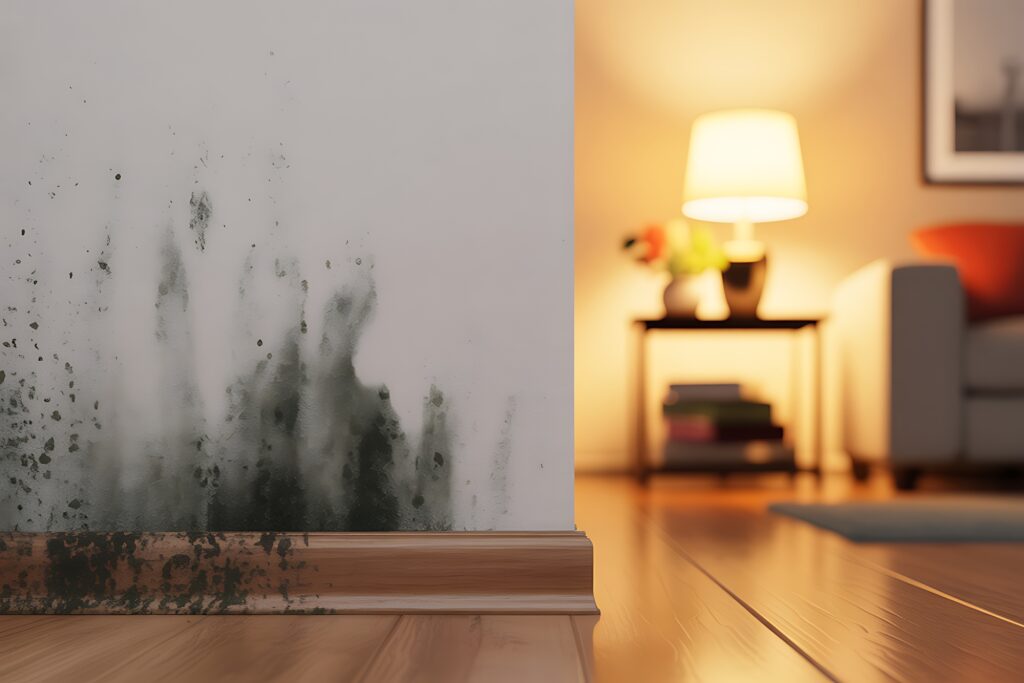
Mold thrives in damp, warm environments, making it one of the primary culprits behind musty odors. Attics, basements, and crawl spaces are common areas where mold can grow unnoticed. Mold can cause significant health issues, including respiratory problems and allergic reactions.
Solution: The first step in eliminating mold-related smells is identifying the source. Check areas that are prone to moisture, such as bathrooms, kitchens, and basements. If mold is present, clean it with a mixture of water and bleach or a specialized mold remover. For larger infestations, consider hiring a professional mold remediation service.
Poor Ventilation
A lack of proper airflow can lead to moisture accumulation, which in turn can cause musty smells. Insufficient ventilation often results in stale air that can quickly become laden with odors from cooking, dust, and moisture.
Solution: Ensure that your home is properly ventilated, especially in high-moisture areas like bathrooms and kitchens. Install exhaust fans where necessary, and consider using dehumidifiers to reduce humidity levels. Opening windows regularly can also help to refresh indoor air.
Damp Carpets and Upholstery

Carpets and upholstery can absorb moisture from spills, humidity, and poor ventilation, leading to musty odors. When moisture is trapped in these materials, it creates the perfect breeding ground for mold and mildew.
Solution: Clean carpets and upholstery thoroughly with a vacuum cleaner equipped with a HEPA filter, then apply specialized cleaning solutions for fabric and fibers. If the musty smell persists, professional cleaning or even material replacement may be necessary.
Clogged Gutters and Roof Leaks
Clogged gutters can cause rainwater to back up and seep into your home, particularly in areas where the roof or walls are vulnerable. This stagnant water leads to moisture buildup in your walls, ceilings, or attic, contributing to musty odors.
Solution: Clean your gutters regularly to ensure proper drainage and prevent water damage. Inspect your roof for leaks, and repair any areas where water may be entering your home. Installing gutter guards can also help prevent debris from accumulating.
Water Damage from Leaking Pipes

Leaky pipes are a hidden source of moisture in homes, often leading to mold or mildew growth. Over time, water damage from leaking pipes can weaken structures, leading to musty odors that are difficult to eliminate without addressing the source.
Solution: Check your plumbing system for leaks, focusing on areas beneath sinks, around water heaters, and near appliances. If you notice any leaks, get them repaired immediately. After fixing the leak, dry out affected areas with fans or a dehumidifier to prevent mold growth.
Dirty HVAC Systems
Your heating, ventilation, and air conditioning (HVAC) system can also harbor bacteria, dust, and moisture, all of which contribute to musty smells. When the system circulates air through the home, it can spread these odors to every room.
Solution: Regularly clean and maintain your HVAC system, including replacing filters and cleaning ducts. Consider using a professional HVAC cleaning service if the system is particularly dirty or clogged. Installing a high-quality air purifier can also help eliminate airborne odors.
Old or Contaminated Water in the Toilet Tank

Musty odors can sometimes emanate from the toilet itself, especially if the tank water has become stagnant or contaminated. This often occurs in unused bathrooms or homes that are unoccupied for long periods.
Solution: Flush the toilet regularly, even in unused bathrooms. Clean the toilet tank with a vinegar-and-water mixture to remove any buildup or mold. If the smell persists, check for leaks or water issues that may be causing stagnation.
How to Prevent Musty Smells from Returning
Control Humidity Levels
The key to preventing musty smells in your home is controlling the humidity levels. The ideal indoor humidity level should be between 30% and 50%. Anything higher creates an environment conducive to mold and mildew growth.
Use a hygrometer to monitor the humidity levels in your home. If the humidity is consistently high, consider installing a dehumidifier in the most affected rooms, such as basements and bathrooms.
Regular Maintenance and Cleaning
A clean home is less likely to harbor the conditions that cause musty odors. Regular cleaning and maintenance can go a long way in preventing odors from developing.
Dust and vacuum your home regularly, focusing on areas where moisture can accumulate, such as behind appliances and under furniture. Clean carpets, upholstery, and drapery as part of your regular housekeeping routine.
Proper Insulation and Waterproofing
Proper insulation and waterproofing can help prevent moisture buildup in your home. Insulating attics and basements can prevent condensation, while waterproofing your basement and foundation can stop moisture from seeping into your home.
Install vapor barriers in crawlspaces and basements to prevent moisture from seeping in. Apply sealant to windows and doors to prevent drafts and condensation. Consider professional waterproofing services for areas particularly prone to moisture.