When it comes to cancer prevention, most people focus on lifestyle changes like quitting smoking, exercising, and getting enough sleep. While these are essential steps toward a healthier life, what you eat also plays a significant role in your cancer risk. Many of the foods you consume regularly, even those considered “normal” or “innocuous,” could be increasing your cancer risk without you even realizing it.
From processed meats to sugary drinks, certain foods contain ingredients that, when consumed over time, can raise your risk of developing cancer. It’s not just about cutting out unhealthy foods; it’s about making smarter choices that support your long-term health and reduce the harmful impact these foods may have on your body. Here are eight common foods that might be quietly raising your cancer risk.
Processed Meats Are a Hidden Cancer Risk
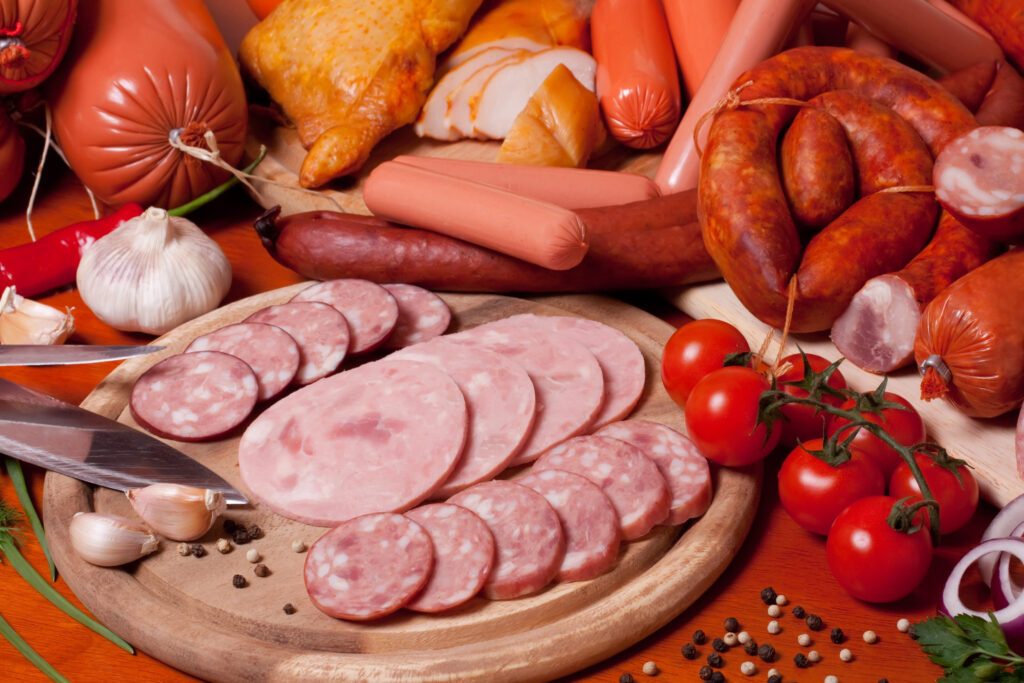
Processed meats such as hot dogs, bacon, sausages, and deli meats are strongly linked to a higher risk of colorectal, stomach, and pancreatic cancers. These products often contain nitrates and nitrites, which can form cancer-causing nitrosamines during digestion. The World Health Organization classifies processed meats as a Group 1 carcinogen, confirming their cancer risk. Reducing processed meat consumption and choosing lean meats, fish, or plant-based proteins can help lower your cancer risk and support better health.
Refined Sugars Are Feeding Cancer Cells
Refined sugars, found in sugary drinks, pastries, candy, and processed snacks, contribute to cancer risk by raising insulin levels and promoting inflammation. These effects are linked to cancers such as breast, liver, and colorectal. High sugar intake can also increase insulin resistance, encouraging cancer cell growth. Limiting refined sugars and choosing naturally sweet foods or healthier alternatives like stevia or honey in moderation can help stabilize blood sugar and reduce cancer risk.
Alcohol Is a Silent Cancer Contributor

While many people enjoy an occasional drink, alcohol consumption is a known risk factor for various types of cancer, including liver, breast, and mouth cancers. Alcohol is metabolized in the liver, where it is converted into acetaldehyde, a toxic substance that can damage DNA and promote the growth of cancer cells. Moderate drinking, defined as one drink a day for women and two for men, increases the risk of developing breast cancer in particular.
Furthermore, alcohol lowers the body’s ability to absorb important nutrients, like folate, that are crucial for healthy cell function. Reducing alcohol intake or opting for alcohol-free days can significantly lower your cancer risk and promote overall health.
Fried Foods Are Cancer-Linked Compounds in the Crunch
Fried foods are beloved by many for their crispy texture and delicious taste, but they contain harmful compounds that can increase the risk of cancer. When foods are fried at high temperatures, especially in oils that are reused multiple times, they form substances like acrylamide, which has been linked to an increased risk of certain cancers, including breast, ovarian, and pancreatic cancers.
Acrylamide is a known carcinogen and forms naturally when starchy foods such as potatoes and grains are cooked at high heat. The darker the food is fried, the higher the acrylamide levels. Choosing to bake, grill, or steam foods rather than fry them can help reduce the formation of these harmful compounds while still providing flavorful meals.
Canned Foods Have BPA and Cancer Risk
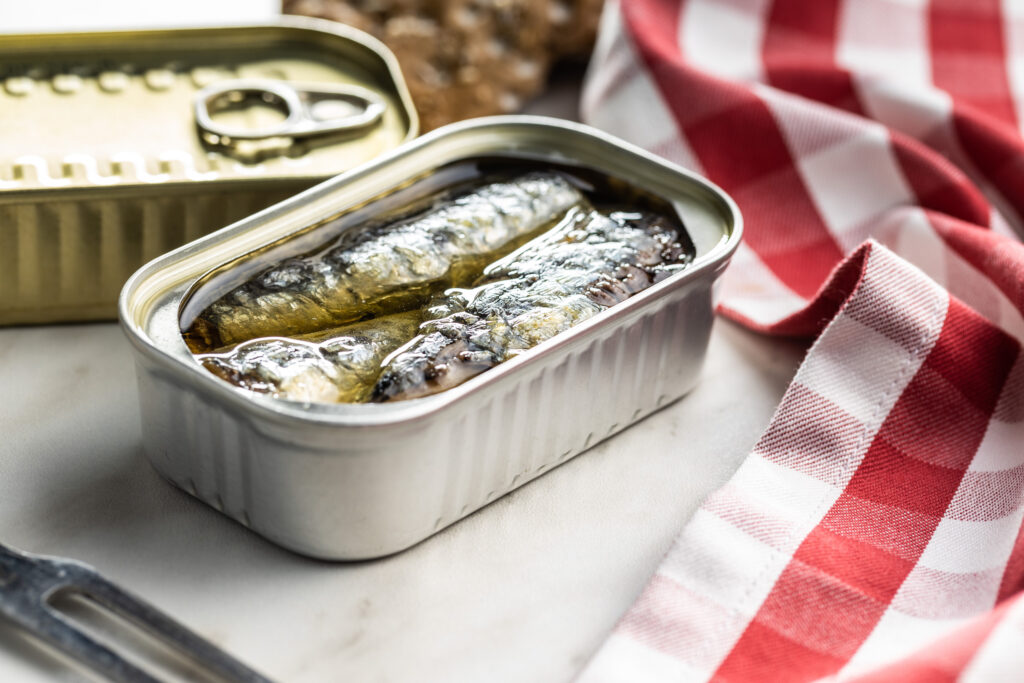
Canned foods are convenient and have a long shelf life, but they may come with hidden health risks. Many canned foods are lined with bisphenol A (BPA), a chemical used to prevent rust and preserve the food. BPA is a known endocrine disruptor, meaning it can interfere with hormone regulation in the body, and has been linked to an increased risk of breast, prostate, and other hormone-related cancers.
Even though many companies have started producing BPA-free cans, the alternatives are not always much safer. To reduce your exposure to BPA and other harmful chemicals, opt for fresh, frozen, or glass containers that don’t contain them.
Grilled and Charred Meats Are Carcinogenic Chemicals from the Grill
Grilling is a popular cooking method, especially in the summer months, but it comes with some hidden risks. When meat is cooked at high temperatures, especially when it is grilled, charred, or even smoked, HCAs and PAHs form, which can damage DNA, leading to mutations that may trigger cancer.
The risk is higher when meat is cooked well done or charred. Reducing the amount of grilled and charred meats in your diet, marinating meat before grilling (which has been shown to reduce HCA formation), and opting for leaner cuts of meat or plant-based alternatives can help lower your cancer risk.
Refined Carbohydrates Are the Hidden Health Dangers

Refined carbohydrates, found in white bread, pasta, pastries, and other processed foods, have become a major part of the modern diet. These foods are low in fiber and high in sugar, causing rapid spikes in blood sugar. This can lead to insulin resistance, inflammation, and increased fat storage around the abdominal area, all of which are linked to cancer development.
Diets high in refined carbs contribute to an increased risk of colorectal, breast, and pancreatic cancers. Replacing refined carbs with whole grains, legumes, and fibrous vegetables can help maintain stable blood sugar levels and reduce inflammation, lowering the risk of developing cancer over time.
Artificial Sweeteners Are the Hidden Danger in Your Favorite Diet Foods
Many people turn to artificial sweeteners, such as aspartame and sucralose, to reduce their sugar intake while still satisfying their sweet cravings. However, some studies have raised concerns about the long-term health effects of consuming artificial sweeteners. Research has suggested that these sweeteners may promote cancer cell growth by increasing insulin production and disrupting the gut microbiome, which plays a key role in immune function and inflammation regulation. While research on artificial sweeteners and cancer is ongoing, it’s best to use these substitutes with caution. Choosing natural sweeteners like stevia or monk fruit, or simply reducing your overall sugar intake, is a safer and more health-conscious approach.
Microwave Popcorn Has Chemicals That Could Be Hurting You

Microwave popcorn is a quick and easy snack, but it’s among the many foods that may pose hidden cancer risks. The lining of many microwave popcorn bags contains a chemical called perfluorooctanoic acid (PFOA), which is associated with an increased risk of several cancers, including kidney, liver, and testicular cancers. Additionally, the artificial butter flavoring often used in microwave popcorn contains diacetyl, a chemical linked to respiratory issues and lung cancer when inhaled in large quantities. While occasional consumption of microwave popcorn is unlikely to cause harm, regularly consuming it or opting for brands that contain these chemicals can contribute to long-term health issues. A safer alternative is air-popped popcorn made at home with minimal added butter or seasoning.