We all have our daily routines that involve using various household items, but did you know you might be using them wrong? Many common items, from kitchen tools to cleaning products, are often misused, leading to inefficiency, waste, and sometimes even harm. Let’s dive into the everyday objects you’ve been using incorrectly and offer practical solutions to maximize their potential.
Dish Soap
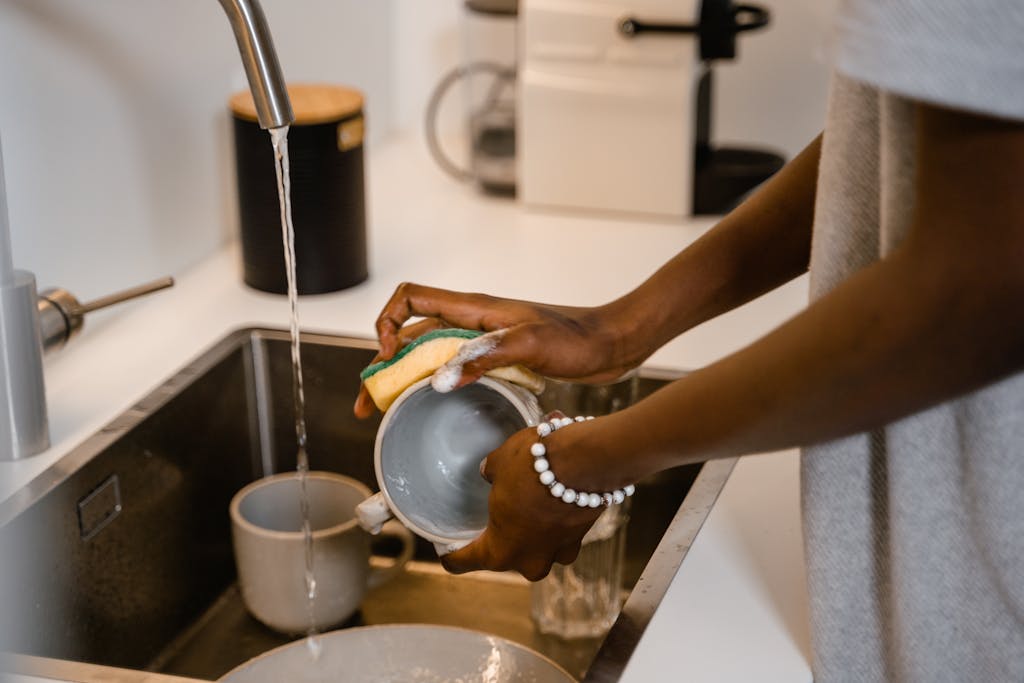
We’ve all been there, squeezing dish soap directly onto a sponge or dishes and wondering why it’s not foaming as well as we thought it should. The truth is, dish soap works best when you use just a small amount. Overusing soap leads to excessive suds, wasted product, and harder cleaning. Instead, pour a small amount into a dish or sponge, and add warm water to create a soapy solution that’s much more effective for washing dishes.
For a more eco-friendly, cost-effective approach, make your own dish soap concentrate by diluting your current soap with water and adding a few drops of essential oil for fragrance.
Coffee Maker
Most of us rely on a coffee maker every morning, but did you know that many people fail to clean their coffee machine properly? Over time, coffee makers accumulate residue that affects the machine’s taste and efficiency. Additionally, people often use too much coffee or too little water, which compromises the strength and flavor of the brew.
Clean your coffee machine regularly by running a vinegar solution through it. To get the perfect brew, always measure your coffee grounds and water according to the manufacturer’s instructions. For better flavor, invest in a quality filter.
Store Your Spices
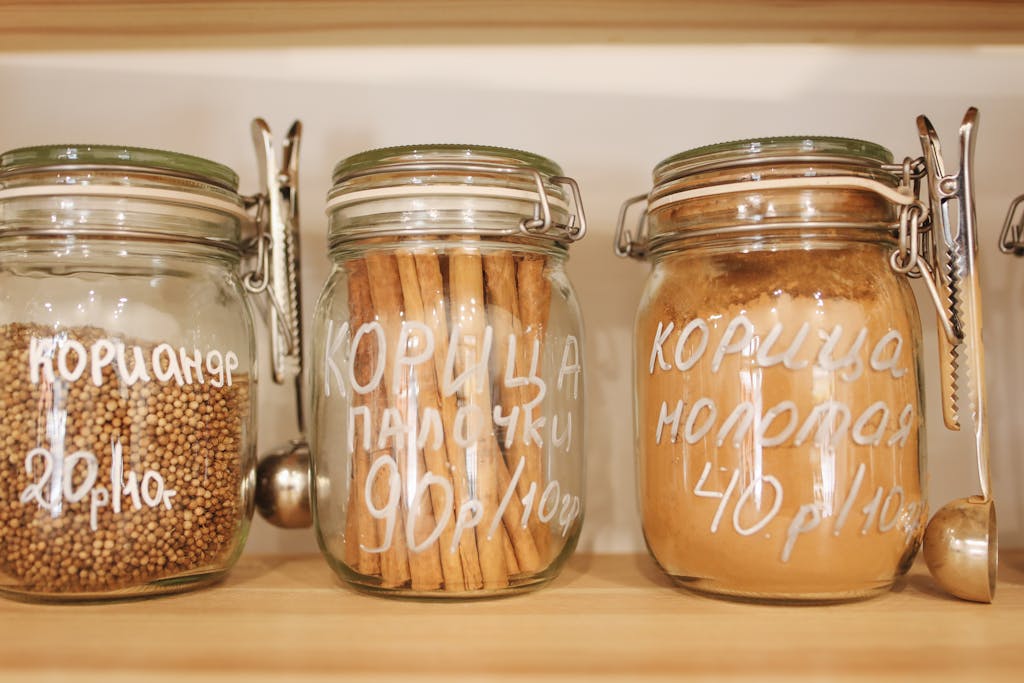
We often make the mistake of storing spices near the stove or in the pantry without considering their exposure to light, heat, and moisture. This causes them to lose their potency quickly, leaving you with tasteless meals. Store spices in a cool, dark, dry place away from heat sources. Use airtight containers to preserve freshness, and rotate your stock to use the oldest spices first.
Blender
Blenders are great for smoothies, but many people don’t realize they could get more out of this versatile appliance. Putting ingredients in the wrong order can cause the blender to struggle or fail to achieve the desired consistency. Always start by adding the liquid first, followed by soft ingredients like fruits or vegetables, and finish with harder ingredients like ice or frozen fruit. This helps the blender process everything more smoothly.
Shower Curtain
Shower curtains often cling to your body or stick to the sides of the shower, but this can be avoided. The real issue is how people hang them. Use the liner hooks properly to ensure that the curtain is fully extended. If your curtain sticks, try replacing it with a weighted shower curtain that stays in place.
Vacuum Cleaner

Vacuuming is one of the most common household chores, but many people aren’t using their vacuum cleaners to their full potential. Vacuuming in the wrong direction or at the wrong speed can lead to inefficient cleaning, especially on carpeted surfaces. Vacuum slowly and in multiple directions to ensure that all dirt is lifted. Regularly check your vacuum’s filter and brush rolls for buildup to maintain optimal suction power.
Watering Can
We all want our plants to thrive, but improper watering is a common mistake. Using a watering can with a wide spout often causes uneven watering, and too much water at once can harm delicate roots. Use a watering can with a fine spout for more controlled watering. Water at the base of the plant, not directly on the leaves, and ensure that your plants are in pots with proper drainage to avoid overwatering.
Microwave
Microwaves are quick and convenient, but you might not be using them correctly. People often microwave food in plastic containers that are not microwave-safe, or they don’t stir the food halfway through cooking, resulting in uneven heating. Always use microwave-safe containers and stir food halfway through cooking to ensure even heating. Additionally, cover food with a microwave-safe lid to trap steam and prevent it from drying out.
Refrigerator
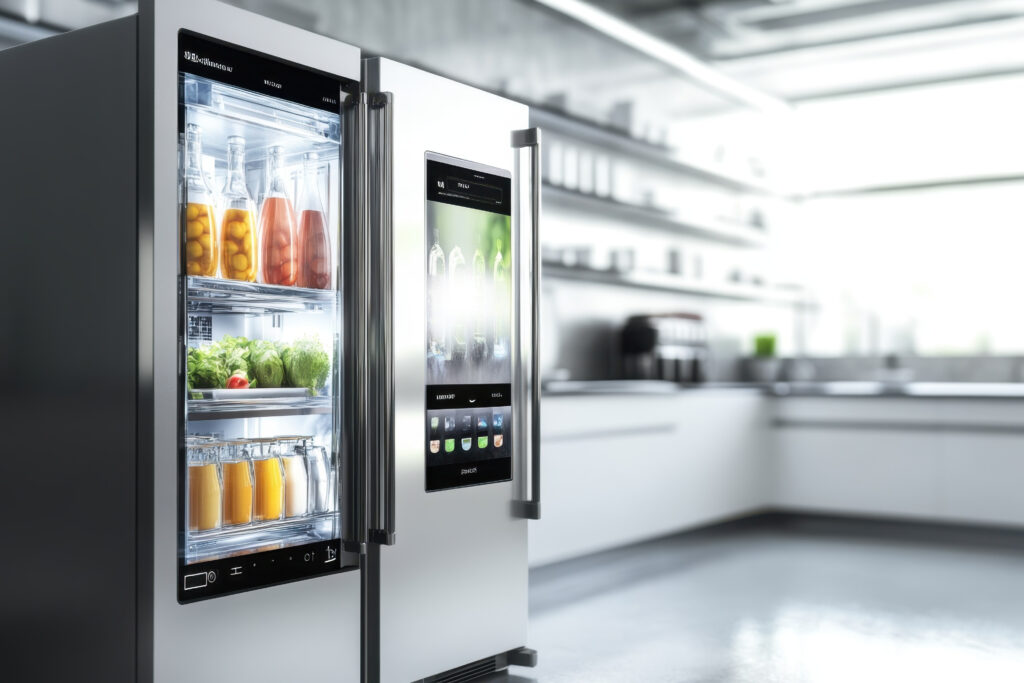
Most people don’t realize that how they store food in the fridge can impact its freshness. Storing food in the wrong compartments or failing to set the right temperature can lead to premature spoilage. Set your fridge to 37°F (3°C), which is the optimal temperature for keeping food fresh. Store raw meat in the bottom drawer to avoid cross-contamination, and use airtight containers to keep leftovers fresh longer.
Iron
Ironing can feel like a chore, but improper technique can leave clothes less smooth than they could be. Using the wrong temperature or pressing too hard can damage delicate fabrics. Adjust the iron temperature based on the fabric type and always check the garment’s care label. For delicate fabrics like silk, use the steam function to gently press out wrinkles without direct heat contact.