The wellness world frequently makes clean eating, daily steps, and strict routines feel not just admirable but required, especially when your feed is full of “what I eat in a day” videos and dramatic before‑and‑after photos. It can seem like everyone else has cracked a secret code to health and discipline while you’re just trying to keep up.
At first, adopting healthier habits is empowering: swapping takeout for home‑cooked meals, adding a daily walk, or finally committing to a workout plan helps you feel more in control of your energy, mood, and long‑term health, and those early wins boost your confidence.
You’re Obsessed with Counting Calories
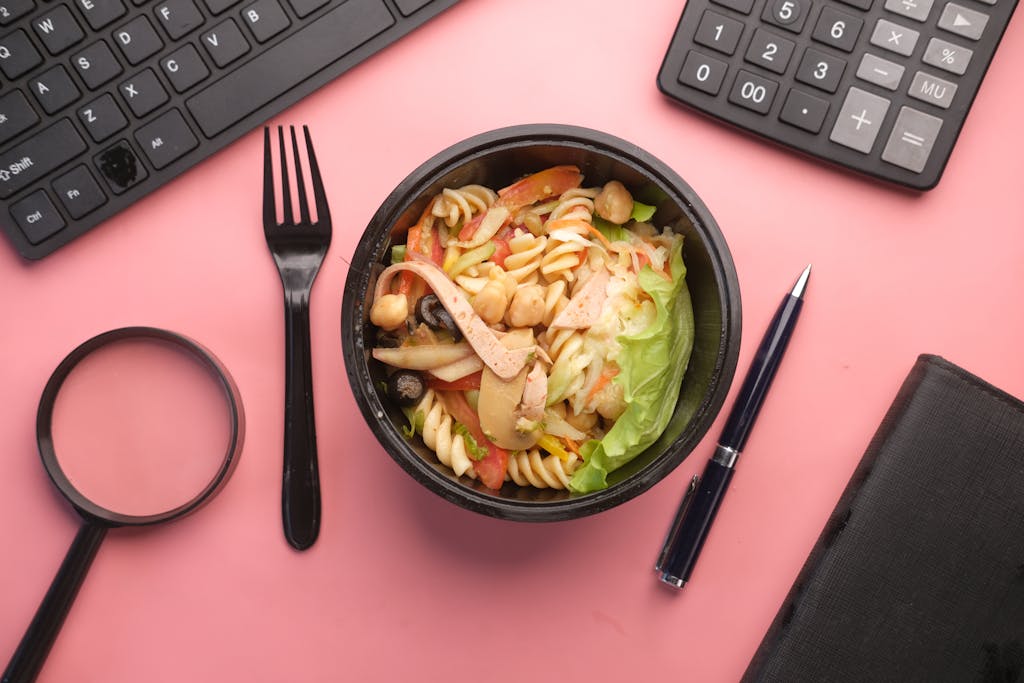
Tracking calories, setting macro goals, and using food scales can be helpful when you use them flexibly, especially if you’re learning about nutrition or managing a health condition with guidance. But trouble starts when tracking no longer feels like a choice, but a rule you can’t break or relax, even for a day.
If you feel you must log every bite, weigh every portion, and a few extra calories make you anxious or guilty, the numbers are now in control, not you. Meals turn into spreadsheets instead of enjoyable moments; eating with others feels stressful, and missing a single day of tracking feels like failure rather than a normal part of life.
Exercise Has Become a Chore Instead of a Joy
Signs of exercise addiction can appear gradually, even if your routine started out positive. Moving your body is a great way to care for yourself, and sticking to a plan is something to feel proud of. But if you dread most workouts or feel trapped by your schedule, your relationship with exercise may have shifted. You might push through tough sessions when you’re sore or sick because missing a workout feels impossible. Rest days bring anxiety and guilt instead of relief, and you call yourself “lazy” for choosing sleep. When workouts feel like punishment, leave you drained, and you’re afraid to miss a day, it’s no longer self‑care but a rigid demand.
You Avoid Social Situations to Stick to Your Diet

It’s one thing to choose healthier options when you go out, but it’s another to routinely avoid people and events just to “stay on track.” You might catch yourself obsessing about what will be served, worrying more about the menu than the company. Buffets, takeaway meals, weddings, or a friend’s cooking can feel stressful because you can’t control ingredients or portions. Instead of joining in and doing your best, you stay home with a “safer” meal, calling it discipline. Over time, you start saying no to birthdays, date nights, after‑work drinks, and even family events, and people invite you less because they expect you to decline. When “healthy” eating shrinks your world and leaves you feeling isolated, it’s no longer supporting your well‑being.
You’re Always Trying the Latest Diet Fads
It can feel like there’s a new diet trend every week: detox teas, 12‑week shred plans, low‑carb, no‑carb, keto, carb‑cycling, intermittent fasting, juice cleanses, and more. You might think, “This one will finally fix everything,” and jump in with strict rules and high hopes. For a while, you feel focused and motivated, but soon the plan gets hard to live with. A small slip, like a snack at a party or a missed fasting window, can make you feel like you’ve failed, so you quit and hunt for the next trend. Each cycle leaves you more confused about what to eat and less in touch with your own hunger and satisfaction. Your body never gets a chance to settle into a steady routine because you’re always chasing the next “secret,” when a balanced lifestyle is really built on small, enduring habits.
You Feel Guilty When You Eat Something “Unhealthy”
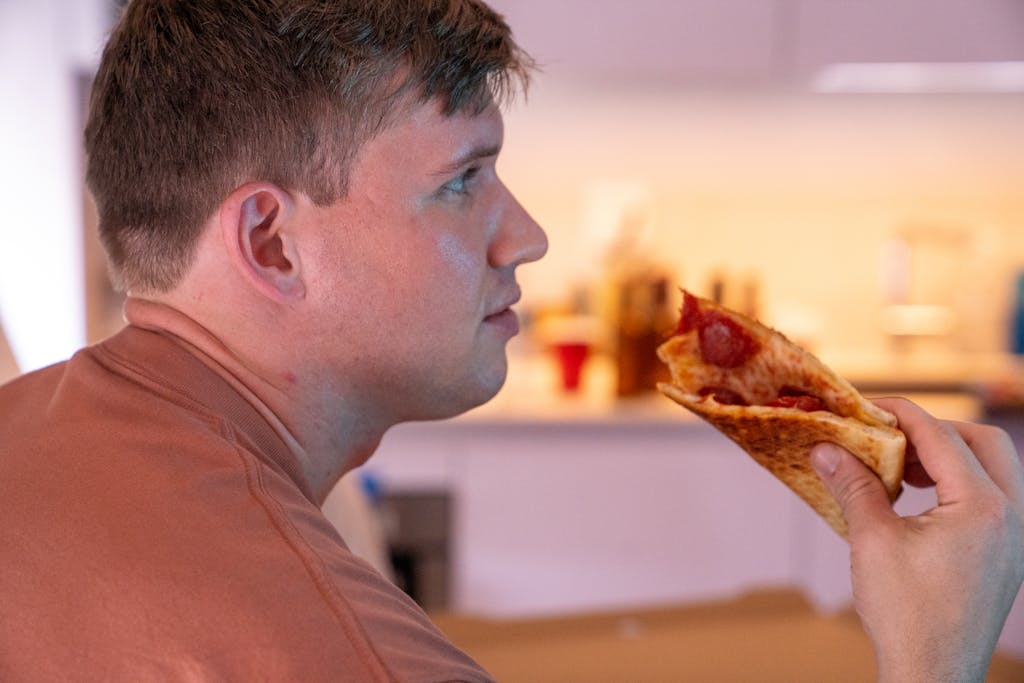
Most people feel some regret after overeating or choosing foods that don’t sit well with them. But if you feel real shame or panic every time you eat something outside your personal rules, your relationship with food has become painful. You might label some foods “pure,” “clean,” or “safe,” while others are “dirty,” “bad,” or “junk,” even though they’re normal in most diets. When you eat these “off‑limits” foods, the moment is drowned out by harsh self‑talk, promises to “make up for it,” and the fear that one choice ruined everything. Over time, you may start to believe your worth depends on how perfectly you eat. Food stops being nourishment and becomes a constant test of discipline, a sign your “healthy” mindset is slipping into a toxic wellness culture that prizes perfection over real well‑being.
You Value Health Over Psychological Health
Wellness culture often celebrates people who “do whatever it takes” — early workouts, strict meal prep, endless supplements, and constant self‑improvement. On the outside, you might look like the picture of discipline. But inside, you can feel tense and afraid that if you relax for even a moment, everything will fall apart. You stay up late to prep meals and still force yourself up early to exercise, ignoring how tired and irritable you are. You skip time with friends or family to fit in more cardio, telling yourself there will be time for fun later. Your mind is always busy with checklists and rarely at ease, and when you try to rest, you feel guilty and restless. Many resources on health and burnout now warn that this kind of hyper‑vigilance isn’t a badge of honor but a sign your version of “health” is costing too much.
You Compare Yourself to Others Constantly

We live in a world where bodies, meals, and workouts are always on display. You might start your day feeling fine, but after scrolling through polished posts, you end up feeling like you’re not doing enough. You see people with visible abs, perfect meals, long runs, and heavy lifts, and suddenly one’s own efforts seem small. Maybe you copy their routines even if they don’t fit your fitness level, schedule, culture, or budget. It’s easy to forget how much of that content is edited, because your mind only notices that others are doing more. You may obsess over progress photos, weigh‑ins, or step totals and feel crushed when change is slower than what strangers show online. Instead of asking, “Does this work for me?” you chase a moving target; that constant comparison drains your confidence and often marks the point where “healthy” turns harmful.
You’ve Lost Touch with Your Body’s Natural Signals
Your body has natural signals that tell you when you’re hungry, full, tired, stressed, or in need of care. In a strict “health” mindset, these signals often get ignored or overridden. You might wait to eat until a set time, even when you’re shaky with hunger, because your plan says not yet, or keep eating to finish every tracked portion, even when you’re already uncomfortable. You may push through pain or fatigue because your schedule doesn’t allow a rest day, and you refuse to adjust. Over time, your body responds with louder warnings, such as headaches, dizziness, digestive issues, poor sleep, and recurring injuries. Experts on toxic stress say this kind of overload can harm both the physical body and the mind. When rules matter more than your own physical feelings, your “healthy” lifestyle is no longer working with your body but working against it.
You’re Constantly Thinking About Your Health

Being aware of your health choices is good, but feeling like you can’t think about anything else is exhausting. You might wake up planning every meal, workout, and way to avoid a “slip,” then replay your choices at night to decide if you did enough. During the day, you can drift out of conversations because you’re busy counting calories and steps as well as planning tomorrow’s routine. Your feeds and searches are full of diet and workout content, and fun activities start to feel like obstacles because they don’t directly improve your body. Over time, this focus drowns out creativity, spontaneity, and real rest. Health stops being just a priority and becomes an identity that controls every decision. If your mind rarely gets a break from tracking and worrying, your lifestyle has become an all‑consuming focus that leaves little room for the rest of your life.