Many of the world’s most celebrated dishes originated as simple meals created out of necessity. These foods, once associated with poverty, have now been elevated to the status of luxury.
The transformation of these foods into gourmet delicacies demonstrates how shifting social trends, economic factors, and culinary innovation can alter perceptions of food. This article examines eight examples, highlighting their evolution from survival rations to symbols of wealth and refinement.
Polenta
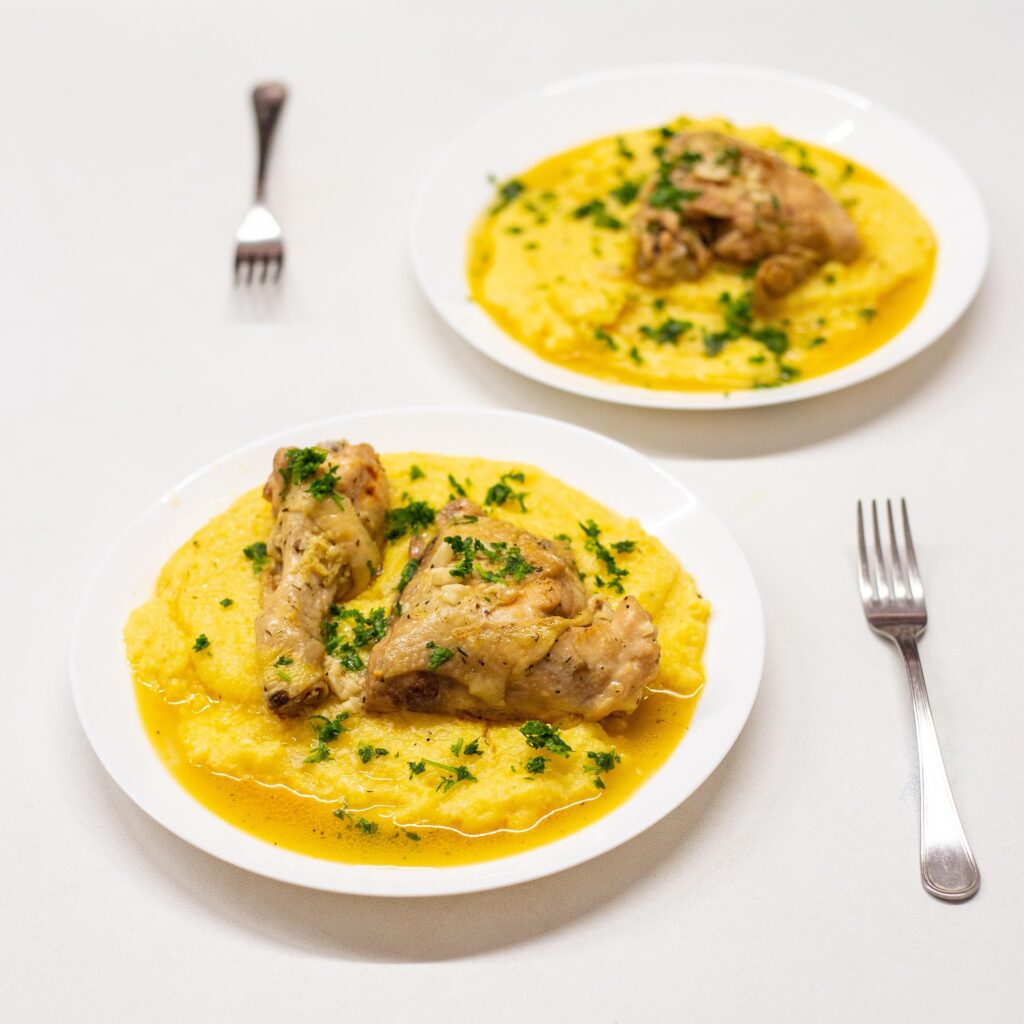
Polenta, once a staple food for poor peasants in Northern Italy, has undergone a significant transformation. Originally a cornmeal porridge, it served as the primary diet for those unable to afford wheat or meat. Polenta was also linked to a nutritional deficiency crisis, pellagra, caused by a lack of niacin. ed polenta into a luxurious dish by adding butter, cream, and Parmesan cheese. Today, it serves as a rich, creamy base in fine-dining Italian restaurants, far removed from its origins as peasant fare.
Sushi
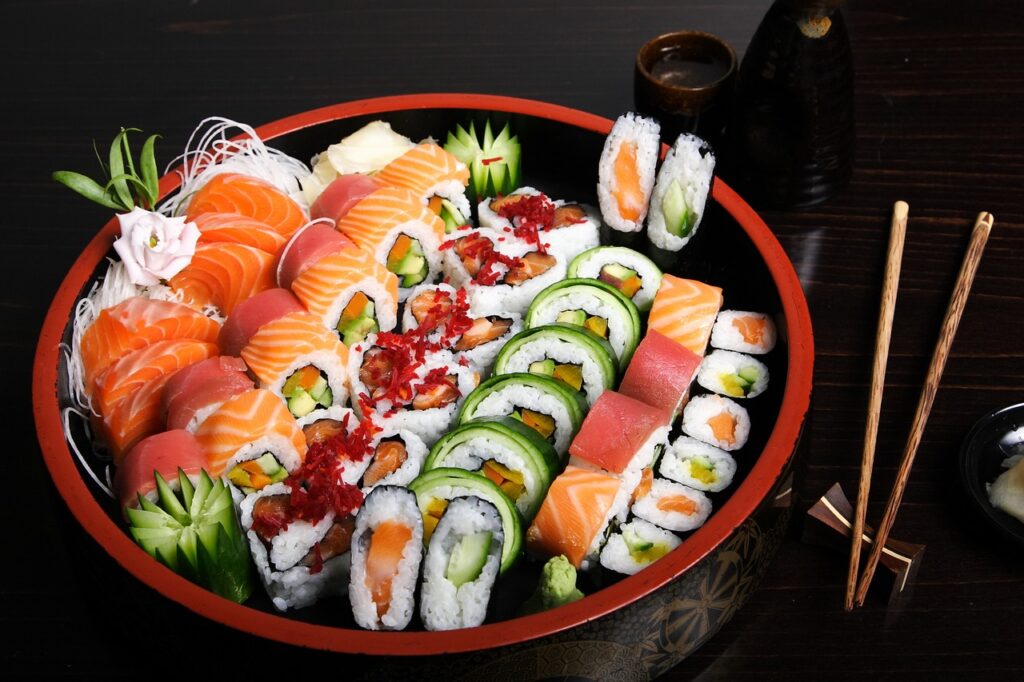
Sushi’s rise from street food to one of the most revered luxury foods in the world is nothing short of remarkable. In ancient Japan, sushi was a method of preserving fish in fermented rice, with the rice discarded after fermentation. During the Edo period, sushi evolved into cheap street food for workers, made with fresh fish and vinegared rice as a quick, affordable meal.
Sushi’s transition to a high-end delicacy occurred after World War II, with the advent of refrigeration, which enabled the preservation of high-quality fish. Today, sushi is celebrated globally, with premium varieties often priced higher than a week’s worth of the original peasant dish.
Escargot

Escargot, or land snails, was once the food of necessity for French peasants during times of famine. Snails, abundant in vineyards, were an easy source of protein when other meats were scarce. During the Middle Ages, escargot was consumed by the poor, particularly during Lent when other forms of meat were forbidden.
The dish’s transformation into a luxury item began in the 19th century, thanks to chef Marie-Antoine Carême, who reinvented it by stuffing the snails with rich ingredients such as butter, garlic, and herbs. Today, escargot is a classic French delicacy, often served in Michelin-starred restaurants.
Quinoa
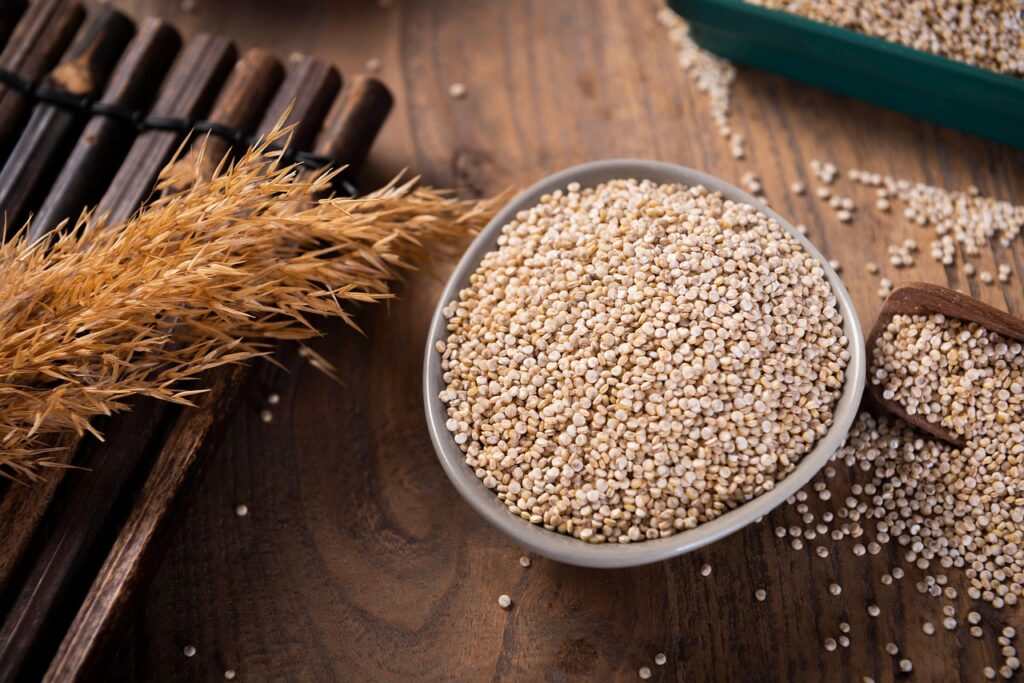
Quinoa, once a sacred crop of the Incas, was pushed to the margins by Spanish colonizers who viewed it as a symbol of indigenous identity. For centuries, it was considered the food of the poor, consumed mostly by rural farmers in the high Andes. After the global demand for gluten-free, protein-rich grains surged in the 21st century, quinoa was reborn as a superfood.
Ironically, its rise in popularity has made it too expensive for the very people who kept its cultivation alive. Quinoa is now a premium product, far removed from its roots as a humble, survival crop.
Caviar
Caviar, once a cheap byproduct of fishing in Russia, has undergone a dramatic shift in status. In the 19th century, sturgeon eggs were so abundant that they were sold cheaply or even given away for free in saloons in the United States. The working class consumed caviar as a salty snack with their beer, and it carried little prestige.
Overfishing and the decline of sturgeon populations, coupled with aristocratic endorsement, transformed caviar into a luxury item. Today, the delicate eggs are among the most expensive foods in the world, with prices reaching up to $37,000 per serving for rare varieties.
Oysters
In the 19th century, oysters were abundant in New York and London, and sold cheaply as a staple protein for the working class. Street vendors sold oysters in great quantities, making them accessible to everyone from dockworkers to newsboys.
However, industrial pollution and overharvesting decimated oyster populations, driving up prices. Today, oysters are served as a luxury item in fine-dining restaurants, often eaten raw or on the half shell, and are considered a prestigious delicacy, a far cry from their past as street food.
Lobster
Lobster, once considered fit only for the poor, has undergone one of the most dramatic transformations in food history. In colonial New England, lobsters were so abundant that they were seen as a nuisance and used as fertilizer or bait. The reputation of lobster was so low that there were even laws limiting how often prisoners could be fed lobster, as it was considered cruel and unusual punishment.
The rise of the railway system and the canning industry allowed lobsters to be transported inland, where they were perceived as a novelty and began to be served in fine-dining settings. Today, lobster is a luxury food, often drenched in butter and served in the most upscale restaurants.
Bouillabaisse
Bouillabaisse, the celebrated French seafood stew, began as a rustic dish created by Marseille fishermen using the leftover fish they couldn’t sell. The fish, typically bony or unmarketable, were simmered with garlic, fennel, and herbs to create a hearty meal for the fishermen.
The dish gained popularity among tourists in the 19th century, and chefs began refining the recipe by adding expensive ingredients such as saffron. Today, bouillabaisse is a luxurious dish served in high-end restaurants, often costing upwards of seventy dollars for a bowl.
The Conclusion
The transformation of these eight foods from humble rations to modern delicacies reveals how the perception of food is shaped by cultural trends, economic forces, and technological advancements.
What were once survival foods for the poor and marginalized are now celebrated symbols of luxury and refinement. These dishes demonstrate that the line between poverty and luxury is not as fixed as it may seem. With shifting tastes and social dynamics, it’s clear that today’s humble food might one day be rebranded as the gourmet delight of tomorrow.