Most people worry about outdoor pollution, then walk straight into a home filled with dust, trapped odors, chemical fumes, pet dander, moisture, and stale air. The scary part is that bad indoor air does not always announce itself loudly. Sometimes it shows up as headaches, a dry throat, sneezing, tiredness, musty smells, or that heavy feeling in a room that never seems to feel fresh.
Your home should feel like a safe place to breathe, not a sealed box holding yesterday’s cooking fumes, bathroom humidity, candle smoke, and cleaning product residue. Improving indoor air quality does not always require a huge renovation or expensive equipment. Small changes can make a big difference when you know which habits are quietly making your air worse.
Ignoring Your Indoor Air Quality Until Something Feels Wrong

Many people never think about indoor air quality until they smell mold, see dust floating in sunlight, or start waking up congested. That is a mistake because poor air quality can build up slowly from cooking, cleaning, humidity, carpets, furniture, and everyday household activities.
An air quality sensor can help you understand what is happening inside your home, rather than guessing. It can show changes in particles, humidity, and pollutants, giving you a clearer idea of when to ventilate, clean, or run an air purifier.
Keeping Polluting Products Inside Living Areas
Paint cans, harsh cleaners, solvents, pesticides, glue, and other strong chemicals can release fumes even when not in use. Keeping these products under the kitchen sink, in closets, or near living spaces can quietly degrade the air you breathe daily.
Move strong chemical products to a garage, shed, or well-ventilated storage area whenever possible. Choose low-odor, low-chemical, or indoor-friendly products for cleaning, painting, and home projects.
Never Opening Windows for Fresh Air

A sealed home can trap stale air, cooking smells, cleaning fumes, and humidity. Air conditioning and heating may control temperature, yet they do not always bring in enough fresh outdoor air.
Open windows when outdoor conditions are safe and comfortable. Even a short burst of fresh air can help clear stuffiness, especially after cooking, cleaning, painting, or having several people in the house.
Letting Air Sit Still for Hours
Still air makes a room feel heavy, dusty, and uncomfortable. Poor circulation allows particles and odors to linger, especially in bedrooms, living rooms, and home offices where people spend long hours.
Use ceiling fans, HVAC fan settings, or a thermostat with circulation mode to keep air moving. Better airflow helps filters do their job and prevents certain rooms from feeling stale.
Forgetting Bathroom and Kitchen Exhaust Fans
Bathrooms and kitchens are among the biggest trouble spots for indoor air quality. Showers add moisture, cooking adds grease particles and odors, and both spaces can quickly create air problems when fans are ignored.
Run the bathroom fan during showers and leave it on for a short time afterward. Use the kitchen exhaust fan when cooking, especially when frying, searing, boiling, or using a gas stove.
Letting Humidity Get Too High
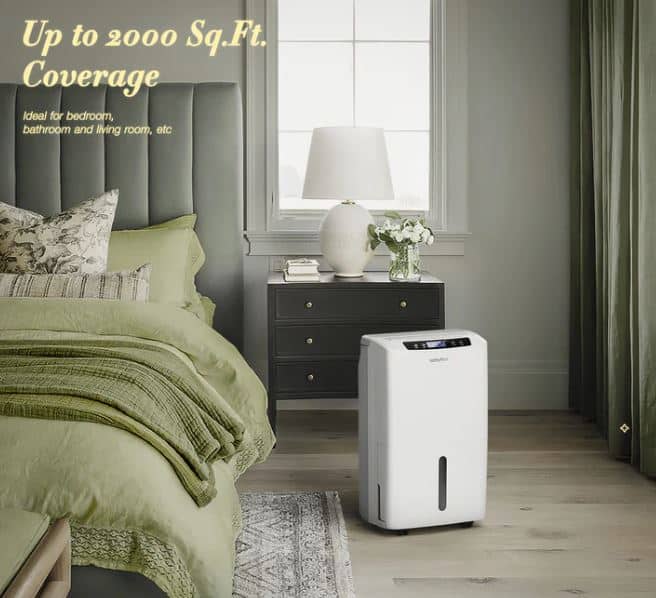
Too much moisture can make your home feel sticky, musty, and uncomfortable. High humidity can also encourage mold, mildew, dust mites, and lingering odors in carpets, curtains, walls, and furniture.
A dehumidifier can help control damp air in humid seasons or naturally moist rooms. Basements, bathrooms, laundry areas, and poorly ventilated bedrooms often need extra attention.
Letting Winter Air Become Too Dry
Dry air can irritate your throat, skin, nose, and eyes. It can also make dust more noticeable, leaving your home feeling harsh rather than comfortable.
A humidifier can help during colder months when heating systems dry out indoor air. Keep it clean, refill it properly, and avoid overusing it, as too much humidity can create another problem.
Using Cheap or Dirty Air Filters
A weak or clogged air filter cannot adequately protect your indoor air. Dust, pollen, pet dander, and small particles can continue circulating through the home when filters are old or low-quality.
Replace filters regularly and choose the right type for your system. A better filter can capture more particles, but it may also need to be changed more often.
Filling the House With Strong Scents
Candles, plug-ins, incense, sprays, wax melts, and diffusers can make a room smell nice, but they can also add extra particles and chemical compounds to the air. A pleasant smell does not always mean the air is clean.
Use scented products sparingly and ventilate rooms after use. For everyday freshness, focus on removing odors at the source rather than masking them with fragrance.
Ignoring Dusty Air Ducts and Vents
Dusty vents can send particles back into the rooms you are trying to keep clean. If you see dust buildup around registers or notice allergy symptoms getting worse indoors, your air system may need attention.
Clean visible vents and grilles regularly with a vacuum or a damp cloth. A professional duct cleaning may be worth considering when dust buildup, mold concerns, or airflow problems become obvious.
Forgetting to Clean Cooking Vents and Filters

Kitchen vents work hard, especially in homes where people cook often. Grease, smoke, steam, and food particles can accumulate in filters, reducing how effectively the system pulls polluted air away.
Clean range hood filters and microwave vent filters regularly. This matters even more with gas cooking, as proper ventilation helps reduce fumes and keeps the kitchen air fresher.
Letting Carpets and Rugs Become Dust Traps
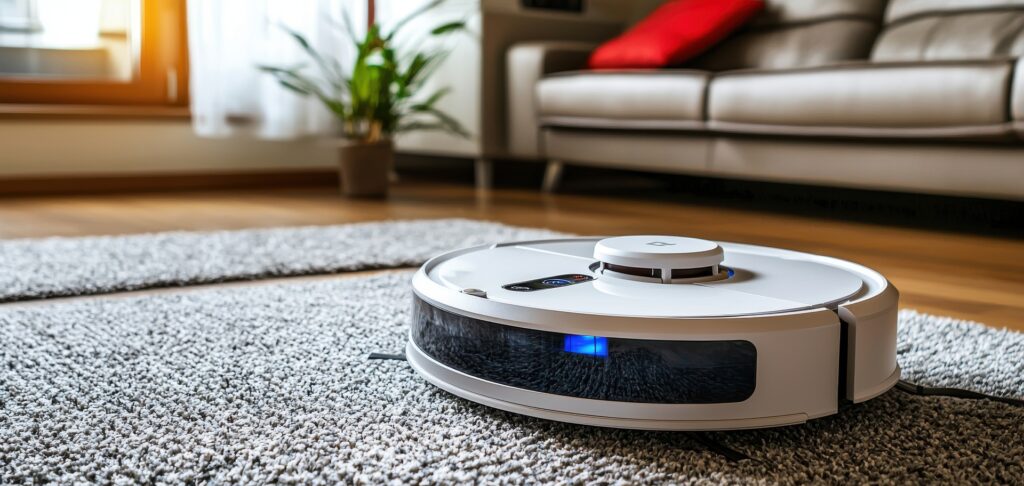
Carpets and rugs collect dust, pollen, crumbs, pet hair, dander, and outdoor dirt. Every step can send tiny particles back into the air, especially in busy rooms and entryways.
Vacuum regularly with a good filter and clean rugs regularly. A no-shoes rule can also reduce the amount of dirt and allergens brought inside.
Doing Messy DIY Projects Indoors
Sanding, painting, staining, spraying, and stripping materials indoors can release dust and fumes that linger long after the project ends. Even small projects can make a room smell harsh and feel unhealthy.
Take DIY projects outside whenever possible. When indoor work cannot be avoided, open windows, use fans, wear proper protection, and keep the area away from bedrooms and main living spaces.
Conclusion
Bad indoor air is often caused by small habits that seem harmless on their own. A scented candle here, a dirty filter there, a closed window, a damp bathroom, and a dusty rug can all add up to a home that feels stale and uncomfortable.
Cleaner indoor air starts with removing pollutants, improving ventilation, managing humidity, and cleaning the places where dust hides. Once you fix these common mistakes, your home can feel fresher, lighter, and much easier to b