In the age of social media, life hacks, and viral DIY trends, it’s easy to be tempted by quick fixes that promise to save time, money, or effort. From cleaning shortcuts to beauty tricks and viral stunts, these hacks can seem ingenious, but experts warn that many are dangerous, misleading, or downright harmful. What appears to be a clever solution online may actually cause injury, health issues, or property damage, and yet millions of viewers try them without questioning the risks.
Here’s a detailed breakdown of six of the most alarming viral DIY hacks circulating online, and why experts are warning against them:
Dangerous Cleaning Mixtures
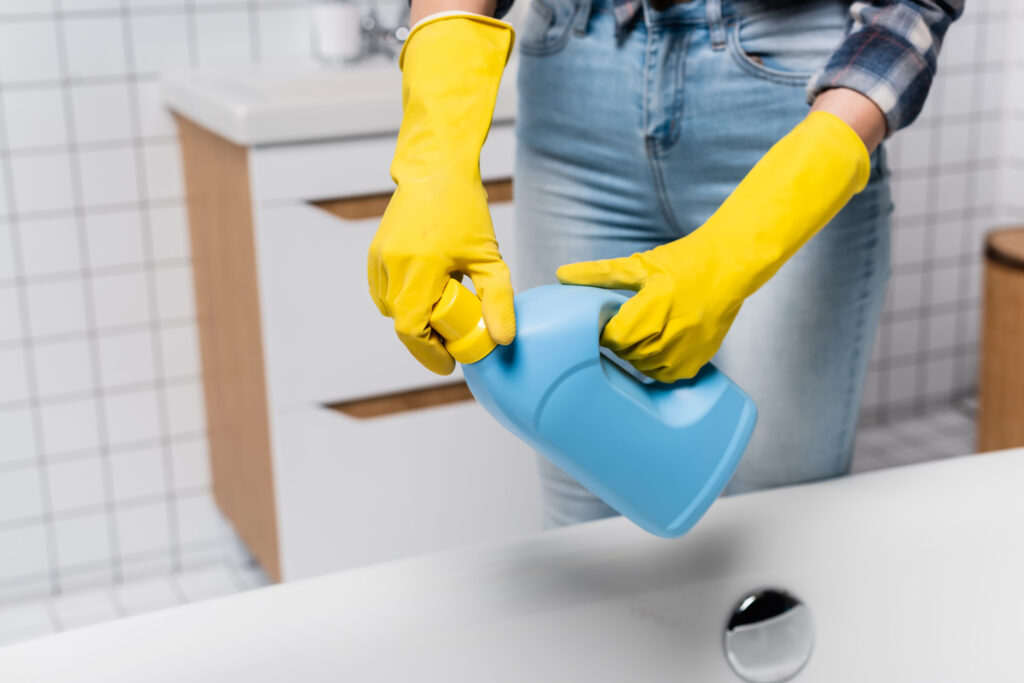
Viral videos often suggest mixing household cleaners to amplify their power, such as combining bleach with vinegar or ammonia to disinfect surfaces. While these hacks go viral for their shock value, chemical safety authorities caution that they are extremely hazardous.
Mixing chemicals like bleach and ammonia can release toxic chloramine gases that can trigger respiratory distress, burning eyes, and nausea. Strong chemical reactions from mixing other household cleaners can also cause splashes, burns, or long-term surface damage. Experts advise against mixing cleaning products and to always read labels to ensure safe use. Proper ventilation, gloves, and single-product applications are far safer ways to disinfect without creating dangerous fumes.
The Ice Cube Laundry Detergent Hack
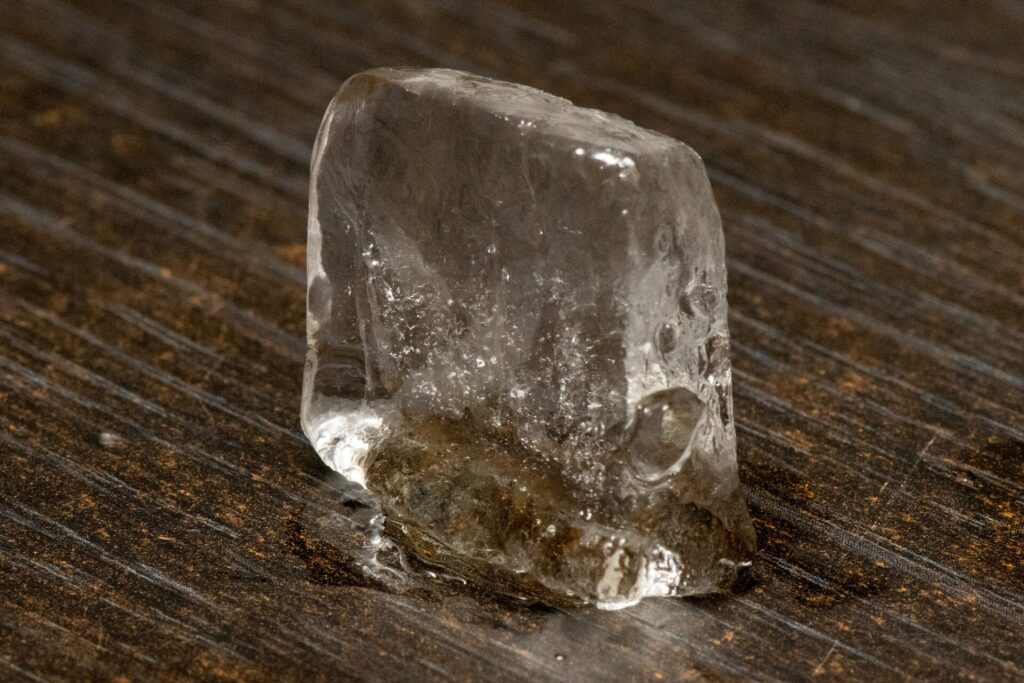
A popular hack involves freezing liquid laundry detergent in ice cube trays to create “mini pods” for easier laundry doses. On the surface, it seems clever, portion control, and less-messy bottles, but experts point out that this hack is risky and ineffective.
Frozen detergent cubes can dissolve unevenly, leaving residue on clothing or inside the washing machine. They may also clog detergent dispensers or fail to distribute properly, reducing cleaning efficiency. For those with sensitive skin, the uneven concentration of detergent can irritate skin or cause allergic reactions. Experts strongly recommend sticking to manufacturer-approved detergent pods or carefully measuring liquid detergent to ensure safety, proper cleaning, and protect your machine from damage.
Baking Soda Beauty Hacks

TikTok and Instagram are flooded with viral beauty hacks claiming that baking soda can cure acne, exfoliate skin, or lighten dark spots. While these hacks go viral, dermatologists warn that baking soda is highly alkaline and can disrupt your skin’s natural pH balance.
Overuse can strip protective oils, leading to irritation, redness, and micro-tears in the skin barrier. People with sensitive or acne-prone skin may experience worsening of breakouts or uneven skin tone. Experts suggest avoiding harsh DIY abrasives on the face and instead relying on pH-balanced cleansers and products with clinically proven ingredients to maintain healthy skin.
Risky Physical Challenges

Some viral hacks involve people testing their pain tolerance or performing stunts with household items, such as dropping heavy objects on their feet or attempting precarious balancing tricks. These videos are shared for entertainment, but medical professionals caution that attempting them can lead to serious injury, including fractures, joint damage, and soft tissue trauma.
Even seemingly harmless stunts can result in long-term problems, requiring medical intervention and rehabilitation. Experts warn against performing viral challenges that compromise safety, reminding viewers that online popularity is not worth the risk to their health.
Unsafe Travel or Life Hacks
Some DIY trends involve shortcuts in daily life or travel, such as hiding luggage to avoid fees or attempting creative but unsafe storage solutions. While these hacks gain attention online, security and airline professionals emphasize that such tricks are risky and sometimes illegal.
Hiding luggage can trigger security alerts or lead to theft, while using household hacks can result in damage, injury, or fines. Viral hacks that appear clever online may carry legal or ethical consequences in the real world. Experts advise caution, compliance with regulations, and critical evaluation of any hack before attempting it.
Viral Health and Wellness Tricks
Finally, health and wellness hacks that claim to detoxify the body, cure parasites, or boost immunity can be highly misleading. Trends often suggest concoctions using turmeric, ginger, pumpkin seeds, or other natural remedies as “miracle cures.”
Medical professionals caution that these practices lack scientific support, and in some cases, may cause dehydration, electrolyte imbalance, digestive issues, or delayed medical treatment. Following unverified DIY health hacks can result in serious complications that could have been avoided by consulting a licensed healthcare professional.
Conclusion
Viral DIY hacks can be entertaining, but the consequences of attempting unsafe tricks are real and avoidable. Experts strongly encourage viewers to evaluate safety, check scientific backing, and prioritize caution before trying anything online. Not all popular hacks are harmless; some can cause injury, illness, or lasting damage that far exceeds the reach of a viral video.