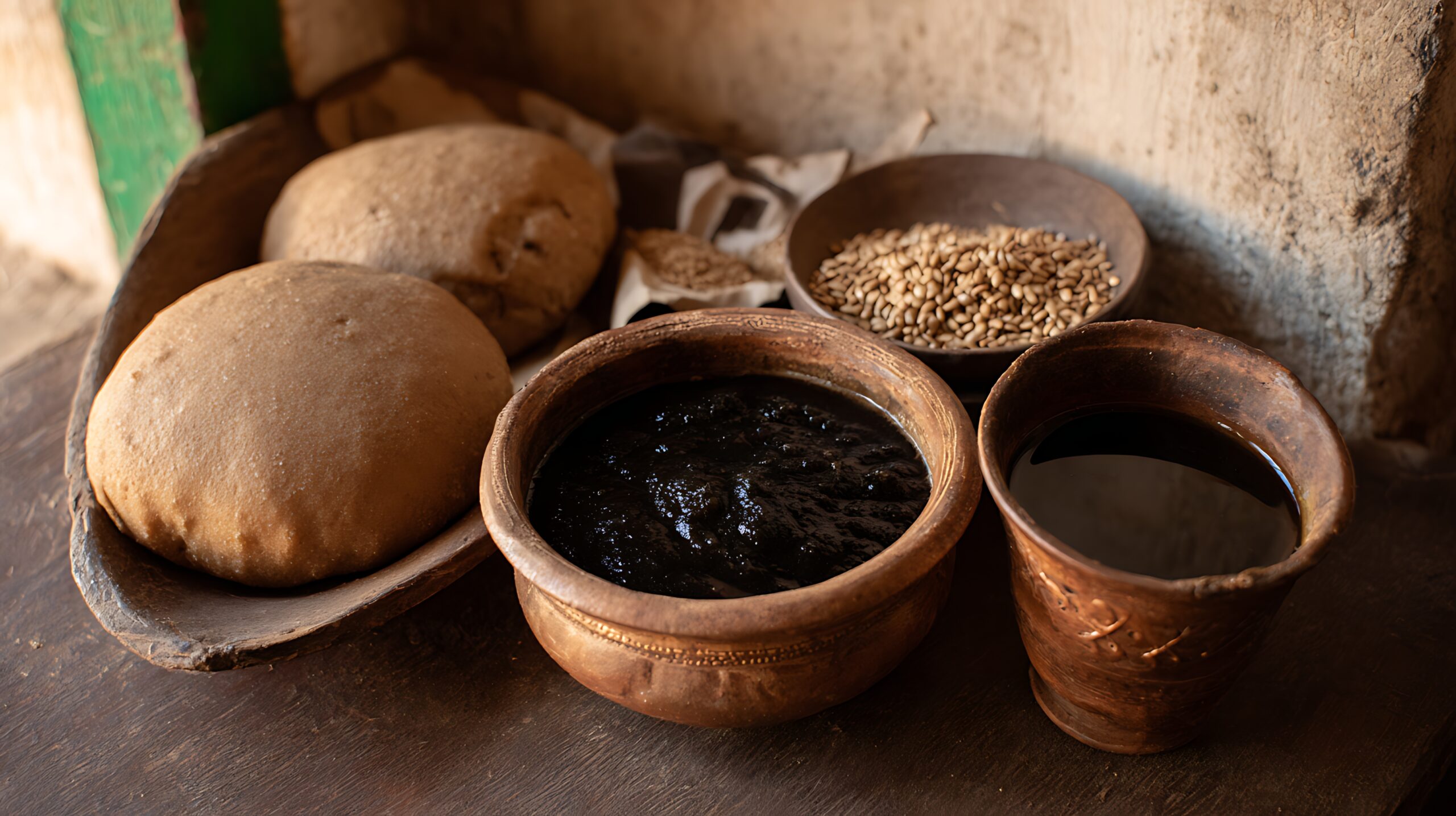
Estate sales can be treasure troves filled with vintage furniture, art, and unique collectibles. However, not everything at an estate sale is a hidden gem. Some items, while they might seem like great finds at first glance, could turn out to be regrettable purchases. Designers and experts alike warn about certain estate sale items that might not be worth your time, money, or space in your home. If you’re considering shopping at one, here are 10 things you should avoid.
Overly Worn or Damaged Upholstered Furniture
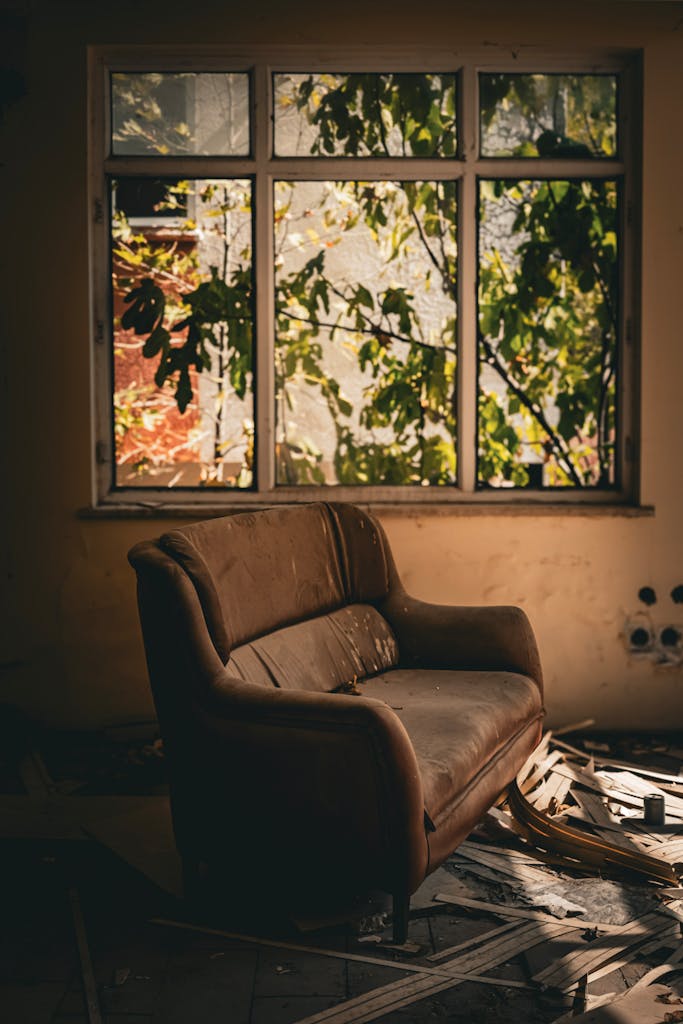
While vintage sofas and chairs can add charm to your home, be cautious about upholstered furniture that shows signs of extensive wear. Designers recommend skipping items with stains, tears, or excessive sagging. Not only can reupholstering be costly, but there’s also the risk of hidden damage, such as a weakened frame. Additionally, vintage fabrics can harbor allergens, pests, or odors that are tough to remove. Instead of buying a piece that might require major repairs, opt for sturdier, well-maintained pieces or save your budget for high-quality new furniture.
Too Many Trinkets or Decorative Knick-Knacks
Although knick-knacks can add personality to a space, designers suggest avoiding the temptation to fill your home with too many. Estate sales often feature a plethora of small, mass-produced decorative items that can overwhelm a room rather than enhance it. These items can quickly accumulate and clutter your home, detracting from its overall aesthetic. Instead, focus on a few statement pieces that align with your design style, leaving plenty of space to breathe.
Outdated or Overly Ornate Light Fixtures
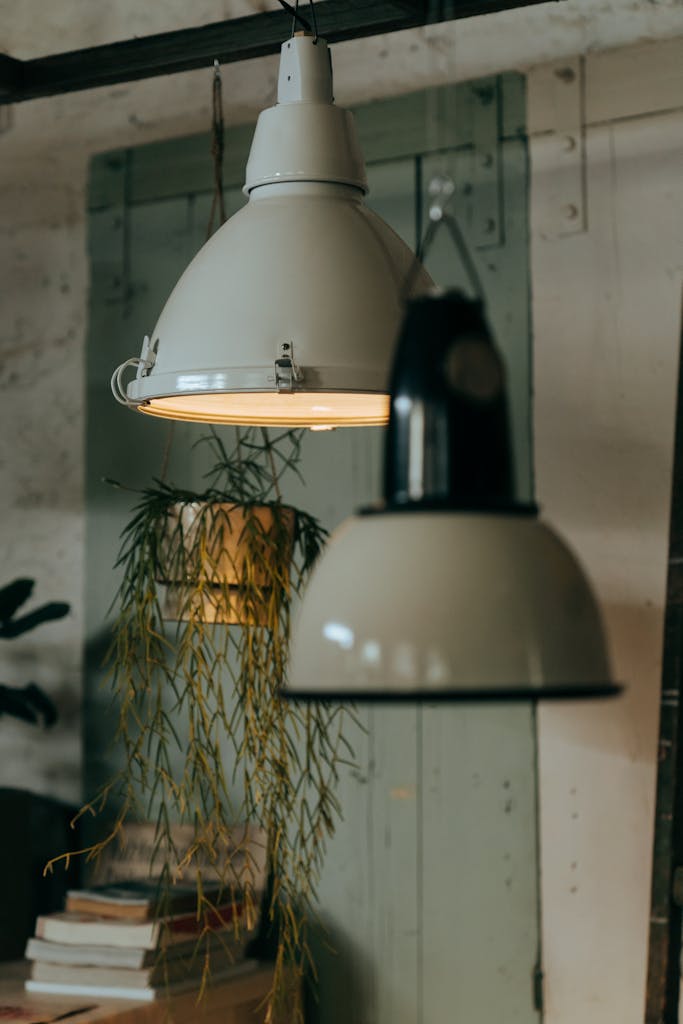
Vintage light fixtures can be beautiful, but they may not always be practical or safe. Many estate sales feature elaborate chandeliers or ceiling lights that look beautiful in photos but are impractical for modern homes. These fixtures may be outdated, difficult to repair, or incompatible with today’s electrical standards. In some cases, wiring may not meet safety codes, resulting in costly rewiring. Instead, look for lighting that complements your space’s style without the hassle of upgrades or repairs.
Furniture with Odd Proportions
Some vintage furniture pieces may have unique shapes or sizes that don’t translate well into modern spaces. For example, a mid-century modern couch with very low seating might seem stylish, but it could be uncomfortable and impractical for everyday use. Similarly, oversized armchairs or tables might not fit in smaller spaces. Furniture that doesn’t suit your space’s proportions can end up being more of a burden than a stylish asset. It’s best to be mindful of your room’s scale and opt for pieces that fit seamlessly into your existing layout.
Wooden Furniture with Extensive Damage
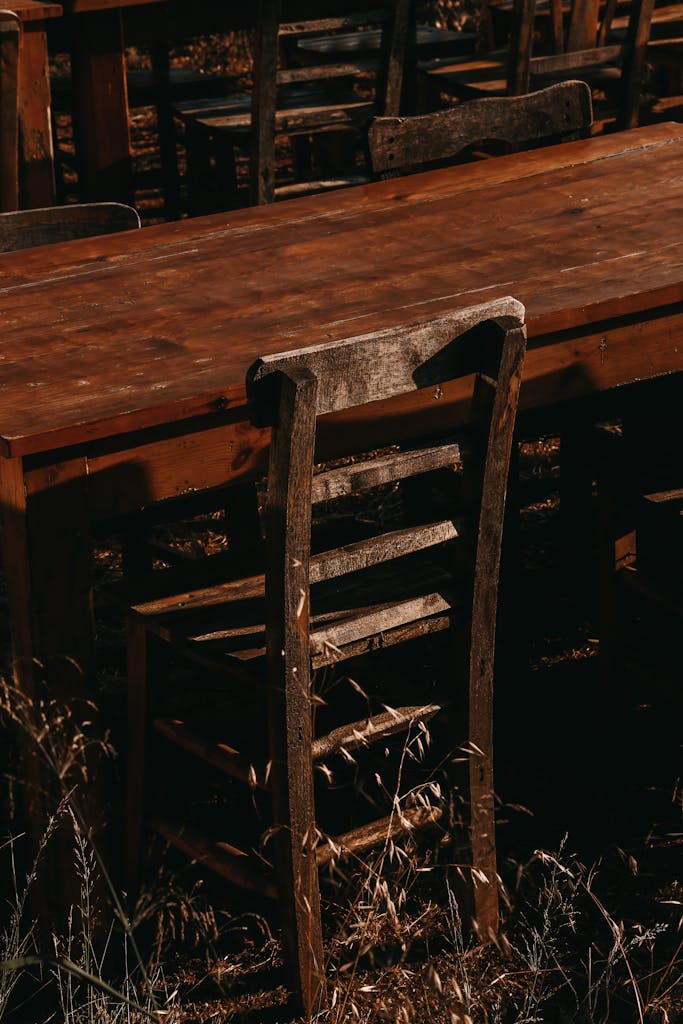
While wood furniture is often seen as durable and timeless, not all wooden pieces are worth investing in. Estate sales can feature wooden furniture that’s seen better days, with deep scratches, watermarks, or fading. While refinishing can sometimes revive a piece, it can also be a long and expensive process. If the damage is too severe, it might be better to pass on that dresser or table, as it could end up costing you more in repairs than it’s worth. Look for well-maintained wooden pieces with only minor cosmetic issues that can be easily touched up.
Antique Rugs in Poor Condition
Antique rugs can be a beautiful addition to your home, but purchasing one in poor condition could be a costly mistake. Many rugs at estate sales may have worn-out fibers, moth damage, or holes beyond repair. Not only can restoring a rug be expensive, but it also may not yield the best results. If the rug has severe damage, such as faded areas or heavy staining, it might be better to leave it behind. Instead, consider investing in a quality, new rug that fits your style and is built to last.
Low-Quality Art Prints or Reproductions
It can be tempting to grab a vintage painting or print at an estate sale, but designers caution against buying mass-produced or low-quality artwork. Many estate sales feature prints or reproductions that were cheaply made and aren’t likely to hold their value over time. In some cases, the art may even be poorly framed or faded. When selecting art, it’s important to focus on unique pieces with artistic merit, whether it’s an original or a well-executed limited edition. If you’re drawn to something but it’s of low quality, it’s often better to pass on it.
Kitchen Appliances and Utensils
Old kitchen gadgets and appliances might seem charming, but they may not be as functional or safe as you think. Estate sales often feature outdated kitchen tools, vintage blenders, or coffee makers that may have seen better days. These appliances may be missing important parts or might not work as efficiently as modern versions. Moreover, older kitchen tools could pose safety risks, such as faulty wiring or rust. If you’re considering kitchen-related items, it’s best to ensure they are in good working order and comply with modern safety standards.
Heavily Distressed Leather Furniture
Leather furniture is often seen as luxurious, but if it’s too distressed, it can be a headache rather than an investment. Designers caution against purchasing leather chairs or sofas that are too cracked, faded, or otherwise damaged. While leather can be repaired, it’s expensive and may not always return to its original condition. Moreover, over time, distressed leather may continue to degrade, making it difficult to keep in good shape. If the leather furniture at the sale is beyond restoration, it’s best to skip it and look for something in better condition.
Unusual Vintage Electronics
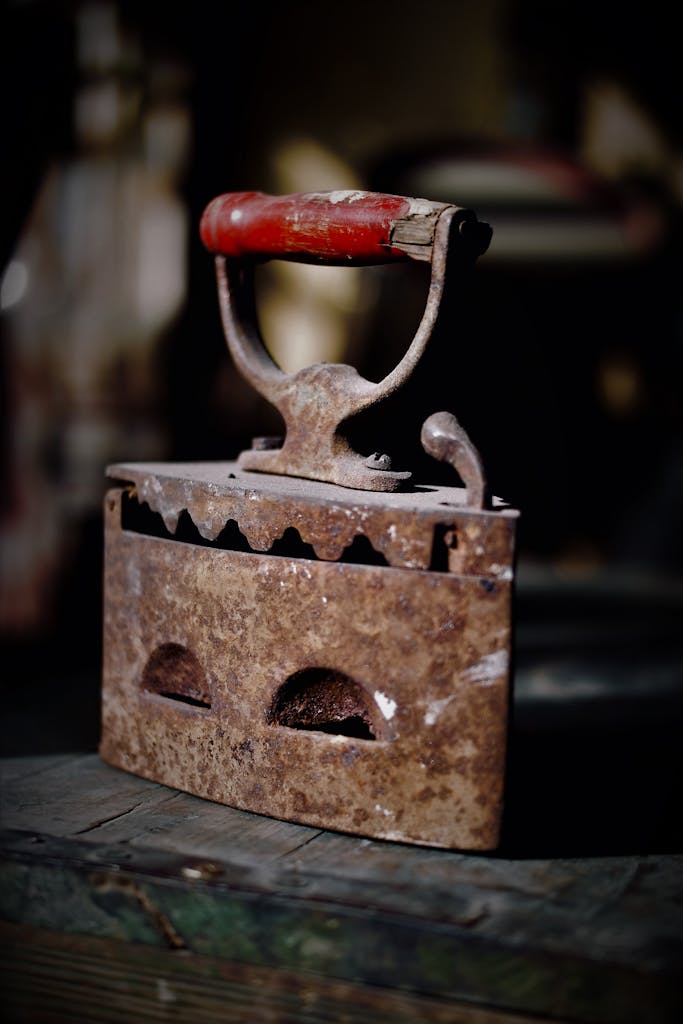
Vintage electronics, like old radios, record players, or televisions, might seem like interesting finds, but they can often be a waste of money. Not only can these items be difficult to repair and maintain, but they may also not be compatible with modern technology. You may find yourself with a vintage radio that doesn’t pick up modern stations, or a turntable that requires expensive parts no longer made. In many cases, these items are more about nostalgia than functionality, and their value may not hold up over time. If you’re interested in vintage electronics, make sure they’re in working order and have a purpose in your home before purchasing.
Conclusion
Estate sales are often filled with fascinating finds, but not every item is worth bringing home. By staying cautious about what you purchase, you can avoid making impulse buys that end up costing more than they’re worth. Focus on pieces that are in good condition, suit your space, and offer real value. If you’re unsure about a purchase, it’s better to pass on it and keep searching for more practical, timeless, and functional items. After all, estate sales are about finding hidden gems, not collecting clutter.