Every year brings new products and trends that promise to make life easier, more stylish, or more exciting. In 2026, consumers have rushed to adopt the latest gadgets, luxury items, and services, only to discover that some purchases fall short of expectations. High costs, fleeting trends, and hidden inconveniences have turned excitement into regret for many buyers. This article breaks down the top purchases that are leaving people second-guessing their decisions and highlights why these investments are already causing frustration.
High-Tech Gadgets

The newest high-tech gadgets in 2026 promised speed, convenience, and futuristic experiences, but often failed to deliver. Foldable smartphones, smartwatches, and AI-powered assistants are common sources of disappointment. Software glitches, poor battery life, and inconsistent performance leave many consumers feeling their expensive devices are more of a hassle than help.
Early adopters quickly realized that rapid product cycles leave devices feeling outdated within months. The combination of high prices and unreliable performance makes these gadgets a source of constant irritation. Shiny features cannot make up for the frustration caused by persistent bugs and compatibility issues.
Luxury Fashion
Designer clothing and footwear are among the most regretted purchases of the year. Social media-driven trends change fast, and luxury items often fall out of style before they are fully worn. Shoppers find themselves paying premium prices for items that lose relevance almost instantly.
Fragile materials and high maintenance requirements compound disappointment. Expensive fabrics and delicate designs demand careful handling, turning glamorous pieces into costly responsibilities. Many consumers realize that status labels do not guarantee satisfaction or lasting value.
Electric Vehicles
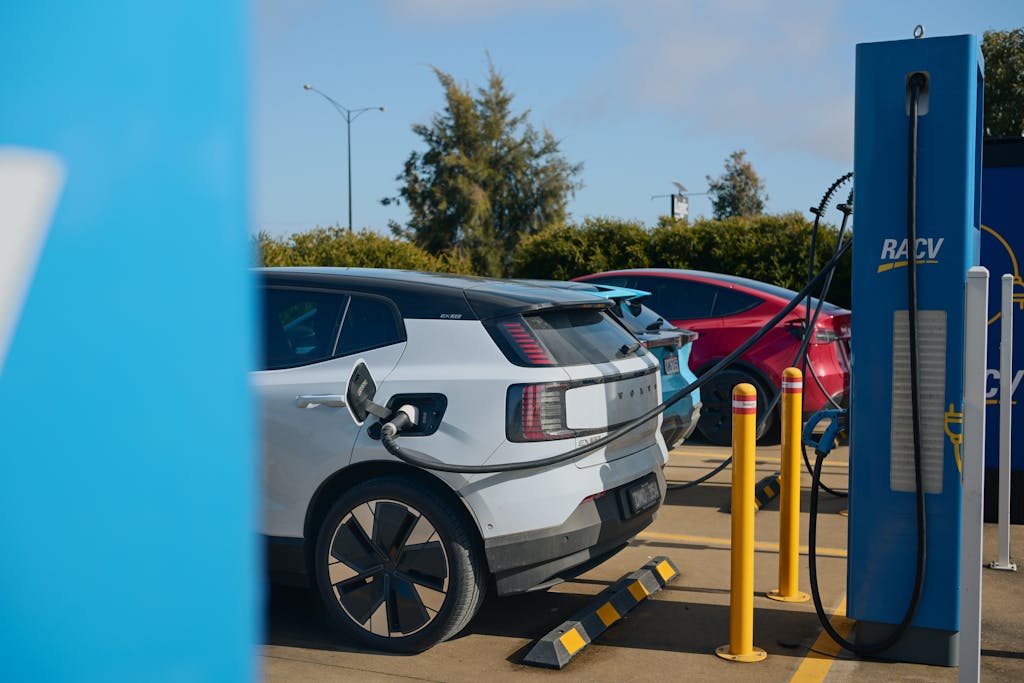
High-performance electric vehicles promised sustainability and cutting-edge technology but created unexpected headaches. Buyers face limited charging stations, long wait times, and costly maintenance. Expectations of convenience clash with the reality of frequent recharging and software updates that sometimes introduce new problems.
Autonomous-driving features often underperform, leaving owners frustrated. The gap between marketing hype and actual experience fuels regret for those who invested heavily, expecting effortless innovation. The excitement of green technology quickly gives way to practical challenges.
Subscription Services
Subscriptions in streaming, fitness, and meal delivery seemed like a simple way to save on convenience, but have become financial traps. Consumers who pay for multiple services often forget which subscriptions are active, leading to unexpected charges. Hidden fees and automatic renewals intensify frustration.
The phenomenon of subscription fatigue is real. Households overwhelmed by multiple memberships quickly recognize that paying for unused services adds unnecessary financial stress. The promise of simplicity becomes a source of regret for those caught in the cycle of constant payments.
Smart Home Devices
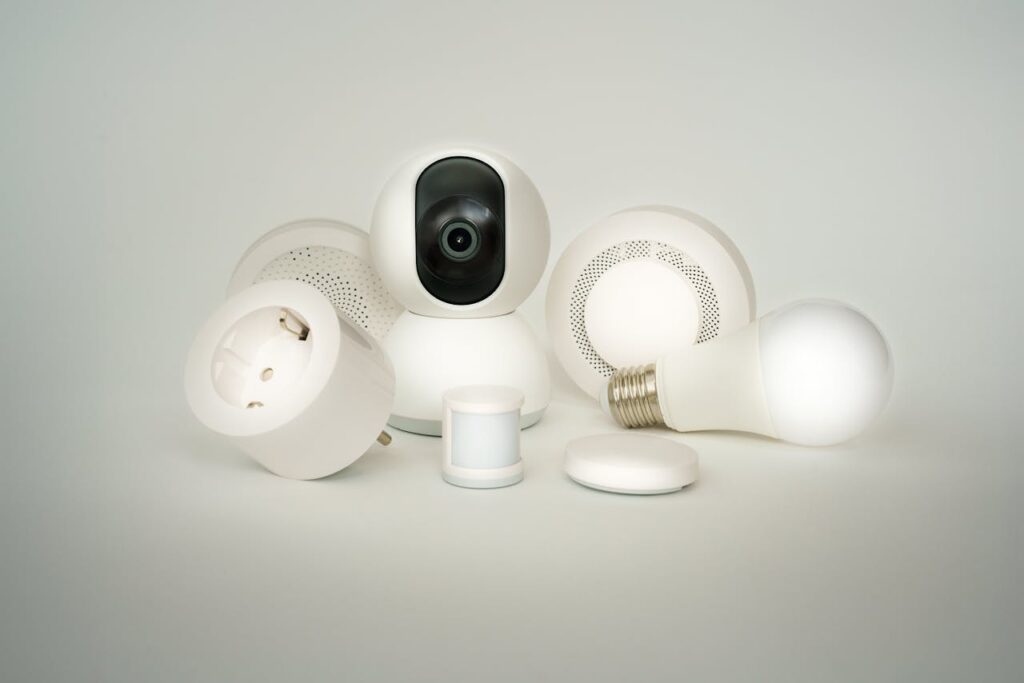
Smart home devices, including lights, thermostats, and security cameras, have not lived up to expectations. Complex setups, inconsistent connectivity, and compatibility issues make management difficult. Buyers hoping for seamless automation find themselves juggling apps, firmware updates, and unexpected malfunctions.
Expensive devices often fail to simplify life. Maintaining a connected home is more stressful than anticipated, and many consumers conclude that high price tags cannot guarantee ease or efficiency. The dream of a fully automated home clashes with the practical realities of technology integration.
Fitness Equipment
High-end home gym equipment is meant to offer convenience and a better lifestyle, but it often sits unused. Treadmills, rowing machines, and interactive platforms often fall victim to fading motivation. Initial excitement cannot overcome the challenge of incorporating new workouts into busy schedules.
Space and maintenance requirements worsen dissatisfaction. Large machines occupy valuable room, require frequent servicing, and create logistical issues. Marketing claims of transformative fitness experiences rarely match the reality of inconsistent use.
Kitchen Appliances
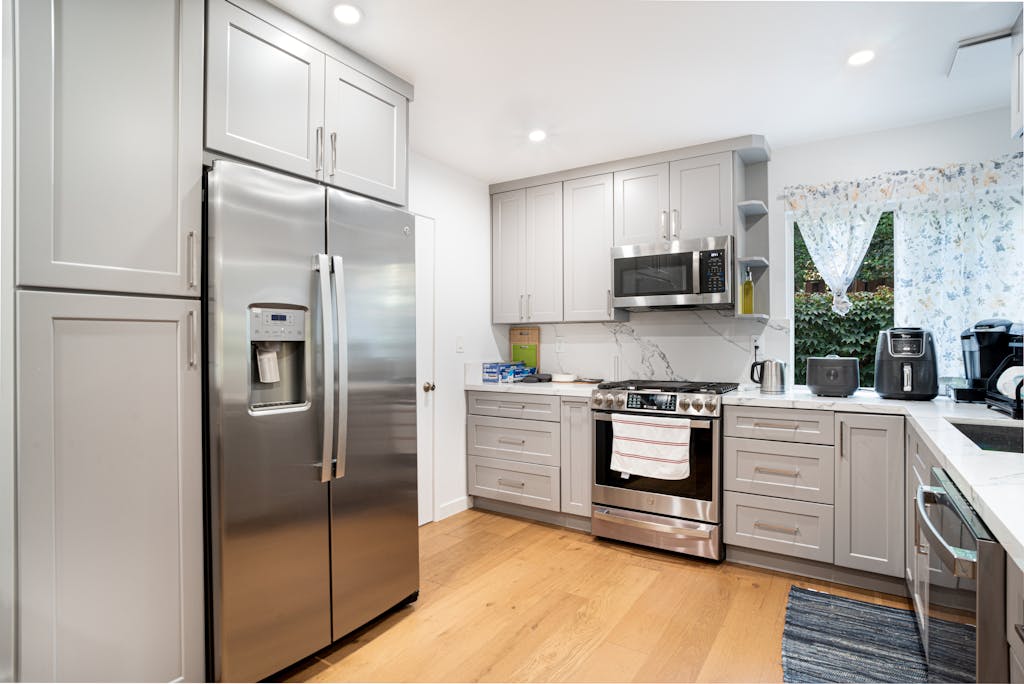
Gourmet kitchen appliances offer professional results but often complicate cooking. Smart ovens, precision cookers, and advanced mixers require learning curves and meticulous maintenance. Many devices add steps and frustration rather than simplifying meal preparation.
Limited versatility makes appliances less practical than advertised. Specialized functions often do not fit everyday cooking needs, leaving costly tools underused. Consumers regret spending on devices that complicate rather than enhance the kitchen experience.
Conclusion
In 2026, consumer regret highlights a clear trend: flashy marketing and high prices do not guarantee satisfaction. From tech gadgets to luxury items, electric vehicles, subscriptions, smart homes, fitness gear, and kitchen tools, buyers are learning that practical value and reliability matter more than hype. Considering usability, durability, and realistic benefits before purchasing can prevent disappointment. Making smarter choices ensures that money spent brings convenience, enjoyment, and long-term satisfaction rather than regret.