Home renovations often start with excitement and high expectations, but the road to completion can be fraught with missteps, frustrations, and a few hard-learned lessons. While DIY projects can add character and personal flair to your living space, they also come with their fair share of risks.
These common home improvement regrets highlight the importance of preparation, planning, and precision in execution. Whether you’re planning to renovate your kitchen or rethink your living room layout, these insights will help you avoid costly mistakes.
Poor Planning for Electrical and Plumbing Changes
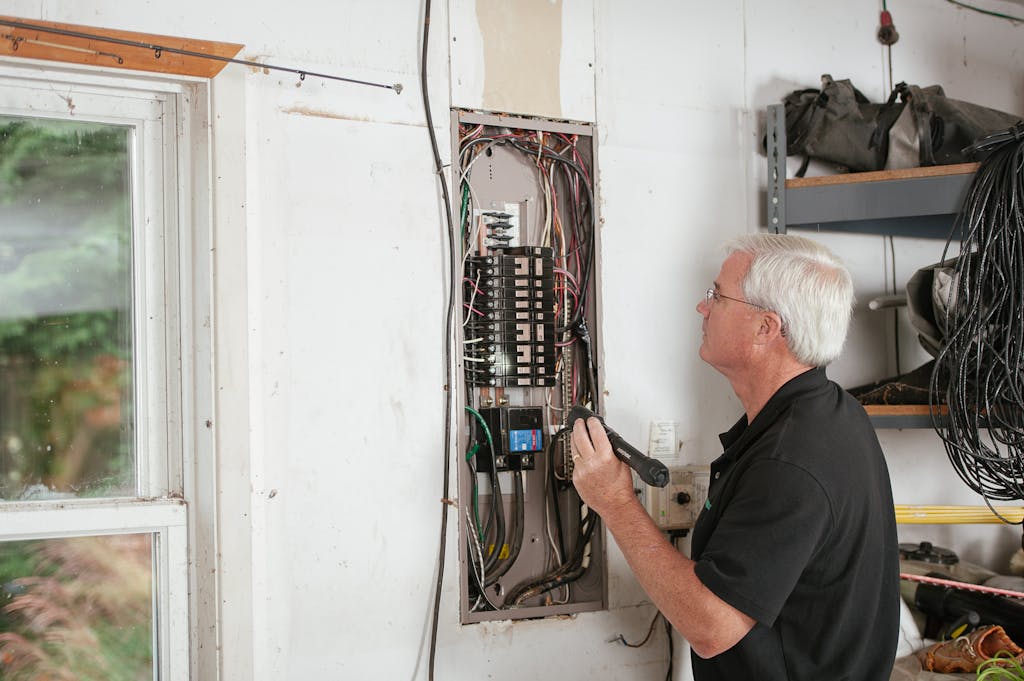
Electrical and plumbing issues are a headache for homeowners, especially when they aren’t planned properly during renovations. A kitchen remodel or basement finishing project can turn into a disaster if pipes and wires aren’t accounted for in the initial design.
Homeowners who attempted to move appliances or add outlets without considering the existing system often found themselves with expensive fixes.
Ignoring Proper Permits and Inspections
Renovating without the necessary permits or inspections is another mistake many homeowners regret. From minor plumbing tweaks to full-scale remodels, skipping this crucial step can lead to legal trouble, expensive fines, or problems when it’s time to sell the house. Inspections also help ensure work is done safely, particularly for electrical and structural changes.
Underestimating the Popcorn Ceiling Removal
One of the most common regrets among homeowners is removing popcorn ceilings. What seemed like a quick and easy job, scraping off that outdated texture, turned into an extended project. Many thought they could knock out the entire house over a weekend, but years later, only one room has been tackled.
The time-consuming nature of this task, combined with the mess and difficulty of dealing with asbestos in older ceilings, makes it a renovation to approach with caution.
A Kitchen Cabinet Color Regret

Renovating the kitchen can be an exciting project, but as one homeowner discovered, rushing through the preparation phase can lead to permanent dissatisfaction. After painting the kitchen cabinets a bold dark blue, they were pleased with the results at first.
However, they soon regretted skipping the sanding step before painting, as the paint began peeling quickly and showed signs of wear. The lesson here? Proper prep work is key to ensuring the longevity and durability of your paint job.
The Allure of DIY Flooring Installation
While DIY flooring installation is often touted as an easy way to save money, it can lead to significant regret when things don’t go as planned.
Many homeowners have attempted to install their own hardwood or laminate floors, only to find that gaps, uneven planks, or poorly aligned edges are impossible to fix without professional help. This not only affects the overall look of the room but can also lead to costly repairs or replacements.
The Danger of Overextending Your Renovation Budget
It’s easy to get carried away with a home improvement project, but stretching your budget too thin can result in regret. Whether it’s opting for high-end finishes or adding unexpected extras to the project, overspending can quickly turn a reasonable renovation into a financial burden.
Homeowners may end up sacrificing other important areas of their home or struggle to pay for the project altogether.
Choosing Trendy Designs Over Timeless Classics
Home improvements often reflect the latest trends, but trendy designs can quickly become outdated. Homeowners who focus too heavily on what’s currently “in” for countertops, backsplashes, or flooring often regret their choices as trends change. What looked fresh and exciting in 2020 may feel tired and old by 2025.
Overcomplicating Simple Projects
In the desire to make a renovation project stand out, homeowners sometimes overcomplicate simple tasks. What started as a basic bathroom update quickly turned into a multi-month ordeal involving expensive custom features, elaborate tiling, and overly complex designs.
The result? Frustration and regret as costs and time commitments spiraled.