Are you ready to start your cleaning business? Think it’s just about buying a mop and a vacuum, and waiting for clients to call? Think again. While the cleaning industry offers seemingly endless opportunities, most cleaning businesses fail before they even get started. But don’t worry; we’ve got you covered.
In this article, we’ll break down the essential steps you must take to build a profitable cleaning business that stands the test of time. Skip these steps, and you might be doomed to fail before you even turn on your vacuum.
Why Most New Cleaning Businesses Fail

The cleaning industry seems like an easy field to break into, but many entrepreneurs make costly mistakes early on. Without a solid plan, they quickly burn out or fail to secure consistent business.
Common Pitfalls:
- Underpricing Services: Many new business owners make the mistake of underpricing to attract clients, only to find out they can’t cover expenses or make a profit.
- Lack of Marketing: Without a strong marketing plan, your cleaning business will remain hidden, even if you provide excellent service.
- Failure to Differentiate: If you don’t set yourself apart from the competition, you’ll just become another generic cleaning company with no unique value proposition.
To avoid these pitfalls, it’s essential to have a clear plan, identify your target market, and understand your competition before even starting your business.
Skipping Legal Requirements
Many entrepreneurs jump into business without fully understanding the legal requirements, which can come back to bite them. From failing to register your business to neglecting to obtain the proper licenses, cutting corners here can result in hefty fines or even a business shutdown.
What You Need to Do:
- Register Your Business: Whether you’re operating as a sole proprietor or forming an LLC, ensure you register your business legally to protect yourself.
- Get the Right Licenses and Permits: Cleaning businesses often need specific licenses or permits to operate. Research local requirements and secure them before accepting clients.
- Insurance and Bonding: Protect your business and your clients by securing general liability insurance and bonding, especially for commercial cleaning jobs.
Failing to address legalities from the start can lead to a series of complications down the road. Make sure you’ve got your legal and insurance matters sorted out before you even think about your first job.
Overlooking the Importance of Proper Equipment
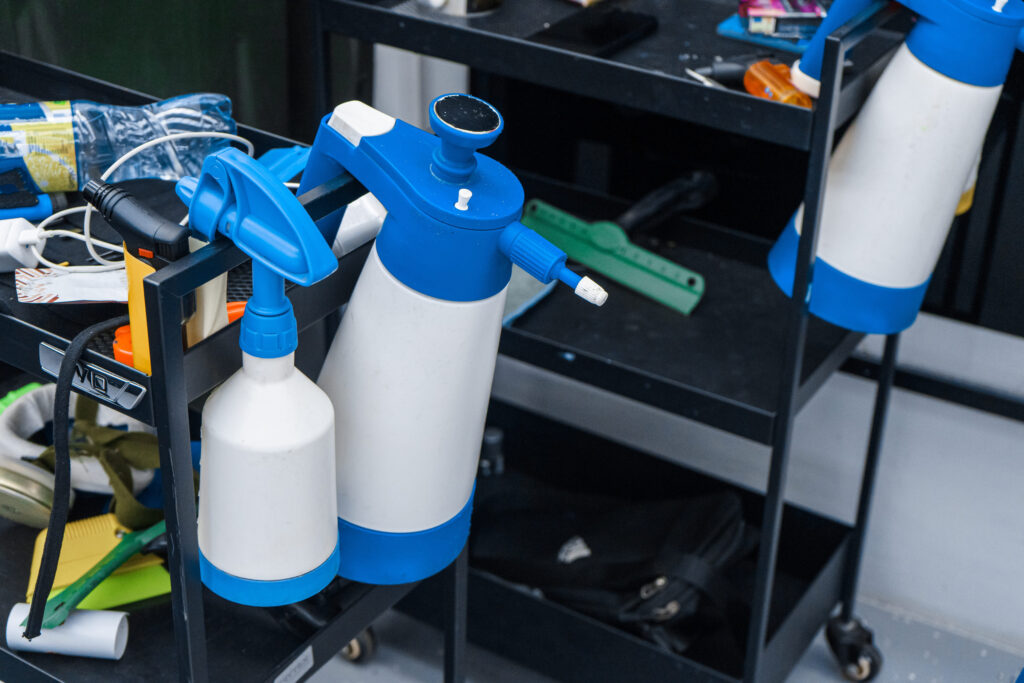
It’s tempting to buy cheap cleaning products and equipment to cut costs when starting out, but using subpar tools can make your work inefficient and leave clients dissatisfied. Not having the right equipment for the job will only hurt your business in the long run.
Invest in Quality Tools:
- Basic Supplies: Invest in high-quality mops, vacuums, and cleaning products that can handle heavy-duty cleaning tasks.
- Specialized Equipment: For specialized services like carpet cleaning or window washing, you’ll need the right equipment to get the job done. Don’t skimp here.
By spending wisely on equipment, you’ll not only deliver better results but also enhance your professional reputation.
Customer Service
In a business like cleaning, customer service is paramount. If your clients don’t feel valued or receive subpar service, they won’t hesitate to look elsewhere.
Key Customer Service Tips:
- Reliability: Show up on time and complete the job as promised. Consistency builds trust and encourages repeat business.
- Personalization: Tailor your services to meet each client’s needs. A personalized approach makes clients feel special and ensures you stand out from the competition.
- Follow-Up: After completing a job, follow up with clients to ensure they’re satisfied. This is also a great time to ask for referrals or reviews.
Building and maintaining strong client relationships is the cornerstone of any successful cleaning business.
Failing to Market Your Business Properly

You can offer the best cleaning services in town, but if no one knows about you, your business will struggle. A great service won’t sell itself; it’s up to you to promote it effectively.
Marketing Strategies That Work:
- Build a Professional Website: Your website should be easy to navigate, mobile-friendly, and search engine optimized.
- Utilize Social Media: Platforms like Instagram and Facebook are perfect for showcasing your work. Share before-and-after photos, client testimonials, and promotions.
- Online Reviews: Encourage clients to leave reviews on Google and Yelp. Positive reviews build trust and attract new customers.
Without a solid marketing plan, your cleaning business will stay in the shadows, no matter how great your service is.
Neglecting Financial Management
Another big mistake cleaning business owners make is ignoring their finances. Without careful tracking of income and expenses, you could easily find yourself in the red.
Financial Tips:
- Track Your Expenses: Keep detailed records of everything from cleaning supplies to transportation costs.
- Set Realistic Pricing: Ensure your pricing covers costs and generates a profit. Don’t forget to factor in labor, supplies, and insurance.
- Plan for Growth: As your business grows, so will your expenses. Make sure to set aside a portion of your profits for reinvestment into the business.
Without good financial management, your business could spiral into debt, no matter how hard you work.
Scaling Too Quickly Can Lead to Disaster

Many cleaning businesses get caught up in the excitement of growth and scale too quickly. Hiring too many employees or taking on too many jobs before you’re ready can overwhelm you and lead to mistakes.
Scaling Tips:
- Start Small: Focus on delivering exceptional service with a small team before expanding.
- Gradually Increase Your Capacity: As you build a solid client base, slowly add more employees or take on larger jobs.
- Maintain Quality Control: Ensure that, as you scale, service quality doesn’t slip. Overworked employees are more likely to make mistakes.
Growth should be a strategic process, not a rushed decision. Scaling too quickly without a solid foundation can lead to failure.
Conclusion
Starting a cleaning business isn’t as simple as it seems, but it doesn’t have to be overwhelming either. By avoiding common pitfalls like underpricing, neglecting marketing, or failing to invest in equipment and customer service, you can position your business for success. The cleaning industry may be competitive, but with a strong plan, the right mindset, and the willingness to adapt, you can build a thriving business. Take it step by step, and remember that success doesn’t happen overnight; hard work, consistency, and attention to detail will always pay off.