House fires are among the most devastating events that can happen to a family. Not only do they cause significant damage to property, but they can also put the lives of those you love at risk. The good news? Many house fires are preventable.
With the right precautions and some awareness, you can significantly reduce the risk of a fire breaking out in your home. Here’s how to safeguard your home, family, and belongings from fire hazards.
Maintain Your Smoke Detectors
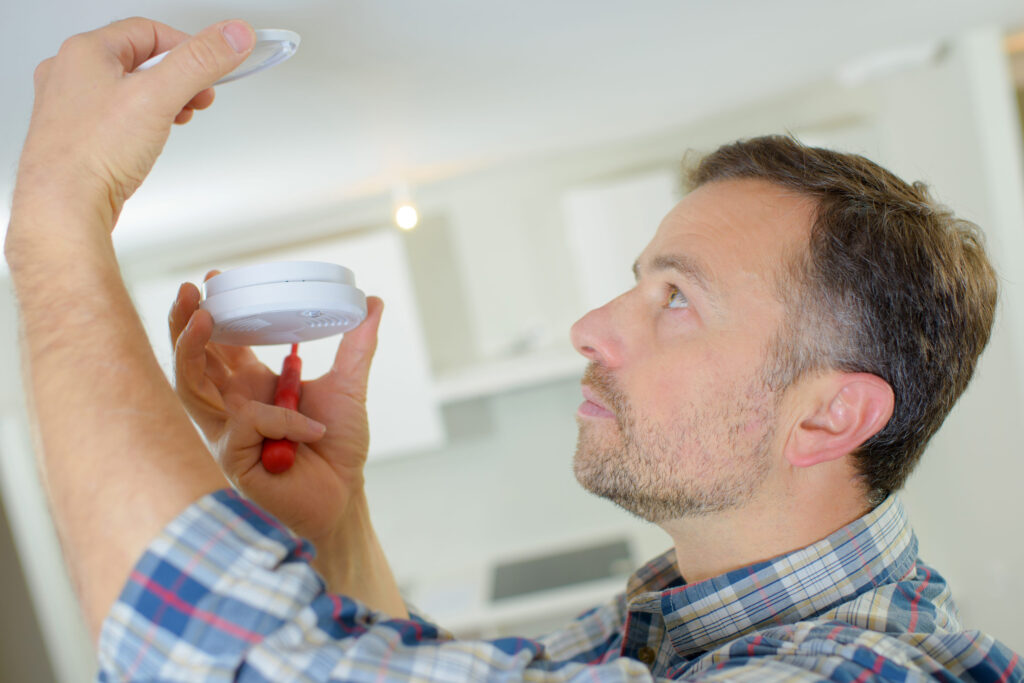
It’s surprising how many people neglect the simplest yet most vital step in fire prevention: smoke detectors. These life-saving devices are designed to alert you to potential danger before it’s too late.
To ensure they function properly, check the batteries regularly—every six months at a minimum—and test the alarm once a month. Replace any smoke detectors that are over ten years old. Additionally, installing smoke detectors on every floor, especially in sleeping areas, can increase your chances of getting out safely.
Keep Flammable Materials Away from Heat Sources
One of the most common causes of house fires is the improper storage of flammable materials. It’s easy to forget that simple items like rags soaked in oil, paper towels, and cleaning supplies can catch fire quickly if they’re near a heat source.
Always store these materials in a safe, fire-resistant container away from stoves, heaters, or any equipment that could spark. Remember, even something as innocent as a pile of newspapers can quickly go up in flames if left too close to a heater or fireplace.
Be Careful with Cooking Appliances
The kitchen is the heart of many homes, but it’s also one of the most dangerous places when it comes to fire hazards. Cooking accidents, such as leaving pots and pans unattended, are a leading cause of house fires.
To prevent this, never leave food cooking unattended, especially when frying, grilling, or broiling. Always have a fire extinguisher nearby and know how to use it. If a grease fire starts, avoid using water—this will only make the situation worse. Instead, smother the fire with a metal lid or use a fire extinguisher specifically designed for grease fires.
Clean Your Chimney Regularly
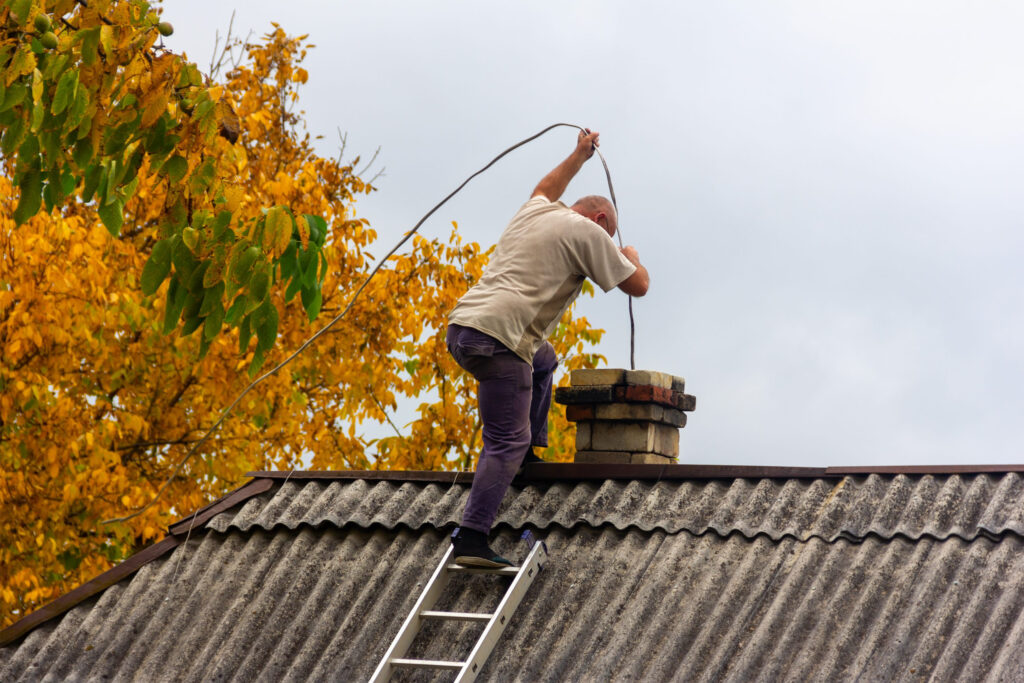
A fireplace can provide a cozy, relaxing atmosphere, but it also poses a fire risk if not properly maintained. Over time, creosote—a highly flammable substance—can build up in your chimney, increasing the risk of a chimney fire.
To prevent this, have your chimney cleaned and inspected annually by a professional. It’s a small investment that can prevent a potentially catastrophic situation down the road. Additionally, make sure you burn only seasoned hardwood in your fireplace, as wet or green wood can produce more creosote buildup.
Inspect Electrical Systems and Appliances
Electrical fires are far more common than most people realize. Faulty wiring, overloaded circuits, and malfunctioning appliances can easily cause a fire if not regularly checked. It’s important to have a licensed electrician inspect your home’s electrical system at least once every ten years.
Always unplug appliances when not in use and avoid overloading outlets. If you notice any frayed cords or sparks while using an electrical device, stop using it immediately and have it repaired or replaced. Remember, safety comes first when it comes to your home’s electrical system.
Install Fire Extinguishers
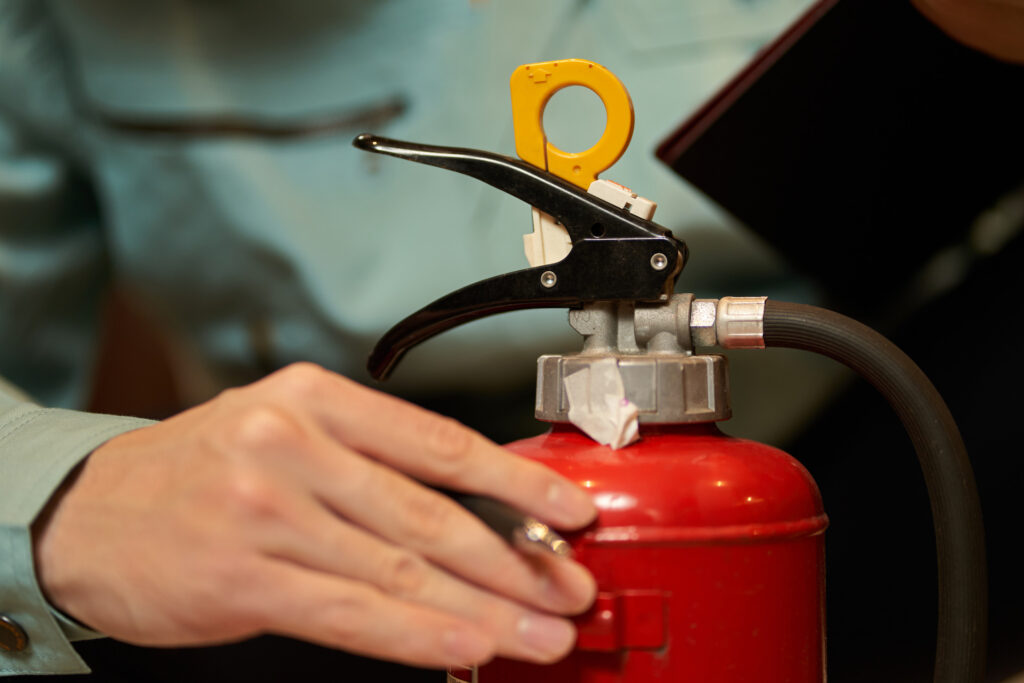
Fire extinguishers are an absolute must in every home. Make sure you have one on every floor, especially in high-risk areas like the kitchen and garage. Fire extinguishers can make all the difference in preventing a small fire from turning into a devastating inferno. However, it’s not enough to simply have them; you must know how to use them.
Familiarize yourself with the PASS method—Pull the pin, Aim at the base of the fire, Squeeze the handle, and Sweep from side to side. Regularly check the pressure gauge to ensure it’s charged and ready to go in case of an emergency.
Keep Your Lawn and Yard Tidy
While many people focus solely on their home’s interior, the exterior also plays a critical role in fire prevention. Dry leaves, twigs, and other debris around your yard can easily catch fire, especially during the hot summer months.
Keep your lawn trimmed, and clear away any dead or dry vegetation from the perimeter of your home. If you live in an area prone to wildfires, create a defensible space by clearing a wide buffer zone around your property, free from combustible materials.
Be Cautious with Candles

Candles are a favorite way to set a relaxing ambiance, but they can also be incredibly dangerous if left unattended.
Always keep candles at least one foot away from anything that can catch fire, including curtains, pillows, or books. Never leave a lit candle unattended, especially when you leave a room or go to bed. Consider switching to flameless candles if you have young children or pets, as these provide the same ambiance without the risk of fire.
Store Firewood Safely
If you use firewood for heating or in your fireplace, be sure to store it properly. Never store firewood near your home, as it can easily catch fire if a spark from the fireplace lands on it.
Store your firewood at least 30 feet away from the house, and keep it elevated on a rack or platform to prevent moisture buildup, which can encourage mold or insect infestations. Dry, seasoned wood is the safest and most efficient choice for burning.
Educate Your Family on Fire Safety
Finally, it’s essential to educate everyone in your household about fire safety. Make sure everyone knows what to do in the event of a fire, including how to safely exit the home and where to meet outside.
Practice fire drills regularly, especially with children, to ensure everyone knows what to do when the alarm sounds. Teach everyone how to use fire extinguishers and stress the importance of never playing with fire.