As we continue to face the challenges of climate change, our food choices play a significant role in shaping the planet’s future. Some foods have a much smaller environmental footprint than others, making them excellent choices for anyone looking to eat more sustainably. Here’s a deeper dive into some of the best foods for the environment that are not only good for the planet but can also be packed with nutrition.
Algae (Seaweed)
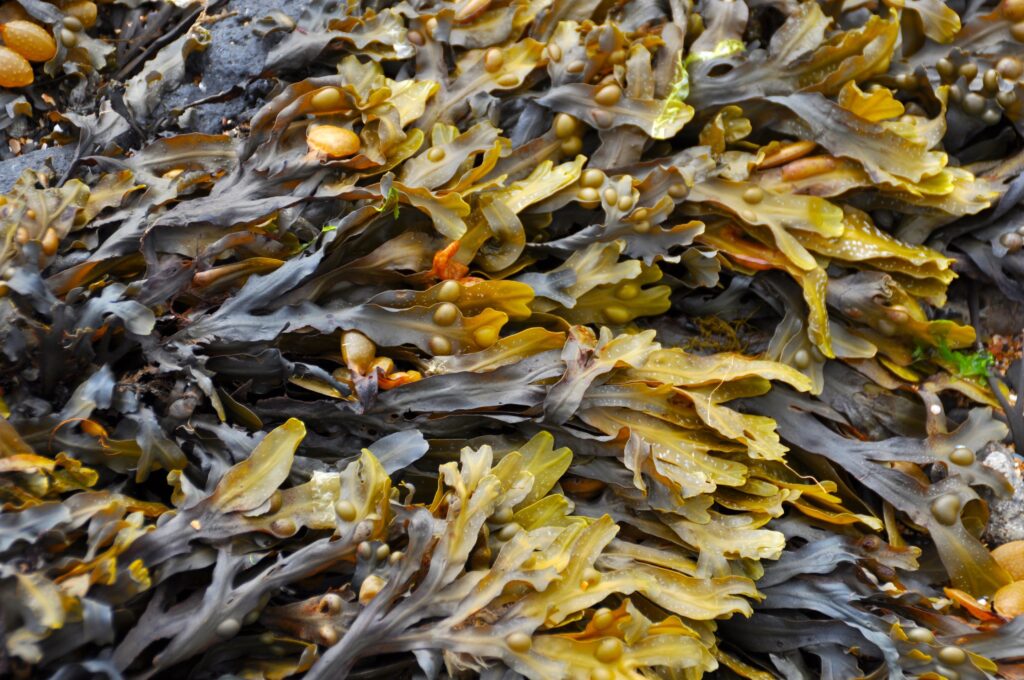
Algae, especially seaweed, is an incredibly sustainable food that deserves more attention. It requires no land or freshwater to grow, making it one of the most resource-efficient foods. Seaweed absorbs carbon dioxide from the atmosphere, which can help reduce greenhouse gases. It’s also packed with essential nutrients like iodine, fiber, and omega-3 fatty acids, making it a powerhouse for both the environment and your health. The best part? Algae grows rapidly and, when harvested responsibly, can help promote marine ecosystem health without overburdening the environment.
Cereals & Grains
Cereals and grains like wheat, barley, oats, and quinoa have a relatively low environmental impact compared to other food groups. These staple crops require far less water than animal products and have a smaller carbon footprint. They also offer a wide range of health benefits, including high fiber content and essential vitamins and minerals. When grown sustainably, grains can play a significant role in supporting food security without putting additional strain on the environment. Plus, they are incredibly versatile, found in everything from breakfast cereals to bread and even plant-based meat alternatives.
Pulses & Beans

Beans, lentils, chickpeas, and other legumes are not only a fantastic source of plant-based protein but also have an incredibly low environmental impact. These foods require little water to grow and use minimal land space. They also fix nitrogen in the soil, improving soil health and reducing the need for synthetic fertilizers. Pulses are nutrient-dense, offering fiber, iron, and folate, and they are a great option for sustainable eating. Plus, they help with crop rotation, reducing the need for harmful pesticides and fertilizers in farming.
Leafy Greens
Leafy vegetables like spinach, kale, and lettuce are among the most sustainable options for your plate. These greens are nutrient-packed and grow quickly with little water and land required. Unlike animal-based foods, leafy greens don’t produce harmful emissions or require high levels of energy to produce. Additionally, many leafy greens are versatile in cooking and can be incorporated into a wide range of dishes, providing fiber, vitamins, and minerals with minimal environmental impact. They are an excellent way to add a green touch to your meals while supporting the environment.
Mushrooms

Mushrooms are a fantastic example of a low-impact, highly nutritious food. They require very little water to grow and can be cultivated in urban environments, making them an ideal choice for sustainable farming. Mushrooms also contribute to soil health by breaking down organic matter and adding valuable nutrients to the soil. Furthermore, mushrooms are packed with antioxidants, vitamins, and minerals, making them an excellent addition to any diet. Their ability to thrive on waste products from other industries makes them a unique and eco-friendly food source.
Root Vegetables
Root vegetables such as carrots, potatoes, sweet potatoes, and turnips are not only nutritious but also environmentally friendly. They require less water and energy to grow compared to many other foods and are efficient at converting soil nutrients into edible produce. Root vegetables are rich in fiber, antioxidants, and vitamins, making them a great choice for a healthy diet. Their ability to grow in various climates and conditions also makes them a reliable food source for different regions, further enhancing their sustainability.
Nuts

Nuts, particularly those from trees like almonds, cashews, and walnuts, can be a good source of protein and healthy fats. However, not all nuts are created equal in terms of environmental impact. Almonds, for example, require significant water to grow, particularly in drought-prone areas, so it’s important to consider regional water usage when choosing nuts. Nevertheless, many other nuts, like hazelnuts and walnuts, tend to have a lower environmental footprint and can be enjoyed in moderation as part of a sustainable diet. Not only are nuts rich in essential nutrients like magnesium, vitamin E, and healthy fats, but they also support reforestation efforts in many ecosystems.
Plant-Based Dairy Alternatives
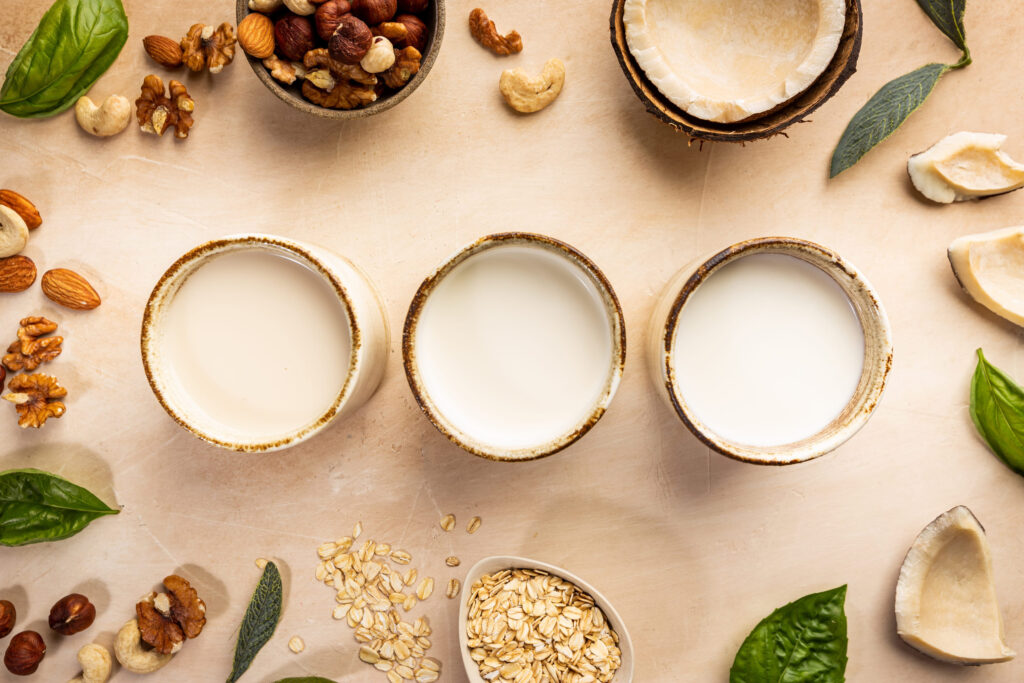
Plant-based milks (such as almond, oat, and soy milk) and plant-based cheeses provide an excellent alternative to traditional dairy products, which have a high environmental impact due to the resources needed to raise dairy cows. These plant-based alternatives are often produced with fewer resources, especially compared to dairy farming, which requires significant land, water, and feed to raise livestock. Oat milk, for instance, uses far less water than almond milk and is often produced in more sustainable ways. These dairy alternatives also come in a variety of options for those with lactose intolerance or vegan diets, offering a more eco-conscious way to enjoy dairy-like products without the environmental cost.
Conclusion
By incorporating more plant-based foods like pulses, leafy greens, root vegetables, and mushrooms into your meals, you can significantly reduce your environmental footprint. These foods not only support your health but also contribute to the well-being of our planet. Sustainable eating isn’t about depriving yourself; it’s about making conscious choices that support a greener, healthier world for future generations. So, the next time you’re in the kitchen or at the store, consider reaching for these environmentally friendly foods that are as good for you as they are for the planet.