If you’ve ever wondered why your boxwoods aren’t as vibrant as you’d like, the secret could lie in your fertilizing routine. Timing, the right nutrients, and proper application all play pivotal roles in keeping your boxwoods healthy and full of life.
Whether you’re struggling with yellowing leaves or lackluster growth, the right fertilization strategy can transform your garden. Let’s dive into the best practices for fertilizing your boxwoods and watch them thrive like never before!
Nutritional Needs of Boxwoods
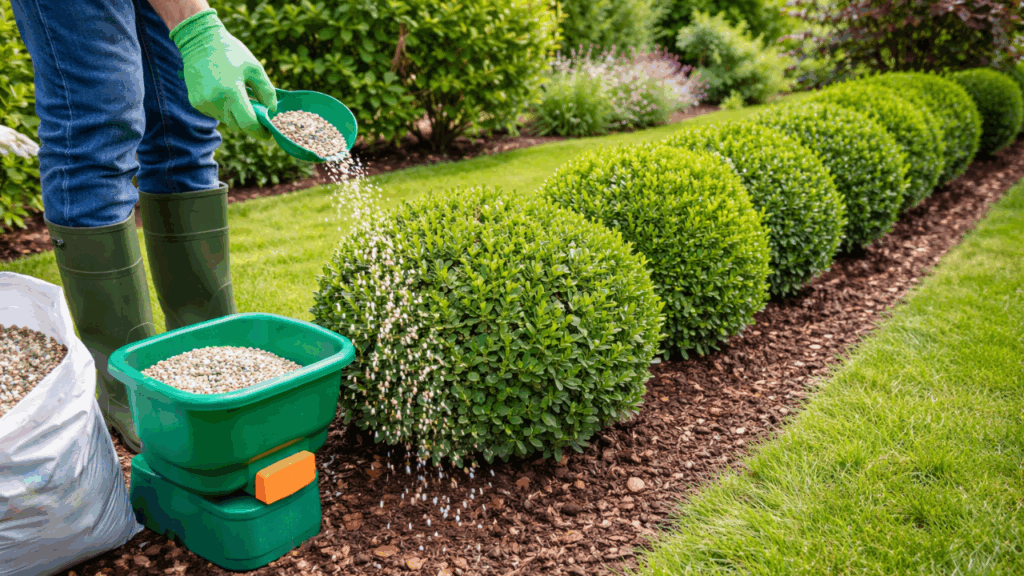
Boxwoods are relatively low-maintenance plants, but they still require proper care to flourish. To maintain healthy growth, it’s essential to understand the primary nutrients they need: nitrogen (N), phosphorus (P), and potassium (K). These elements play vital roles:
- Nitrogen promotes vigorous leaf growth and helps maintain a rich, green color.
- Phosphorus supports root development and flowering, both crucial to the shrub’s longevity.
- Potassium strengthens the plant’s immune system and enhances its resistance to diseases.
While boxwoods can tolerate a range of soil types, they thrive in a soil pH between 6.5 and 7.0. Soil that is too acidic or alkaline can inhibit nutrient uptake, leading to poor plant health. Always test your soil before fertilizing to ensure it’s within the optimal pH range.
How to Identify When Boxwoods Need Fertilizing
Yellowing Leaves
One of the most common signs that your boxwood needs fertilizing is yellowing leaves. While this can be caused by a lack of nitrogen, it can also signal issues such as poor soil drainage or pest damage. If the yellowing is not due to pests or soil issues, a nitrogen-rich fertilizer can help revive the plant.
Slow Growth
Boxwoods that exhibit slow or stunted growth may not be getting the nutrients they need. If your plant isn’t growing as vigorously as expected, it’s a strong indicator that it could benefit from a nutrient boost. Early spring is the best time to fertilize in such cases to encourage healthy new growth.
Thinning Foliage
Thinning foliage or sparse branches can be another telltale sign that boxwoods are nutrient-deprived. This may also indicate a deficiency in nitrogen, phosphorus, or potassium. Applying a balanced fertilizer with equal parts N, P, and K will help restore your plant’s vitality.
The Best Time to Fertilize Boxwoods

Spring Fertilization
Spring is the ideal time to fertilize boxwoods, as this is when they emerge from dormancy and begin their growing season. Early spring fertilization helps prepare the plant for the months ahead, providing essential nutrients for leaf production and root development. A balanced, slow-release fertilizer with a 10-10-10 ratio is recommended during this period to provide sustained nourishment throughout the season.
Fall Fertilization
In addition to spring fertilization, a light dose in early to mid-fall can help strengthen the plant’s roots. However, it’s important to use a fertilizer lower in nitrogen and higher in phosphorus and potassium during this period. Nitrogen encourages new growth, which can be damaged by cold temperatures. A fertilizer with a ratio like 5-10-10 helps promote healthy root growth without pushing the plant to produce vulnerable new shoots just before winter sets in.
Avoid Late Summer Fertilization
It’s crucial to avoid fertilizing your boxwoods in late summer, especially in regions where high temperatures cause stress to plants. Fertilizing during the peak of summer can overstimulate growth, leaving boxwoods vulnerable to heat stress and potential fertilizer burn. Always wait for the cooler months before applying any nutrients.
Organic vs. Synthetic Fertilizers
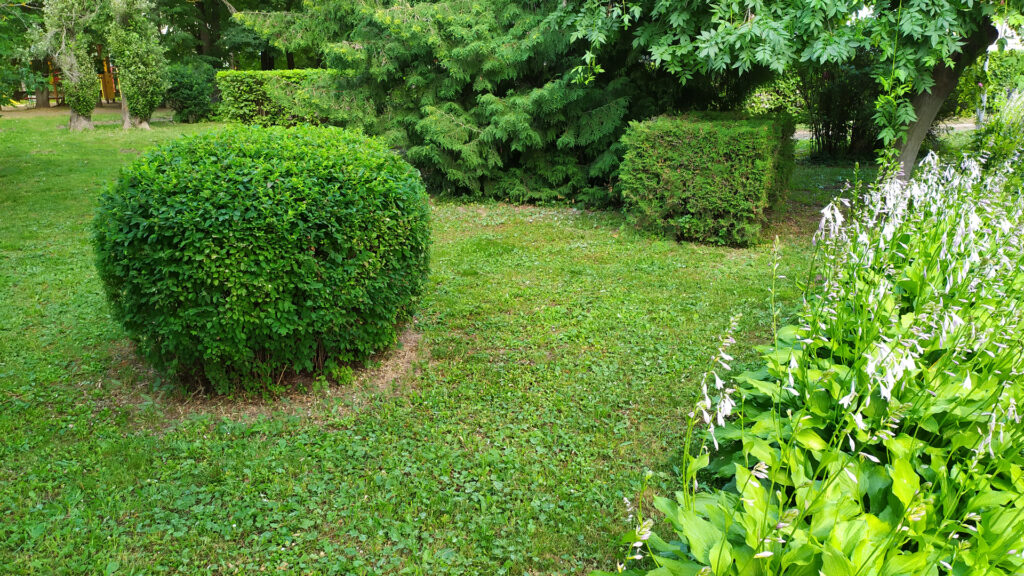
When choosing a fertilizer for your boxwoods, you’ll have two main options: organic and synthetic fertilizers.
Organic Fertilizers
Organic fertilizers, such as fish emulsion, compost, and bone meal, provide a steady, slow release of nutrients. These fertilizers are less likely to harm the soil or plants because they have lower nutrient concentrations than synthetic fertilizers. They also improve soil structure over time, promoting better water retention and root growth.
Synthetic Fertilizers
Synthetic fertilizers, on the other hand, deliver nutrients more quickly, making them ideal for providing an immediate nutrient boost. However, they carry the risk of nutrient overload, especially when applied in excess. This can lead to nutrient imbalances and potential harm to the plant and the surrounding environment. Be cautious when using synthetic fertilizers and follow the manufacturer’s instructions closely.
Slow-Release vs. Water-Soluble Fertilizers
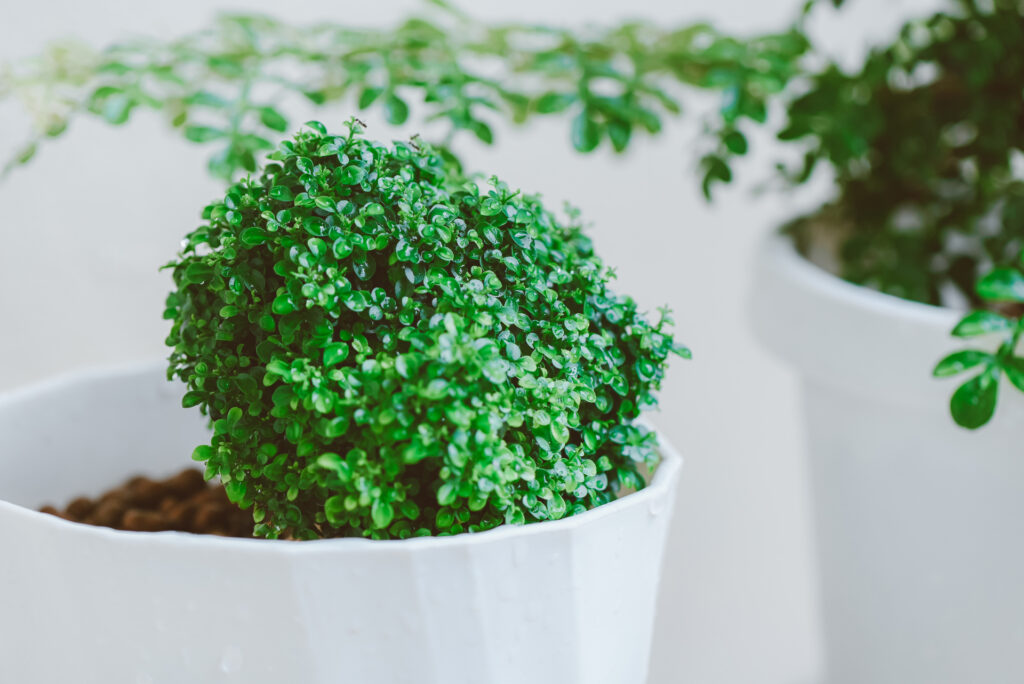
When deciding between slow-release and water-soluble fertilizers, it’s essential to consider the needs of your boxwoods:
- Slow-Release Fertilizers: These fertilizers break down over time, releasing nutrients gradually. Ideal for spring feeding, they ensure consistent nourishment and reduce the risk of nutrient burn.
- Water-Soluble Fertilizers: These provide a quick nutrient boost but are typically used for immediate needs or when your boxwoods show signs of nutrient deficiency.
Slow-release fertilizers are the preferred choice for regular fertilization, as they minimize the risk of overfeeding and provide a steady supply of nutrients.
How to Apply Fertilizer to Your Boxwoods
Proper application is key to successful fertilization. Here’s how to ensure you’re feeding your boxwoods correctly:
- Measure the Fertilizer: Always follow the manufacturer’s guidelines for the correct amount.
- Distribute Evenly: Spread the fertilizer around the base of the plant, avoiding direct contact with the stems or trunk, as this can cause fertilizer burn.
- Water Thoroughly: After applying the fertilizer, water the soil deeply. This helps the nutrients penetrate the soil and reach the plant’s roots.