Gardening doesn’t just make your outdoor space beautiful; it can also support critical wildlife, like bees, which are essential pollinators for many plants and crops around the world. But if you want your garden to become a buzzing haven rather than just a pretty patch of flowers, there are a few common missteps that can prevent bees from visiting or thriving there. Below are five expanded points that explain what many gardeners overlook and how to fix those issues so bees feel both attracted and safe in your outdoor space.
Choosing the Wrong Plants Instead of Pollinator Favorites
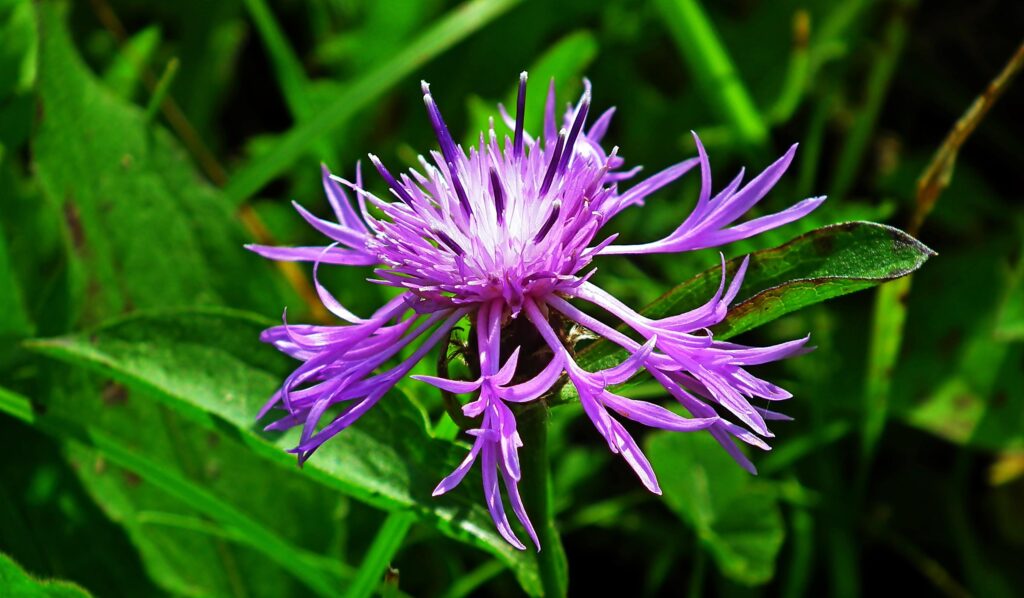
One of the biggest mistakes gardeners make is selecting flowers based only on appearance rather than on what bees actually prefer. Bees are drawn to plants that produce abundant nectar and pollen, especially species that bloom in shapes and colors they can easily access. Choosing a variety of plants that bloom throughout the season will ensure there’s always food available. Diversity matters because different types of bees prefer different flowers. Instead of focusing solely on ornamental blooms, include pollinator-friendly plants so bees feel welcome and rewarded when they visit. If flowers don’t offer what bees need, they won’t bother to stop by at all.
Relying on Harmful Pesticides Instead of Natural Pest Control
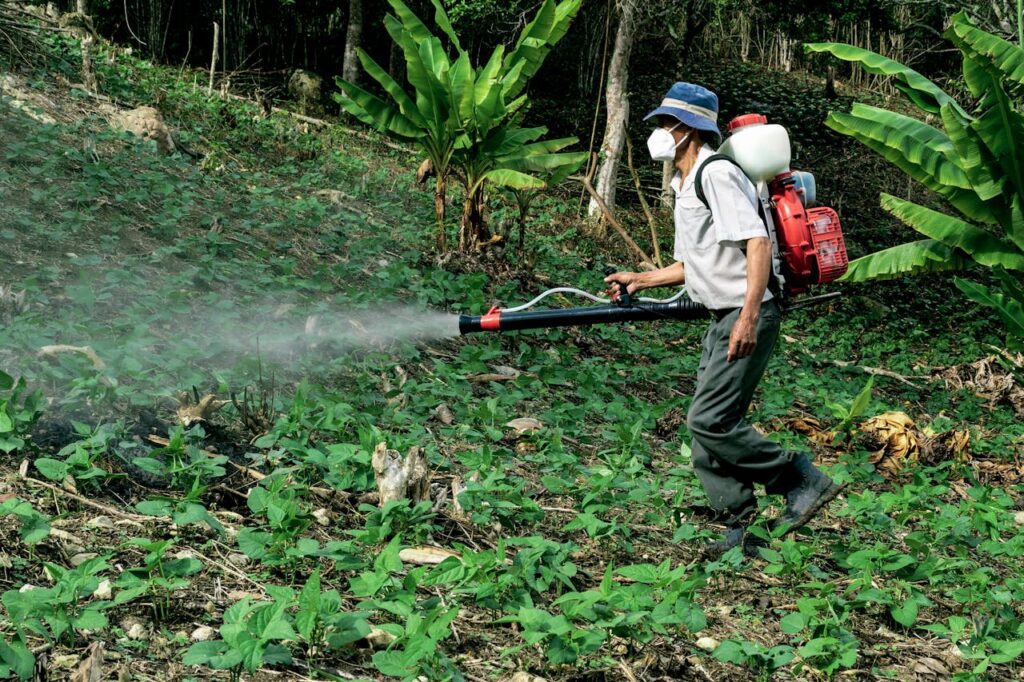
A second mistake that unknowingly deters bees is the regular use of chemical pesticides in the garden. Even small amounts of these chemicals can disrupt bees’ nervous systems and disorient them, making it harder for them to return to their hive safely. Rather than spraying to control pests, try companion planting or organic pest control methods that repel unwanted insects without harming beneficial ones. Companion plants like marigolds can naturally deter harmful bugs and make the environment safer for bees. Avoiding pesticides keeps your garden vibrant and keeps bees alive and well.
Forgetting to Provide Safe Water Sources
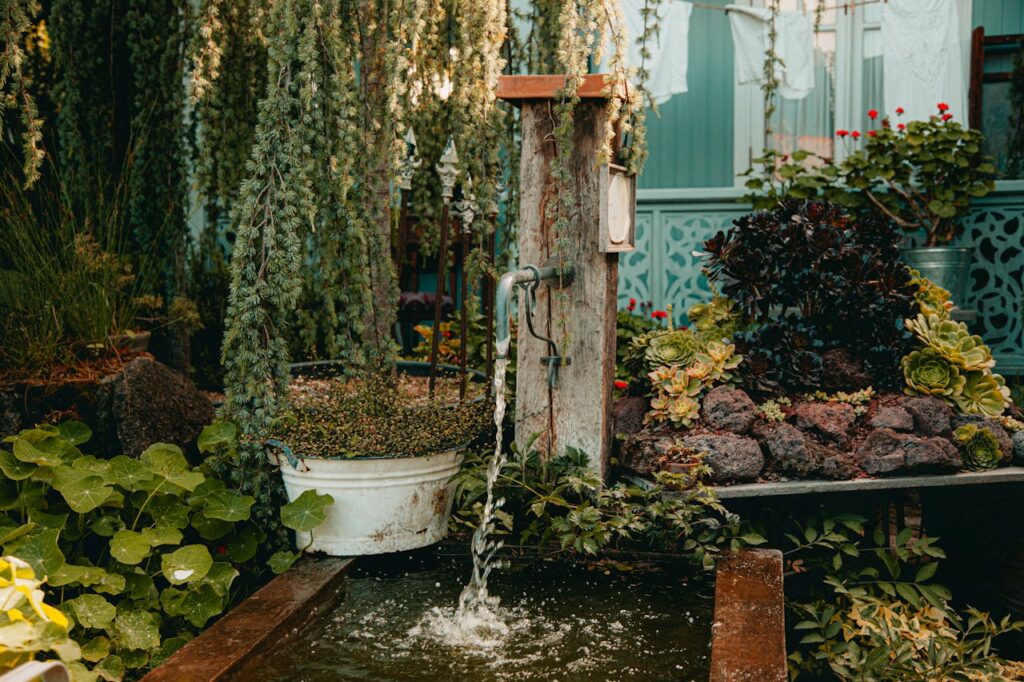
Water isn’t just vital for people and pets; bees need it too, especially to drink and help regulate hive temperatures. Many gardeners forget this, leaving their garden dry and uninviting. A shallow-water station with pebbles or sticks for bees to land on provides a safe place to drink without risking drowning. Water features also help attract more bees by mimicking the natural resources they seek in the wild. Without water, bees may choose to forage elsewhere, leaving your blooms unpollinated.
Neglecting Suitable Nesting and Shelter Areas
Bees don’t just visit gardens for food; they also need safe places to nest and shelter. Many gardeners maintain manicured lawns and tidy landscapes, but these often eliminate natural nesting spots that bees depend on. Instead, consider allowing some bare earth or plant stems to remain undisturbed, and even add structures like simple bee hotels with hollow reeds or drilled wood to encourage solitary bees to settle in. Giving bees a place to build nests means they’re more likely to stay long-term and keep returning to your garden year after year.
Failing to Plan for Continuous Blooms Across Seasons
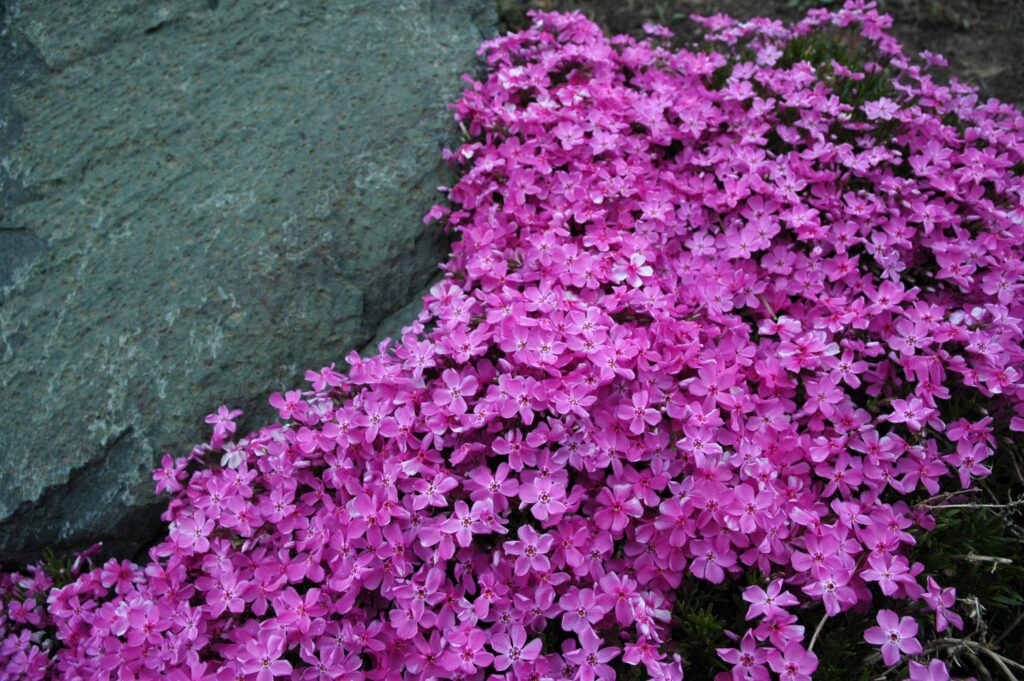
Finally, a common oversight is failing to plan your garden so that flowers bloom throughout different seasons. Bees are active at various times throughout the year, and if there are long gaps with no blooms, they’ll move on in search of food. To prevent this, choose a mix of early spring, summer, and late-season flowers so there’s always something blooming. This creates a reliable food source that keeps bees coming back as seasons change. Replacing spent blossoms with new plants also extends bloom times and maintains a vibrant, bee-friendly landscape.
Conclusion
Making your garden a safe and welcoming place for bees doesn’t require perfection, but it does require intentional choices. Avoiding these five mistakes, choosing the wrong plants, using pesticides, ignoring water needs, eliminating nesting habitats, and failing to ensure blooms year-round will transform your outdoor space into a thriving bee haven. When you garden with bees in mind, you not only support these essential pollinators but also enjoy more beautiful, productive flower beds that benefit your entire local ecosystem.