Growing herbs indoors can be an incredibly rewarding experience, whether you’re a culinary enthusiast or simply someone who loves the idea of fresh greenery within arm’s reach.
If you’ve ever dreamed of picking fresh basil or thyme right off your windowsill, it’s entirely possible with just a bit of effort and the right conditions. Let’s dive into the secrets of growing herbs successfully indoors, ensuring your little garden flourishes year-round!
Choose the Right Herbs for Indoor Growing

Not all herbs are created equal for indoor gardening. Some thrive with minimal attention, while others require more space or light.
Opt for herbs that naturally grow well indoors, such as basil, mint, parsley, chives, thyme, oregano, and rosemary. These herbs tend to do well in smaller spaces and are perfect for windowsills, countertops, or shelves. Choose herbs that match the environment you can provide – for example, mint is an excellent choice for beginners, while rosemary might need a bit more care, especially regarding light.
Pick the Perfect Location
Herbs, like all plants, need the right amount of sunlight to thrive. Most herbs require at least 6 to 8 hours of indirect sunlight a day, so place them in a sunny spot
. A south-facing windowsill is usually ideal, but you can get creative! Even if your space lacks natural light, don’t worry – you can always use grow lights to supplement your herbs’ light needs. Fluorescent or LED grow lights work best for indoor herb gardens. These lights mimic the sun’s spectrum and provide the necessary energy for photosynthesis. Keep your plants near a light source to help them grow strong and healthy.
Use Quality Containers and Drainage

While it may seem simple, the right container can make all the difference. Choose pots with good drainage holes to avoid root rot. Herbs don’t like sitting in waterlogged soil, so drainage is key.
Make sure your containers are large enough to allow for growth but not so large that they hold excess water. A good rule of thumb is to pick containers that are 6 to 8 inches deep for most herbs. You can also use self-watering pots for added convenience.
Choose the Right Soil
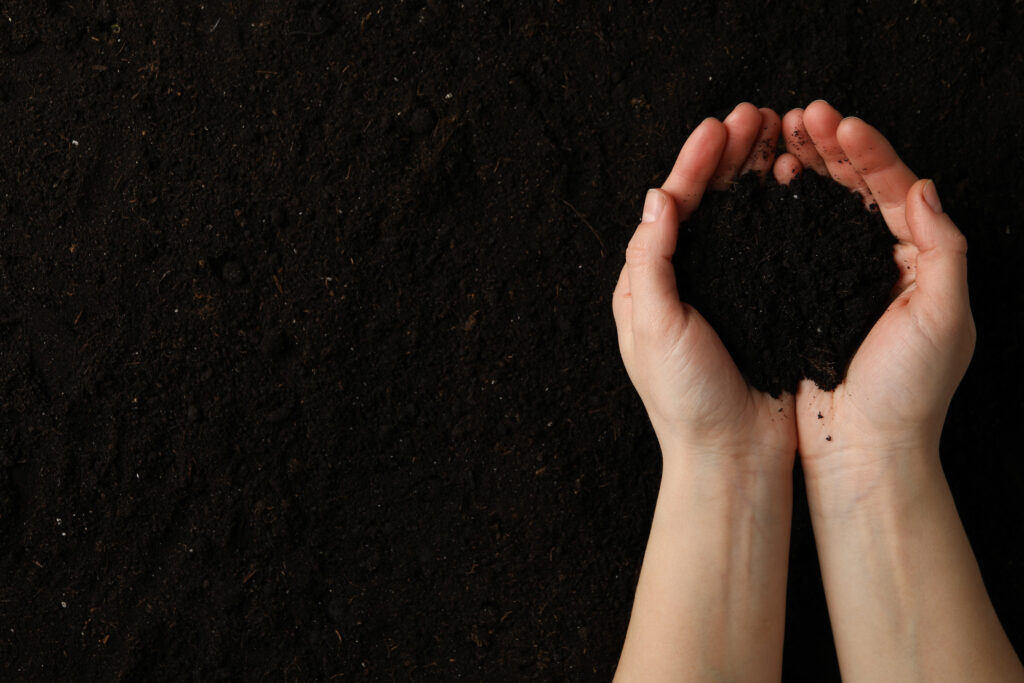
Herbs prefer light, well-draining soil. It’s best to use a mix designed for herbs or vegetables – typically a good-quality potting soil with added perlite or sand for drainage.
Avoid garden soil, as it tends to be too heavy and can suffocate your herbs. Fill your pots with soil, leaving about an inch or two from the top, to allow for watering and healthy root growth.
Water with Care
Watering herbs is an art, not a science. Overwatering is one of the most common mistakes when growing herbs indoors. Most herbs prefer to dry out a bit between waterings, so make sure the soil feels dry to the touch before adding more water.
When you water, give your herbs a deep drink, ensuring that the water reaches the roots. Let the excess water drain away, and never let your herbs sit in standing water.
Maintain the Right Temperature and Humidity
Herbs like temperatures between 60 to 70°F (15-21°C). Avoid placing them in areas with dramatic temperature fluctuations, such as near heating vents or drafty windows.
If you live in a particularly dry climate or heat your home in winter, you may need to increase the humidity around your herbs. Grouping your plants together or using a small humidifier can help maintain the right moisture level in the air. A humidity tray filled with pebbles and water placed under your herbs can also do the trick.
Fertilize Lightly

Indoor herbs can be a bit finicky about fertilizer. Over-fertilizing can lead to leggy, weak plants. Instead, use a balanced, water-soluble fertilizer every 4 to 6 weeks during the growing season (spring through summer). Avoid fertilizing during winter, when plant growth slows.
If you notice your herbs getting too tall or sparse, trimming them back will help encourage fuller, bushier growth
Prune Regularly
Regular pruning is essential for a healthy herb garden. By snipping back stems and removing flowers before they bloom, you encourage your plants to produce more leaves, which are the most flavorful part of the herb.
You can harvest your herbs as needed, but make sure to leave enough foliage for the plant to continue growing. When pruning, always use clean, sharp scissors or pruning shears to avoid damaging your herbs.
Watch for Pests
Even indoor plants can attract pests, so keep an eye out for common herb enemies like aphids, spider mites, or whiteflies. A gentle rinse with water can often remove pests, or you can use organic insecticidal soap. Keeping your indoor herb garden clean and tidy is key to preventing infestations.