A beautiful yard can make a home feel warm, cared for, and welcoming. A messy one can do the opposite before anyone even reaches your front door. The problem is that many homeowners do not notice the small outdoor habits that quietly irritate their neighbors. This article points to five common yard issues neighbors often notice first, including overflowing bins, broken furniture, harsh lighting, poor landscaping, and dog waste.
Overflowing Trash Bins Make Your Home Look Neglected
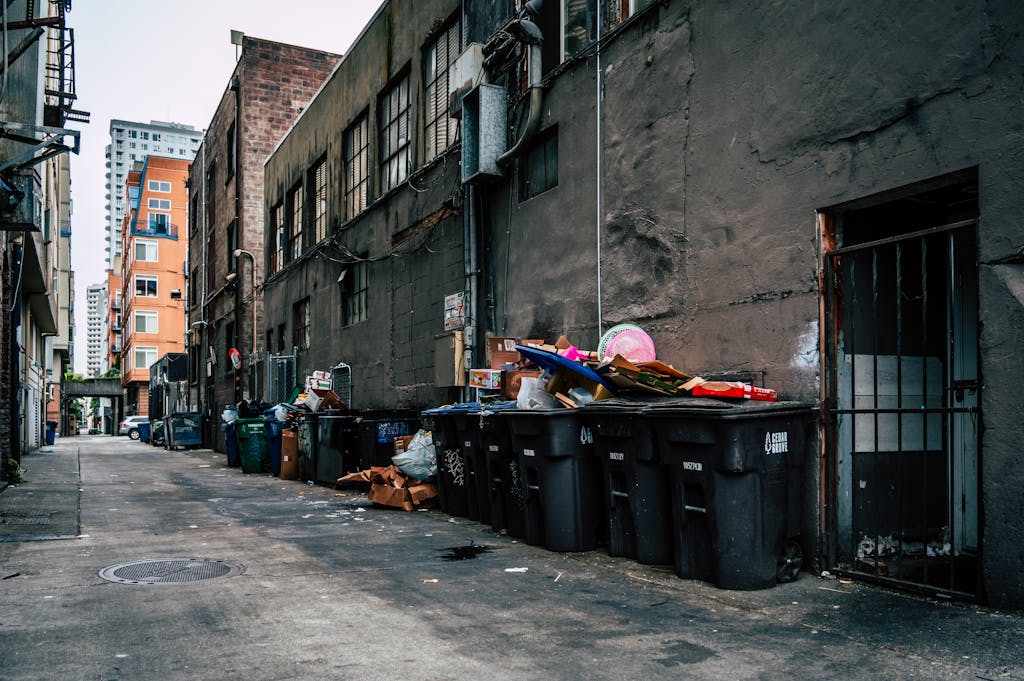
Overflowing trash and recycling bins can turn a normal yard into a neighborhood eyesore very quickly. Bags sticking out of the lid, loose wrappers blowing across the driveway, and cardboard boxes leaning against the bin all create the same message. Your home may be clean inside, but it looks careless outside. During hot weather, the problem gets worse because trash can start to smell, attract flies, and make the area feel dirty.
The simple fix is to treat bins like part of your home’s curb appeal. Break down boxes before collection day, keep lids closed, and avoid leaving loose bags beside the bin for days. If possible, place the bins behind a side gate, a fence panel, a screen, or a small storage shed. Neighbors may not expect perfection, but they do notice when trash becomes a weekly display. Clean bins show respect for your home, your street, and everyone who shares the view.
Broken Outdoor Furniture Turns Your Yard Into a Dumping Ground
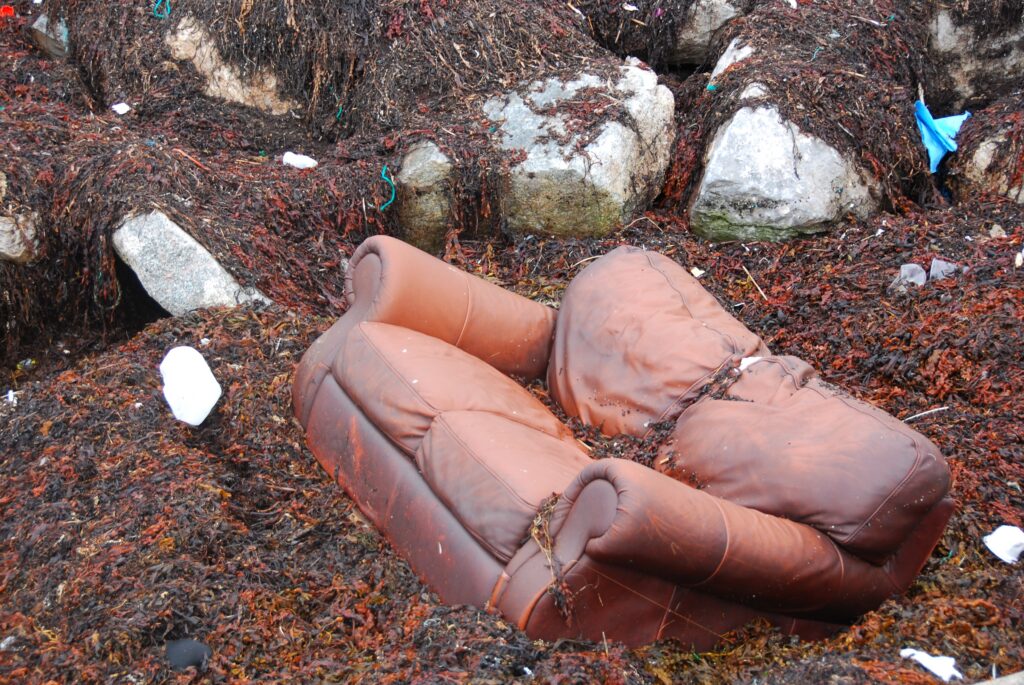
Old chairs, cracked plastic tables, rusted loungers, and abandoned patio pieces can make a yard look like a forgotten storage unit. One broken chair may seem harmless at first, especially when you plan to fix it or throw it away later. The trouble starts when “later” becomes months. Soon, the furniture collects dust, rainwater, leaves, and insects, and your yard starts to look less like a home and more like a junk pile.
A good rule is simple. If you would not invite a guest to sit on it, it should not remain in plain view. Donate usable pieces, repair what is worth saving, and schedule bulk pickup for anything beyond help. Extra folding chairs and party tables should be returned to storage after guests leave. Outdoor furniture should make a yard feel comfortable, not cluttered. When neighbors see broken items sitting outside for too long, they may assume the rest of the property is being ignored, too.
Bright Outdoor Lights Can Make Peaceful Nights Miserable
Outdoor lighting can improve safety, style, and evening comfort, but harsh lighting can quickly become a neighborhood problem. Floodlights pointed toward another home, bright porch bulbs left on all night, and decorative lights glowing into bedroom windows can feel intrusive. You may see the lights as security or ambiance, but your neighbor may experience them as glare, lost privacy, and poor sleep.
Better lighting does not mean darker lighting. It means smarter lighting. Use warm bulbs instead of harsh white ones, aim fixtures downward, and choose motion sensors for security areas. Timers can also help so lights do not stay on long after everyone has gone inside. String lights, garden lights, and wall sconces should create charm, not a stadium effect. A well-lit yard should make your property look inviting without making the house next door feel like it is under a spotlight.
Poor Landscaping Can Quietly Start Property Line Drama
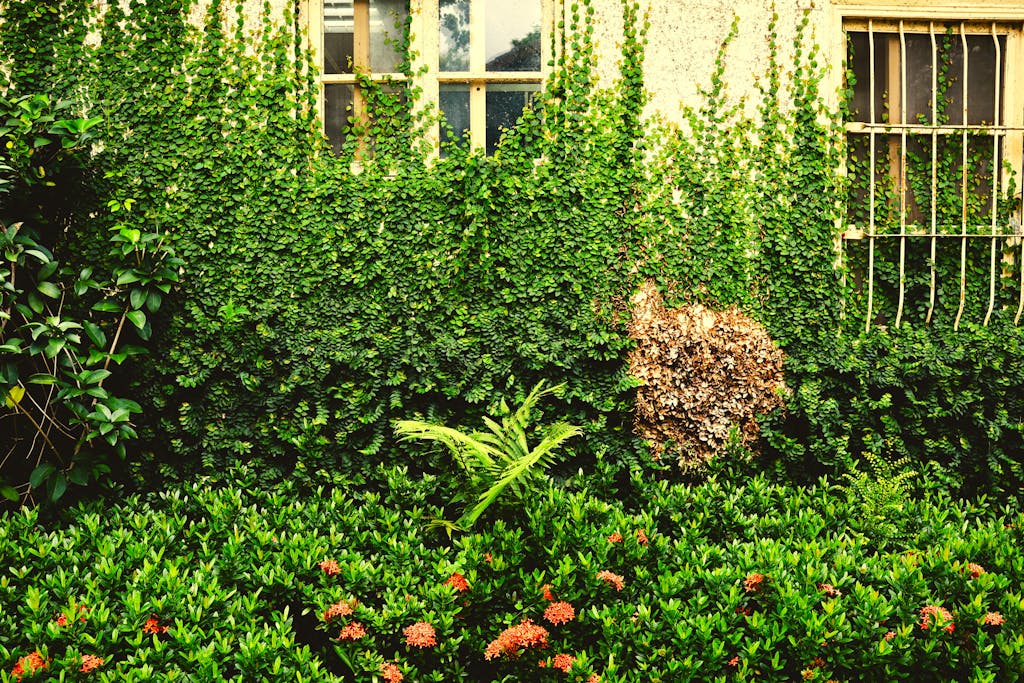
Overgrown hedges, leaning branches, untrimmed trees, and messy lawns may seem like your private problem, but neighbors often feel the impact. Branches can hang over fences, leaves can pile up in someone else’s yard, and weeds can spread beyond your property. Even if the issue is accidental, it can create frustration because your neighbor ends up dealing with a mess they did not create.
Good landscaping is about more than beauty. It is also about boundaries. Trim hedges before they block walkways, cut branches before they scrape roofs or fences, and keep grass at a reasonable height. Remove dead plants, clear leaves, and avoid letting vines creep across shared spaces. A yard does not need to look like a magazine cover, but it should look managed. When your landscaping stays under control, neighbors are less likely to feel that your outdoor neglect has become their weekend chore.
Dog Poop Can Ruin the Yard Faster Than You Think
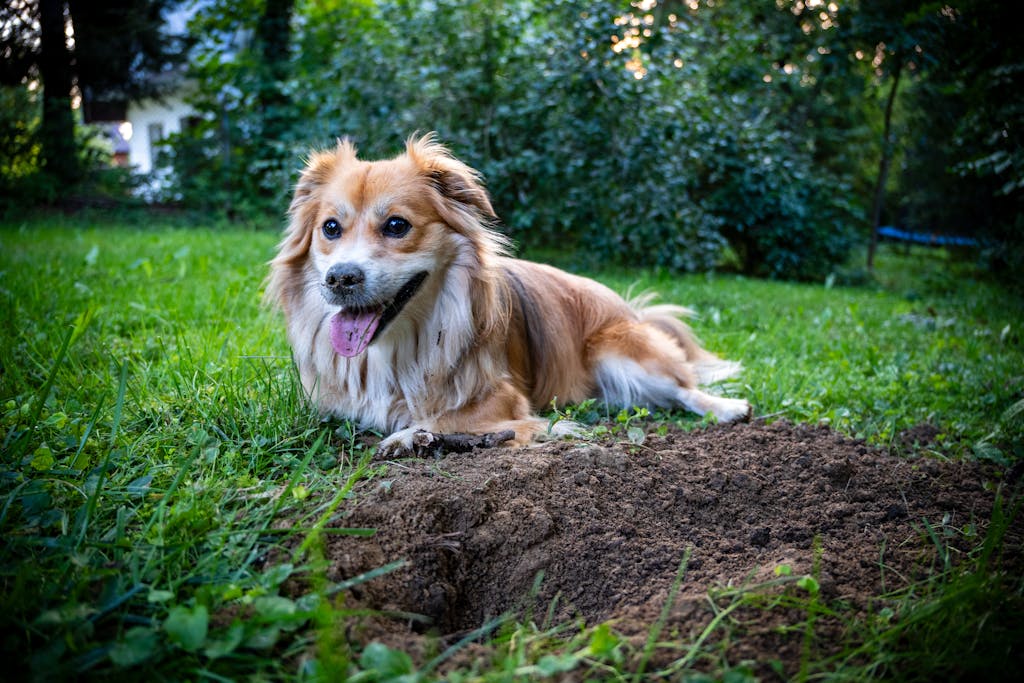
Dog waste is one of those yard problems people often underestimate. Some pet owners assume it does not matter because it is on their own property. Unfortunately, neighbors can still see it, smell it, and deal with the pests it may attract. A yard dotted with dog poop can make the whole area feel unpleasant, especially when homes are close together or the weather is warm.
Cleaning up after a dog should be a regular habit, not an occasional rescue mission. Keep bags near the door, do a quick yard check every day, and use a sealed outdoor container if needed. If children play nearby or neighbors walk close to your lawn, the issue becomes even more noticeable. Responsible pet care does not stop at feeding and walking. It also includes keeping outdoor spaces clean enough that others do not have to suffer the smell, sight, or side effects of your dog’s mess.
Conclusion
Your yard does not need to be perfect to keep the peace. It only needs to show care, awareness, and basic respect for the people living around you. Overflowing bins, broken furniture, harsh lights, messy landscaping, and dog waste may seem small on their own, but together they can make neighbors quietly resentful. The good news is that every one of these problems is easy to fix with a little routine maintenance. A cleaner yard protects your curb appeal, keeps your neighborhood calmer, and makes your home look like a place people are happy to live beside.