Butter looks simple, but it can make or break a dish faster than many home cooks realize. Use it well, and plain vegetables taste richer, scrambled eggs turn creamy, pasta sauce clings beautifully, and baked goods feel softer and more luxurious.
Use it badly, and the damage shows up quickly. The cookies spread too much. Sauces taste greasy. Toasted flavors turn bitter. Even an expensive stick of butter can fall flat when it is stored poorly, heated carelessly, or added at the wrong time.
Here are 8 butter mistakes that quietly steal flavor from your cooking, plus smarter ways to fix them.
Using Cheap Butter When Butter Is the Main Flavor
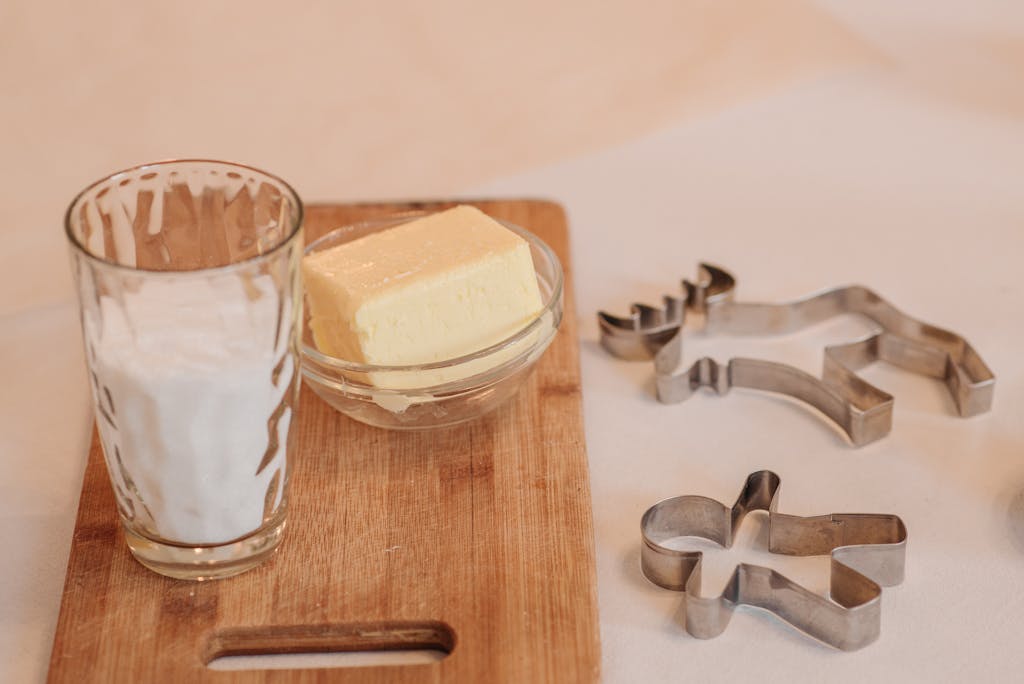
One of the biggest butter mistakes is treating every stick the same. Basic butter works fine in recipes where spices, chocolate, herbs, or sauces carry most of the flavor. But when butter is the star, weak butter makes the whole dish taste dull.
This matters most with toast, pastries, shortbread, pound cake, mashed potatoes, roasted vegetables, and simple pasta dishes. In those meals, butter is not hiding in the background. It is the flavor. A richer, better-textured butter can make the difference between “fine” and “why does this taste so good?”
For everyday cooking, keep regular butter on hand. For dishes where butter needs to shine, use a better-quality butter, especially one with a richer taste and higher fat content.
Melting Butter When the Recipe Needs Soft Butter
Soft butter and melted butter are not the same thing. This mistake ruins many cakes, cookies, frostings, and doughs because melted butter changes the structure of the recipe. Instead of helping trap air, it turns loose and oily.
Soft butter should bend under light pressure but not look shiny or greasy. When butter is too cold, it will not cream properly with sugar. When it is too melted, baked goods can turn dense, flat, or heavy.
The better move is to let butter sit at room temperature until it softens naturally. If you are in a hurry, cut it into small cubes so it warms faster. Do not blast it until half the stick becomes liquid.
Ignoring Brown Butter Because It Sounds Too Fancy
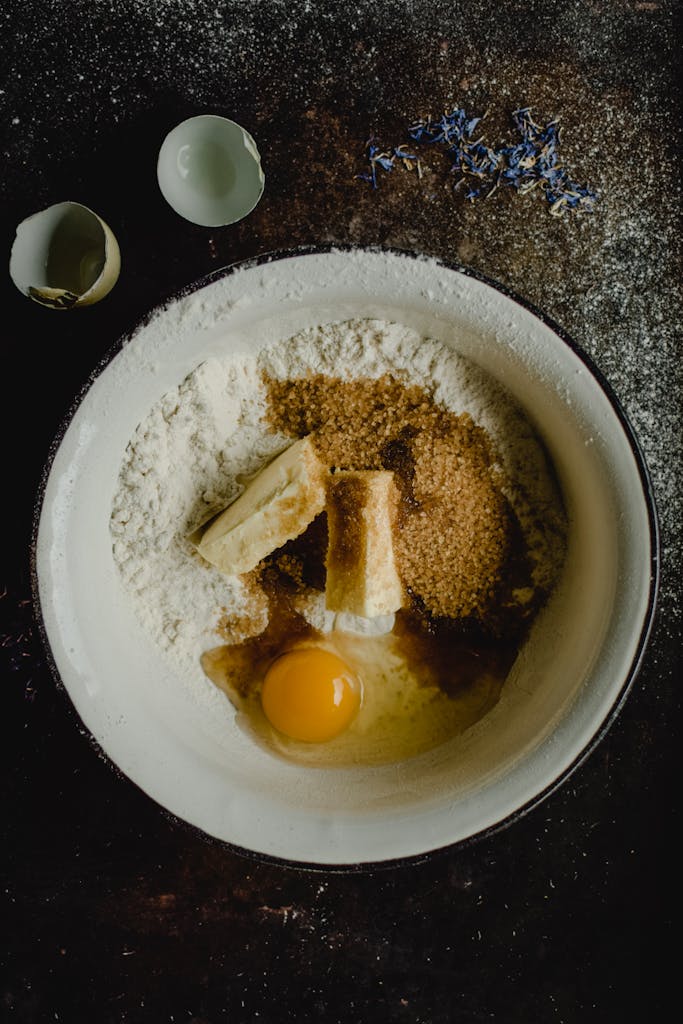
Brown butter sounds like a restaurant trick, but skipping it is a missed opportunity to build deep flavor with a single ingredient. When butter cooks gently, the milk solids toast, creating a nutty, warm, almost caramel-like flavor.
The mistake is either avoiding brown butter completely or walking away while making it. Butter can go from golden to burned quickly. Use a light-colored pan so you can see the color change. Stir as it foams, watch for golden specks, and remove it from the heat once it smells rich and toasty.
Brown butter works beautifully in cookies, cakes, pasta, roasted carrots, green beans, fish, and simple sauces. It is one of the easiest ways to make food taste more expensive without buying anything extra.
Forgetting That Salted Butter Can Save Bland Food
Many cooks automatically reach for unsalted butter because that is what recipes often mention. Unsalted butter is useful when you need full control, especially in careful baking. But using it every time can leave simple foods tasting a little flat.
Salted butter can wake up toast, eggs, corn, potatoes, oatmeal, pasta, and vegetables. It brings flavor faster because it adds richness and seasoning at once. The key is balance. Taste the dish before adding more salt, especially if the recipe already includes salty cheese, broth, bacon, or soy sauce.
Do not treat salted butter like a mistake. Treat it like a flavor tool. Used wisely, it can rescue food that tastes “almost there” but not quite finished.
Keeping Butter Too Long Without Checking the Smell
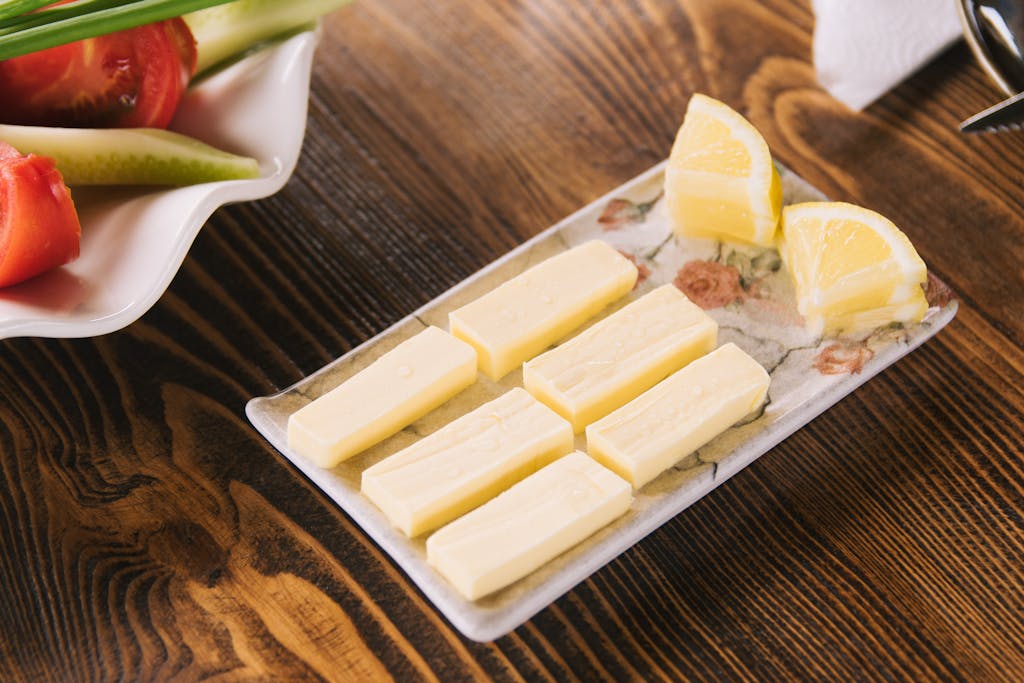
Butter may look fine and still taste wrong. One quiet mistake is leaving it in the fridge, freezer, or butter dish for too long, then wondering why toast or baked goods taste stale.
Butter absorbs odors easily. If it sits near onions, fish, garlic, or uncovered leftovers, the flavor can suffer. It can also turn rancid over time, especially when exposed to air, heat, or light. The warning sign is usually a smell. Fresh butter should smell clean, creamy, and pleasant. Bad butter may smell sour, cheesy, stale, or oddly sharp.
Keep butter wrapped tightly. Store extra sticks in the freezer. Use a covered butter dish on the counter and avoid leaving large amounts out for too many days.
Never Making Compound Butter
Plain butter is good, but compound butter is where everyday cooking starts to feel special. The mistake is thinking it is complicated. It is only softened butter mixed with flavor.
Garlic and parsley butter can lift steak, potatoes, bread, and green beans. Honey and thyme butter can make carrots, biscuits, and scones taste richer. Lemon zest and herbs can brighten fish, chicken, or roasted vegetables. Chili flakes, black pepper, or smoked paprika can add warmth without much effort.
Roll compound butter into a log, chill it, and slice off a piece when needed. It turns boring food into something that feels planned, even when dinner is rushed.
Skipping Whipped Butter for Bread and Breakfast

Cold, hard butter tears bread and sits stubbornly on top of pancakes. That is why ignoring whipped butter is a small mistake with a big payoff.
Whipped butter is softer, lighter, and easier to spread. It feels more generous because air gives it volume. Add a small touch of honey, cinnamon, herbs, or salt, and it becomes the kind of table butter that makes guests ask what you did differently.
Use it on warm rolls, toast, cornbread, pancakes, waffles, muffins, and baked potatoes. The texture alone makes simple food feel fresher and more cared for.
Adding Butter Too Early Instead of Finishing With It
Butter can cook food, but it can also finish food. Many home cooks use it only at the start of a recipe, then miss the glossy, silky effect it gives at the end.
A small pat of cold butter stirred into scrambled eggs just before they finish cooking can make them creamier. Butter tossed with hot pasta and a splash of pasta water can help the sauce cling better. A knob of butter swirled into soup, stew, tomato sauce, or pan sauce can smooth sharp edges and add body.
The trick is restraint. You do not need a lot. Add a little at the end, let it melt gently, and stop before the dish turns greasy.
Conclusion
Butter is not just something we spread on toast or throw into a pan out of habit. It is a flavor builder, texture fixer, sauce smoother, and finishing touch. The problem starts when we use it without thinking.
Better butter choices, smarter softening, careful browning, proper storage, and creative finishing can change the way everyday food tastes. Avoid these butter mistakes, and even simple meals can come out richer, warmer, and far more satisfying.