The heart is our tireless workhorse, pumping blood day in and day out to sustain every organ, muscle, and cell. Yet, the foods we consume can either fuel our strength or accelerate damage over time. Many everyday foods are deceptively harmful, delivering excess saturated fats, sugar, and sodium that silently strain arteries, raise cholesterol, and increase the risk of heart disease. Recognizing these heart-harming culprits empowers us to make smarter dietary choices that preserve long-term cardiovascular health.
Sugary Cereals That Spike Blood Sugar
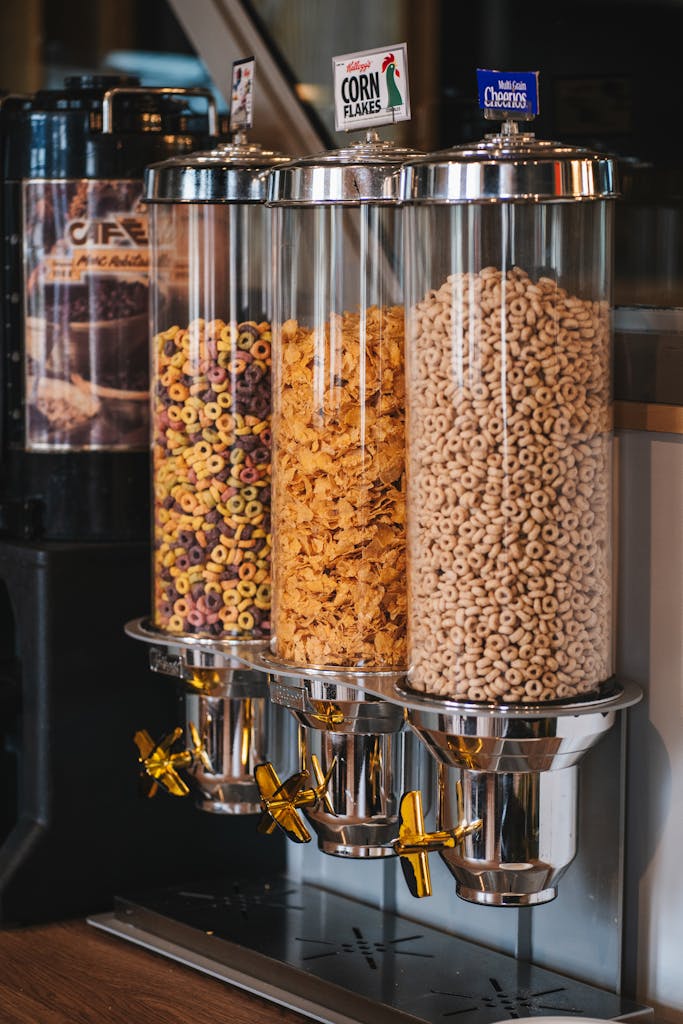
Cereal sweetened with refined sugar may feel like a quick breakfast fix, but it rapidly elevates blood glucose, creating insulin spikes that stress the heart and promote fat storage. Beyond the sugar, many cereals are low in fiber and protein, leaving you hungry soon after and prompting unhealthy snacking.
Better alternative: Opt for whole-grain, high-fiber cereals with no added sugar, paired with protein-rich milk or plant-based alternatives to sustain energy and stabilize blood sugar.
Fried Foods That Clog Arteries

Deep-fried favorites like fried chicken, fries, and mozzarella sticks are high in trans and saturated fats. These fats increase LDL cholesterol, reduce HDL cholesterol, and accelerate plaque formation in arteries. Over time, they significantly elevate the risk of heart attacks and stroke.
Better alternative: Oven-baked or air-fried versions of these foods, lightly seasoned with herbs, preserve flavor without compromising arterial health.
Baked Goods Loaded with Trans Fats
Pastries, muffins, and commercially baked desserts are often loaded with trans fats, refined flours, and sugar. These ingredients contribute to chronic inflammation, poor cholesterol profiles, and increased cardiovascular risk.
Better alternative: Homemade baked goods using whole-grain flours, natural sweeteners like dates or maple syrup, and heart-healthy oils such as avocado or olive oil provide indulgence without the damage.
Fast-Food Burgers That Strain the Heart
High-calorie fast-food burgers are often stacked with processed meat, cheese, and sugary sauces. The combination of saturated fat, sodium, and refined carbohydrates contributes to obesity, hypertension, and increased cardiovascular risk.
Better alternative: Replace with lean protein patties, such as grilled salmon or plant-based bean burgers, which provide healthy fats, fiber, and protein without excessive sodium or saturated fat.
Processed Meats and Cured Lunch Meats

Bacon, hot dogs, and deli meats contain preservatives like sodium nitrate and are high in salt. Studies link regular consumption to elevated risk of heart disease and colorectal cancer. Even “lower-fat” options still pose cardiovascular risks due to additives and sodium content.
Better alternative: Lean, unprocessed meats, poultry, or plant-based protein options provide essential nutrients without harmful additives.
Soda and Sugary Beverages
Sugary drinks, including soda and sweetened juices, spike blood sugar and contribute to insulin resistance, obesity, and type 2 diabetes. Diet versions may reduce calories but can disrupt metabolic function and maintain sugar cravings.
Better alternative: Water, sparkling water infused with fruit, and unsweetened herbal teas hydrate and satisfy without stressing blood sugar or the heart.
Pizza That Overloads Sodium and Fat

Greasy, cheese-heavy pizzas contain high levels of saturated fat and sodium, both of which are linked to hypertension and arterial plaque buildup. Frequent consumption increases cardiovascular strain and promotes inflammation.
Better alternative: Choose vegetable-topped pizzas with whole-grain crusts, minimal cheese, and lean protein for flavor that supports heart health.
Margarine and Trans Fats
Many margarine spreads contain trans fats, which raise LDL cholesterol and lower HDL cholesterol. Chronic intake accelerates atherosclerosis and increases the risk of heart disease.
Better alternative: Use small amounts of heart-healthy fats, such as olive oil, avocado oil, or nut butters, which support vascular health.
Ice Cream and High-Fat Desserts

Ice cream is calorie-dense and rich in saturated fat and added sugar. Consuming it regularly contributes to elevated cholesterol, weight gain, and cardiovascular stress.
Better alternative: Frozen yogurt or homemade fruit-based sorbets provide sweetness with reduced saturated fat and sugar.
Alcohol in Excess
While moderate consumption may have minimal effects, excessive alcohol intake damages the heart muscle, raises blood pressure, and increases stroke risk. Calories from alcohol also contribute to weight gain and metabolic strain.
Better alternative: Mocktails, sparkling water with fresh fruit, or non-alcoholic wine or beer provide flavor without cardiovascular harm.
Cream-Based Soups and Sauces
Rich, creamy soups are typically high in saturated fat, sodium, and cholesterol. Regular consumption elevates blood pressure and increases LDL cholesterol, adding strain to the cardiovascular system.
Better alternative: Vegetable-based soups with olive oil or plant milk retain flavor while supporting heart health.
Butter and Whole-Milk Products
Butter, whole milk, and full-fat dairy cheeses are high in saturated fats, which can elevate LDL cholesterol and promote plaque buildup.
Better alternatives: Low-fat or skim milk and moderate consumption of naturally lower-fat cheeses like feta or ricotta reduce cardiovascular risk.
Potato Chips and Salty Snacks
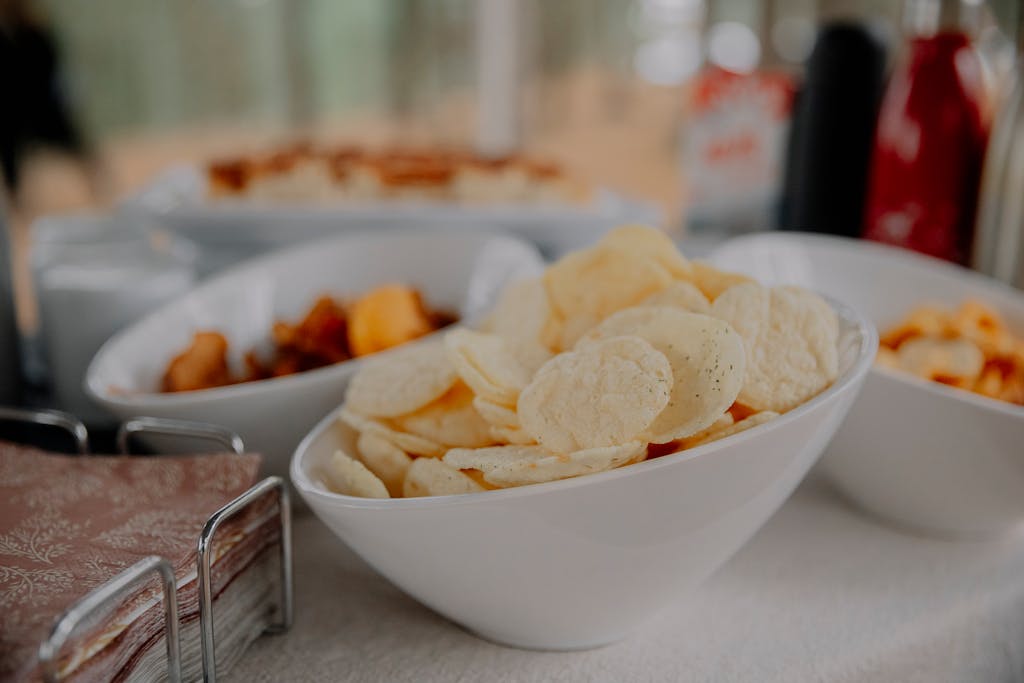
Fried and packaged potato chips are often loaded with sodium and trans fats. High sodium increases blood pressure and strains the heart over time.
Better alternatives: Roasted chickpeas, nuts, or homemade kale chips provide crunch, fiber, and nutrients while keeping sodium in check.
Refined Grains: White Bread, Pasta, and Rice
Refined grains lack fiber and nutrients, causing rapid blood sugar spikes and contributing to insulin resistance, weight gain, and cardiovascular strain.
Better alternative: Whole-grain breads, brown rice, quinoa, or buckwheat deliver fiber, stabilize blood sugar, and support heart health.
Canned Soups and Pickles
Convenience often comes at a cost. Many canned soups and pickled products contain extremely high sodium, promoting hypertension and increasing arterial strain.
Better alternatives: Homemade soups and pickled vegetables prepared with minimal salt provide flavor and help control sodium intake.
Conclusion
By avoiding these heart-harming foods and integrating nutrient-rich alternatives, we can reduce cardiovascular risk, improve metabolic health, and support long-term well-being. Strategic dietary choices, combined with regular physical activity, adequate hydration, and stress management, help the heart perform optimally, ensuring longevity, energy, and a robust quality of life.