The refrigerator feels like the safest place in the kitchen, so we often treat it like a rescue room for everything we buy. That habit makes sense for milk, meat, eggs, cut fruit, leftovers, and many fresh vegetables, but it can quietly ruin foods that were built for the pantry, the counter, or a cool dark cupboard. The real trick is knowing which foods need cold storage for safety and which ones simply lose their flavor, texture, aroma, or ripening power when chilled.
A better storage routine saves money, reduces waste, and keeps everyday ingredients tasting the way they should. Some foods on this list should stay out of the refrigerator completely, while others should only go in after they ripen, after they are cut, or after the package is opened. We get the best results when we stop asking, “Can this fit in the fridge?” and start asking, “What conditions does this food actually need?”
Tomatoes Lose Their Bright Flavor in the Fridge
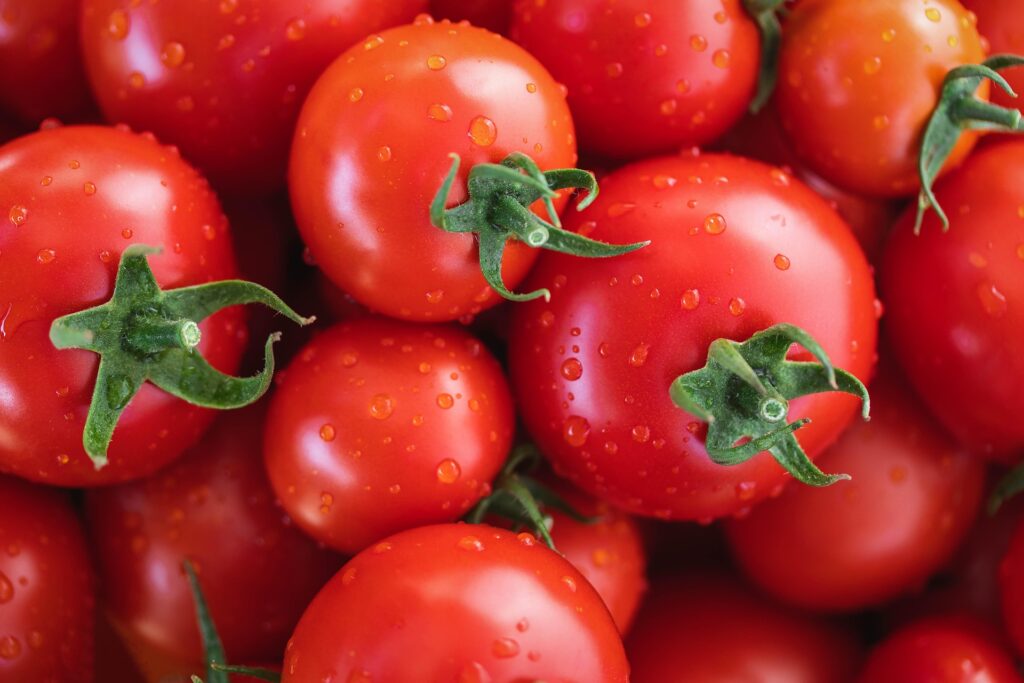
Fresh tomatoes are one of the easiest foods to ruin with cold storage. The refrigerator slows down ripening, dulls the aroma, and can leave the flesh tasting flat or mealy instead of juicy and sweet. This matters most when tomatoes are meant for salads, sandwiches, bruschetta, salsa, or any dish where their fresh flavor has to carry the bite.
Store whole tomatoes at room temperature, away from direct sunlight, and use them when they feel fragrant and slightly tender. If they are already very ripe and you need to buy a little time, a short stay in the refrigerator can help slow softening, but it should not become the default. Fresh tomato guidance from UC Master Food Preserver notes that refrigeration is usually not recommended because it can cause flavor loss, though just ripe tomatoes may be held briefly in cold storage for less than three days with minimal flavor damage.
Potatoes Turn Sweet and Gritty When They Get Too Cold
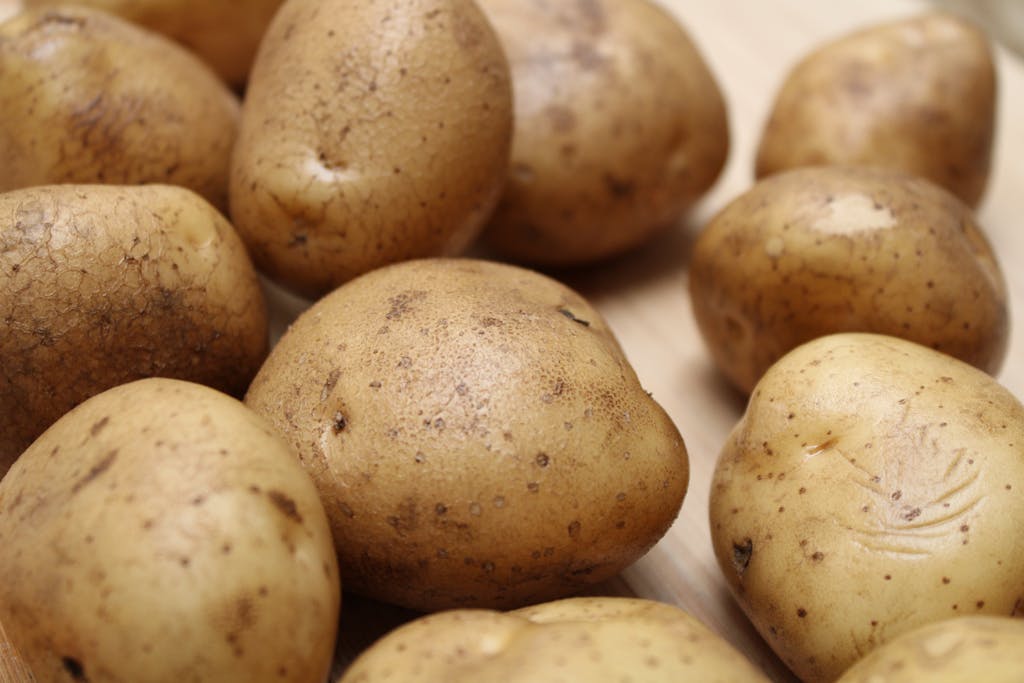
Potatoes need a cool, dark, ventilated place, not a refrigerator shelf. Cold temperatures can change how the starch behaves, which affects flavor, color, and texture when the potatoes are cooked. That is why fridge-stored potatoes can brown too quickly in the pan, taste oddly sweet, or cook up with a less appealing texture.
The best place for whole potatoes is a paper bag, basket, crate, or breathable container in a dark pantry, cupboard, basement, or cellar. Keep them away from direct light, moisture, and heat, and do not store them beside onions because both foods can age faster when crowded together. Clemson’s pantry storage guidance lists potatoes as a cool, dry pantry food and gives them a longer storage window at 45 to 50°F than at ordinary room temperature.
Whole Onions Need Airflow, Not Refrigerator Humidity
Whole onions are built for dry storage. When they sit in the refrigerator, moisture can soften their layers, encourage mold, and spread a strong onion odor into nearby foods. A cold, damp refrigerator drawer is especially bad when onions are sealed in plastic with no air movement.
Keep whole onions in a mesh bag, basket, paper sack, or open bin in a dark, dry, well-ventilated space. Once an onion is cut, the rule changes because cut onions should be wrapped or sealed and refrigerated. Clemson’s food selection guidance lists white, yellow, and red onions as pantry foods with a storage time of several weeks, which makes the cupboard a better home for whole onions than the fridge.
Garlic Keeps Its Bite Better in a Cool Pantry
Garlic does not need a refrigerator when it is whole and unpeeled. Cold, humid storage can push it toward sprouting, softening, or molding, especially when bulbs are already broken apart. Once garlic starts sprouting, the cloves are still usable if they smell fine, but the flavor can become sharper and less clean.
Store garlic bulbs in a dry, dark place with plenty of airflow. A small basket, ceramic garlic keeper, mesh bag, or open bowl works better than an airtight container. Clemson’s food storage chart places garlic in the cool, dry pantry category, with a storage range from a few weeks to a few months depending on quality and conditions.
Unripe Avocados Need the Counter Before the Fridge
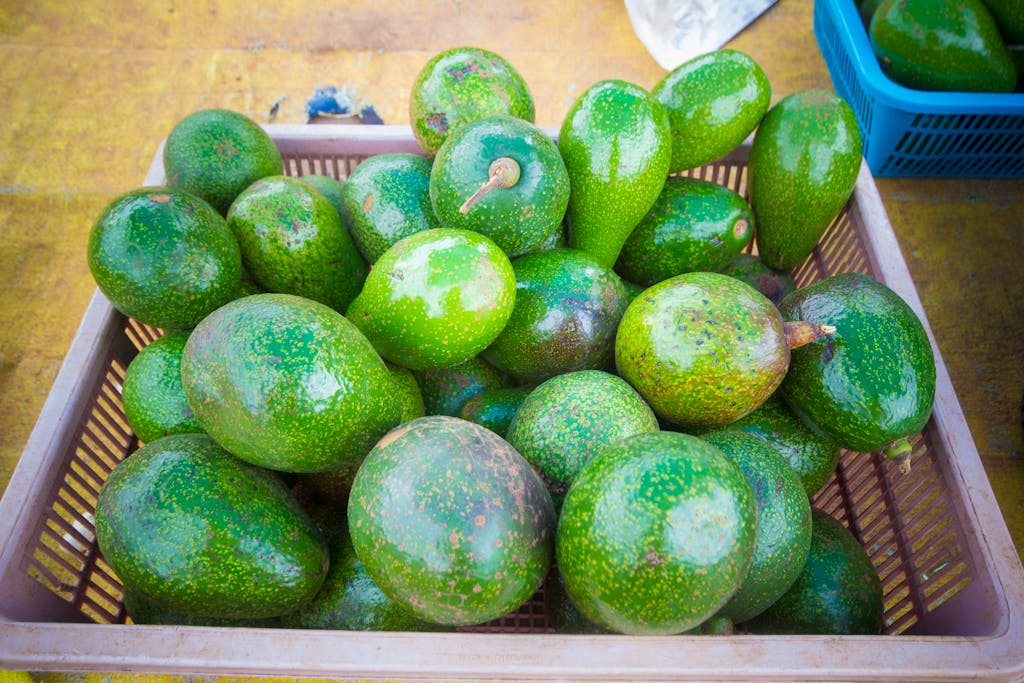
An unripe avocado should not go straight into the refrigerator. Cold storage slows the ripening process, so the fruit can stay stubbornly hard, bland, and disappointing for longer than expected. We want avocados to ripen at room temperature first, then move them to the refrigerator only after they are ready, and we need to slow them down.
A ripe avocado should yield gently under light pressure near the stem end. Once ripe, it can go into the refrigerator for a short period, but it should never be stored submerged in water. FDA sampling found Listeria monocytogenes on avocado skins and Salmonella on some avocado skin samples, and food safety guidance stresses washing firm produce before cutting, so germs on the outside do not transfer into the flesh.
Bananas Ripen Better Outside the Refrigerator

Bananas are a tropical fruit, and they behave like it. Put green bananas in the refrigerator, and the cold slows the ripening process, darkens the peel, and can leave the inside less flavorful than fruit ripened naturally on the counter. The peel may turn brown or black even when the fruit inside is still usable, which makes the bunch look worse than it tastes.
Keep bananas at room temperature until they ripen to the sweetness you want. After that, refrigeration can help slow further ripening for a few days, but the peel will still darken. Virginia Cooperative Extension’s food storage guidance notes that avocados and bananas should ripen at room temperature and that unripe bananas darken quickly when refrigerated.
Whole Melons Belong on the Counter Until Cut
Whole melons, including watermelon, cantaloupe, and honeydew, can sit at room temperature until they are ripe and ready to slice. The refrigerator can take up valuable space and may dull the eating experience before the melon has reached its best flavor. A whole melon also has its natural rind protecting the edible flesh, so it does not need to be treated the same way as cut fruit.
The safety rule changes immediately after slicing. Cut melon should be refrigerated because the protective rind has been opened, and the moist flesh is exposed. Oregon State University Extension’s storage guidance states that refrigerator or freezer storage is necessary for cut fruits and vegetables, which makes whole melon a counter food and cut melon a fridge food.
Cucumbers Can Suffer in the Coldest Part of the Fridge
Cucumbers are tricky because they are sensitive to cold, yet they also lose moisture when left out too long. The worst place for them is usually the coldest back corner of the refrigerator, where chilling injury can lead to water-soaked spots, shriveling, yellowing, and soft patches. This is why cucumbers sometimes look fine at the store and then collapse after a few days at home.
For quick use, store cucumbers at cool room temperature and eat them within a couple of days. For longer storage, wrap them loosely, keep them dry, and place them in a less icy part of the fridge, such as the crisper, rather than against the cold back wall. The University of Tennessee produces storage guidance notes that cucumbers are among the vegetables susceptible to chilling injury.
Bread Goes Stale Faster in the Refrigerator
Bread is one of the clearest examples of a food that feels safer in the fridge but tastes worse because of it. Refrigeration may slow mold, but it speeds staling, which makes bread dry, tough, and dull. That is why a loaf can feel old after one night in the refrigerator, even when it is still technically edible.
Store bread at room temperature if you plan to eat it soon. For longer storage, slice it, wrap it well, and freeze it instead of refrigerating it. Oregon State University Extension notes that refrigeration can retard mold growth but speeds staling, making the freezer a smarter option for bread we cannot finish quickly.OSU Extension Service
Chocolate Blooms When Cold Moisture Gets Involved
Chocolate does not like moisture, odor, or sudden temperature swings. In the refrigerator, it can absorb smells from nearby foods and develop a pale, dusty-looking surface called bloom. Bloom does not usually make chocolate unsafe, but it changes the texture and makes a glossy bar look tired.
Store chocolate in a cool, dry, dark cupboard, tightly wrapped and away from spices, onions, coffee, or anything with a strong aroma. If your kitchen is very hot and refrigeration becomes necessary, seal the chocolate in an airtight container and let it come back to room temperature before unwrapping it. Oregon State University’s cupboard storage chart places semisweet and unsweetened chocolate in cool storage, with quality windows that do not require ordinary refrigeration.
Coffee Loses Aroma When Stored in the Fridge
Coffee is full of volatile aroma compounds, and the refrigerator is one of the worst places to protect them. Fridge storage exposes coffee to moisture, odor, and temperature changes every time the container is opened. The result can be stale, muted coffee that smells less like roasted beans and more like everything else in the fridge.
Keep coffee beans or grounds in an airtight container in a cool, dark cupboard. Buy amounts you can use within a reasonable time, and avoid clear jars on sunny countertops. If long-term storage is needed, freezing in a truly airtight package can work better than daily refrigerator storage, but coffee should not move in and out of cold storage repeatedly.
Peanut Butter Usually Belongs in the Pantry
Commercial peanut butter is made for pantry storage before opening, and usually keeps its spreadable texture better outside the refrigerator. In the fridge, it can become stiff, dry, and annoying to use, especially when we need a quick sandwich, sauce, smoothie, or spoonful for baking. A tightly closed jar in a cool cupboard is usually enough for regular peanut butter.
Natural peanut butter is the exception that many people miss. If the label says to refrigerate after opening, follow the label because products with fewer stabilizers may separate faster or have different storage needs. Oregon State University Extension notes that unopened peanut butter does not need refrigeration, while opened peanut butter keeps longer if refrigerated, but should be used at room temperature for best spreadability.
Molasses and Honey Pour Better From the Pantry
Thick sweeteners like molasses and honey become harder to use when chilled. Refrigeration can make them sluggish, dense, and difficult to measure, which turns a simple spoonful into a sticky wrestling match. These products are better stored tightly covered in a cool, dry cupboard where they stay pourable and protected from moisture.
The key is keeping the lid clean and tightly sealed. Do not dip wet spoons into the jar, and wipe sticky rims before closing. Oregon State University Extension lists molasses in the cupboard storage section and notes that it should be kept tightly covered, with refrigeration mainly serving as a way to extend storage life rather than a daily requirement.
Fresh Basil Turns Dark When Stored Too Cold
Fresh basil is a warm-weather herb, and the refrigerator often treats it badly. Cold storage can blacken the leaves, weaken the aroma, and make the bunch wilt faster than expected. This is especially frustrating because basil is usually bought for its perfume, not just its color.
Treat basil like a small bouquet. Trim the stems, place them in a glass with a little water, cover loosely with a bag if needed, and keep the bunch at cool room temperature away from direct sunlight. Purdue Extension recommends storing basil at 50 to 65°F and placing stemmed basil upright in water in a cool location, which is warmer than most household refrigerators.
The Refrigerator Rule That Prevents Food Waste and Food Safety Mistakes
The best kitchen storage rule is simple. Whole, uncut, low-moisture, or ripening foods often do better outside the refrigerator, but cut, peeled, cooked, dairy-based, meat-based, and high-risk foods need cold storage. That distinction matters because flavor problems and safety problems are not the same thing.
We should keep the refrigerator at 40°F or below, store cut produce promptly, and avoid letting sliced fruit or vegetables sit out for long periods. Pantry foods need their own discipline, too. They should stay dry, clean, sealed, and away from pests, heat, direct sunlight, and excess humidity.