Gardening becomes easier when we stop treating every problem like it needs an expensive product. Many of the best garden hacks come from simple household items, smart reuse, and a better understanding of how plants, soil, water, and pests behave. A cleaner tool, a slower watering method, a better seed-starting setup, or a natural weed-control trick can save time and money across the whole growing season.
The most effective garden hacks do not replace good gardening habits, but they make those habits easier to maintain. We still need healthy soil, proper watering, enough sunlight, and regular observation, yet small shortcuts can reduce waste and help us solve daily garden problems before they become bigger. These practical ideas are useful for vegetable gardens, flower beds, container gardens, raised beds, and small backyard growing spaces.
Clean Garden Tools With a Sand and Oil Bucket
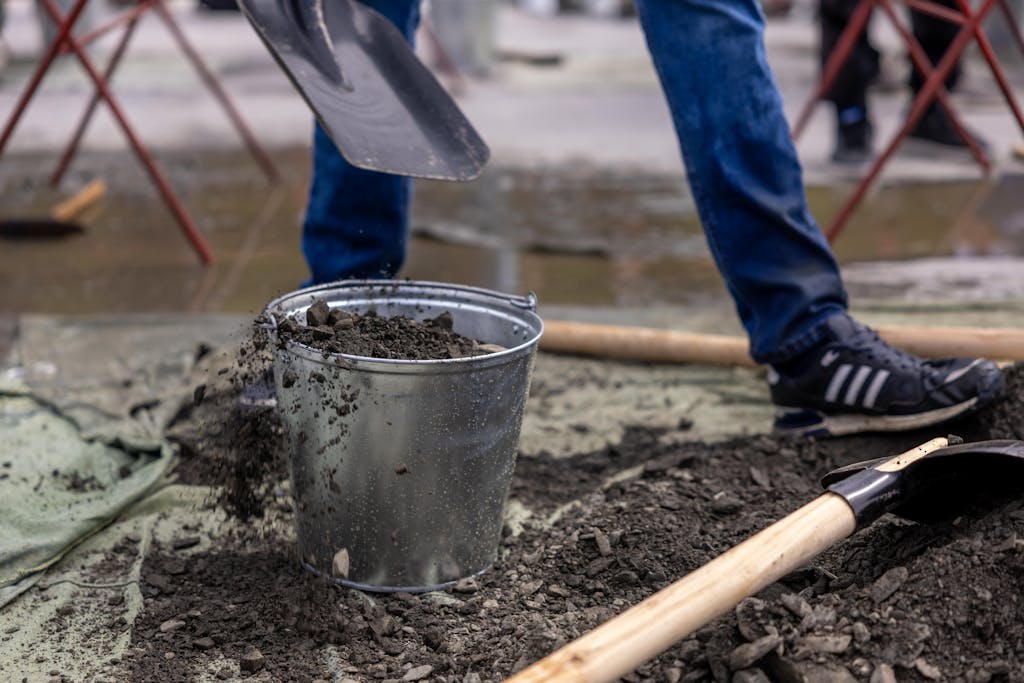
A sand and oil bucket is one of the simplest ways to keep garden tools clean, dry, and ready for the next job. We only need a sturdy bucket, clean, dry sand, and a small amount of oil to create a low-cost tool-care station near the shed, porch, or garden bench. After using a trowel, pruner, weeder, or hand fork, we push the metal part into the sand several times so the grit rubs away loose dirt and moisture.
This hack matters because dirty tools spread soil-borne problems from one bed to another, and wet metal rusts faster when it sits unattended. The light oil coating helps protect blades and metal surfaces, especially during damp weather or after working in heavy soil. For sharper, longer-lasting tools, we should still wipe off thick mud first and sharpen cutting tools when needed, but this bucket makes daily maintenance much easier.
Turn Empty Milk Jugs Into Gentle Watering Cans
An empty milk jug can become a reliable watering can for seedlings, herbs, patio pots, and young transplants. After rinsing the jug well, we make small holes in the cap with a heated needle, small nail, or drill bit, then fill the jug with water and screw the cap back on. The result is a controlled shower that waters gently instead of blasting delicate plants with a harsh stream.
This works especially well when we need several watering cans in different areas of the garden. We can keep one jug near the greenhouse, another near the porch herbs, and another beside the raised beds. For extra organization, we can label each jug for plain water, compost tea, diluted liquid feed, or rainwater so we do not confuse mixtures. It is a smart reuse idea that keeps plastic out of the trash and makes daily watering less frustrating.
Make a Slow-Release Watering Bottle for Containers
A plastic or glass bottle can work as a simple, slow-release watering system for thirsty plants. We fill the bottle with water, make a very small hole in the cap, turn it upside down, and push the neck several inches into the soil beside the plant. As the soil dries, water slowly seeps out and helps keep the root zone moist for a longer period.
This garden hack is useful for container gardens, hanging baskets, patio tomatoes, peppers, and plants that dry out quickly in hot weather. It does not replace deep watering, and it works best when the potting mix is already slightly moist before the bottle is inserted. For larger plants, we can use bigger bottles, and for smaller pots, a narrow bottle may be better. The goal is steady moisture, not soggy soil, so the hole should stay small and the bottle should drain gradually.
Use Toilet Paper Tubes to Plant Seeds in Straight Rows
Tiny seeds can be hard to place evenly, especially when we plant carrots, lettuce, radishes, onions, or herbs. A toilet paper tube works like a simple seed funnel, helping us drop seeds exactly where we want them without bending too close to the soil. We make a shallow row, hold the tube above the planting line, and drop seeds through the opening one at a time.
This trick gives us better control, cleaner spacing, and fewer wasted seeds. It also helps reduce overcrowding, which means less thinning later and stronger seedlings with better airflow. For deeper planting holes, we can press the tube into loose soil to mark a neat spot before dropping in larger seeds like beans or peas. It is a small hack, but it makes sowing feel calmer and more accurate.
Start Seeds in Biodegradable Tubes and Egg Cartons
Seed starting does not require expensive plastic trays every season. Toilet paper tubes, paper towel tubes, and paper egg cartons can become biodegradable seed pots that hold seedlings until they are ready for transplanting. We cut paper tubes into short sections, place them upright in a tray, fill them with seed-starting mix, and plant seeds at the right depth.
The biggest benefit is gentler transplanting. When seedlings are ready, we can plant the whole paper pot into the garden as long as the material is soft, damp, and able to break down in the soil. This reduces root disturbance, which is especially helpful for plants that dislike being moved. We should avoid glossy cartons, heavily dyed paper, or containers that dry out too quickly, and we should keep the tray evenly moist so seedlings do not struggle.
Build Better Soil With a Small Compost Pile
Compost is one of the most powerful garden hacks because it improves soil from the inside. We can turn fruit peels, vegetable scraps, coffee grounds, dry leaves, grass clippings, cardboard, and shredded paper into rich organic matter that feeds soil life and improves plant growth. A compost pile does not need to be fancy, but it does need a balance of green materials and brown materials to break down well.
Green materials add moisture and nitrogen, while brown materials add carbon and help prevent bad smells. When we mix the pile occasionally and keep it about as damp as a wrung-out sponge, the materials break down into dark, crumbly compost. Finished compost can be added to raised beds, flower borders, vegetable rows, and containers to improve texture, water retention, and nutrient availability. It is one of the best long-term ways to spend less on bagged soil amendments.
Use Coffee Grounds Carefully for Soil Health
Used coffee grounds can help the garden when we use them lightly and wisely. They contain small amounts of nutrients and organic matter, and they can improve compost when mixed with leaves, paper, and other brown materials. The best approach is to let the grounds dry slightly or add them to compost first, then use them in thin layers rather than dumping thick piles around plants.
Too much coffee ground material can clump, repel water, and create an unpleasant layer on top of the soil. A small sprinkle around established plants or a modest amount mixed into compost is safer than heavy direct feeding. Plants such as blueberries, roses, hydrangeas, and tomatoes may benefit from better organic matter in the soil, but coffee grounds should never be treated as a complete fertilizer. They work best as one small part of a larger soil-care routine.
Feed Flowering Plants With a Banana Peel Fertilizer
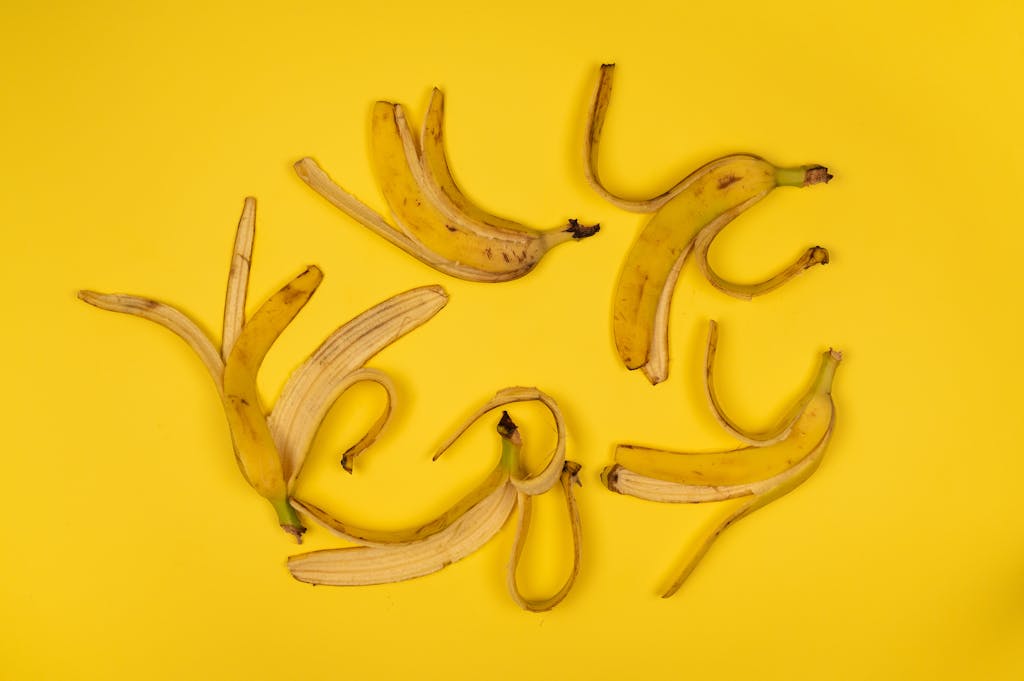
Banana peels are a useful garden material because they contain potassium and other minerals that support plant health. Instead of throwing them away, we can chop the peels and bury them near heavy-feeding plants, add them to compost, or blend them with water to make a mild homemade plant feed. The blended version can be poured around the soil, not directly onto leaves, so nutrients begin breaking down near the roots.
This hack is especially useful for flowering plants, fruiting vegetables, and container plants that need regular care during the growing season. It should still be used as a supplement, not a complete fertilizer, because plants also need nitrogen, phosphorus, calcium, magnesium, and trace minerals. For a cleaner method, we can dry banana peels, grind them into small pieces, and mix them into compost or potting soil. This gives the garden extra organic material without creating a wet mess.
Use Vinegar Weed Spray Only Where It Belongs
Vinegar spray can burn down small weeds on sunny days, especially in cracks, gravel paths, driveway edges, and between pavers. A simple mixture of white vinegar, a small amount of dish soap, and careful direct spraying can dry out young weed leaves quickly. The soap helps the liquid cling to the leaves, which makes the spray more effective on unwanted growth.
This hack needs caution because vinegar is non-selective, meaning it can damage vegetables, flowers, grass, and herbs, too. Salt should be avoided in garden beds because it can build up in soil and harm future plant growth. We should use vinegar spray only on hard surfaces, path edges, and places where we do not want plants growing. For garden beds, hand-pulling, mulch, cardboard barriers, and regular cultivation are safer long-term weed-control methods.
Protect Seedlings With Plastic Fork Barriers
Plastic forks can create a simple physical barrier around seedlings that are being disturbed by cats, squirrels, rabbits, birds, or other small animals. We push the handles into the soil with the tines pointing upward around vulnerable plants, leaving enough room for leaves to grow. The fork tines make digging and stepping into the bed uncomfortable without seriously harming animals.
This works best for newly planted beds, soft soil, and small transplants that have not yet developed strong stems or deep roots. Once plants are established, we can remove the forks and store them for later use. The key is spacing them closely enough to discourage digging but not so tightly that they block sunlight or make watering difficult. It is not the prettiest garden hack, but it can save a bed of seedlings from being destroyed overnight.
Scatter Crushed Eggshells for Soil Support
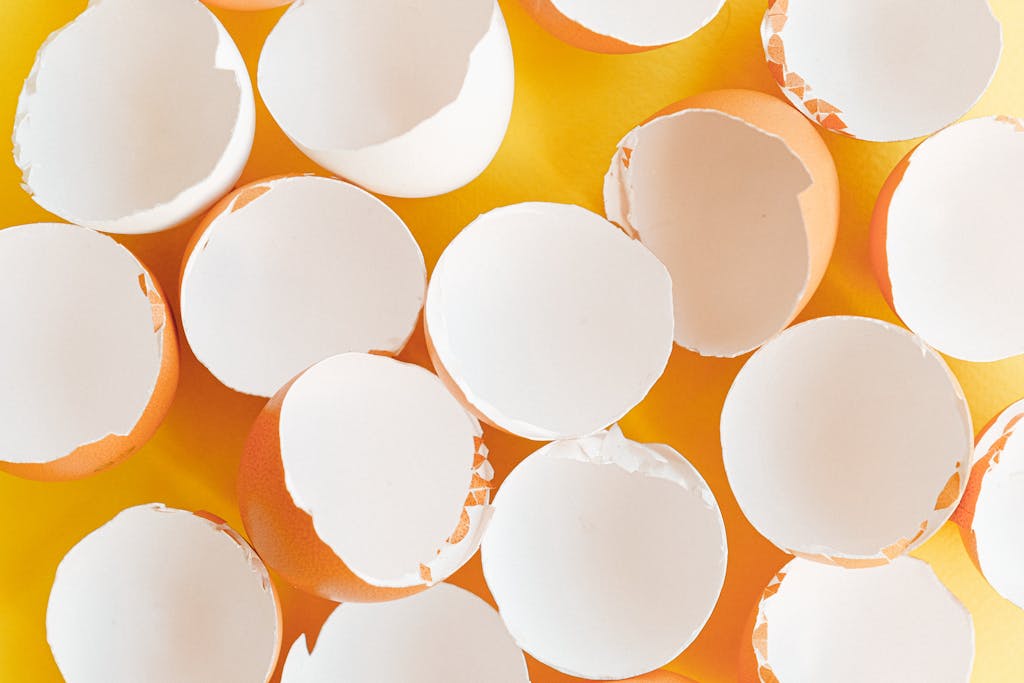
Crushed eggshells are often used as a natural garden amendment because they contain calcium carbonate. When cleaned, dried, and crushed finely, they can be added to compost or mixed into soil where they slowly break down over time. They are especially useful as a long-term soil-building ingredient rather than a quick fix.
Eggshells are sometimes used to discourage slugs and snails, but they work best when the pieces are dry, sharp, and placed in a generous ring around vulnerable plants. Even then, they may not stop every slug problem, so we should combine them with other controls like evening hand-picking, beer traps, copper tape for containers, and removing damp hiding spots. The best use of eggshells is in compost and soil improvement, where they add mineral value gradually.
Create a Simple Garden Hack System That Works
The best garden hacks work together because gardening is a system. Clean tools reduce disease spread, compost improves soil, mulch keeps moisture steady, seed-starting tricks reduce transplant shock, and natural barriers protect young plants. Instead of trying every idea at once, we can choose the hacks that solve our most common garden problems first.
A beginner gardener might start with cardboard mulch, milk jug watering cans, composting, and fabric plant ties. A container gardener might focus on slow-release watering bottles, banana peel feed, rainwater collection, and gentle seedling care. A vegetable gardener might benefit most from plant collars, seed tubes, compost, soft ties, and careful weed control. The goal is not to make gardening complicated. The goal is to make the work smoother, cheaper, and more productive.
Conclusion
Good gardening does not require a shed full of expensive supplies. Many useful garden hacks come from items we already have, including cardboard, bottles, milk jugs, paper tubes, coffee grounds, eggshells, old shirts, and food scraps. These small ideas help us water better, start seeds smarter, protect seedlings, control weeds, reduce waste, and build healthier soil.
The strongest garden results come when we use these hacks with patience and common sense. We choose the right trick for the right problem, avoid overusing homemade treatments, and keep the focus on soil health, steady moisture, and plant protection. A garden becomes more productive when every small habit supports the next one, and these simple hacks can make the whole growing season feel easier, cleaner, and far more rewarding.