Parenting styles have evolved significantly over the years, but there’s something undeniably effective about the ways Baby Boomers raised their children.
Today’s parents are focused on creating environments of emotional support, and while that’s undoubtedly important, sometimes a little old-school discipline, respect, and structure can make a big difference in a child’s upbringing. Here are 8 traditional parenting techniques from Boomers that younger generations could learn from:
Respect for Authority
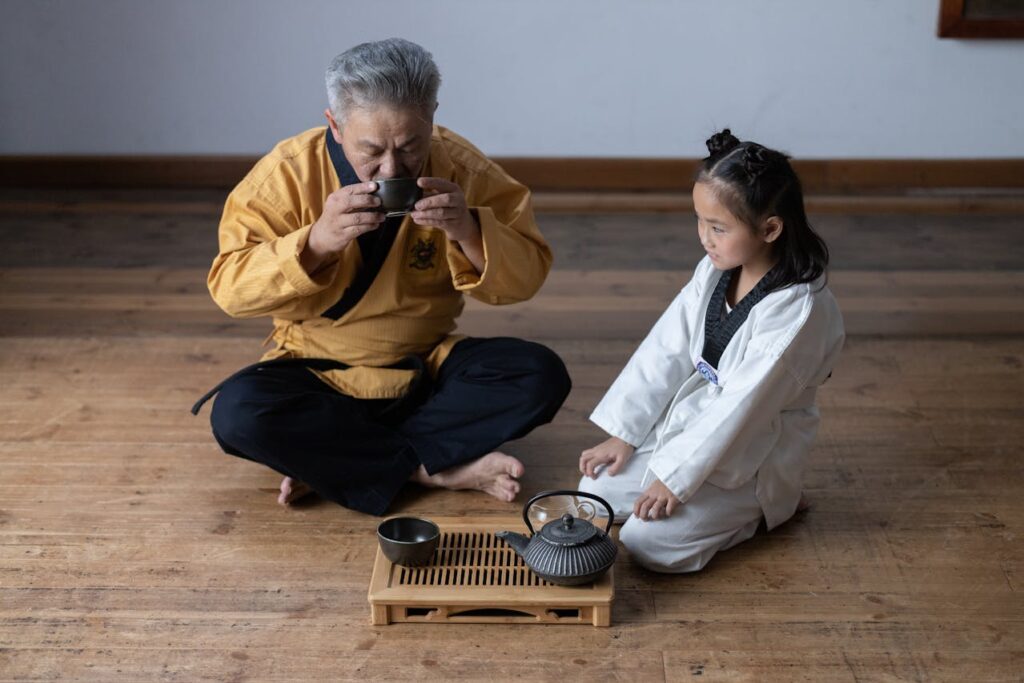
Boomers placed a heavy emphasis on respect for authority figures — whether it was parents, teachers, or even neighbors. Children were taught to listen and obey without question, which instilled a sense of discipline and an understanding of boundaries.
This technique helped children learn the importance of rules and the consequences of breaking them. Today’s parents could benefit from reinforcing this respect and setting clear expectations for their kids, which would help with social interactions and long-term respect in adulthood.
The Power of Routine and Structure
Boomer parents understood the importance of a daily routine. Whether it was mealtime, homework, or bedtime, there was a structure kids were expected to follow. This kind of consistency provided children with a sense of stability and predictability.
While flexibility is important in modern parenting, a structured routine can help children thrive and provide the security they need to manage their day-to-day lives.
Outdoor Play
Back in the day, it wasn’t unusual for kids to be sent outside to play for hours, whether they were climbing trees, riding bikes, or playing games with neighbors. Boomers valued outdoor time because it promoted physical activity, independence, and creativity.
Today, many children are glued to screens, and parents might benefit from encouraging more outdoor play. It’s an excellent way for kids to develop social skills, physical health, and creativity — all while unplugging from technology.
Emphasis on Hard Work and Earning Privileges

Boomers placed a strong emphasis on earning rewards through hard work, whether by doing chores around the house or by achieving good grades.
This helped children understand the value of effort and perseverance. In today’s world of instant gratification, there’s a lesson here about the importance of teaching kids that rewards are earned, not just handed out. Hard work isn’t just about grades; it’s about learning that persistence leads to achievement.
Less Parental Involvement in Socializing
While modern parents may be more likely to schedule playdates and closely monitor their child’s social life, Boomers often took a more hands-off approach to friendships.
Kids were encouraged to solve their own problems, negotiate conflicts, and develop social skills independently. This method can encourage resilience, confidence, and the ability to handle challenges without always seeking parental intervention.
Teaching Gratitude Through Modesty
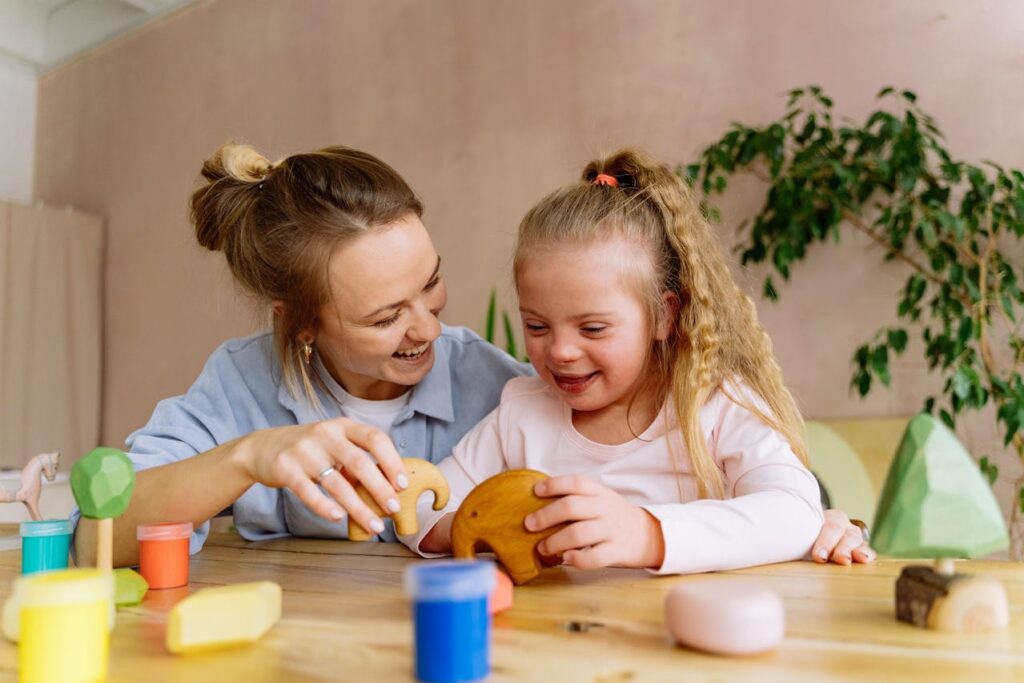
Boomer parents emphasized modesty and gratitude. Children were taught to be thankful for what they had, even if it wasn’t the latest gadget or the most expensive clothes. This sense of humility and appreciation for the basics created grounded, responsible adults.
In a world where consumerism is often at the forefront, today’s parents could focus more on instilling gratitude, helping kids understand the value of what they have, rather than always focusing on the next big thing.
Spiritual and Moral Guidance
Religion and strong moral values were central to many Boomer households. While the modern world is far more secular, there’s value in teaching children about ethics, empathy, and spirituality — not necessarily in a religious context but through the practice of kindness, honesty, and respect.
Parents today could benefit from integrating these moral teachings into their daily routines, reinforcing the importance of good character in shaping their children’s futures.
Limitless Self-Reliance

Boomers were often encouraged to be self-sufficient from a young age. Whether it was doing their own laundry, cooking meals, or even fixing things around the house, kids were expected to be resourceful. This fostered confidence and independence.
In an era where many things are automated or handled for kids, parents today could do well to encourage more self-reliance, teach their children to manage their own responsibilities, and empower them to make their own decisions.