A potager garden sounds charming until it starts looking like a crowded vegetable jungle with no path, no order, and no easy way to harvest dinner. The idea is beautiful: a kitchen garden that blends vegetables, herbs, flowers, and fruit with design into one useful outdoor space. But the problem is that many people treat it like a regular backyard vegetable patch, then wonder why it looks messy after a few weeks.
A good potager garden should feel both practical and pretty. It should make it easy to grab lettuce, herbs, tomatoes, or flowers without stepping through mud or fighting tangled vines. When the layout, soil, sunlight, and plant choices are wrong, the whole garden can become frustrating fast. Here are five common potager garden mistakes that can quietly ruin the look, harvest, and joy of growing your own food.
Choosing the Wrong Spot From the Start

The biggest mistake is placing a potager garden where it looks cute instead of where plants can actually thrive. Vegetables, herbs, and many edible flowers need strong sunlight to grow well. If the garden sits in a shady corner, near a tall fence, or under trees, the plants may stretch, weaken, and produce very little food.
A potager garden should also be close enough to the kitchen that you will actually use it. If you have to walk across the whole yard just to snip parsley or pick lettuce, the garden becomes decoration instead of a daily habit. The best location is sunny, easily accessible, and close to a water source. That simple choice can decide whether the garden becomes a joyful routine or another ignored outdoor project.
Ignoring Design and Letting the Garden Look Random
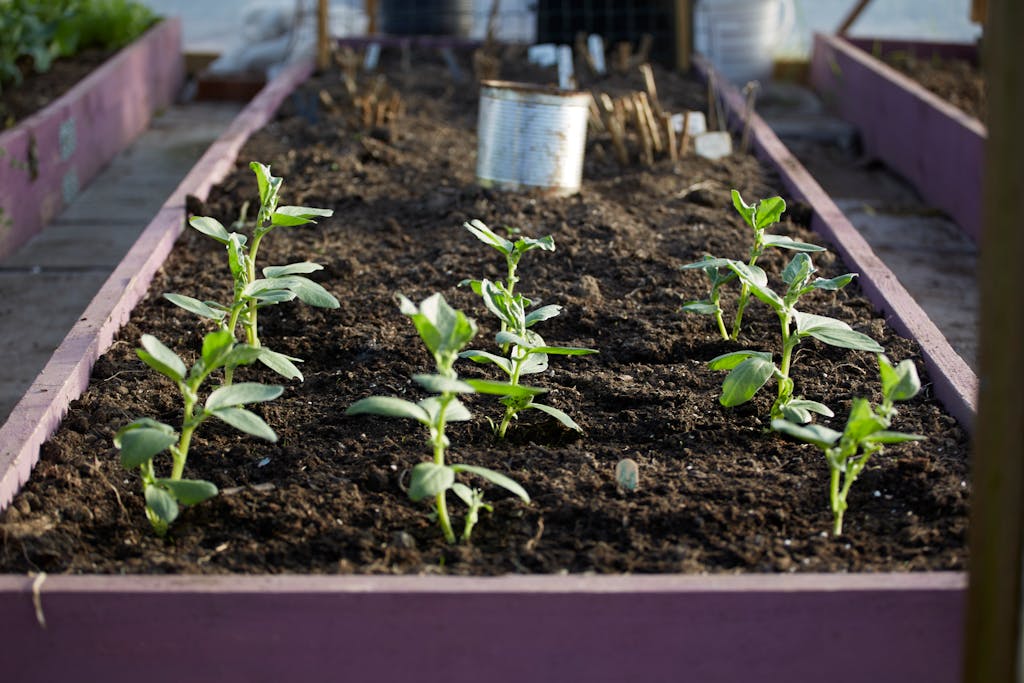
A potager garden is not supposed to look like plants were dropped wherever there was empty soil. Its appeal comes from structure. Paths, raised beds, borders, symmetry, trellises, and repeated plant groupings help turn edible gardening into a visually pleasing experience.
Without a plan, fast-growing crops can swallow smaller herbs, vines can spill into walkways, and flowers can end up hidden behind vegetables. The result may still grow food, but it loses the polished look that makes a potager special. Before planting, sketch the space and decide where beds, paths, focal points, and climbing plants will go. Even a small garden feels more expensive and intentional when it has balance, clear lines, and a smart layout.
Skipping Raised Beds or Poor Soil Preparation
Another costly mistake is planting directly into poor soil and expecting a lush kitchen garden. Potager gardens need healthy soil because many edible plants are heavy feeders. Compacted, rocky, sandy, or clay-heavy soil can make roots struggle, hold too much water, or dry out too quickly.
Raised beds can solve many of these problems because they give you more control over the growing mix. They also make the garden look neater and easier to maintain. A raised bed filled with compost-rich soil gives vegetables and herbs a stronger start, especially for beginners. If raised beds are not possible, the soil still needs compost, organic matter, and regular care. A potager garden may look like a design project, but beneath the beauty, it is still powered by soil.
Planting Too Many High-Maintenance Crops at Once

It is easy to get carried away when planning a potager garden. Tomatoes, cucumbers, eggplants, beans, lettuces, peppers, strawberries, basil, lavender, zinnias, and roses all sound wonderful until everything needs pruning, watering, tying, harvesting, and pest control at the same time.
Beginners often make the mistake of planting too wide varieties too soon. A beautiful potager garden should feel abundant, not exhausting. Start with dependable crops like lettuce, radishes, chives, kale, Swiss chard, bush beans, thyme, oregano, and easy annual flowers. These plants offer color, texture, and harvests without demanding constant attention. Once the garden rhythm feels manageable, you can add more dramatic crops, such as climbing cucumbers, espaliered fruit, or ornamental arches.
Forgetting Watering and Daily Maintenance
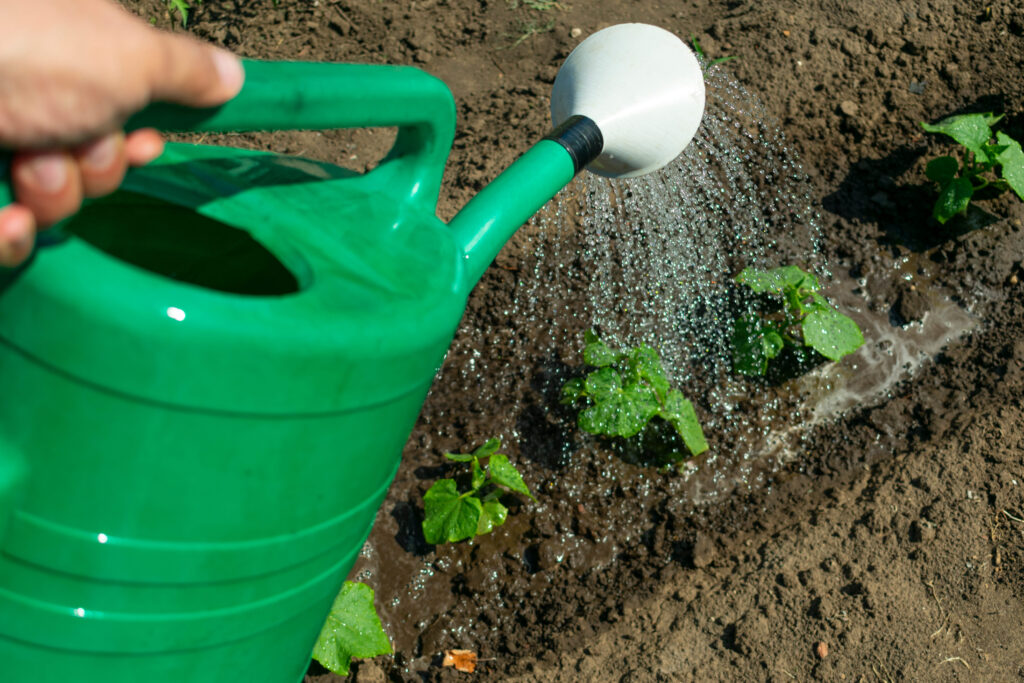
A potager garden can fall apart quickly when watering becomes an afterthought. Because it mixes different types of plants in one designed space, some areas may dry out faster than others. Raised beds, containers, herbs, and shallow-rooted greens often need consistent moisture, especially during hot weather.
A watering plan makes the garden easier to manage. Drip irrigation, a hose timer, or even a simple routine can prevent wilted plants and wasted effort. The garden also needs regular harvesting, light pruning, weeding, and pest checks. These small tasks keep the space fresh and productive. If you wait until everything looks overgrown, the garden becomes harder to rescue. A potager works best when it is visited often, even for just a few minutes a day.
Conclusion
A potager garden can be one of the most beautiful ways to grow food at home, but only when it is carefully planned. The biggest failures usually start with poor location, weak soil, messy design, overambitious planting, and inconsistent maintenance. Those mistakes can turn a charming kitchen garden into a stressful patch of tangled plants.
The good news is that a potager does not need to be huge, fancy, or expensive. It needs sunlight, structure, healthy soil, useful plants, and a routine you can keep. When those basics come together, the garden becomes more than a pretty outdoor feature. It becomes a place where beauty and dinner grow side by side.