Indoor plants have become a defining feature of modern living spaces. They brighten apartments, purify the air, reduce stress, and create a calming sanctuary from the hectic pace of daily life. Yet for many plant lovers, this joy comes with an unwelcome companion: bugs. Tiny flies hovering over the soil, cottony mealybugs tucked into leaf joints, or sticky residues coating leaves can transform a relaxing indoor hobby into a stressful battle for survival.
Even for those who water carefully, wipe leaves clean, and choose the healthiest plants, insects often appear. This is not a reflection of poor care; it is a reflection of how certain conditions in our homes inadvertently create the perfect environment for pests to thrive. Understanding why indoor plants attract bugs and the many factors that contribute to infestations is essential for anyone looking to maintain a healthy, vibrant indoor garden that stays pest-free.
Indoor plants are more than decoration; they are living ecosystems. When conditions favor the plant’s growth, they may inadvertently favor insects too. Bugs can appear suddenly, often in areas we least expect, and spread before we even notice.
Moist Soil Breeds Fungus Gnats
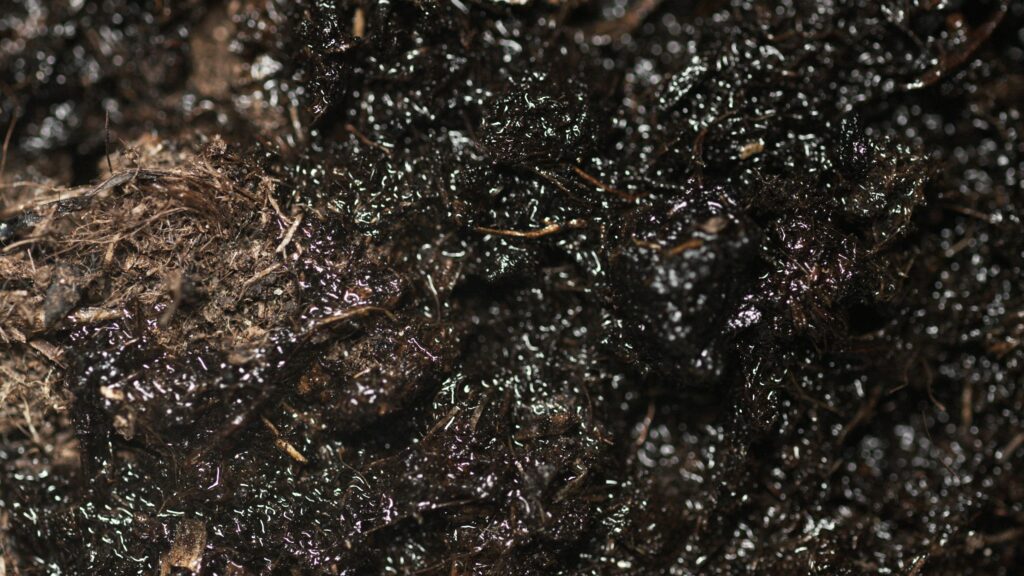
Fungus gnats are among the most common pests indoor gardeners encounter. These tiny, black flying insects often first appear as a minor annoyance, hovering just above the soil. Their presence is usually linked to a familiar culprit: moist soil. Overwatering, poorly draining pots, or soil that retains water for long periods create an ideal breeding ground for fungus gnats.
The larvae feed on fungi, decaying organic matter, and sometimes tender roots within the soil. While adult gnats may not harm humans, their larvae can stress young roots, reducing the plant’s ability to absorb water and nutrients effectively. This often results in slower growth, wilting, or yellowing leaves, symptoms commonly mistaken for poor plant health rather than a pest infestation.
Even the most conscientious watering routines can fall short if the potting mix is too dense or does not drain properly. High organic content in soil, while excellent for plant nutrition, inadvertently provides a feast for pests. In essence, the soil itself can become a thriving insect nursery if conditions remain damp, illustrating how the environment around a plant can matter as much as the care it receives.
Dense Foliage Provides Hiding Places
Lush, dense foliage is often the hallmark of a healthy indoor plant collection, giving any room a vibrant, tropical atmosphere. Plants like ferns, pothos, philodendrons, and monstera are favorites for their thick, dramatic leaves. But that very density can make these plants an ideal hiding place for pests.
Mealybugs, aphids, and scale insects frequently take advantage of shadowed leaf joints and the undersides of leaves, feeding undetected. Dense foliage creates a microenvironment where humidity remains higher, airflow is limited, and insects can multiply freely. Even if one leaf looks healthy, hidden pests on nearby stems or leaves can quickly spread to other parts of the plant and even to surrounding plants on the same shelf.
A densely packed indoor plant arrangement may look lush, but it can quickly become a miniature insect hotel if it is not regularly monitored. When leaves touch each other, share overlapping stems, or grow in tight clusters, pests find it easy to move from one plant to another, establishing colonies that can become challenging to eradicate.
Warm Indoor Temperatures Encourage Reproduction
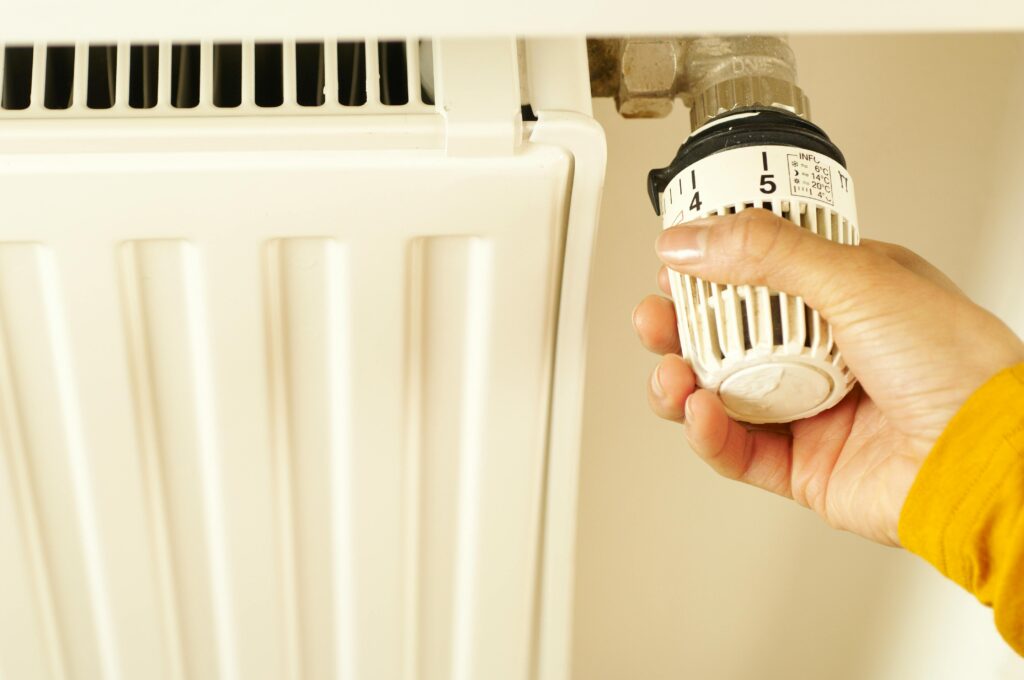
Most indoor plant pests thrive in the stable, warm temperatures that are typical of homes and apartments. Spider mites, whiteflies, thrips, and other insects reproduce far faster indoors than they would outside, where temperature fluctuations and natural predators often keep populations in check. A controlled indoor climate offers pests a constant supply of warmth, safety, and readily available food, all of which accelerate reproduction.
Warm temperatures also encourage tender, rapid new growth, which is especially attractive to sap-sucking insects like aphids and mealybugs. Even plants that appear strong and healthy may become vulnerable if the environment promotes soft, rapid growth that pests find irresistible. Seasonal changes have less impact indoors, meaning pests can continue to multiply year-round, turning even minor infestations into larger problems if left unchecked.
Poor Air Circulation Traps Humidity
Airflow is one of the most underestimated factors in maintaining healthy indoor plants. Crowded shelves, tightly grouped plants, or rooms with poor ventilation create pockets of stagnant air that dramatically increase pest survival. Pests such as spider mites and fungus gnats thrive in these microenvironments, which protect them from disturbances and help maintain high humidity levels.
High humidity combined with stagnant air not only helps pests survive but also promotes fungal growth in soil, which in turn provides additional food sources for soil-dwelling larvae. Even a small lapse in spacing or airflow can create a hidden ecosystem where pests thrive, often unnoticed until an infestation is well underway. This explains why plants in tightly packed corners or poorly ventilated rooms are far more prone to bug problems, regardless of how carefully they are watered or maintained.
Overwatering Weakens Plants

Overwatering is one of the most common mistakes in indoor gardening and often one of the most damaging. While plants require moisture to survive, excessive water can stress roots, reduce oxygen availability, and soften plant tissue, creating conditions that are highly attractive to pests. Sap-feeding insects such as aphids, mealybugs, and whiteflies are particularly drawn to weakened plants, where feeding is easier and more rewarding.
Plants suffering from chronic overwatering may also develop root rot, adding decaying matter to the soil, which attracts fungus gnats and springtails. Stressed plants cannot mount strong natural defenses, making infestations more likely and severe. This cycle demonstrates why even meticulous plant owners can experience sudden pest problems, despite taking what they consider “perfect care” of their plants.
Contaminated Potting Soil Introduces Bugs
Not all pests arrive on the plant itself; sometimes they arrive in the soil. Potting mixes, whether fresh from a store or reused from previous plantings, can harbor eggs, larvae, or tiny insects. A new plant that appears pristine on arrival may already carry dormant pests hidden in the soil or tucked into leaf crevices.
Even previously used soil can conceal eggs that survive drying or storage, only to emerge when conditions are favorable indoors. Once established, these pests can quickly colonize the plant and spread to nearby pots. This silent introduction often leads to sudden infestations, even in otherwise well-maintained plant collections. It highlights the importance of considering the soil itself as a potential vector for pests.
Stressed or Malnourished Plants Attract More Pests
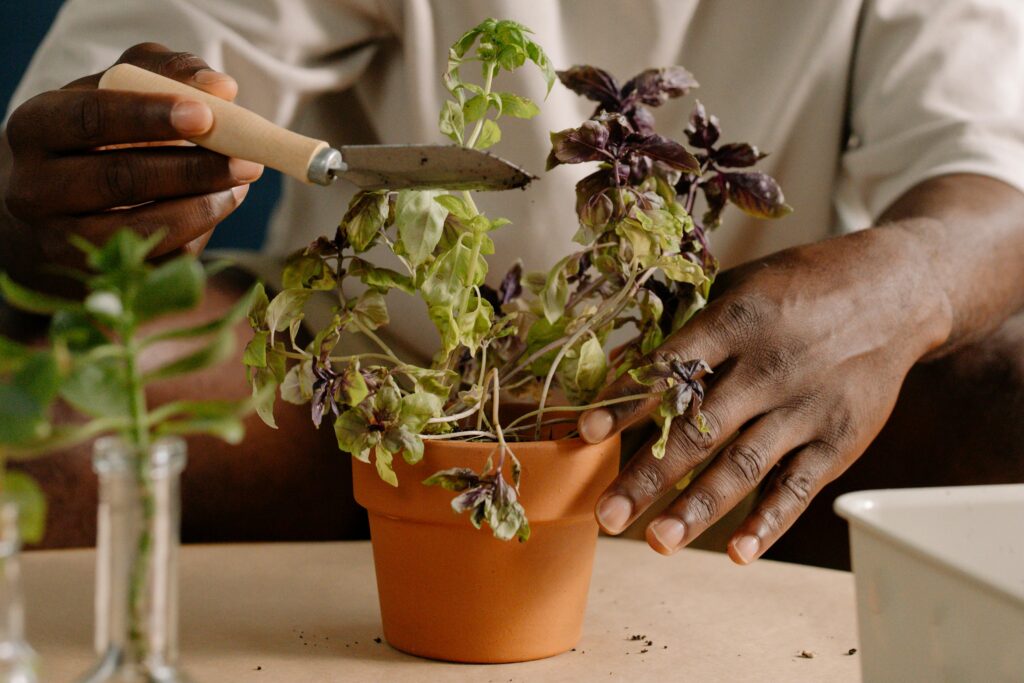
Stress is one of the most significant factors in a plant’s vulnerability to pests. Plants under stress produce softer, more tender new growth that pests prefer to feed on. Stressors include insufficient light, inconsistent watering, poor fertilization practices, or overcrowded conditions.
Even minor stressors, like uneven humidity, drafty windows, or suboptimal light placement, can weaken a plant just enough to attract pests. Weakened plants recover slowly, giving infestations time to escalate before they are noticed. In contrast, thriving, well-nourished plants are less appealing to insects because their tissue is tougher, more resilient, and less conducive to sap-sucking damage. Maintaining optimal conditions is therefore critical to reducing pest susceptibility.
Neglected Leaves and Debris Provide Shelter
Houseplant debris, fallen leaves, dead flowers, or accumulated dust can provide ideal hiding and breeding grounds for pests. Mealybugs, scale, thrips, and other insects often exploit these decaying materials before moving onto healthy tissue.
Dust also interferes with photosynthesis by blocking sunlight, which adds another layer of stress that makes plants more vulnerable to infestation. Pests exploit this combination of debris and weakened plant health to establish themselves undisturbed. Even well-cared-for plants can fall victim if the surrounding environment allows insects to hide or reproduce unnoticed. Keeping the growing area clean, free of fallen leaves, and regularly dusted is essential for breaking the cycle that allows pests to thrive.