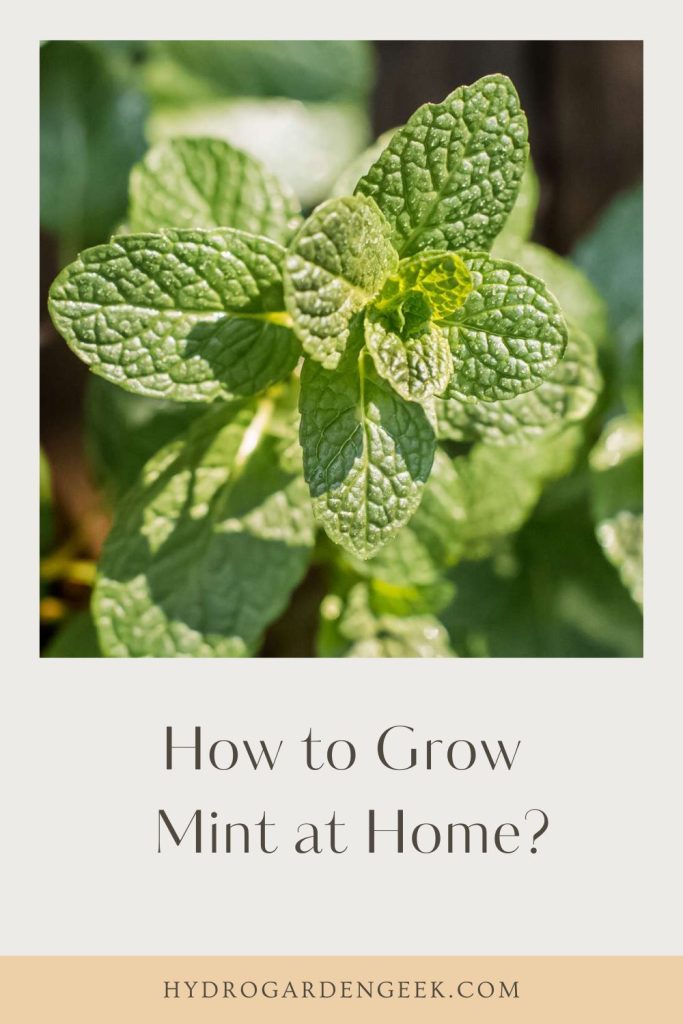
With its refreshing fragrance and versatile culinary uses, mint is a popular herb for home gardens. Though mint has a reputation for being invasive, it is easy to grow and contains many varieties that gardeners can enjoy.

This article provides helpful tips for successfully growing mint in your outdoor space or containers. We discuss proper sowing methods, soil preparation, water and sunlight needs, and pest and disease control when cultivating mint.

- ARE YOU EXCITED TO GROW YOUR OWN MINT GARDEN?
- GROW YOUR OWN MINT PLANTS INDOORS OR OUTDOORS
- PERFECT FOR YOUR MEALS AND TEA
Mint Planting Guide
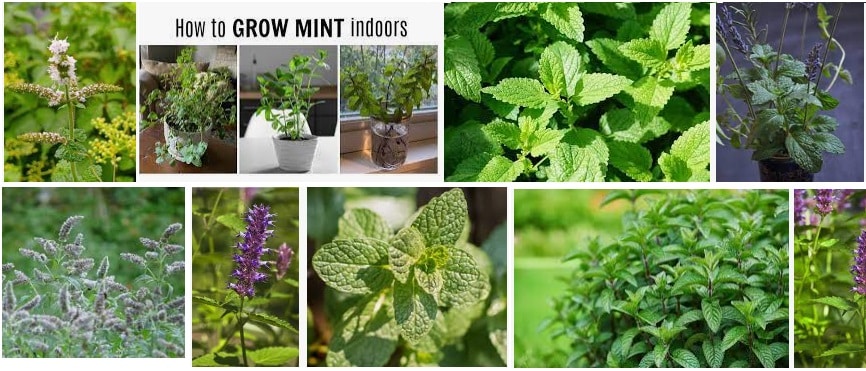
Mint is a versatile, fragrant herb that every gardener should consider cultivating. This planting guide provides tips to help you successfully grow mint this season. Learn the optimal timing, site selection, soil preparation, planting techniques, and care for transplants.
When to Plant
Deciding on the right time to sow mint seeds or plant starters is key to healthy plants. Mint grows best when temperatures reach 60-70°F, making spring and fall ideal planting times in most regions.
For spring, plant mint outdoors 4–6 weeks before the last expected frost once the soil has warmed. Fall planting can begin anytime from late summer to early fall. Get mint established at least 2–3 weeks before freezing temperatures arrive.
Selecting a Planting Site
Choosing the right planting site helps prevent mint from spreading out of control. Consider sunlight, soil needs, and space for rhizome growth when selecting where to plant your mint.
Mint grows best in full sun to part shade. Ensure the planting area gets at least 6 hours of sun for productive growth. Well-drained, nutrient-rich soil with a pH of 6.0-7.0 is ideal. The area should be wide enough for mint’s spreading rhizome system, so allow 12–24 inches on all sides.
Space
Providing adequate spacing for mint plants allows air circulation and light penetration for healthy growth. It also helps keep aggressive mints contained. For planting in garden beds, space mint plants about 12 inches apart in all directions. Some varieties can grow quite large, so allow 18–24 inches of space between plants for types like apple mint.
Planting in containers restricts spread, but allow at least 12-inch depth and diameter. If planting multiple mints together, provide 12–24 inches of space between different varieties. This prevents different mint flavors and scents from blending together as plants spread.
Depth
Properly planting mint at the correct depth encourages establishment and growth. Follow depth guidelines for both seeds and transplants. When planting mint seeds, sow at a very shallow depth, no more than 1⁄4 inch underground. Seeds require light to germinate.
Starter plants should be planted at the same level they were growing in the pot or nursery. Ensure the top of the root ball is level with the soil surface. Plant just deep enough to cover roots and rhizomes with 1 inch of soil. Adding mulch after planting protects shallow roots and maintains soil moisture.
Plant Support
Providing physical support for mint plants keeps them healthy and upright. Some options include trellising, tomato cages, or planting among other crops. Insert cut branches, twigs, or stakes around emerging mint to act as living trellises. As plants grow, loosely tie main stems to supports.
For larger varieties, place tomato cages over young plants, securing ends in the ground. Underplanting mint with low-growing flowers and vegetables takes advantage of vertical space. The shelter of other plants provides natural support for tender mint stems and foliage. Use care when harvesting to avoid damaging companion plants.

- Strong Root Development
- OMRI Listed for Organic Gardening
- for Tomatoes, Peppers, and Bulbs, 1-Pack, 3 lb (1 Pack)
Best Places to Plant Mint
When choosing where to plant your mint, site selection is key to keeping this aggressive herb under control. Mint spreads rapidly, so it’s important to define boundaries, improve site conditions, and allow adequate space for growth.
The best planting locations take the mint plant’s needs and growth habits into account. Here are the ideal sites and containment solutions to consider when planting mint:
- In garden beds. Planting mint in a designated garden bed works very well. Choose a spot that gets at least 6 hours of sun in loose, nutrient-rich, moist soil amended with compost. Leave 12–24 inches around plants for good air circulation and to manage spread.
- In containers. Planting mint in containers is an excellent option to restrict the extensive spreading root systems. Select a 12+ inch deep pot with drainage holes, using a quality potting mix. Place one mint plant per 12-inch container, water regularly, and locate where it will get sun. Bring containers indoors before first fall frost.
- In raised beds. Raised garden beds are great for mint, improving drainage and defining boundaries. Build your raised bed at least 12 inches high and fill with amended garden soil and compost. Follow spacing guidelines if planting multiple mint plants. Raised beds warm quickly in spring for early seasonal growth.
- As a ground cover. If you have plenty of space, mint works exceptionally as a moisture loving ground cover. It will fill in an area thickly, blocking weeds and retaining soil moisture. Pick a level sunny spot with enriched soil, then plant starter plants or root divisions 12 inches apart. Supply consistent water for lush growth.
- In water gardens. The moist soil of water gardens provides an ideal environment for mint. Plant in containers set at the edges around ponds or water features. The shallow water provides constant moisture for thirsty mint root systems, so plants flourish. Tuck container rims slightly below water level.
- Along fences and foundations. Planting mint as edging along foundations, fences, or other borders helps deter its spread. Growth is restricted on one side, keeping the plant’s vigorous roots and rhizomes contained. This also makes harvesting convenient right outside your door.
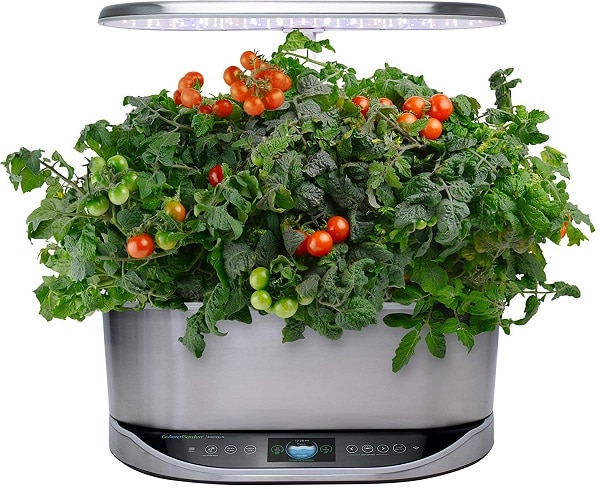
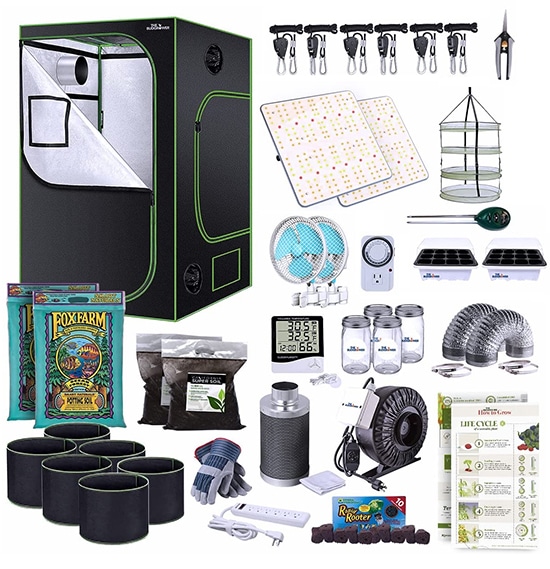
- WiFi and Alexa Compatible, Stainless Steel Grow up to 9 plants, up to 24duim
- Includes everything you need to grow
- 50 watt LED Grow Lights, perfect spectrum for fast growth & big harvests
Harvesting and Storing Mint
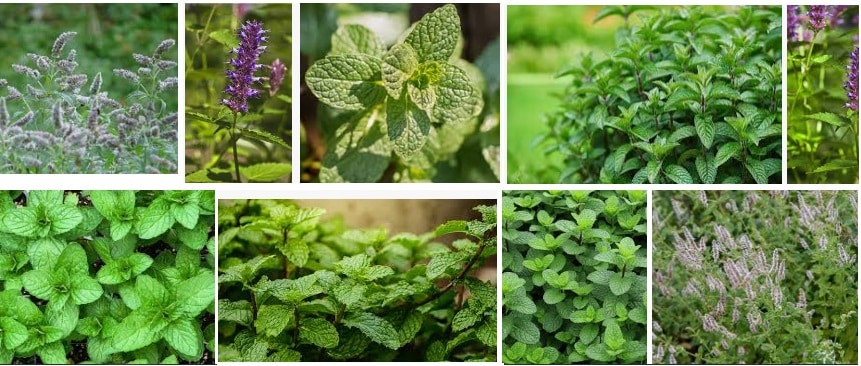
After all your effort growing abundant mint, properly harvesting and storing preserves the herb’s flavor and nutrition for long-lasting enjoyment. Learn the best methods for gathering mint and saving the harvest below.
Drying
Drying freshly harvested mint leaves is an easy way to preserve the aromatic flavor. There are a few techniques you can use at home to dry your mint. Air drying works well for mint. Cut stems just before flowers form, bundle tightly, and hang upside down in a warm, dark area with good air circulation.
The low moisture and humidity will dry the leaves out over 1–2 weeks without compromising flavor. You can also lay leaves out in a single layer, protected from light. Oven drying is a faster technique. Place intact stems or loose leaves on a baking sheet in the oven at 110°F. The low temperature dries mint quickly in just a few hours without cooking leaves. Check frequently and store immediately after drying is complete.
Freezing
Freezing is another preservation method that locks in minty flavor with convenience. Simply wash freshly harvested leaves and pat dry with a paper towel before loosely packing leaves into freezer bags or airtight containers. Seal and freeze, then use frozen mint straight from the freezer as needed.
You can also make mint ice cubes. Place leaves or stems directly into ice cube trays, fill with water and freeze. Add the fresh tasting cubes to drinks for a refreshing twist. Frozen mint retains flavor and nutrition for months while preventing waste.
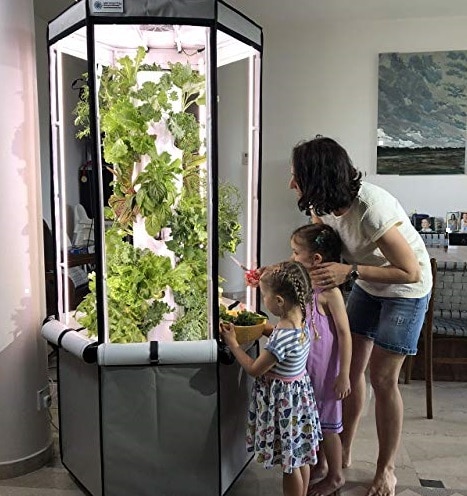
- Easy to use aeroponic system for your home
- Fan - Grow Lettuce, Herbs, Veggies & Fruits
- Grow smart & eat healthy, 20 gallon water reservoir Grow Tent, LED Grow Lights
Mint Care Tips
Growing mint is easy for most home gardeners. This versatile herb thrives in containers and garden beds with minimal care. Let’s explore some key tips for caring for mint plants, including proper sunlight, water, soil conditions, and pruning.
Light
Mint thrives best in a sunny location with at least 6 hours of direct sun daily. More sunlight fuels growth for higher yields. If planting mint in partial shade due to climate, choose shade-tolerant varieties like ginger mint or pineapple mint. Shade reducing yield should be under tree canopy or amid other plants, so some sunlight still reaches the mint.
Soil and Water
Mint favors consistently moist soil. Water plants at the base about 1 inch per week by rainfall or manual watering, adjusting for climate. The root zone should not become waterlogged. Improve drainage in heavy soil by mixing in compost.
Container mint should be watered whenever the top 1–2 inches become dry. Apply a thick layer of mulch around mint beds to retain soil moisture while preventing weeds.
Temperature and Humidity
Cool, humid climates are ideal for mint growth. Temperatures between 60-70°F coupled with humidity levels around 75% suit mint best. While mint can tolerate hot and dry conditions, extreme summer heat may cause dull flavor and lower yields. Provide shade cloth or filtered sunlight during periods of high heat. Mist mint plants frequently to boost humidity around foliage.
Fertilizer
Using a balanced organic fertilizer supports vigorous mint growth and stand health. Fertilize mint 1–2 times per growing season. Top dress containers or garden beds with compost or all-purpose organic fertilizer in early spring, just before plants emerge. These fuels plant growth all season.
You can also apply a liquid plant food mid-season to give plants a boost if growth seems stunted. Always follow label directions. Avoid over-fertilizing mint, as excessive nitrogen can inhibit flavor. Watch for deep green leaves and stretching stems as signs to reduce applications. Fertilize minimally or not at all after September.
Pruning
Regular pruning improves mint’s yield, flavor, and plant shape. Trim plants just prior to flowering or after harvesting stems. Prune lightly early in the season to shape plants. Remove small portions from the tops and outer branches to encourage bushier, compact growth inside.
Later in summer, harvest up to 75% of each plant at once by shearing very low to rejuvenate plants before cold weather. Always use clean, sanitized tools when cutting mint to prevent spreading diseases. Remove and discard all pruning debris from the garden promptly after trimming.
Potting and Repotting Mint
As mint outgrows its space, timely division and repotting keeps container plants healthy. Transplant garden mints every 3–4 years or whenever plants underperform. Uproot congested container plants in early spring.
Gently divide root balls and replant the healthiest sections into pots, using fresh potting mix amended with compost. Keep divided plants well-watered until established. Transplant garden mint in cloudy periods whenever it overgrows allocated space.
Pollination
Mint plants flower and produce seeds if allowed to bloom, but propagating from seed can yield different plant variations. Prune flowers to promote leaf production.
Pinch or cut back mint flower buds as soon as they appear, to encourage more harvestable foliage instead of seeds. You can also cut entire flower spikes all the way down to just above a leaf node once blooms start fading to neaten plants. Removing flowers regularly maximizes leaf yields.
Cutting back
Cutting back mint properly in fall prepares the plants for winter and next year’s growth. Trim stems to just above soil level after the plants die back from frost.
Hard pruning removes dead growth and funnels the plant’s energy into its roots and rhizome system over winter. Cut systematically across garden patches, clearing away cut debris once finished. Container mints can be cut back heavily before bringing indoors until spring.
Propagating
Taking and planting mint cuttings readily propagates more plants identical to the parent. New plants are less prone to disease or problems. Trim 4-6 inch cuttings from vigorous, fresh growth on healthy mint plants, cutting just below leaf nodes. Propagation hormone can help. Stick cuttings into quality potting soil and cover lightly with plastic until rooted, then transplant individual plants into containers or garden beds.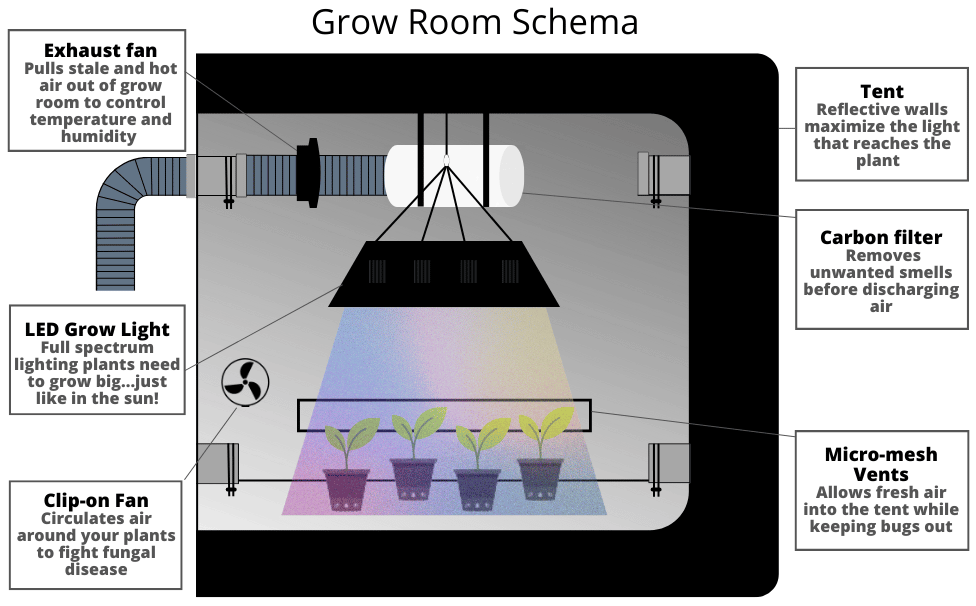
Mint Varieties
Mint comes in many tempting and unique varieties for the adventurous gardener. Expand your culinary and tea capabilities by getting to know these top mint types:
- Has a fruity apple flavor perfect for jellies, candy, and beverages. With bronze-tinged leaves, it reaches 2–3 feet tall at maturity. Grow applemint in containers to prevent overly aggressive spreading habits. Harvest young leaves for the best flavor.
- Chocolate mint. Delivers a delicious sweet minty flavor with a subtle cocoa essence. Its green leaves sometimes display reddish veins as it spreads into thick 18 inch mats. Pair chocolate mint with fruit in desserts and drinks, or add leaves when brewing coffee. Often pinch off new growth to stimulate dense growth.
- Ginger mint. Offers spicy ginger undertones combined with cool, bright mint flavor. It has attractive golden green foliage that provides culinary flair. Use young ginger mint leaves sparingly combined with sweet fruits, in salad dressings, and with grilled dishes. Container planting is best for this spreading variety.
- Himalayan Silver Spearmint. Valued for the felt-like, silver-white leaves that stand out uniquely. The flavor is cool but not too sweet, nice for tea, dessert garnish, or stirring into lemonade. Grow this less invasive mint in partial shade conditions for best silver coloring in the leaves.
- Kentucky Colonel Mint. Vintage heirloom boasting a rich, intense spearmint flavor perfect for juleps and mojitos. Blue-green leaves and purple stems on 18-24 inch plants distinguish this slow spreader that flowers pink. Give Kentucky Colonel Mint consistent moisture to keep leaves flushes tender. Harvest, often by cutting stems to the base.
- It has very high menthol content, delivering that familiar cooling, crisply minty flavor. Both the serrated leaves and pink/purple flowers are edible and flavorful. Use young peppermint leaves in desserts, to make tea, and for candy or liqueurs like crème de menthe. Peppermint thrives when given rich, consistently moist soil.
- Mojito Spearmint. Authentic, powerfully citrusy mint used for the classic rum cocktail. It has flavorful foliage on vigorously growing 18-inch stems with purple accents that add garden beauty. Grow Mojito mint with ample space, as its rhizomes spread widely but are easy to contain. Pinch off new growth to encourage bushiness.
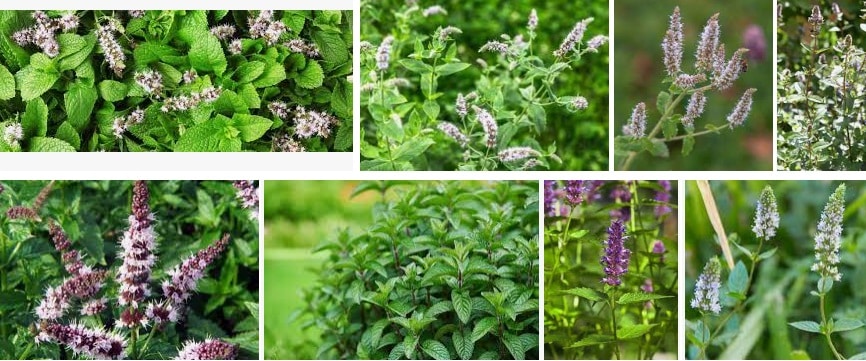
- Wild Mint. It has notched, wrinkly green leaves with a strong, fresh spearmint aroma and flavor. Marked by its lavender flower spikes, wild mint spreads aggressively from rhizomes and self-sows freely. Contain uncontrolled growth by planting within burlap bags sunk into garden soil with just the tops showing.
- The quintessential culinary mint, valued for its sweetly refreshing minty taste. Spearmint’s pointed leaves and white/pink flowers make it recognizable in any garden. Spearmint wonderfully enhances fruit salads, beverages, peas, carrots, lamb and desserts when used fresh or dried. Harvest by cutting individual stems near their base to encourage new growth.
- Longleaf Mint. Grown mainly for ornamental purposes rather than flavor or fragrance. Its bold, saw-toothed leaves emerge chartreuse in spring then become dark forest green in summer when foot-long flower stems display lavender-pink blooms. Provide very rich soil and consistent moisture for lush long leaf mint foliage.
- Water Mint. Thrives along pond banks and water garden edges, filling spaces between rocks and paving stones with spreading stems of aromatic leaves. Crushed water mint leaves give off a sharp, cooling peppermint scent. Use water mint to flavor beverages or desserts with a bracing mint taste.
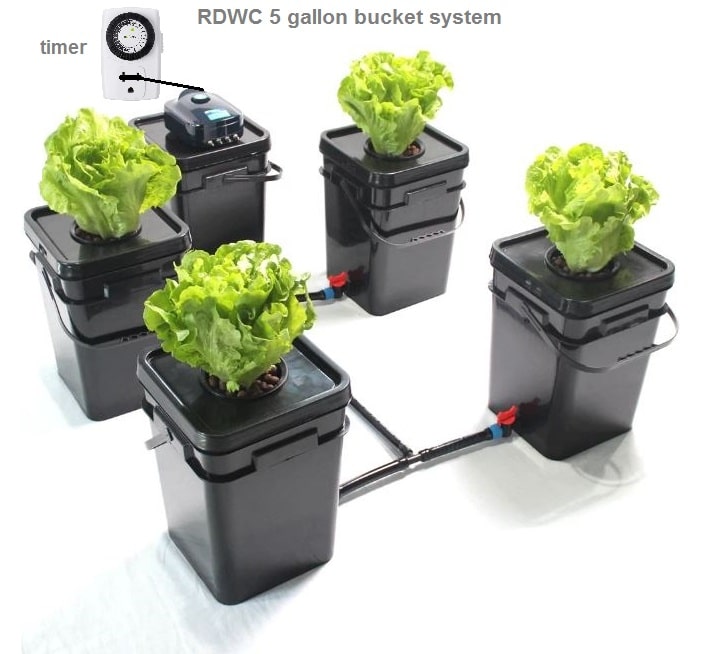
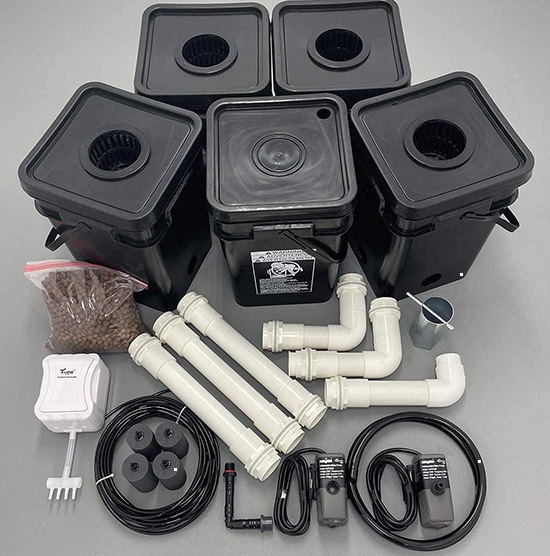
- Reservoir Bucket Connected to 4 Grow Buckets
- 400 Gallon/hour Circulating Pump
- Large 5 gallon square buckets, pre-drilled
Common Issues with Growing Mint
While known for being a vigorous, robust herb, mint can encounter issues with pests, diseases, and environmental factors that affect its health and productivity. By understanding the most common problems, you can properly prevent or manage them. Taking a proactive approach saves your crop and long-term plant viability.
Mint’s exceptionally fast growth makes it prone to nutrient deficiencies if soil fertility is poor. Insufficient sunlight also reduces plant performance and flavor. Most pest damage or diseases arise from improper site conditions, overcrowding, excessive moisture, or poor circulation. Careful monitoring allows early treatment before infections worsen.
Pests Problems
While mint’s fragrant oils naturally help repel many insect pests, some can still infest plants, especially if growing conditions are poor. Common mint pests to monitor for include slugs/snails, spider mites, whiteflies, root knot nematodes, Japanese beetles, and mint flea beetles.
Slugs and snails chew irregular holes in foliage, usually feeding at night. Handpick them from plants and lay shallow dishes of beer around mint beds to trap them. Spider mites are tiny pests that colonize on the undersides of leaves, sucking juices and forming fine webs. Knock them off with a strong spray of water daily. Prevent by keeping plants healthy.
Whiteflies cluster in colonies on the undersides of leaves, weakening mint as they feed on plant fluids. Check for tiny white eggs and yellowing foliage. Blast them off with water, then spray insecticidal soap or neem oil weekly. Root knot nematodes are microscopic worms that attack roots, forming round galls. Improve soil condition to reduce nematodes.
Japanese beetles and mint flea beetles devour leaves and stems, skeletonizing foliage rapidly. Cover plants with fine netting to exclude beetles, which are very difficult to control once infested. Pick off by hand early before they multiply.
Major Diseases
The three most common mint diseases to monitor for are verticillium wilt, rust, and anthracnose. Mint rust and leaf spot can also occur. These mint-specific fungi are spread by water, insects, contaminated tools, or infected plant debris.
Verticillium wilt causes leaves to yellow, wilt, and drop. Rust first forms light yellow spots on leaf undersides, which turn brown. Anthracnose lesions start as water-soaked spots before turning tan. Leaf spot starts as tiny black spots spreading into brown dead patches.
For all diseases, improve air circulation and reduce moisture on plants through proper spacing, mulching, and watering habits. Remove and destroy very infected plants. Lightly affected plants can be salvaged by pruning off all diseased parts well below signs of infection. Disinfect tools after every cut. As a certified organic preventative spray, use copper fungicide or Bacillus subtilis weekly.
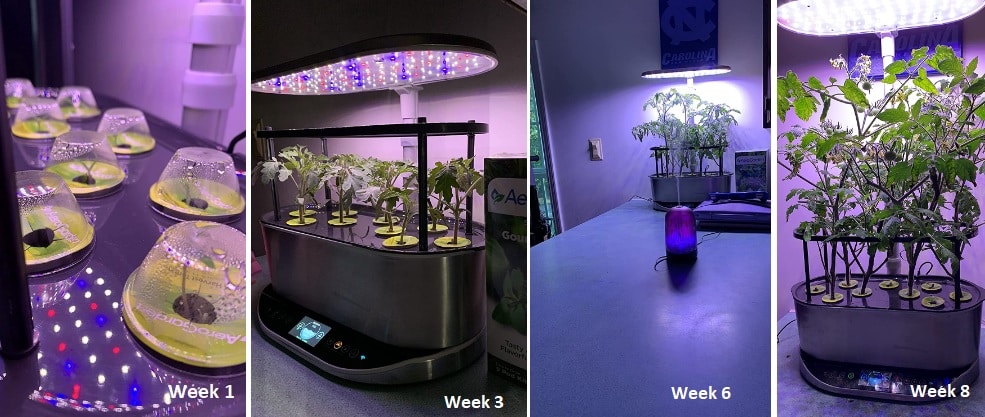
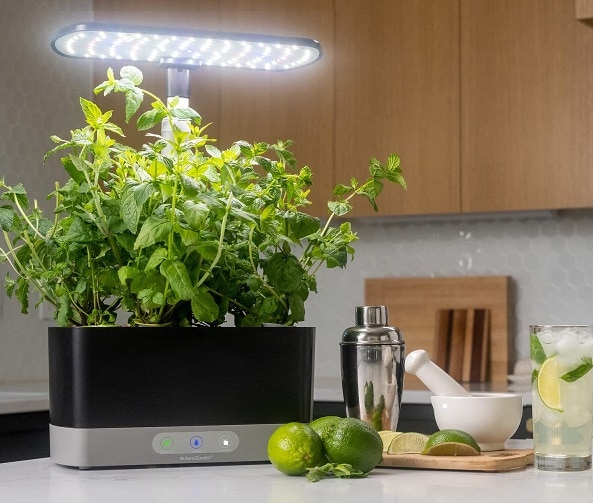
- Indoor Garden with LED Grow Light, Black
- Grow up to 6 different herb, veggie, or flower varieties at once, year-round
- Automatic timer lights go on and off. Adjusts for up to 18“ of grow height
FAQs
Can I grow catmint at home?
Yes, catmint (Nepeta) is very easy to grow at home. It thrives in full sun with well-drained soil and only requires occasional watering once established. Catmint grows up to 3 feet tall and 2 feet wide, sporting blue-purple flowers that attract pollinators. The aromatic gray-green foliage deters deer and rabbits. Catmint is drought tolerant, low maintenance, and excellent for borders, containers, and herb gardens.
Is fertilizer necessary for mint plants?
While mint grows under many conditions, fertilizer is recommended to fuel productive, healthy plants. Use a balanced organic granular fertilizer once in early spring and again midway through summer if plants need an extra boost. Liquid plant food also works well. Test soil to determine any nutrient deficiencies.
Potted mint should be fertilized monthly. But be careful not to over-fertilize, as excess nitrogen reduces mint's flavor quality. Fertilizing ensures your mint thrives but focus more on proper site, soil, sun, and water conditions for success.
Can mint be contained with steel edging?
Yes, installing steel landscape edging is very effective for containing mint's aggressive spreading roots and rhizomes. Use galvanized or powder-coated steel edging with 8–10 inch buried depth around all sides of your mint patch. This acts as an impenetrable underground barrier that redirects root growth downwards instead of outwards where mint can take over.
Combine with raised beds or planters for above ground control. The steel edging should keep even the most vigorous mint varieties neatly where you want them. Periodic pruning and division will also be needed to maintain healthy plants within the space.
What is the best method to harvest mint for tea?
The best mint harvesting method for tea is to cut individual stems near their base just as flowers are forming. Choose the top 3–4 inches of tender growth tips, where leaves are most flavorful. Harvest in mid-morning after dew dries but before the sun is too hot. Use a clean, sharp bypass pruner for clean cuts.
Select only healthy, blemish-free stems from robust plants. Standard pruning promotes bushy regrowth. Rinse cut stems and gently shake dry. Use fresh or air-dry leaves out of light, then store in airtight containers.