A break-in does not always start with a broken window. Sometimes, it starts with small things people brush off. A strange car sits too long on the street. A package goes missing. A porch light stays broken for weeks. One sign may mean nothing, but several signs together may warrant your attention.
The good news is that awareness does not mean fear. It means noticing what is out of place, talking to neighbors, and taking simple steps before trouble grows.
Gates, Fences, or Doors Look Tampered With

A gate left open may be nothing. A loose latch may be caused by wind. But scratches near a lock, a bent screen, or a door that suddenly does not close properly should not be ignored.
These small changes can show that someone tried to test an entry point. Do not panic, but do act. Check locks, call a repair person if needed, and tell others in the home what you noticed.
If you come home and see a broken door or open window that makes you think someone may be inside, do not enter. Official safety guidance says to call 911, avoid touching anything, and avoid approaching suspicious people.
Someone Knocks or Rings the Bell for No Clear Reason
Many people knock on doors for normal reasons. They may be selling something, looking for a lost pet, or asking for directions. Still, repeated knocks from people who give weak answers can feel odd.
Some homeowners worry when a stranger seems more interested in checking who is home than having a real reason to be there. The smart move is not to open the door wide.
Speak through the door, a camera, or a locked screen if you have one. Let the person know someone is home, then end the conversation calmly. If the same person keeps coming back, tell a trusted neighbor and report it if it makes you feel unsafe.
Packages or Mail Start Disappearing
Missing packages may seem like a small problem, but they can show that someone is watching the area. Mail left too long can also make a home look empty. For adults who travel, work long hours, or care for older parents, this can quickly become a quiet safety issue.
Ask a neighbor to collect mail when you are away. Use delivery lockers or tracking alerts when possible. If packages keep vanishing from several homes, the neighborhood should treat it as a shared warning sign, not just one person’s bad luck.
Outdoor Lights Stay Broken
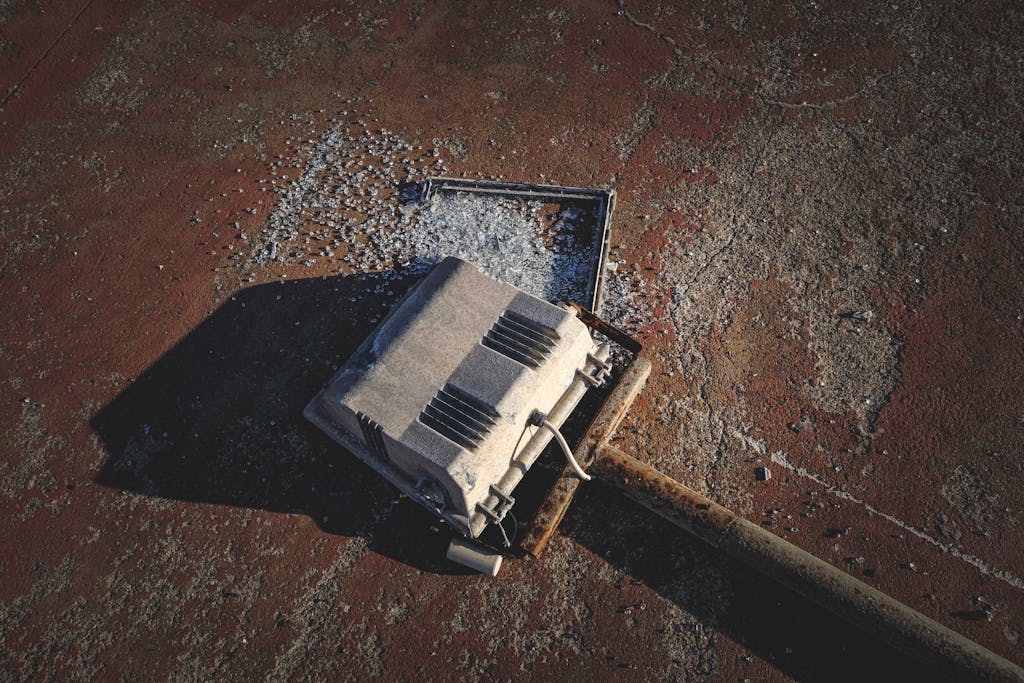
A dark home can look easier to approach. Broken porch lights, dead bulbs, and shadowy side paths can make it harder for neighbors to notice movement. This is one of those small things people keep putting off until it becomes a bigger problem.
Fixing lights is a simple safety win. Motion-sensor lights, working porch lights, and indoor lights on timers can help a home look cared for and active. Neighborhood Watch guidance also points to simple steps such as locking windows, setting timed indoor lights, and using sensor lights as effective burglary-prevention habits.
Unknown People Keep Walking Close to Homes
Walking through a neighborhood is normal. People jog, deliver food, visit friends, and take shortcuts. The concern arises when someone repeatedly walks close to windows, side gates, garages, or backyards without a clear reason.
It becomes more concerning when they appear to be studying homes rather than simply passing by. Neighbors should stay calm and observant. Share what you saw in a neighborhood group without making wild claims.
If the behavior feels unsafe or keeps happening, contact local law enforcement. DHS public safety guidance also tells people to report suspicious activity to local law enforcement and call 911 in an emergency.
Social Media Shows Too Much About Who Is Away

A vacation photo can feel harmless. So can a post saying the family is out for the weekend. But real-time posts can tell strangers that a home is empty. This is especially risky when accounts are public or when posts show addresses, routines, or expensive items.
A safer habit is to post after you return. Avoid showing your house number, hotel details, or daily schedule. The same concern has reached high-profile groups, too, with the NFL warning players about real-time posts and home details after burglary rates among athletes rose.
Neighbors Stop Paying Attention to Each Other
One of the biggest warning signs is not a person or a car. It is silent. When neighbors no longer notice each other, small problems become easier to miss. A strange noise, a broken window, or a moving truck at the wrong time may go unnoticed, and no one asks a simple question.
Good neighbors do not need to be nosy. They need to be aware. A quick wave, a shared phone number, or a small neighborhood chat can make people feel less alone. The goal is not suspicion. The goal is care.
A Strange Car Keeps Showing Up
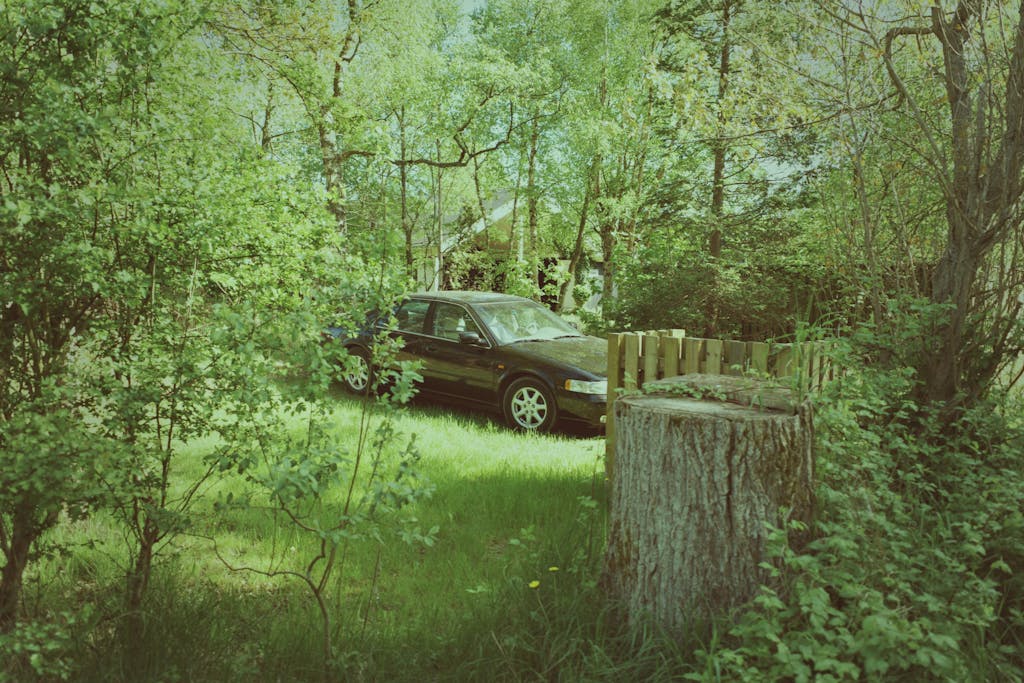
Most neighborhoods have cars that belong there. You may know the blue truck near the corner or the white SUV across the road. But when the same strange car keeps parking near homes without a clear reason, it may be worth noticing.
This does not mean the driver is guilty of anything, but it does mean the situation should not be ignored. A safe step is simple. Write down the car color, time, and plate number if you can do it without getting close.
Do not walk up to the person or try to play detective. If the car appears to be involved in suspicious activity, report it to local police or a neighborhood watch contact.
Key Takeaway
A break-in rarely announces itself loudly before it happens. The warning signs are often small, quiet, and easy to explain away. A strange car, missing mail, broken lights, odd door knocks, or too much online sharing may not prove danger, but they can remind you to pay attention.
The safest response is calm action. Lock doors and windows, fix lights, protect your travel plans, talk to trusted neighbors, and report real concerns. Do not confront strangers or enter a home that may have been broken into. Safety starts with noticing, but it works best when people act wisely.