The kitchen sink is one of the most common places we assume is safe. It sits there shining under the faucet, ready to rinse vegetables, clean dishes, or rescue dinner from whatever chaos is happening on the counter. The motion of water feels inherently clean, giving the sense that germs and dirt are washed away immediately.
Yet that assumption can be misleading. Some foods do not benefit from a sink bath. In fact, rinsing certain items can spread bacteria, reduce quality, or even wash away nutrients you actually paid for. Understanding which foods to leave untouched can transform the way you cook safely and preserve the taste and texture you want.
Raw Chicken Can Turn Your Sink into a Splash Zone
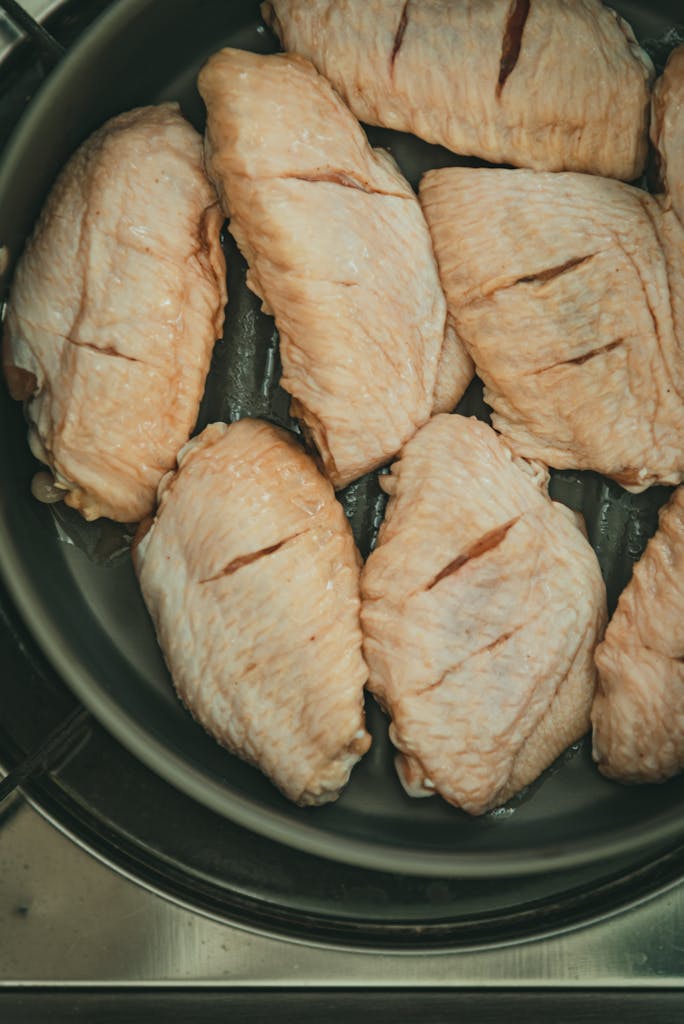
Rinsing raw chicken has long been seen as a responsible step in preparing dinner. It feels instinctively like the right move to remove visible juices and make the meat safer. Unfortunately, water does not kill harmful bacteria such as Salmonella and Campylobacter. Instead, it can create microscopic droplets that land on your faucet, counters, cutting boards, and even nearby foods, turning your entire kitchen into a contamination hotspot.
The safer alternative is simple and effective. Transfer the chicken directly from its packaging to the pan, oven tray, or grill. Then wash your hands and sanitize the prep surfaces. Cooking the meat to the proper internal temperature eliminates harmful bacteria far more reliably than any rinse. This small change protects both your food and your family without unnecessary splashes.
Raw Meat Does Not Need a Faucet Bath
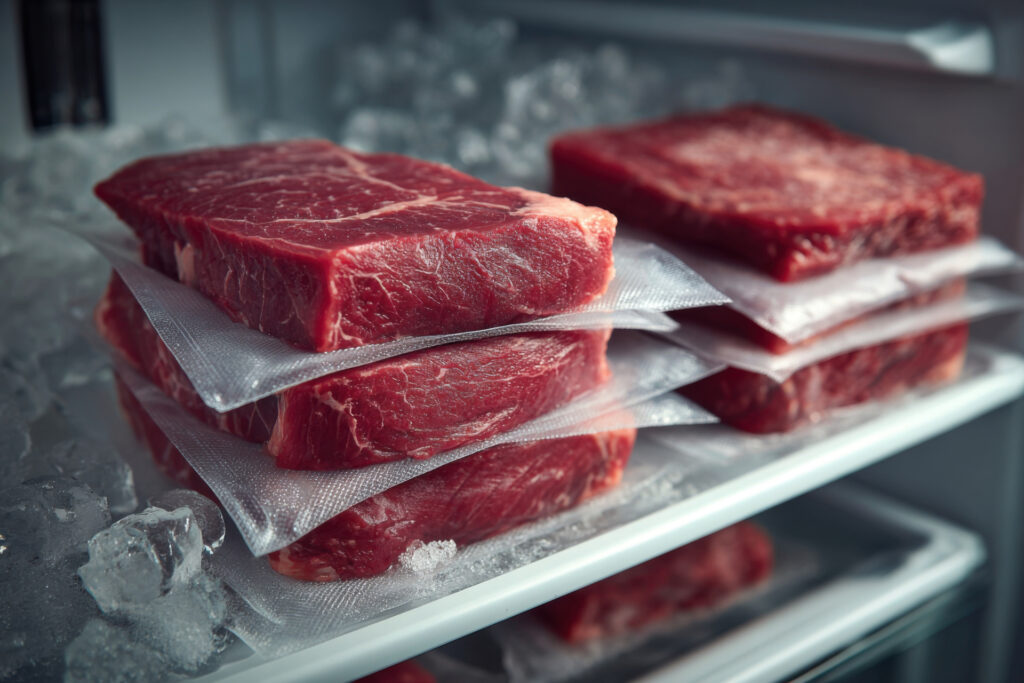
Steaks, pork chops, lamb, and other raw meats share the same risk as chicken when it comes to sink washing. The thought of rinsing them may feel like basic hygiene, but it can inadvertently spread bacteria across surfaces you will touch later. Even the smallest water droplet from a sink rinse can reach your cutting board, knives, or other foods.
Instead of rinsing, gently pat the meat dry with disposable paper towels. This removes excess moisture that can hinder browning during cooking while preventing bacteria from dispersing in your kitchen. A dry surface not only enhances flavor but also reduces the chances of cross-contamination, making cooking safer and more effective.
Seafood Should Go from Package to Prep Area Carefully

Seafood often prompts hesitation in the kitchen. Whether it’s fish fillets or shellfish, many people feel the need to rinse them to remove slime or a strong ocean smell. However, running water over seafood can spread bacteria from its surface into your sink and surrounding areas. Delicate fish can also absorb excess water, resulting in a mushy texture and reduced flavor when cooked.
To handle seafood safely, drain it carefully and pat it dry with a clean towel before cooking. If the fish smells overly sour or ammonia-like, rinsing will not improve its quality; the seafood is already compromised. Cooking it at the correct temperature remains the most reliable way to eliminate any pathogens, keeping the taste intact and your kitchen safe.
Eggs in the Shell Are Already Handled Before Sale
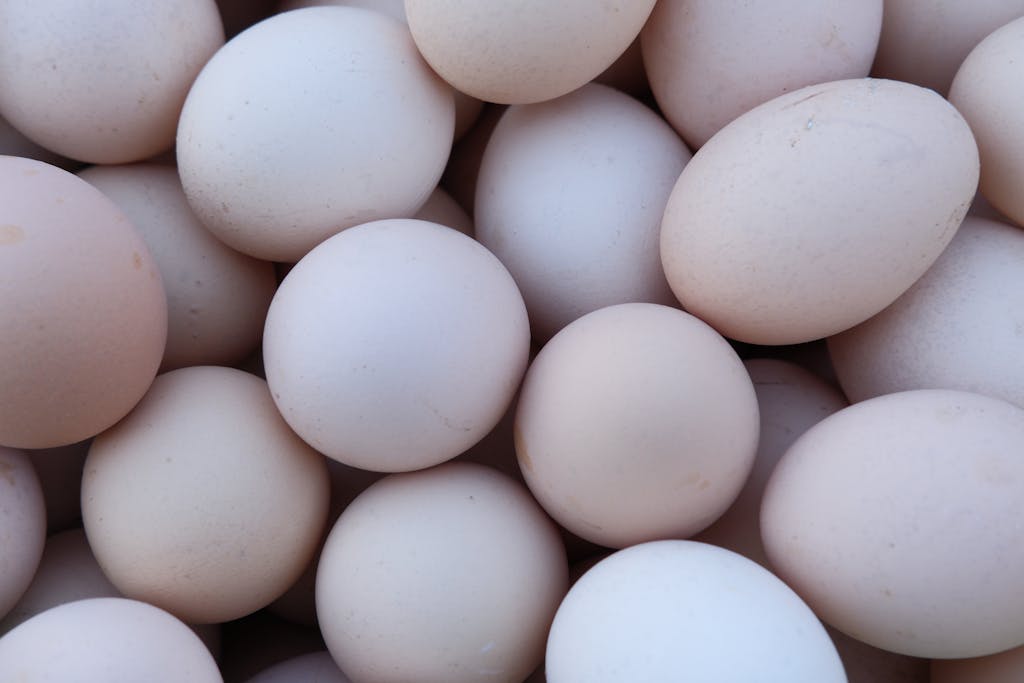
Many home cooks instinctively rinse eggs before cracking them, especially if they appear dusty or spotted. The truth is that store-bought eggs are washed and sanitized before packaging. Additional washing at home can push bacteria into tiny cracks in the shell, creating a risk of contamination rather than reducing it.
For eggs with visible dirt, a gentle wipe with a clean cloth is sufficient. Cracked or compromised eggs should be discarded or used with caution. Following these simple steps ensures that eggs remain safe without introducing unnecessary risks, and the proteins inside retain their intended quality for cooking.
Prewashed Salad Can Pick Up Germs at Home
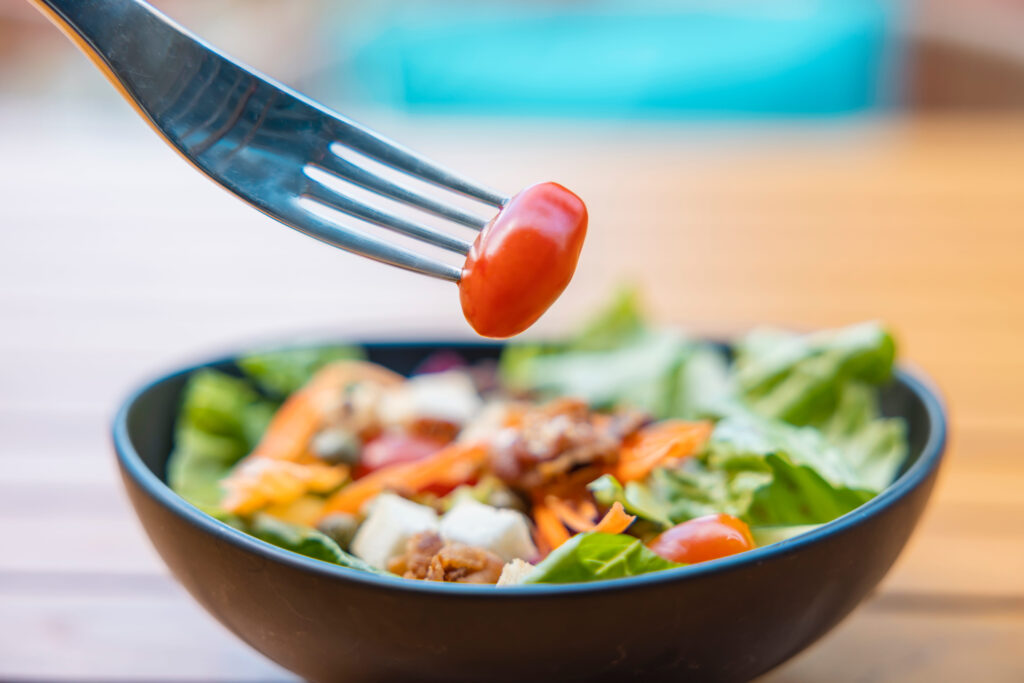
Bagged salad is marketed as ready-to-eat, and many packages even state “triple-washed” for convenience. Adding another rinse at home may feel extra cautious, but it can actually introduce new bacteria from your hands, sink, or cutting tools. What starts as a clean, convenient product can end up contaminated through well-intentioned overhandling.
The key is careful handling rather than repeated washing. Open the bag carefully, use clean utensils, and separate raw meat from your greens. These precautions maintain both safety and freshness without undermining the washing process already performed at the packaging stage.
Mushrooms Can Become Sad Little Sponges
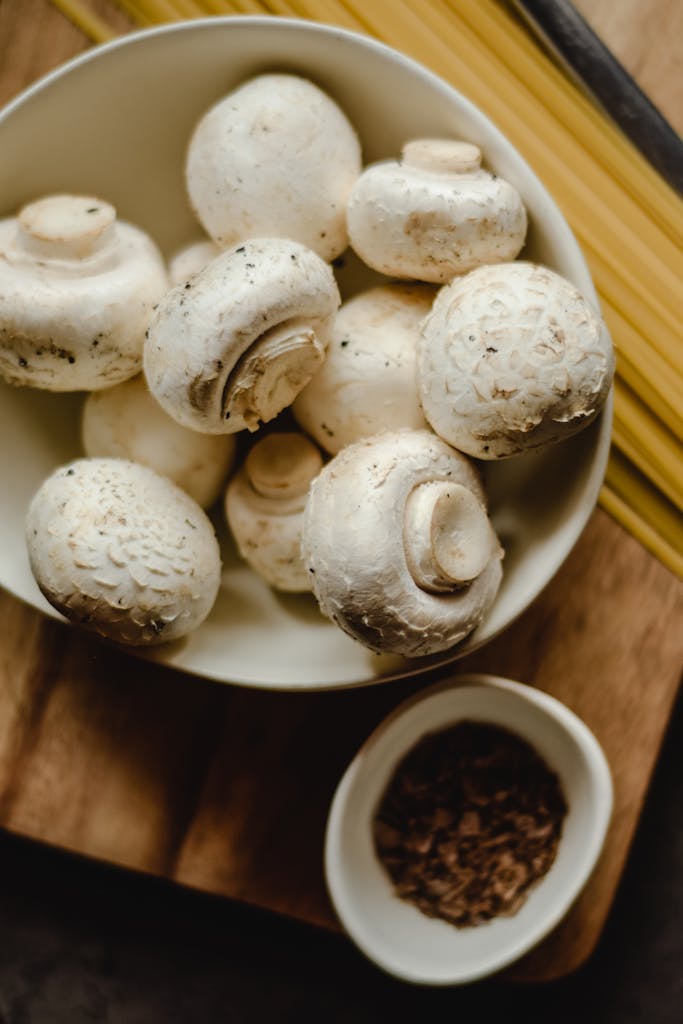
Mushrooms are known for their delicate texture, and a long soak in the sink can leave them soggy and flavorless. Many cooks rinse mushrooms instinctively to remove soil, but this rinsing can actually cause them to absorb moisture, reducing their ability to brown properly during cooking. Flavor, texture, and appearance all suffer when mushrooms spend too much time under running water.
A better approach is to use a soft brush or a damp cloth to remove dirt. Quick rinses are acceptable for particularly dirty specimens, but they should be followed by immediate drying. This method preserves both the mushroom’s integrity and the visual appeal of your final dish, keeping it firm and flavorful.
Enriched Rice Can Lose Nutrients Down the Drain
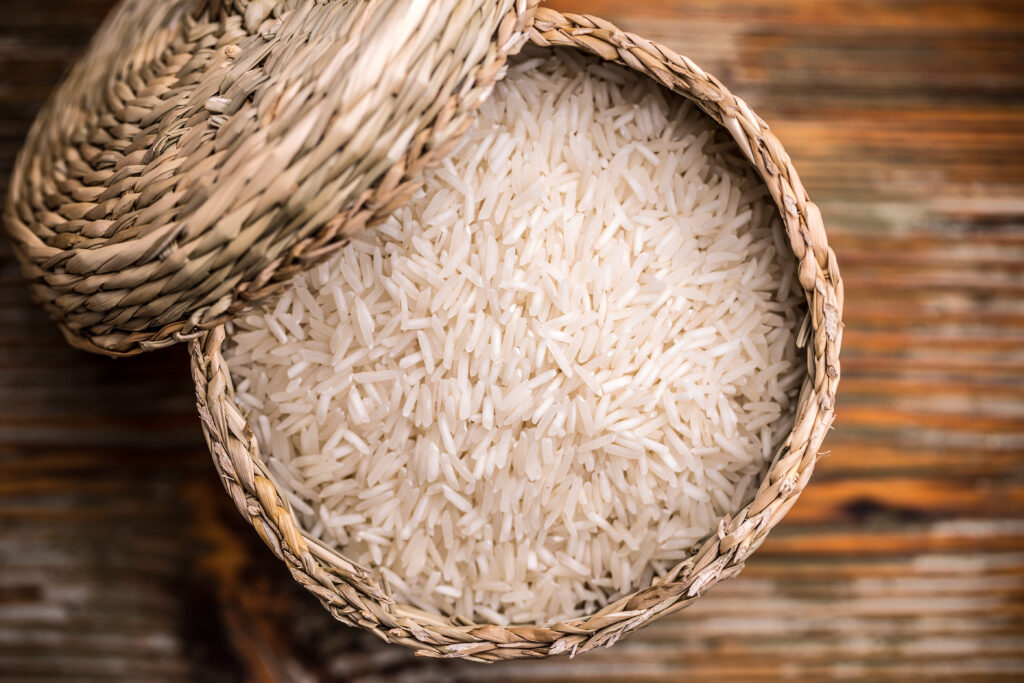
Rinsing rice is a cultural practice in many households and is often done to remove excess starch, resulting in a fluffier texture. The complication arises with enriched rice, which contains added nutrients such as iron and B vitamins. Heavy washing can remove some of these fortifications, reducing the nutritional benefit you might expect from each serving.
To avoid nutrient loss, follow package instructions carefully. If texture is not a critical concern, skip the rinse for enriched varieties. This preserves both vitamins and minerals while still allowing you to enjoy rice that cooks properly, balancing taste and health considerations.
The Sink Itself Is Not Always as Clean as It Looks

The kitchen sink endures constant traffic: raw meat juices, dirty dishes, food scraps, sponges, and hands all pass through. Even a sink that appears sparkling can harbor bacteria waiting to spread. Splashing food into this environment can unknowingly expose it to germs, undoing any perceived benefits of washing.
The solution is mindful preparation. Wash hands frequently, separate raw and ready-to-eat foods, use clean cutting boards, and sanitize surfaces after handling high-risk foods. Trusting heat and careful handling is far more effective than assuming water alone ensures safety.
Conclusion
Rinsing food in the sink feels natural, almost instinctively clean. Yet for certain foods, it increases the risk of contamination, reduces flavor, or even washes away nutrients. Raw meats, prewashed greens, mushrooms, eggs, seafood, and enriched rice all have their own reasons for staying dry until they reach the pan or plate.
The smart kitchen rule is simple: wash when it matters, leave certain items untouched, and let proper cooking do the heavy lifting. This approach keeps food safe, flavorful, and nutritious while keeping your kitchen from becoming a microbial hazard. Sometimes the cleanest action is leaving the faucet off.