Plants have long been regarded as the silent, passive inhabitants of the natural world. Yet beneath their serene exteriors lies a world of intelligence, strategy, and surprising behaviors. Recent research has uncovered a wealth of remarkable abilities in plants, shattering our preconceived notions of their passive existence. Here, we delve into the incredible, often startling discoveries that reveal just how fascinating plants truly are.
Plants Can Heal Themselves

Plants possess remarkable regenerative abilities that allow them to heal and thrive after injury. Many species can seal off wounds, regenerate lost tissues, and even sprout new branches when damaged, showcasing a level of resilience that is nothing short of impressive. This self-healing capacity ensures that plants can survive and continue growing, even in environments where physical harm is frequent.
Whether it’s a broken stem, a grazed leaf, or an environmental stress, plants have evolved to repair themselves and adapt to ever-changing conditions. Their ability to bounce back from injury highlights not only their resilience but also their incredible ability to heal themselves.
A Self-Watering Wonder
In the unforgiving deserts, where water is a precious commodity, the desert rhubarb has developed a brilliant self-watering system that ensures its survival. The plant’s wax-covered, ridged leaves are designed to collect moisture from the air, channeling it efficiently toward its roots. This remarkable adaptation allows the desert rhubarb to thrive in conditions that would leave most species struggling.
By harnessing even the smallest amounts of water, it stands as a true testament to nature’s ingenuity, turning a harsh, arid environment into a habitat for survival. In a place where every drop counts, the desert rhubarb’s unique ability to collect and conserve water showcases the extraordinary resilience of life in the most extreme conditions.
Learning Without a Brain
Research has shown that plants, like the mimosa, are capable of learning from experience in ways we once thought were exclusive to animals. In one fascinating experiment, mimosa plants were repeatedly dropped, and after a few occurrences, they stopped reacting altogether, having learned that the drops posed no real threat. This remarkable form of learning and memory, achieved without a brain, challenges traditional ideas of cognition and intelligence.
It suggests that plants have a unique ability to adapt to their environment, demonstrating that even without the complex nervous systems we associate with animals, they are capable of sophisticated responses to their surroundings. This discovery opens a new chapter in our understanding of plant behavior and their surprising ability to interact with and respond to the world around them.
Defensive Strategies
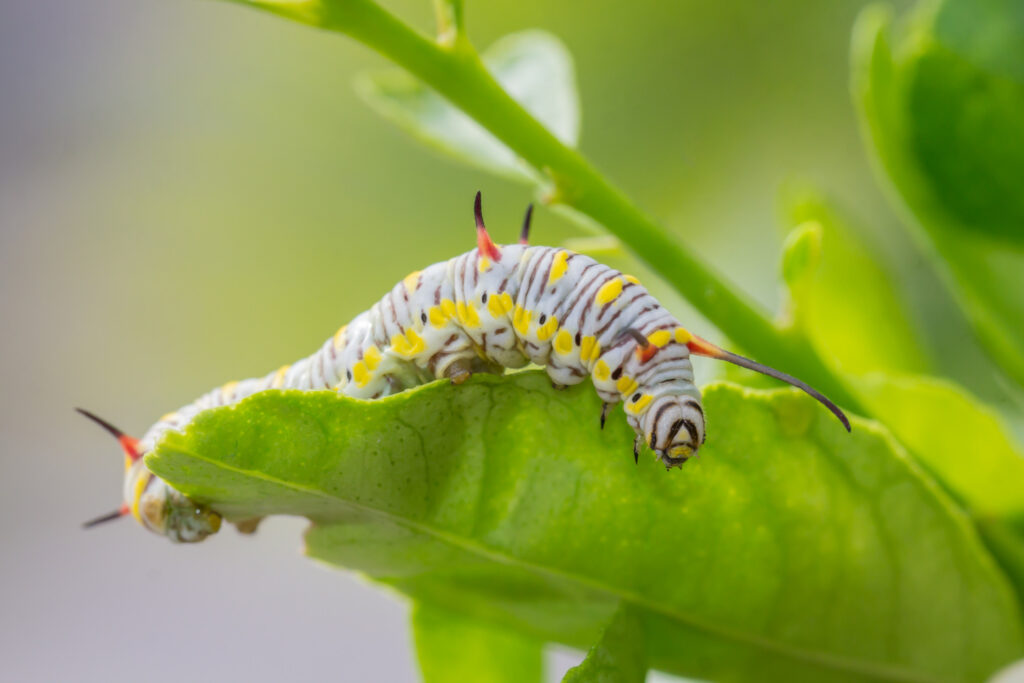
In a stunning revelation, scientists have uncovered that plants possess the remarkable ability to perceive and react to sound. When caterpillars munch on their leaves, plants can “hear” the vibrations and respond accordingly. This sensitivity triggers defensive mechanisms, such as the production of chemical deterrents like mustard oils, which help to ward off herbivores.
What’s truly astounding is that plants can defend themselves before any physical damage even occurs, demonstrating an extraordinary level of awareness and adaptability. This discovery challenges our understanding of plant behavior, revealing that they are far more attuned to their environment than we ever imagined.
Familiar Recognition
In a surprising twist, plants have been shown to recognize their relatives, revealing a fascinating aspect of plant behavior. Take the sea rocket plant, for example, when grown alongside its siblings, it exhibits a cooperative strategy by growing smaller roots to avoid competition. This selfless act allows the plants to share vital resources more efficiently, ensuring mutual survival.
However, when placed next to unrelated plants, the sea rocket switches to an aggressive mode, competing fiercely for nutrients. This ability to identify family members and adjust growth patterns highlights the complex, social side of plant life, offering profound insights into how plants interact with one another in their environment. It’s a remarkable example of how nature’s intelligence can be found in the most unexpected places.
A Predatory World
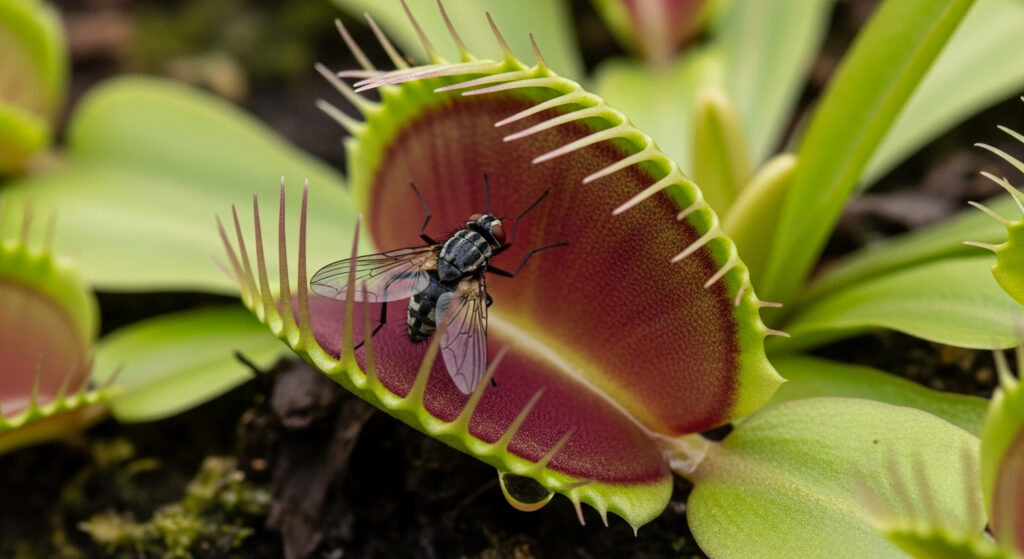
Plants are often seen as passive herbivores, but some species have evolved to become carnivores, turning the tables on the animal kingdom. The Venus flytrap is perhaps the most famous, with its snap-like leaves that trap unsuspecting insects in a flash. Pitcher plants take a different approach, using digestive fluids to break down their prey, effectively turning them into living traps.
Even more surprising is the discovery of plants like the bladderwort, which prey on smaller organisms such as algae. This reveals an even more astonishing fact: some plants are omnivorous, hunting not only animals but other plants to survive. These remarkable adaptations show that the plant world is far more complex and dynamic than we ever imagined, where survival often requires ingenuity and resourcefulness.
Plants Exhibit Remarkable Communication Skills
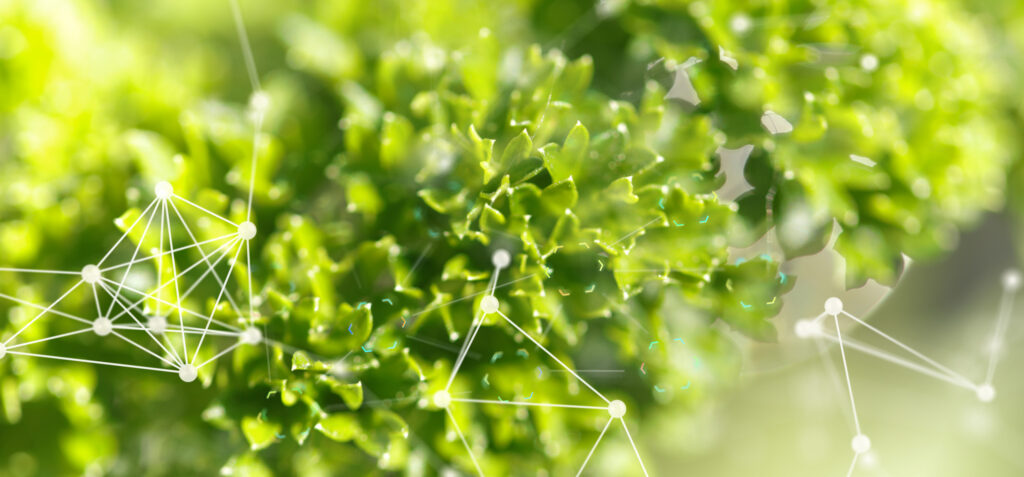
Though plants can’t speak or use gestures, they possess a remarkable form of communication all their own. By releasing volatile chemicals, plants can alert those around them to danger or pest attacks, creating an invisible network of warnings. When one plant faces a threat, it sends chemical signals through the air or soil to neighboring plants, signaling them to ramp up their defenses.
This unique form of communication allows plants to respond collectively to environmental pressures, giving them a better chance of survival in a competitive world. It’s a fascinating reminder that, even in silence, plants are constantly interacting with one another, navigating their environment with precision and strategy. In many ways, this chemical language acts as a vital survival mechanism, allowing plants to adapt quickly and protect themselves from harm.
The Silent Fight Against Invasive Species
Plants are typically viewed as guardians of the environment, but not all species contribute positively. Take kudzu, an invasive vine in the United States, which spreads at an alarming rate, smothering ecosystems and overtaking buildings with its relentless growth. While the vine’s destruction of native plant life is concerning, its impact goes even further.
Kudzu also exacerbates environmental degradation by releasing excess carbon stored in the soil, accelerating climate change in the process. This makes it one of the rare plants that not only harm the landscape but also contribute to the worsening of the environment. Far from improving the ecosystem, kudzu’s unchecked growth serves as a stark reminder that some plant species can be as destructive as they are persistent.
Omnivores of the Plant World
Some plants aren’t content with just sunlight and soil nutrients ,they’ve evolved to be far more resourceful. Bladderworts, fascinating aquatic plants found in lakes and rivers, go beyond their usual diet of insects and worms by also consuming algae.
These remarkable plants use their unique underwater traps to capture and digest small organisms, showcasing a level of versatility that’s rare in the plant world. Their ability to adapt and thrive in diverse environments highlights nature’s ingenuity, proving that survival often requires thinking outside the box , even for plants.
Plants Use “Molecular Telephones”
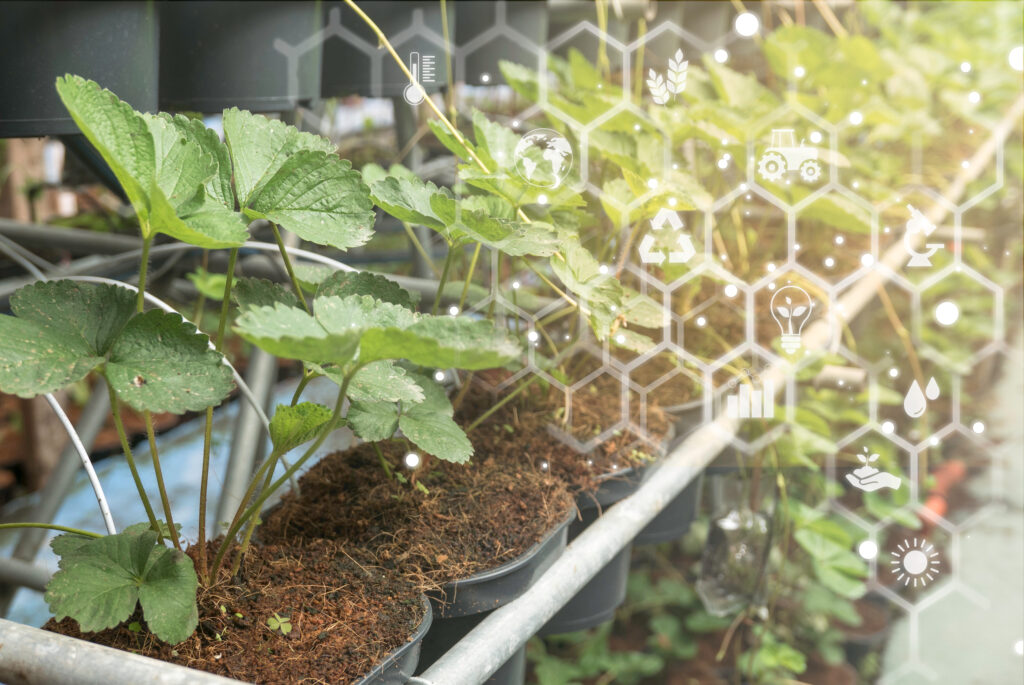
In a fascinating discovery, plants have been found to “call” for help when under attack. When infected by harmful pathogens, plants release chemical signals that travel through the soil to their roots, attracting beneficial microbes that come to their defense. This remarkable form of long-distance communication acts like molecular telepathy, allowing plants to mount a coordinated defense even when the threat is far from their roots.
It’s a stunning example of nature’s ingenuity, where plants demonstrate a level of awareness and resourcefulness previously thought to be exclusive to more complex organisms. By summoning the right allies at the right time, plants can fend off invaders and protect themselves in ways we’re only beginning to understand.